Product List Background
Background
CD40, a tumor necrosis factor receptor (TNFR) superfamily member, is a transmembrane glycoprotein. It consists of an extracellular domain with cysteine-rich repeats, a transmembrane region, and an intracellular domain interacting with signaling proteins. CD40 is expressed in various immune cells, like macrophages, B cells, monocytes, and dendritic cells. It is also highly expressed in many cancer cells. CD40 mediates cell-cell interactions and regulates various immune and inflammatory responses.
Its Gene ID: 958, UniProtKB ID: P25942, and OMIM ID: 109535.
CD40-CD40 Ligand Interactions
CD40 interacts predominantly with its ligand CD40L (CD154) on activated T cells. CD40L is a trimeric protein and also belongs to the TNF superfamily. Interaction of CD40 with CD40L causes CD40 molecules to aggregate, which then engage with cytoplasmic components to activate signaling pathways. CD40-CD40L signaling plays a pivotal role in immune responses by facilitating B cell activation, germinal center formation, antibody class switching, and memory B cell development. This interaction is crucial for coordinating adaptive immune responses against pathogens and regulating inflammation and autoimmunity.
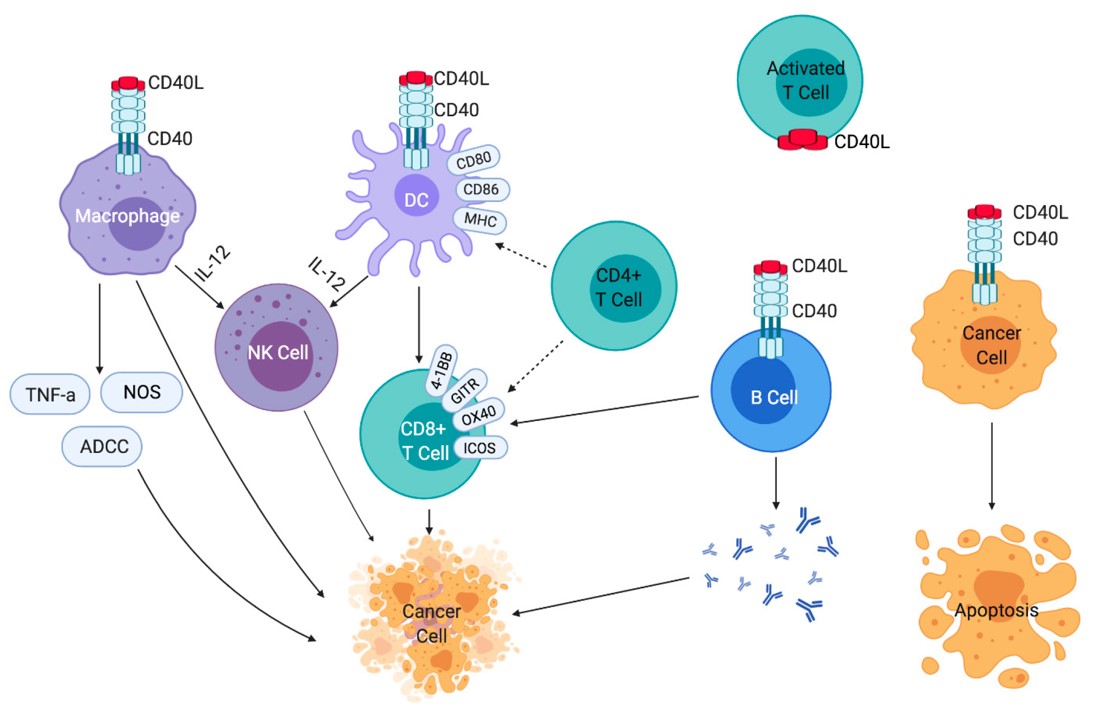 Fig.1 Effects of CD40-CD40L interaction.1
Signaling Pathway of CD40
The CD40 signaling pathway initiates upon binding of CD40L to CD40, leading to the recruitment of TNF receptor-associated factors (TRAFs), particularly TRAFs 2, 3, 5, and 6. These adaptor proteins facilitate downstream signal transduction by activating various molecular events. TRAFs mediate the activation of NF-κB and MAPK pathways, which are crucial for inducing transcriptional responses. NF-κB activation involves the phosphorylation and degradation of IκB proteins, freeing NF-κB dimers to translocate to the nucleus and regulate gene expression. MAPKs (such as ERK, JNK, and p38) activation by CD40 signaling contributes to diverse cellular responses, including proliferation and cytokine production. Additionally, CD40 engagement can stimulate PI3K signaling, impacting cell survival and differentiation. Ultimately, these pathways coordinate immune cell activation, differentiation, and effector functions, which are crucial for adaptive and inflammatory responses in immunity and beyond.
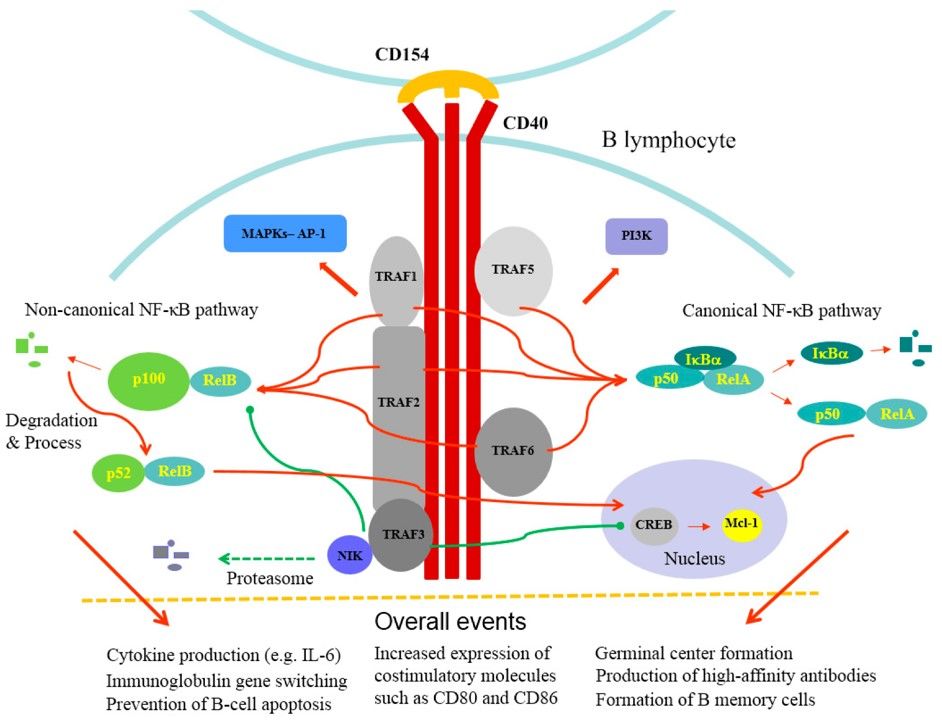 Fig.2 The main pathways involved in CD40-TRAF signaling.2
CD40 in Diseases
CD40 is implicated in various diseases because of its immune regulation and inflammation function. In High IgM (HIGM) syndrome, mutations affecting CD40 or CD40L impair class-switching in B cells, leading to elevated IgM levels. In B-cell malignancies like leukemia, lymphoma, and multiple myeloma, CD40 activation supports tumor survival and growth. CD40 also influences cancer progression in head and neck, hepatocellular, and lung cancers by promoting cell proliferation and immune evasion. In rheumatoid arthritis, CD40-mediated signaling contributes to neovascularization and synovial inflammation. Moreover, increased CD40 expression correlates with inflammatory conditions such as multiple sclerosis, atherosclerosis, asthma, and myositis, highlighting its diverse roles in immune dysregulation and disease pathology.
Creative Biolabs provides high-affinity aptamers targeting CD40, which ensure consistent detection and accurate analysis and assist in a wide range of scientific studies.
References
-
Djureinovic, Dijana, et al. "Agonistic CD40 antibodies in cancer treatment." Cancers 13.6 (2021): 1302.
-
Lai, Jenn-Haung, et al. "Targeting the CD40-CD154 signaling pathway for treatment of autoimmune arthritis." Cells 8.8 (2019): 927.


 INQUIRY
 Datasheet