Creative Biolabs is offering the most comprehensive services for antibody development projects. With strict regulation and effective execution, we are dedicated to providing the most valuable solutions to complete your projects.
HighlightsCreative Biolabs is offering the most comprehensive services for antibody development projects. With strict regulation and effective execution, we are dedicated to providing the most valuable solutions to complete your projects.
HighlightsCreative Biolabs has established a broad range of platforms for developing novel antibodies or equivalents. These cutting-edge technologies enable our scientists to meet your demands from different aspects and tailor the most appropriate solution that contributes to the success of your projects.
HighlightsWith deep understanding in antibody-related realms and extensive project experience, Creative Biolabs offers a variety of references to help you learn more about our capacities and achievements, including infographic, flyer, case study, peer-reviewed publications, and all kinds of knowledge that can assist your projects. You are also welcome to contact us directly for more specific solutions.
HighlightsGet a real taste of Creative Biolabs, one of the most professional custom service providers in the world. We are committed to providing highly customized comprehensive solutions with the best quality to advance your projects.
Highlights| Protein Name | C-X-C motif chemokine receptor 2 |
| Gene Name | CXCR2 |
| Uniprot | P25025 (Human); P35343 (Mouse) |
| Synonym | CD182; IL8R2; IL8RA; IL8RB; CMKAR2; CDw128b; C-X-C chemokine receptor type 2; CXC-R2; CXCR-2; CXCR2 gene for IL8 receptor type B; GRO/MGSA receptor; IL-8 receptor type 2; IL-8R B; chemokine (CXC) receptor 2; high affinity interleukin-8 receptor B; interleukin 8 receptor type 2; interleukin 8 receptor, beta; interleukin-8 receptor type B |
| Background | CXCR2, also known as Interleukin 8 receptor, belongs to a subfamily of chemokine receptors from a large family of G protein-coupled receptor, encoded by CXCR2 gene. It is one of seven CXC chemokine receptors (CXCR1-CXCR7) in mammals. The receptors can recognize CXC chemokine that possesses an E-L-R amino acid motif. Recently, most studies have been made to investigate the CXCR2 role in the treatment of cancer. |
Creative Biolabs offers comprehensive range of membrane protein products empowers your unique research needs.
| CAT# | Product Name | Expression System | Protein Length | Solubilizing Agents |
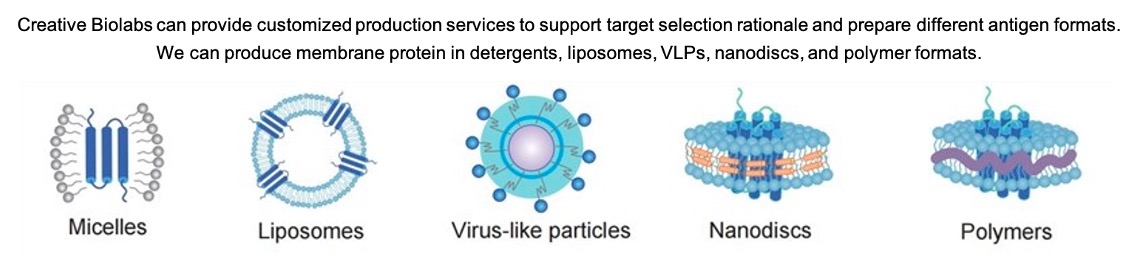
| S01YF-0622-KX136 | MemDX™ Recombinant Mouse Cxcr2 Membrane Protein in Virus-Like Particles (MP-VLPs) | HEK293 cells | Full length | VLPs |
| S01YF-0423-KX533 | MemDX™ Membrane Protein Human CXCR2 (1-48aa) Expressed in HEK293, C-Human Fc tag | HEK293 cells | Partial | N/A |
| Please for more products or customization | ||||
D***el: Their team was incredibly knowledgeable and professional throughout the entire process.
08/Oct/2023
M**y: I highly recommend Creative Biolabs for their expertise, quality products, and excellent customer service. They truly went above and beyond to ensure our satisfaction.
21/Jun/2024
We provide tailored solutions to meet your specific requirements. Please for more services.
Antisense Oligonucleotides (ASOs)
Creative Biolabs offers ASOs development services. ASOs represent a distinct class of short, synthetic nucleic acid sequences. These molecules are engineered with a notable capacity for precise hybridization with messenger RNA (mRNA) transcripts, particularly those encoding the CXCR2 receptor. This highly specific molecular interaction, once established, can instigate one of two primary cellular responses, both culminating in the attenuation of CXCR2 expression. Firstly, the binding event may directly impede the ribosomal machinery responsible for protein synthesis, thereby effectively precluding the translation of the CXCR2 mRNA into its cognate protein. Alternatively, and perhaps mechanistically distinct, this binding event can potentially trigger the enzymatic degradation of the target mRNA, leading to a reduction in the cellular abundance of the CXCR2 transcript itself. Consequently, either mechanism serves to diminish the overall cellular complement of the CXCR2 protein.
Small Interfering RNA (siRNA)/MicroRNA (miRNA)
Creative Biolabs offers siRNA/miRNA development services. RNA interference (RNAi) represents a powerful conserved biological mechanism for sequence-specific post-transcriptional gene silencing, a process that can be harnessed to modulate gene expression. Both small interfering RNAs (siRNAs) and microRNAs (miRNAs) are key effector molecules within this pathway, each exhibiting distinct characteristics despite their shared capacity to abrogate gene expression, particularly the CXCR2 gene in this context.
Overexpression Vectors
Creative Biolabs offers overexpression vectors development services. The enhanced surface presentation of CXCR2 on recipient cells could significantly amplify their chemotactic responsiveness, leading to a more efficient recruitment of various immune cell subsets to sites of pathology or injury. Furthermore, increased CXCR2 signaling may simultaneously promote the activation of these recruited cells, thereby synergistically bolstering the host's innate and adaptive immune responses. Concurrently, in the context of tissue repair, this modulated cellular influx and heightened activity could accelerate the regenerative cascade, facilitating more robust and perhaps even more complete restoration of damaged tissues.
Creative Biolabs offers comprehensive and innovative services to drive the development of CXCR2 cell therapy. Please for more services.
iPSC-Derived Immune Cells
Creative Biolabs offers iPSC-derived immune cells development services. The strategic engineering of induced pluripotent stem cells (iPSCs) presents a compelling avenue for the development of innovative, off-the-shelf cellular immunotherapies. Specifically, the directed differentiation of iPSCs into either T lymphocytes or natural killer (NK) cells, followed by genetic modification, facilitates the generation of cell products with refined therapeutic profiles. For instance, the ablation or downregulation of CXCR2 expression within iPSC-derived NK cell populations is posited to curtail their migratory propensity towards inflamed tissues. This reduction in non-specific recruitment may, in turn, augment their tumor-specific accumulation, thereby enhancing the precision and efficacy of anti-cancer interventions. Conversely, the deliberate overexpression of CXCR2 in iPSC-derived endothelial cells holds substantial promise for applications in vascular repair. This approach potentially optimizes their homing and integration into ischemic tissues, thereby fostering revascularization and functional restoration in regions compromised by inadequate blood supply.
MSC Engineering
Creative Biolabs offers MSC engineering services. The strategic modification of mesenchymal stem cells (MSCs) offers promising avenues for both immunomodulation and regenerative medicine, with distinct applications contingent upon the specific genetic manipulation. In contexts demanding attenuation of inflammatory processes, such as those observed in preclinical models of rheumatoid arthritis, engineering MSCs to secrete CXCR2-neutralizing peptides represents a compelling therapeutic strategy. For instance, the localized production of truncated CXCL8, acting as a competitive antagonist, may effectively damp the aberrant inflammatory cascades. This targeted interference with chemokine signaling could profoundly mitigate the pathogenic responses characteristic of such autoimmune conditions.
All listed services and products are For Research Use Only. Do Not use in any diagnostic or therapeutic applications.