Creative Biolabs is offering the most comprehensive services for antibody development projects. With strict regulation and effective execution, we are dedicated to providing the most valuable solutions to complete your projects.
HighlightsCreative Biolabs is offering the most comprehensive services for antibody development projects. With strict regulation and effective execution, we are dedicated to providing the most valuable solutions to complete your projects.
HighlightsCreative Biolabs has established a broad range of platforms for developing novel antibodies or equivalents. These cutting-edge technologies enable our scientists to meet your demands from different aspects and tailor the most appropriate solution that contributes to the success of your projects.
HighlightsWith deep understanding in antibody-related realms and extensive project experience, Creative Biolabs offers a variety of references to help you learn more about our capacities and achievements, including infographic, flyer, case study, peer-reviewed publications, and all kinds of knowledge that can assist your projects. You are also welcome to contact us directly for more specific solutions.
HighlightsGet a real taste of Creative Biolabs, one of the most professional custom service providers in the world. We are committed to providing highly customized comprehensive solutions with the best quality to advance your projects.
Highlights| Protein Name | Dopamine receptor D4 |
| Gene Name | DRD4 |
| Uniprot | P21917 (Human); P51436 (Mouse) |
| Synonym | D4DR; D(4) dopamine receptor; D(2C) dopamine receptor; dopamine D4 receptor; seven transmembrane helix receptor |
| Background | DRD4, encoded by the DRD4 gene, is a dopamine D2-like G protein-coupled receptor. A recent report has shown that the structure of DRD4 was in complex with the antipsychotic drug nemonapride. Similar to other dopamine receptor subtypes, the D4 receptor is activated by the neurotransmitter dopamine. Many research have shown that DRD4 was related to many neurological and psychiatric conditions, including schizophrenia and bipolar disorder, attention deficit hyperactivity disorder (ADHD), addictive behaviors, Parkinson's disease, and eating disorders. |
Creative Biolabs offers comprehensive range of membrane protein products empowers your unique research needs.
| CAT# | Product Name | Expression System | Protein Length | Solubilizing Agents |
| S01YF-1023-KX281 | NativeExtract™ Human DRD4 Membrane Protein (Full length, Super Nanodisc) | HEK293 cells | Full length | Native Nanodisc |
| MPX3596K | MemDX™ Membrane Protein Human DRD4 Expressed in vitro E.coli expression system, Full Length | E.coli cell-free | Full length | Detergent |
| Please for more products or customization | ||||
Cl***e: Creative Biolabs has been a game-changer for our research.
16/Jun/2023
E**a: The quality of Creative Biolabs' products and services is outstanding, and their customer service is exceptional.
12/Aug/2024
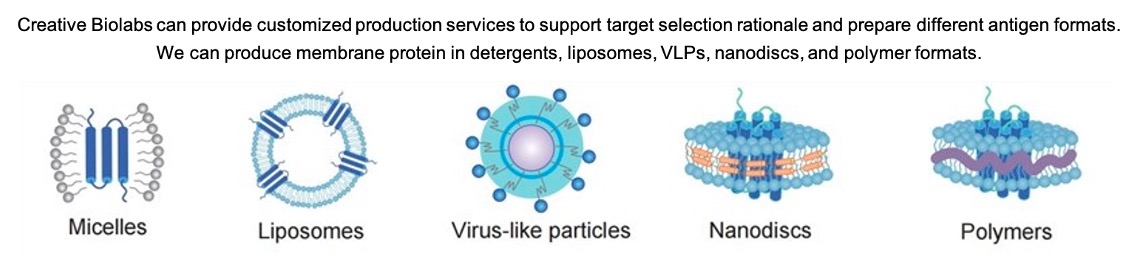
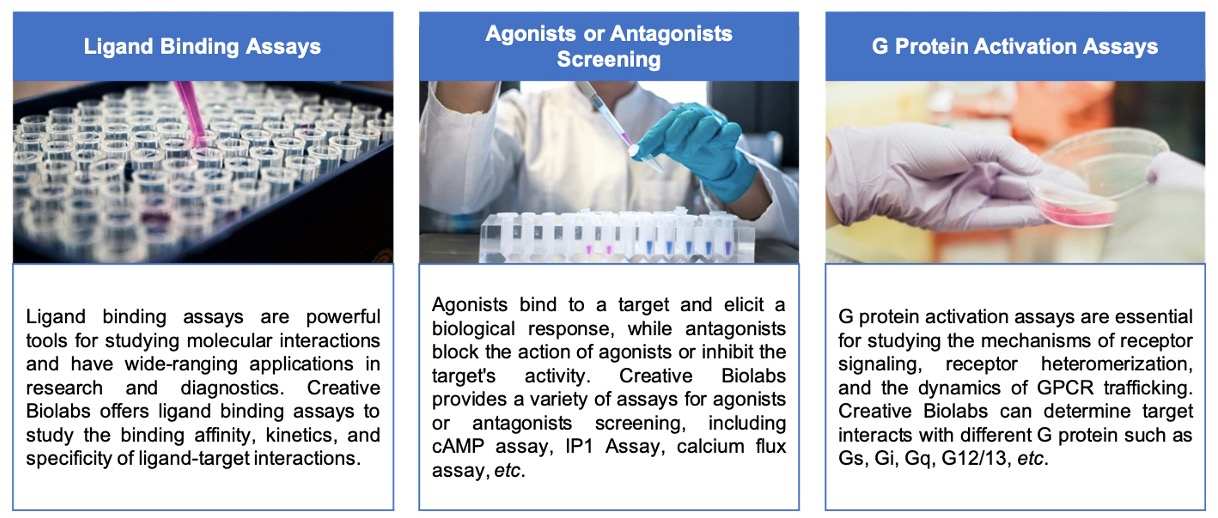
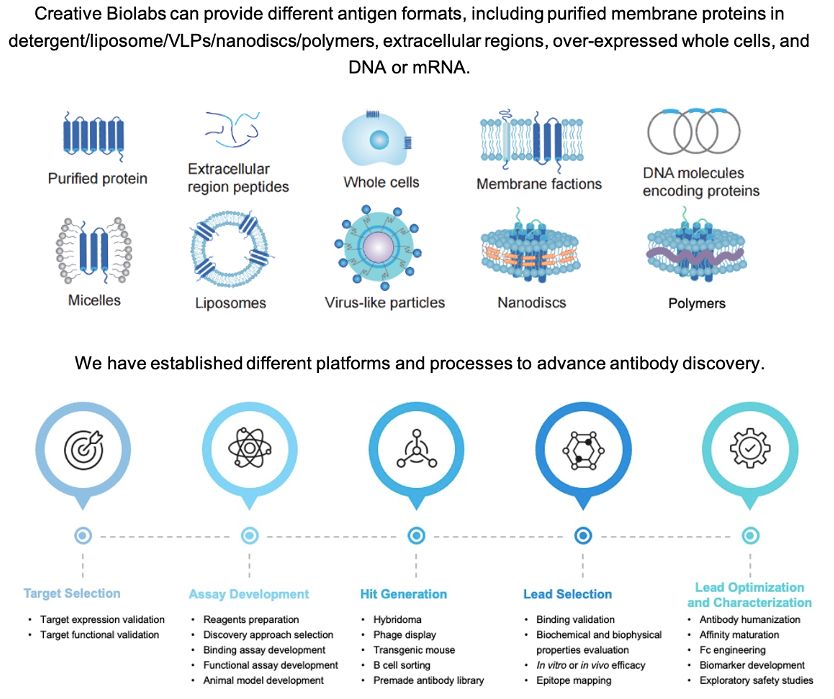
We provide tailored solutions to meet your specific requirements. Please for more services.
Transcriptome Sequencing
Creative Biolabs offers transcriptome sequencing services. The DRD4 exhibits distinct expression patterns across diverse cellular populations, including liver cancer stem cells (LCSCs)—a heterogeneity that may hold critical implications for its functional role in oncogenesis. By integrating transcriptome-wide sequencing data with advanced bioinformatic interrogation, researchers can delineate potential associations between DRD4 transcriptional activity and clinical prognosis. Such analyses not only refine our understanding of its mechanistic contributions to malignancy but could also reveal novel biomarkers for therapeutic targeting.
Polymorphism Analysis
Creative Biolabs offers polymorphism analysis services. Investigating the distribution and functional consequences of DRD4 genetic variants across heterogeneous populations offers a pathway toward genotype-driven therapeutic strategies. Notably, the DRD4 7-repeat allele demonstrates a robust epidemiological association with neuropsychiatric disorders, including attention-deficit/hyperactivity disorder (ADHD) and substance use disorders (SUDs). These findings position it as a compelling candidate for precision medicine interventions, though further validation of its mechanistic role remains imperative.
Optogenetic-Microdialysis
Creative Biolabs offers optogenetic-microdialysis services. This approach employs optogenetic actuators to precisely modulate neuronal firing while concurrently monitoring dynamic changes in neurotransmitter secretion. By integrating these dual methodologies, researchers have elucidated the functional influence of DRD4 within cortico-striatal pathways, particularly its regulatory effects on glutamatergic synaptic transmission.
Creative Biolabs offers comprehensive and innovative services to drive the development of DRD4 cell therapy. Please for more services.
Mesenchymal Stem Cells (MSCs)
Creative Biolabs offers MSCs development services. MSCs isolated from diverse anatomical sources-including bone marrow, adipose tissue, and umbilical cord blood-exhibit remarkable therapeutic potential for addressing tissue damage and inflammatory processes associated with DRD4 dysregulation. Through their robust secretory activity, these cells release a spectrum of bioactive molecules that demonstrate neuroprotective and angiogenic properties, potentially offering therapeutic avenues for various neuropsychiatric and neurodegenerative conditions.
Induced Pluripotent Stem Cells (iPSCs)
Creative Biolabs offers iPSCs development services. iPSCs possess the capacity to undergo directed differentiation into specialized neural lineages, including midbrain dopaminergic neurons capable of functionally integrating into host circuitry. This regenerative strategy offers considerable potential for addressing neurodegenerative pathologies characterized by dopaminergic dysfunction, particularly Parkinson's disease, where progressive neuronal loss leads to debilitating motor and cognitive deficits. However, significant challenges remain regarding long-term graft survival and functional connectivity in clinical applications.
Cell Transplantation
Creative Biolabs offers cell transplantation development services. The transplantation of viable, DRD4-expressing cells represents a promising strategy for reconstituting physiological dopamine signaling in dysfunctional neural circuits. Notably, stem cell-derived dopaminergic neurons, when grafted into appropriate brain regions, have demonstrated the capacity to ameliorate motor deficits in Parkinson's disease models. These effects likely stem from both synaptic integration and the restoration of dopaminergic tone in affected basal ganglia pathways.
All listed services and products are For Research Use Only. Do Not use in any diagnostic or therapeutic applications.