Quantify ACACB expression and activity to investigate its role in insulin resistance, obesity, and type 2 diabetes. Use our analysis to evaluate the metabolic phenotype of genetic models or the effects of novel therapeutic compounds.
Creative Biolabs provides comprehensive ACACB analysis to accelerate your metabolic and oncology research. We offer a variety of strategic options to help customers achieve their project goals.
Introduction of ACACB
In mammalian cells, Acetyl-CoA Carboxylase Beta (ACACB), also known as ACC2, is a critical regulator of fatty acid metabolism. Unlike its cytosolic counterpart ACACA (ACC1), which governs fatty acid synthesis, ACACB is strategically anchored to the outer mitochondrial membrane via a unique hydrophobic N-terminal region. This localization places it in the ideal position to control the flow of fatty acids into the mitochondria for oxidation. Its expression is highest in tissues with high oxidative activity, such as skeletal muscle, the heart, and brown adipose tissue.
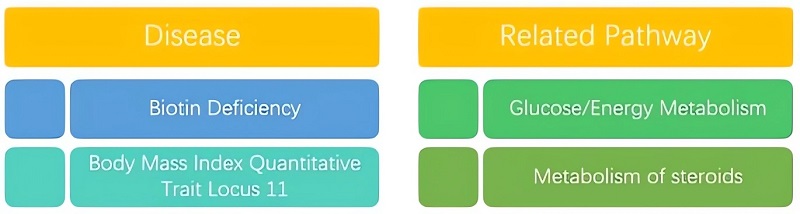
The primary function of ACACB is to catalyze the conversion of acetyl-CoA to malonyl-CoA. This product, malonyl-CoA, is a potent natural inhibitor of carnitine palmitoyltransferase 1 (CPT1), the gatekeeper for fatty acid entry into the mitochondria. By producing this inhibitor, ACACB effectively acts as a brake on fatty acid oxidation. Preclinical studies have shown that inhibiting ACACB activity leads to increased hepatic fat oxidation, reduced liver lipids, and significantly improved insulin sensitivity, highlighting its therapeutic potential in diseases like NAFLD.
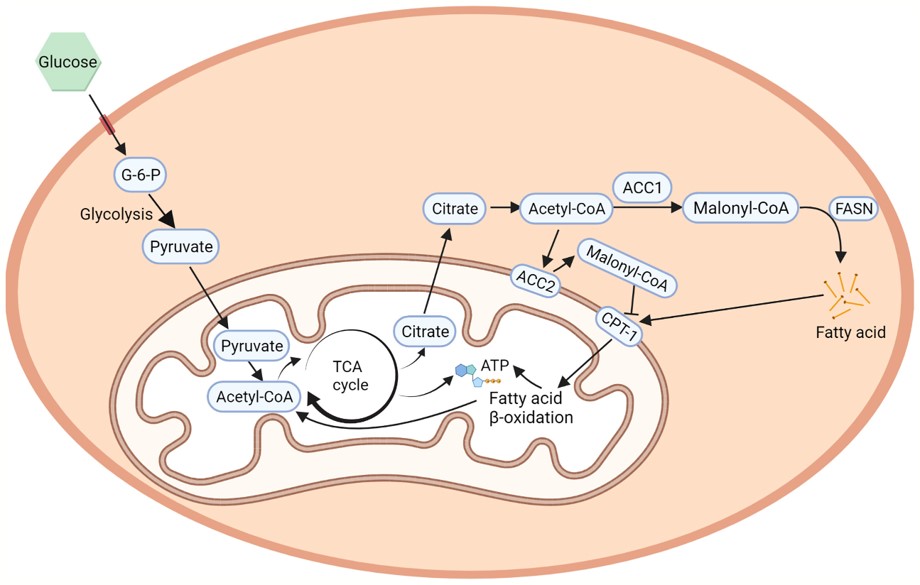 Fig.1 Role of ACCs in lipid metabolism.1
ACACB Analysis Services at Creative Biolabs
At Creative Biolabs, our ACACB analysis services provide deep, actionable insights into this pivotal biomarker. We recognize that ACACB is not just a metabolic enzyme but also a key player in oncology, where its expression can modulate sensitivity to anti-EGFR monoclonal antibodies in colorectal cancer. As a central hub gene in metabolic reprogramming, precise analysis is crucial for both therapeutic development and patient stratification. Leveraging our expertise in biomarker diagnostics, we offer a comprehensive suite of tailored services.
- Gene and Protein Expression Analysis
Utilize highly sensitive qPCR to measure ACACB mRNA levels, and specific WB and IHC to quantify and localize the protein within your specific cell or tissue models.
- Functional Enzymatic Assays
Directly measure the catalytic activity of ACACB to screen potential inhibitors, characterize activators, and understand the functional consequences of protein modifications or drug interactions.
- Cellular Impact Studies
Assess the downstream effects of ACACB modulation on cellular health and proliferation. Our robust cell viability assays provide critical data on how targeting ACACB impacts your biological system.
Service Workflow
Our process is streamlined to deliver precise results efficiently, ensuring your project milestones are met on time.
01Initial Consultation
The process begins with a detailed consultation with our scientific team to understand your specific research questions and objectives for the ACACB analysis.
02Sample Submission
Clients provide starting materials, which can range from cell pellets and tissue samples to purified protein or RNA, following our validated submission guidelines.
03Assay Performance
Our expert technicians perform the selected ACACB analysis assays (e.g., qPCR, WB, IHC) using optimized protocols and state-of-the-art equipment.
04Data Analysis & Quality Control
All raw data undergoes rigorous quality control and is processed through our bioinformatics pipeline to yield clear, interpretable results.
05Final Report Delivery
We deliver a comprehensive report containing detailed methodology, all raw and analyzed data, statistical analysis, and a summary of key findings tailored to your project.
Applications
Metabolic Disease Research
Oncology & Biomarker Discovery
Analyze ACACB as a predictive biomarker for therapy response in cancers, particularly colorectal cancer. Profile ACACB expression in tumor samples to explore its potential for patient stratification and understanding metabolic vulnerabilities.
Drug Discovery & Development
Screen small molecule inhibitors or other biologics using our functional ACACB analysis. Confirm target engagement and elucidate the mechanism of action of your lead compounds in preclinical development phases.
Service Highlights
- Isoform Specificity: Our assays are meticulously validated to ensure high specificity for ACACB, distinguishing it from the closely related ACACA isoform to prevent cross-reactivity and deliver unambiguous data.
- High-Throughput Capability: We offer scalable solutions, from single-sample analysis to high-throughput screening of compound libraries, enabling projects of any size to proceed efficiently.
- Expert Consultation: Every project is supported by our team of Ph.D.-level scientists, who provide expert guidance from initial experimental design to final data interpretation.
FAQs
-
How do you ensure the specificity of your ACACB assays against the ACACA isoform?
We utilize validated antibodies and qPCR primer sets that specifically target unique regions of the ACACB protein and its corresponding mRNA sequence. Each reagent batch undergoes rigorous validation, including isoform-specific cell line models, to confirm its specificity.
-
Can your service measure changes in ACACB enzymatic activity, not just expression?
Yes, we offer specialized functional assays designed to directly measure the enzymatic activity of ACACB. This service is crucial for screening potential inhibitors or activators and for understanding the functional consequences of protein modifications.
-
Do you provide support with experimental design for an ACACB study?
Absolutely, our scientific team provides complimentary consultation to assist you with your experimental design. We help ensure that the study is properly powered and that the correct controls are included for robust and reliable results.
-
Can your ACACB IHC service be used for clinical-grade FFPE tissue samples?
Yes, our IHC protocols are fully optimized for use with clinical-grade FFPE tissue blocks. We have extensive experience in providing high-quality staining and analysis for translational research projects utilizing these precious samples.
-
What quality control measures are in place for your ACACB analysis?
Our laboratory adheres to stringent quality control standards for all ACACB analyses performed. We include appropriate positive and negative controls in every assay run and ensure all equipment is regularly calibrated and maintained for optimal performance.
-
Is it possible to develop a custom ACACB assay tailored to my specific research needs?
Yes, we offer custom assay development services to meet unique research requirements. Our team can work with you to design, optimize, and validate a novel ACACB assay that is tailored to your specific model system or scientific question.
-
What information do I need to provide to receive a quote for ACACB analysis services?
To provide an accurate quote, we require information on the number of samples you plan to analyze. You should also specify the sample type and the specific ACACB analysis services you are interested in for your project.
Ready to take your biomarker research to the next level? Get in contact with our experts - We are happy to answer any question! Please feel free to contact us for more information.
Reference
- Wang, Yu, et al. "Acetyl-CoA carboxylases and diseases." Frontiers in oncology 12 (2022): 836058. Distributed under Open Access license CC BY 4.0, without modification. https://doi.org/10.3389/fonc.2022.836058
For Research Use Only.