Sandwich ELISAs, the predominant method for quantifying antigen levels, crucially depend on antibody pairs. In this technique, the capture antibody immobilizes the target from the sample. Subsequently, the detection antibody, labeled with an enzyme, generates a signal directly proportional to the antigen concentration. This format provides high sensitivity and specificity for accurate quantification.
Creative Biolabs is a leading service provider that focuses on IVD (in vitro diagnostics) antibody development. Our antibody pairs development service provides high-quality, application-specific antibody pairs to enhance your research and diagnostic assays. Leveraging cutting-edge technology and extensive expertise, we deliver reliable solutions that improve assay sensitivity, specificity, and efficiency, accelerating your discoveries and streamlining your workflows.
Introduction
Antibody pairs are a combination of two distinct antibodies, typically a capture and a detection antibody, that bind to different epitopes on the same target antigen. This dual-binding mechanism offers significant advantages over single-antibody systems. By requiring the simultaneous recognition of two unique sites, antibody pairs enhance assay specificity, reducing cross-reactivity and minimizing false positives. They also improve sensitivity, enabling the detection of low-abundance targets. This enhanced performance makes antibody pairs essential tools in various biological applications.
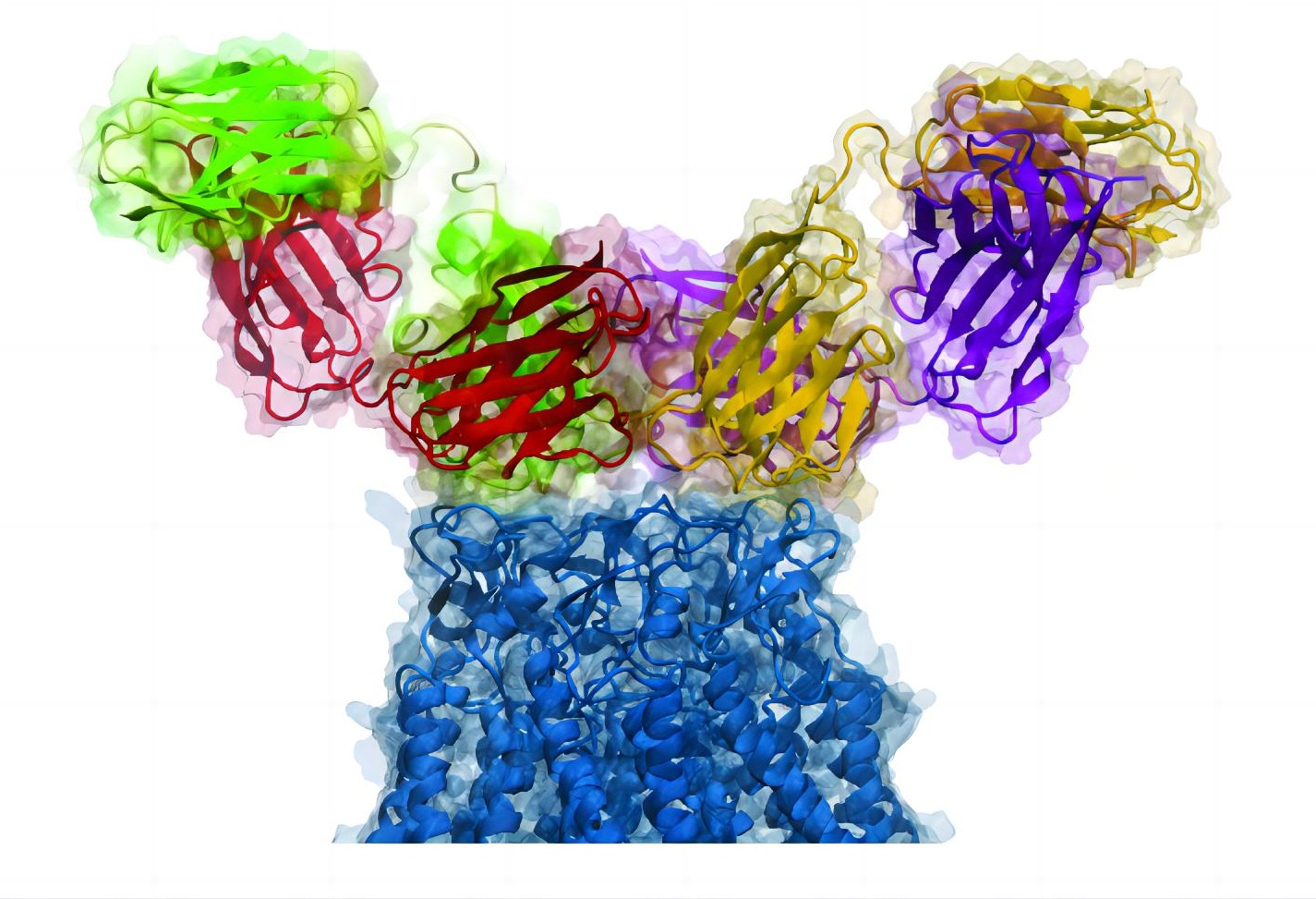 Fig.1 Antibody pairs.1, 4
Applications of Antibody Pairs
Antibody pairs are fundamental to a wide range of biological assays, each benefiting from their enhanced specificity and sensitivity:
ELISA
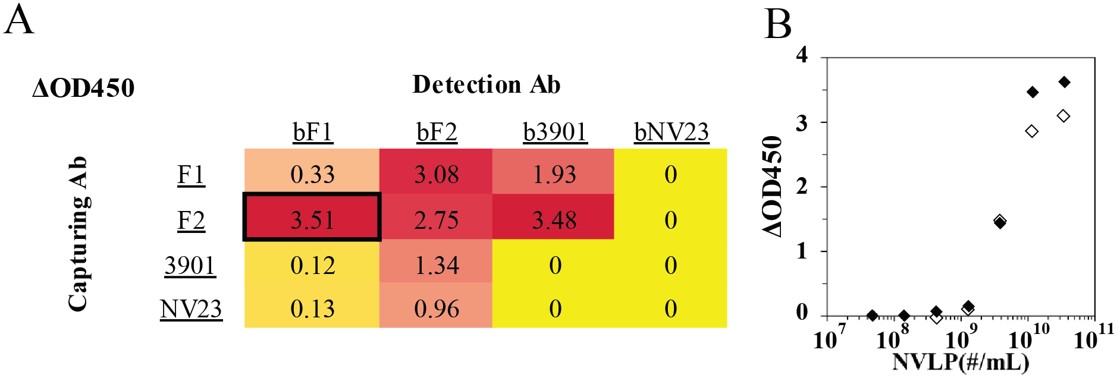 Fig.2 Detection of Norwalk VLPs using an antibody pair-based sandwich ELISA.5,4
IP-WB
When performing IP-WB assays, antibody pairs also play a vital role. Initially, the target protein is immunoprecipitated from a complex mixture using the capture antibody. Following this step, Western blotting is conducted, employing the detection antibody to confirm the target protein's identity and determine its relative amount.
Protein-Protein Interaction Studies
Investigating protein-protein interactions becomes more effective with antibody pairs. Researchers can utilize one antibody to capture a protein complex, and then use a second antibody to detect a specific interacting partner. This approach yields valuable insights into the dynamics and regulatory mechanisms governing these essential biological processes.
LFA/TRFIA
Rapid diagnostic assays, such as Lateral Flow Assays (LFA) and Time-Resolved Fluoroimmunoassay (TRFIA), also heavily utilize antibody pairs. LFA employs labeled antibody pairs to enable rapid and straightforward detection of target analytes. In contrast, TRFIA combines antibody pairs with the unique fluorescence characteristics of lanthanides, achieving both high sensitivity and low background signals.
Services Workflow
Our service offers a comprehensive suite of solutions, tailored to our clients' different needs:
01Comprehensive Antibody Discovery and Preparation
The foundation of our service lies in our comprehensive antibody discovery and preparation process. We deliver an end-to-end solution, starting with meticulous target analysis and optimal antigen design, which ensures the generation of antibodies possessing the desired specificity. A range of immunization strategies is employed, followed by the application of advanced screening techniques, including phage display, hybridoma technology, and single B cell cloning, to identify promising antibody candidates. Subsequently, we perform cloning and expression of the selected antibodies, resulting in a stable and reliable supply.
02Professional Antibody Pairing and Optimization
We consider our expertise in antibody pairing and optimization to be a core strength. Recognizing the critical importance of selecting the right combination, we employ a rigorous process to identify optimal pairs tailored to your specific application.
Available Antibody Pairing Formats: Clients benefit from our flexible approach to antibody pairing formats. We offer monoclonal/monoclonal (mAb/mAb), polyclonal/polyclonal (pAb/pAb), and monoclonal/polyclonal (mAb/pAb) combinations. Each format presents unique advantages, and we collaborate closely with you to determine the most suitable approach for your project.
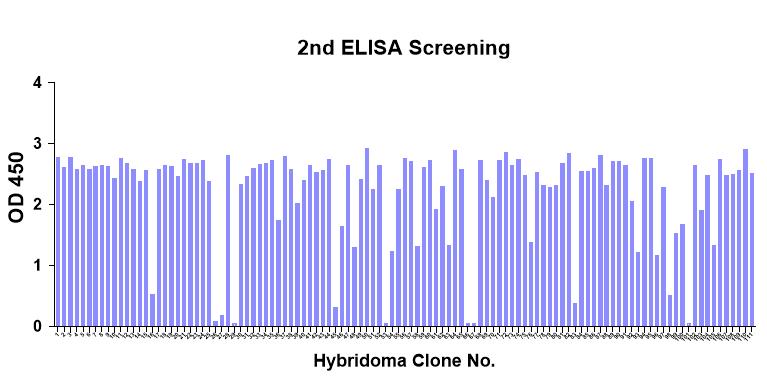
Antibody Pairs Screening: To effectively assess antibody affinity, specificity, and epitope binding, we utilize a variety of screening methodologies. These include ELISA, SPR, and flow cytometry. To circumvent the time-consuming stage of antibody pair identification in sandwich ELISA, we have also developed a bead-based approach for antibody pair screening. Our high-throughput screening platforms enable the efficient evaluation of a large number of antibody combinations.
Antibody Pairs Validation: Thorough validation of selected antibody pairs is performed in relevant assays, such as ELISA and IHC, to guarantee their performance aligns with your specific requirements. Our validation process includes the assessment of key parameters, including sensitivity, specificity, dynamic range, and reproducibility.
Optimization Strategy: To maximize the performance of the antibody pair, we optimize assay conditions. This involves fine-tuning antibody concentrations, buffer compositions, and incubation times. Our optimization strategies are customized to the specific application and target analyte.
03Customized Solutions
We understand that clients often have unique needs, requiring antibody pairs developed for specific targets, applications, or detection methods. We excel in our ability to provide customized solutions. Working in close collaboration with you, our team gains a thorough understanding of your specific requirements, enabling us to tailor our services accordingly. Whether your project involves a novel biomarker, a specific assay format, or a challenging target, we possess the expertise to deliver a solution that precisely meets your needs.
04Technical Support and Consulting
Our commitment to client satisfaction includes providing exceptional technical support and consulting. Our experienced scientists are available to address inquiries, guide antibody pair selection and utilization, and assist with challenges. We believe strong communication and collaboration are crucial for successful outcomes. As your trusted partner, we provide the expertise and support to help you achieve your research and diagnostic goals.
Case Study
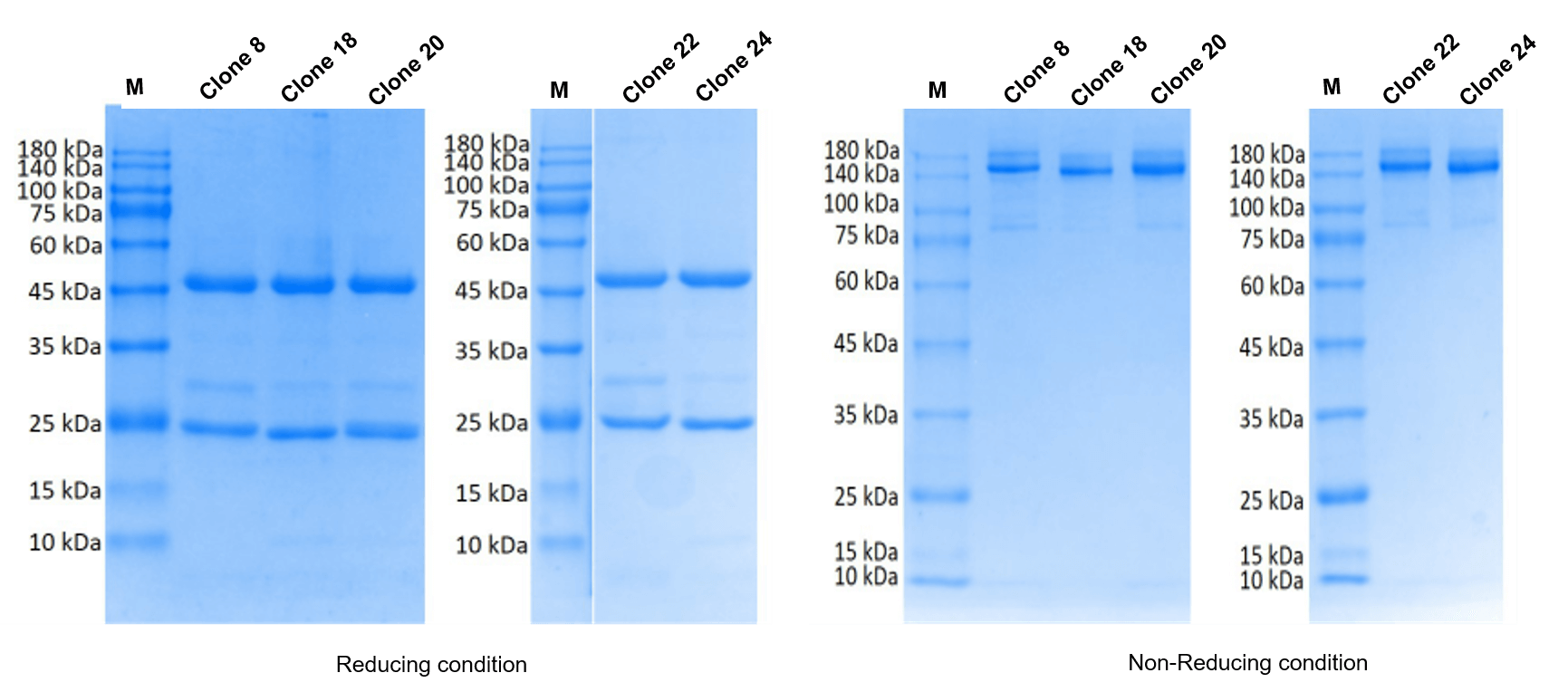
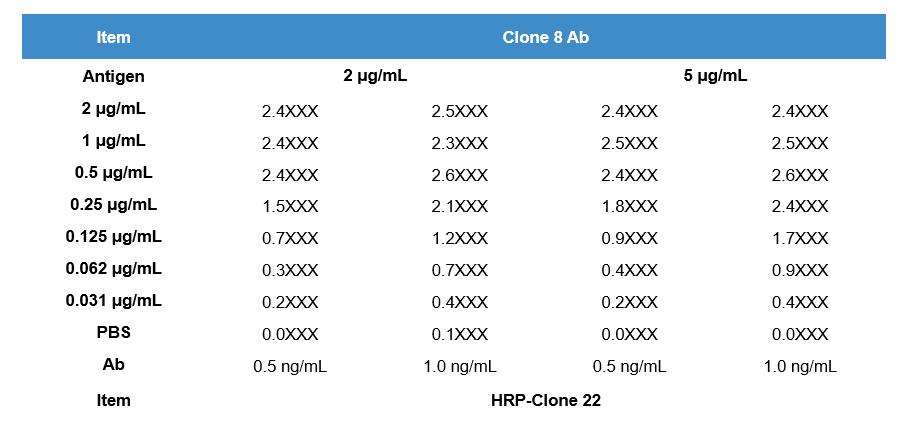
With years of expertise in recombinant antibody engineering, we specialize in developing high-performance antibody pairs for immunoassays (ELISA, lateral flow, CLIA, etc.). Our team delivers perfectly matched duos with exceptional specificity, sensitivity, and low cross-reactivity – optimized for your target and format.
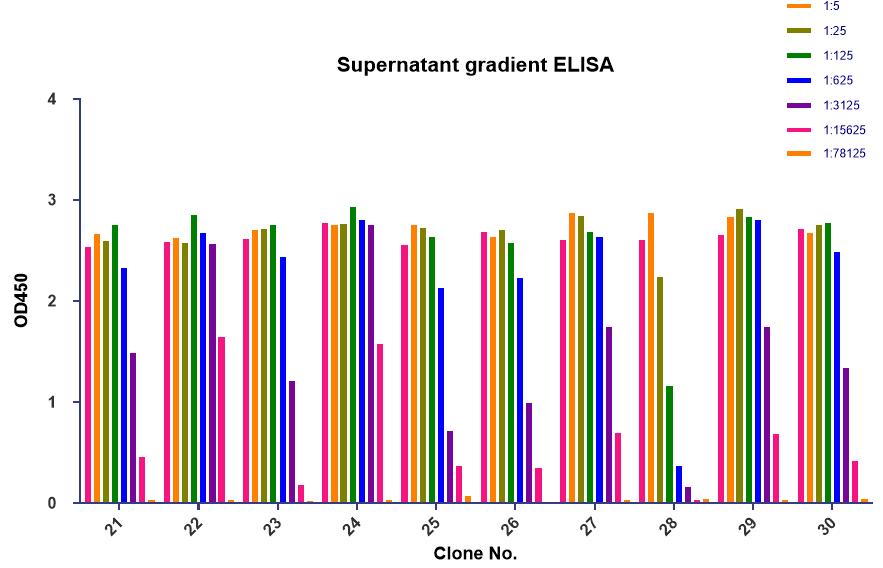
| Hybridoma screening | Hybridoma subclone supernatant gradient ELISA |
|
|
| Antibody Production | Sandwich ELISA |
|
|
Published Data
1. Monoclonal Antibody Pairs Against SARS-CoV-2 for Rapid Antigen Test
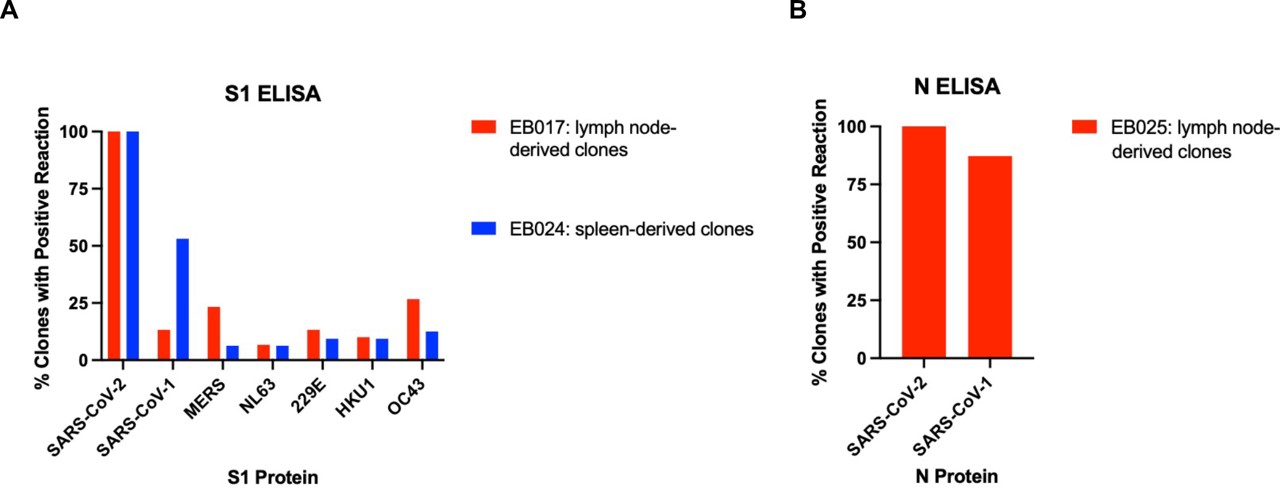 Fig.3 Binding of SARS-CoV-2 S1 and N mAbs for rapid antigen tests.2, 4
In this paper, researchers demonstrated rapid antigen tests that utilized murine-derived mAbs pairs conjugated to gold nanoparticles for detecting SARS-CoV-2, with minimal cross-reactivity to SARS-CoV-1 and other coronaviruses. They established a robust antibody screening approach to select mAb pairs targeting SARS-CoV-2 nucleocapsid (N) and spike (S) proteins. Linear epitope mapping of the mAbs revealed key interaction regions for lateral flow detection. The SARS-CoV-2 N antigen rapid test was validated using nasal swab samples, with results verified positive or negative by RT-PCR. Results were captured via mobile phone images, and signal intensities were adversely associated with RT-PCR cycle threshold (Ct) values. Overall, the developed rapid antigen tests provide an alternative tool for large-scale public health surveillance of COVID-19.
2. Development of Logic-Gated Antibody Pairs Acted on Co-Expressing Two Antigens
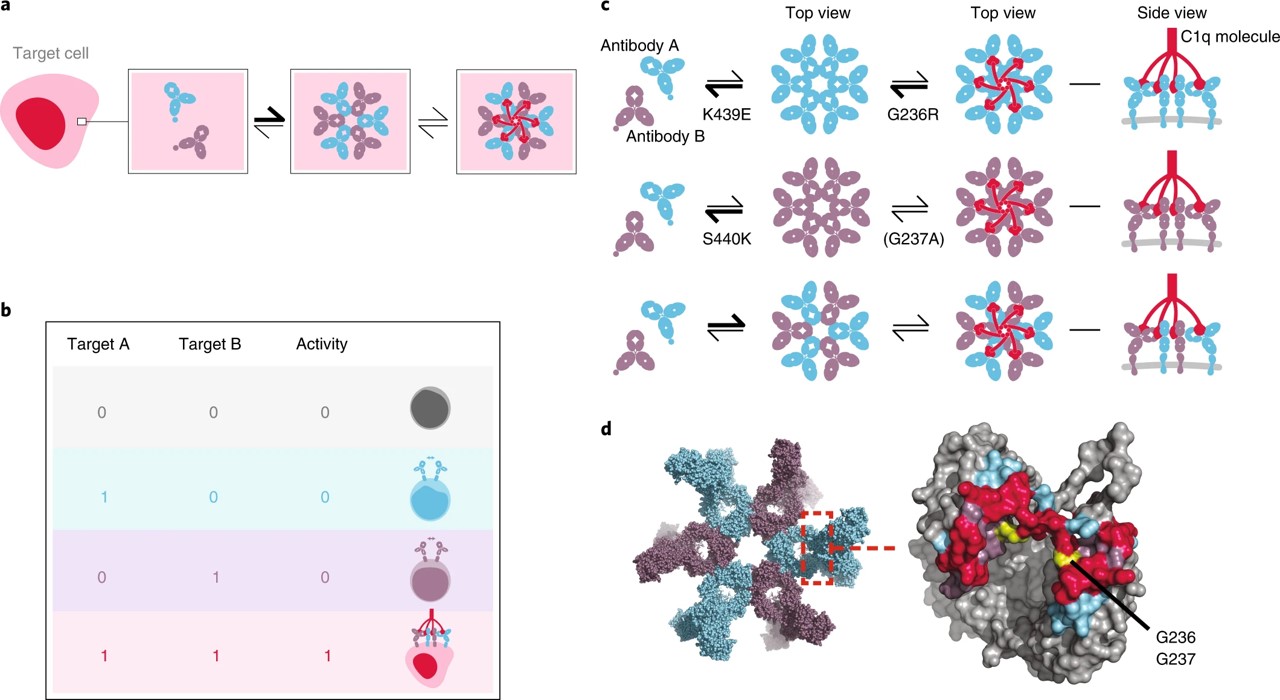 Fig.4 Design of Fc domain engineered IgG antibody pairs.3, 4
Building on previous findings, the researchers demonstrated that mAbs targeting different membrane receptors could hetero-oligomerize upon antigen binding, leading to synergistic CDC of tumor B cells. Then, the same study teams presented a general strategy to engineer IgG antibody pairs that triggered oligomerization-dependent functions only when both antibodies bound to the same target cell. This approach decouples functional activation from individual binding, allowing the antibody pairs to function as Boolean logic AND gates, integrating two binding signals into a functional outcome exclusively on cells or surfaces co-expressing both targets.
FAQs
-
Q: What disease areas and corresponding analytes can your antibodies be applied to?
A: Our antibodies can be applied to a wide range of disease areas, including but not limited to:
- Oncology: Tumor markers (e.g., PSA, CEA, HER2), growth factors, and signaling proteins.
- Immunology: Cytokines (e.g., IL-6, TNF-α), chemokines, and cell surface markers.
- Cardiology: Cardiac markers (e.g., troponin, BNP) and inflammatory mediators.
- Infectious Diseases: Viral antigens (e.g., SARS-CoV-2 proteins), bacterial antigens, and fungal antigens.
- Neuroscience: Neurotransmitters, neurotrophic factors, and disease-specific proteins (e.g., amyloid-beta).
-
Q: What target types do you handle?
A: We handle a wide variety of targets, including proteins (recombinant, native, complex mixtures), peptides, small molecules (conjugated to carrier proteins), glycoproteins, and lipoproteins.
-
Q: What antibody screening technology do you use, and which is suitable for my project?
A: We employ several advanced screening technologies: ELISA (versatile, widely used), phage display (high-affinity, specific in vitro selection), hybridoma technology (traditional monoclonal antibody production), and single B cell cloning (fully human antibodies). The optimal technology depends on your project's specifics; we collaborate to determine the best approach.
-
Q: What quality control and validation measures are in place?
A: Our stringent protocols include antigen quality control (purity, integrity), antibody specificity testing (ELISA, SPR), affinity measurement (SPR), and assay performance evaluation (sensitivity, specificity, dynamic range, batch-to-batch consistency). We also validate performance in relevant applications (e.g., ELISA, IHC) using controls and standards. We offer a comprehensive report of these tests and a related Certificate of Analysis.
-
Q: What are your advantages over similar service providers?
A: We offer a team with extensive expertise in antibody technology, customized solutions, access to cutting-edge technologies, rigorous quality control, and dedicated technical support, ensuring a collaborative partnership to achieve your research and diagnostic goals.
References
- Ziraldo, Gaia, et al. "A human-derived monoclonal antibody targeting extracellular connexin domain selectively modulates hemichannel function." Frontiers in Physiology 10 (2019): 392. doi: 10.3389/fphys.2019.00392.
- Salcedo, Nol, et al. "Monoclonal antibody pairs against SARS-CoV-2 for rapid antigen test development." PLoS Neglected Tropical Diseases 16.3 (2022): e0010311. doi: 10.1371/journal.pntd.0010311.
- Oostindie, Simone C., et al. "Logic-gated antibody pairs that selectively act on cells co-expressing two antigens." Nature Biotechnology 40.10 (2022): 1509-1519. doi: 10.1038/s41587-022-01384-1.
- Distributed under Open Access license CC BY 4.0, without modification.
- Hagström, Anna EV, et al. "Sensitive detection of norovirus using phage nanoparticle reporters in lateral-flow assay." PloS One 10.5 (2015): e0126571. doi: 10.1371/journal.pone.0126571.
For Research Use Only.