Measurement of BAZ2A expression levels in primary tumor tissue assists in identifying patients at high risk for biochemical recurrence. This analysis provides independent prognostic value, complementing Gleason scores and PSA levels to refine post-surgical monitoring strategies.
Creative Biolabs' team provides a sophisticated epigenetic platform for BAZ2A Analysis, offering multiple strategy options to help clients decode chromatin remodeling mechanisms. Our services support academic research in prostate cancer diagnosis and postoperative recurrence prediction through high-precision protein and genomic quantification.
BAZ2A in Cancers
- Prostate Cancer
Studies have shown that high and low expression of BAZ2A can be considered as subtypes of two prostate tumors. Hypermethylation in tumors with high BAZ2A levels was strongly enriched in multi-combination regions compared to normal prostate tissue. Thus, elevated BAZ2A levels are associated with extensive epigenetic remodeling, including functional regions such as promoter and enhancer regions, and multi-combination domains.
BAZ2A related DNA methylation changes involved many genes and pathways known to be associated with prostate cancer, including hypermethylation of prostate cancer-related gene promoters and known inhibition of androgen receptor expression. In prostate tumor cells, 352 genes were suppressed after BAZ2A knockout. And BAZ2A is highly expressed in metastatic prostate cancer.
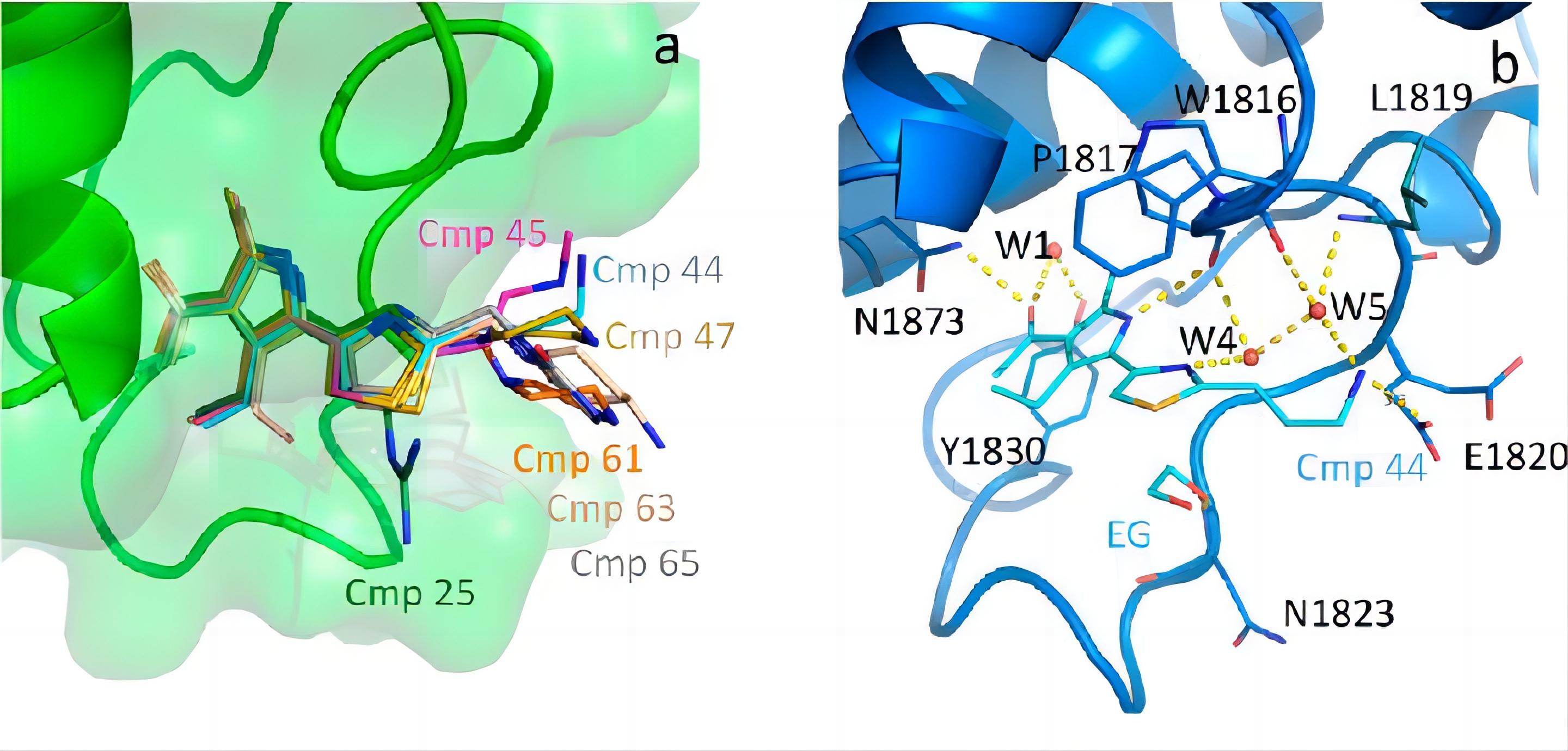 Fig.1 Binding conformation of acetylpyrrole within the BAZ2A bromodomain.1
- Other Cancers
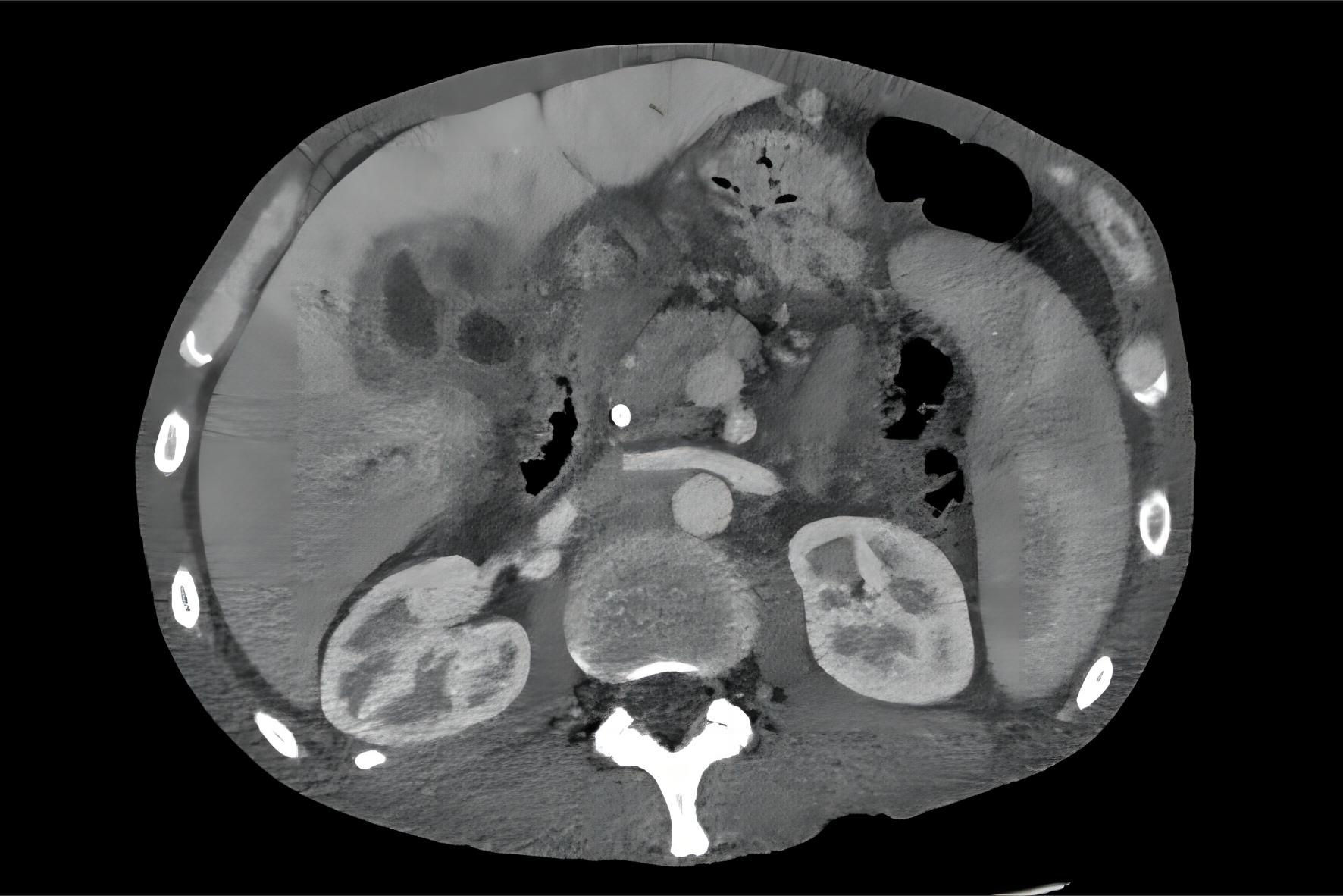 Distributed under CC BY-SA 3.0, from Wiki,
without modification. Liver Cancer
Distributed under CC BY-SA 3.0, from Wiki,
without modification. Liver Cancer
The high expression of BAZ2A in liver cancer cells has certain influence on the migration and invasion ability of liver cancer cells. The migration and invasion ability of liver cancer cells can be reduced by inhibiting the expression of BAZ2A, to achieve the effect of tumor inhibition.
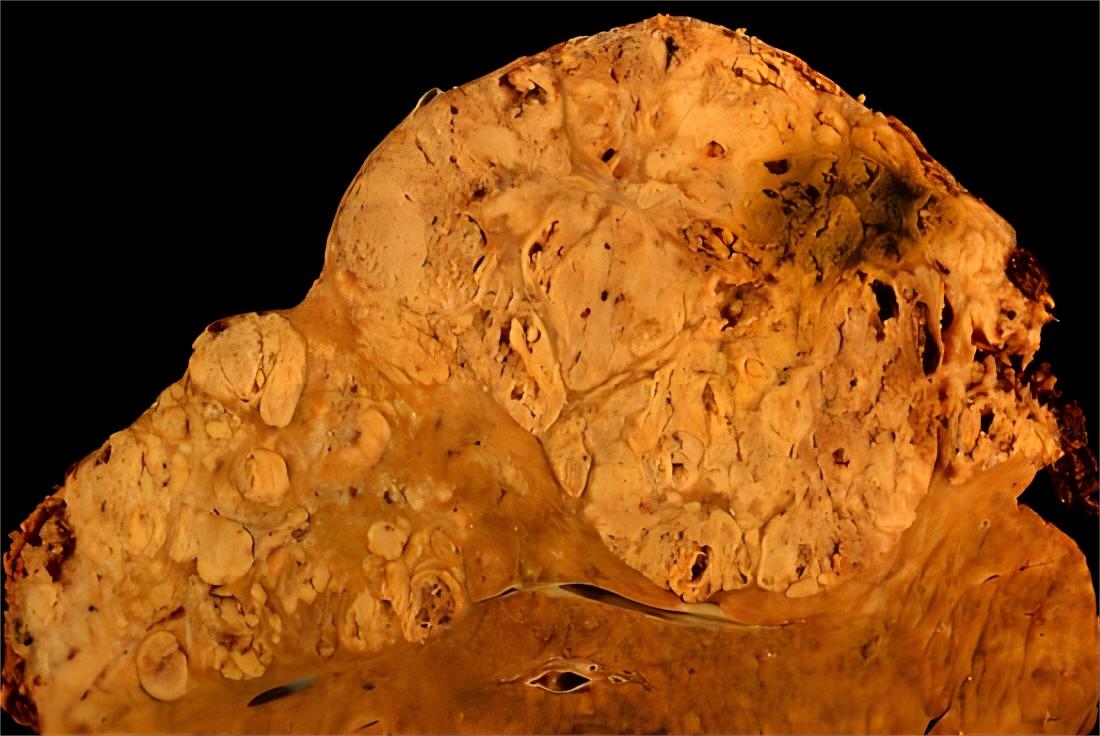 Distributed under public domain, from Wiki,
without modification. Hepatocellular Carcinoma
Distributed under public domain, from Wiki,
without modification. Hepatocellular Carcinoma
In the progression of hepatocellular carcinoma (HCC), BAZ2A gene is up-regulated in HCC tissues, promoting the proliferation, colony formation, migration and EMT of HCC cells.
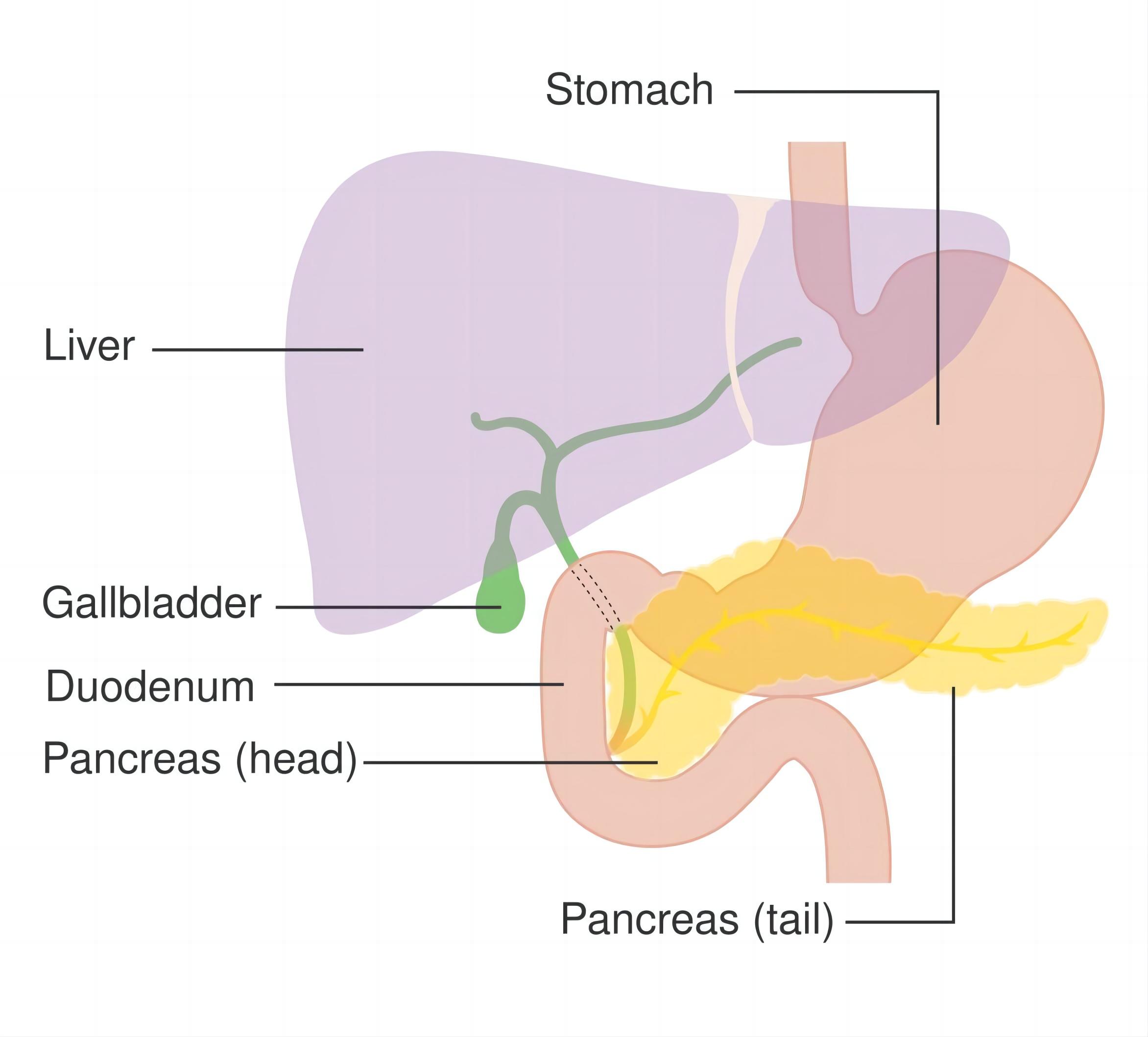 Distributed under CC BY-SA 4.0, from Wiki,
without modification. Pancreatic Cancer
Distributed under CC BY-SA 4.0, from Wiki,
without modification. Pancreatic Cancer
The abnormal expression of BAZ2A in pancreatic cancer can be used as one of the candidate diagnostic markers.
BAZ2A Analysis Services at Creative Biolabs
Our BAZ2A analytical suite is designed to address the challenges of targeting "shallow" bromodomain pockets. We offer customized workflows to investigate how BAZ2A exerts its carcinogenic effects throughout cancer progression.
- BAZ2A Antibody Development
We engineer high-affinity monoclonal and polyclonal antibodies validated for IHC and ChIP-seq, ensuring minimal cross-reactivity with BAZ2B paralogues during complex epigenetic mapping.
- BAZ2A Protein Expression
Utilizing ultrasensitive Western Blotting and ELISA techniques, we quantify endogenous BAZ2A levels across diverse cell lines and patient-derived xenograft (PDX) models.
- BAZ2A Complexes Protein Expression
We analyze the assembly of the NoRC complex using Co-IP and Blue Native PAGE to determine BAZ2A’s association with HDAC1 and SNF2H.
- BAZ2A Sequence Assay
Our NGS platform identifies BAZ2A mutations and splice variants, providing a comprehensive genetic profile of the bromodomain and TAM modules in clinical samples.
- BAZ2A-KO Cell Line Construction
Leveraging gene editing technology, we generate stable BAZ2A knockout models to facilitate functional loss-of-function studies and validate downstream signaling pathways.
- BAZ2A Inhibitor Screening Assay
We utilize technologies to identify small molecules capable of disrupting the BAZ2A bromodomain-histone interaction with high throughput efficiency.
- BAZ2A Immunohistochemical Analysis
Our pathologists provide semi-quantitative scoring of BAZ2A nuclear staining in paraffin-embedded tissues, essential for correlating protein density with clinical recurrence data.
- BAZ2A Immunofluorescence Analysis
High-resolution confocal microscopy tracks BAZ2A translocation between the nucleolus and nucleoplasm, visualizing real-time epigenetic remodeling in response to therapeutic stimuli.
- BAZ2A Mass Spectrometry Analysis
We employ LC-MS/MS to identify post-translational modifications on BAZ2A and map its dynamic interactome under different cellular stress conditions.
- BAZ2A Methylation Assay
This service evaluates the DNA methylation status of rDNA promoters, quantifying BAZ2A’s direct impact on epigenetic silencing and transcriptional repression.
- BAZ2A Cell Proliferation Assay
Using MTT and BrdU labeling, we measure the phenotypic impact of BAZ2A modulation on the growth kinetics of aggressive cancer cell populations.
- BAZ2A Cell Apoptosis Assay
We characterize the induction of programmed cell death following BAZ2A inhibition using Annexin V staining and caspase activity measurements.
Service Workflow
The BAZ2A analysis workflow is executed through a rigorous, step-by-step industrial process to ensure maximum data reliability:
01Technical Consultation
We begin with a deep-dive consultation to define project goals, focusing on BAZ2A's role in specific disease models or drug discovery pipelines.
02Sample Submission
Clients provide initial materials, such as purified BAZ2A protein, cell pellets, or stabilized clinical biopsies. We conduct a preliminary Quality Control (QC) check to ensure sample viability.
03Experimental Execution
Our specialists perform the selected BAZ2A analysis (e.g., bromodomain binding or complex assembly) using optimized buffers that stabilize the BAZ2A-NoRC interaction.
04Data Processing & Integration
We utilize advanced bioinformatics to correlate experimental results with existing BAZ2A literature, ensuring a holistic understanding of the results.
05Final Delivery
We provide a comprehensive report containing raw BAZ2A quantification data, high-resolution imagery, and expert interpretations of BAZ2A's functional status within the provided samples.
Applications
Prostate Cancer Risk Stratification
Epigenetic Drug Discovery
Quantifying the binding affinity of novel bromodomain inhibitors to BAZ2A facilitates lead optimization. Accurate structural analysis of the shallow binding pocket ensures the development of potent compounds that can effectively displace acetylated histones in oncogenic environments.
Cancer Stemness Research
Assessing BAZ2A activity provides insights into the maintenance of the cancer stem cell pool. By mapping BAZ2A-bound enhancers, researchers can determine how this protein prevents differentiation and contributes to the survival of therapy-resistant cell subpopulations.
Ribosomal DNA Silencing Studies
Analysis of BAZ2A-mediated heterochromatin formation at rDNA promoters clarifies the regulation of protein synthesis. This application is vital for understanding cellular hypertrophy and the metabolic reprogramming required for rapid malignant cell proliferation in various solid tumors.
Transcriptional Regulatory Mapping
Characterizing the interaction between BAZ2A and EZH2 uncovers the mechanisms of tumor suppressor gene repression. This application reveals how BAZ2A acts as a scaffold for multiple chromatin-modifying enzymes to orchestrate broad-spectrum gene silencing in metastatic disease.
Therapeutic Synergy Screening
BAZ2A analysis is used to evaluate the effectiveness of combination therapies. Identifying synergistic growth inhibition when BAZ2A blockers are paired with BET inhibitors or standard chemotherapeutics helps optimize multi-targeted treatment regimens for heterogeneous tumor types.
Service Highlights
- Exceptional Paralogue Selectivity: Our assays are meticulously designed to distinguish BAZ2A from its close relative BAZ2B, ensuring that the analytical data reflects the specific oncogenic activity of the target.
- Structural Analysis Expertise: We specialize in characterizing the difficult-to-drug shallow pocket of the BAZ2A bromodomain, providing higher resolution than standard biophysical service providers.
- Integrated Multi-Omics Platform: By combining proteomic quantification with methylation assays, we deliver a holistic view of the BAZ2A-mediated epigenetic landscape in a single study.
- Diagnostic Grade Histopathology: Our IHC and IF services utilize proprietary, high-sensitivity antibodies and standardized scoring systems, providing rigorous data that is directly translatable to diagnostic prognostic research and patient stratification.
FAQs
-
Q: Which specific domains of BAZ2A are most critical for your inhibitor screening services?
A: While the bromodomain is the primary target for small molecules, our assays also evaluate the PHD and TAM domains. These modules are essential for the full "reader" function and DNA binding, and targeting them provides a more comprehensive assessment of therapeutic efficacy.
-
Q: Can you provide BAZ2A analysis for non-prostate cancer models, such as hepatocellular carcinoma?
A: Yes, our platform is adaptable to any biological system where BAZ2A-mediated silencing is suspected. We have extensive experience validating BAZ2A's role in various solid tumors and can customize our protocols to suit different tissue types and metabolic profiles.
-
Q: How does your BAZ2A IHC service handle the high background often seen with nucleolar proteins?
A: We utilize a specialized antigen retrieval protocol and proprietary blocking buffers to minimize non-specific signals. This ensures that the BAZ2A staining is localized accurately to the nucleolus or nucleoplasm, allowing for precise quantification of its expression.
-
Q: Are your BAZ2A antibodies compatible with Chromatin Immunoprecipitation (ChIP) assays?
A: Absolutely, we develop and validate antibodies specifically for "ChIP-grade" performance. These reagents are tested for their ability to pull down BAZ2A-bound chromatin fragments, enabling the mapping of its global distribution across the genome and its specific enrichment at rDNA promoters.
-
Q: Can your platform measure the kinetics of BAZ2A-pRNA binding?
A: We utilize Isothermal Titration Calorimetry (ITC) and Surface Plasmon Resonance (SPR) to quantify the binding affinity between the BAZ2A TAM domain and regulatory pRNA. This is crucial for understanding how the protein is recruited to the nucleolar remodeling site.
-
Q: Does your BAZ2A sequence assay include the detection of epigenetic variants or just genetic mutations?
A: Our molecular platform primarily identifies genetic sequence variations; however, we can combine this with Bisulfite Sequencing to simultaneously analyze the methylation status of the BAZ2A gene promoter, providing insight into its own epigenetic regulation.
Creative Biolabs provides the highest quality custom BAZ2A analysis services to drive your epigenetic research forward. Our years of expertise ensures precise, actionable data for drug discovery and diagnostics. Contact us today to discuss your project.
Reference
- Dalle Vedove, Andrea, et al. "Identification of a BAZ2A-bromodomain hit compound by fragment growing." ACS Medicinal Chemistry Letters 13.9 (2022): 1434-1443. Distributed under Open Access license CC BY 4.0. The image was modified by extracting and using only part of the original image. https://doi.org/10.1021/acsmedchemlett.2c00173.
For Research Use Only.