Fluorescent dyes are extensively employed for labeling diverse biomolecules, including peptides, proteins, antibodies, and nucleic acids, enabling the precise visualization of cellular structures and dynamic processes. This capability allows scientists to investigate intricate cellular mechanisms, analyze protein mobility and localization, delineate protein-protein interactions, characterize gene expression profiles, and accurately pinpoint the subcellular distribution of specific molecules.
Creative Biolabs provides comprehensive fluorescent dye labeling services for global research and commercial applications. Leveraging extensive expertise in bioconjugation, our custom fluorescent antibody and protein labeling services encompass both experimental design and the development of optimized protocols for preparing conjugates suitable for diverse detection systems.
Introduction of Fluorescent Dye Labeling
Fluorescent dye labeling, often referred to as a fluorescent tag or probe, involves the precise chemical binding of specialized dyes to biomolecules like proteins, antibodies, amino acids, or nucleic acids. Crucially, fluorescent assays can be performed in real-time and directly in solution, offering unparalleled high-time resolution and exquisite sensitivity down to individual molecules. The advantages of employing a precisely labeled biomolecule are numerous: it typically maintains the target molecule's native folding and function, delivers a brighter signal, facilitates multiplexing capabilities for simultaneous detection of multiple targets, and simplifies downstream experimental procedures, often with pre-conjugated, readily available reagents. This level of detail and control is what allows researchers to truly illuminate the intricate world of cellular biology.
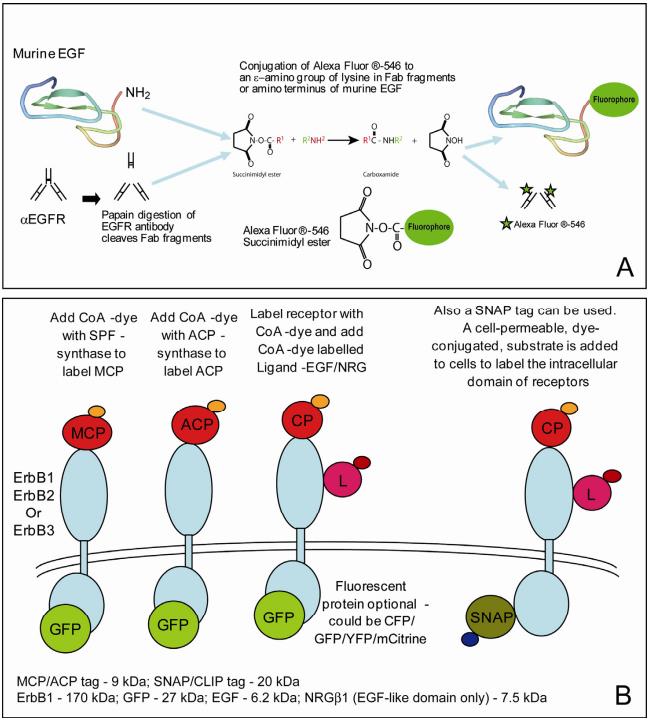 Fig.1 Illustration of methods used for fluorescence labeling.1,4
Fluorescent Dyes Labeling Services Provided by Creative Biolabs
With extensive experience and professional scientists, Creative Biolabs can conjugate your antibody or protein to numerous fluorescent dyes. To verify that the observed fluorescence is a result of staining rather than an unspecific artifact, our skilled staff will work closely with you to help select the most suited dye and labeling site according to your specific requirements. Starting from customer-supplied antibodies or Creative Biolabs generated custom antibodies, we deliver fluorescent dyes labeled antibodies in a relatively short duration. Furthermore, each labeled service is meticulously monitored by our quality assurance center. The fluorescent dyes we can offer are shown below, which include but are not limited to:
- BODIPY Derivatives
- Rhodamine Derivatives
- Lucifer Yellow Derivatives
- Coumarin Derivatives
- Fluorescein Derivatives
- Enzyme
- Organometallic Compound
- Cascade Blue Derivatives
- Phycobiliprotein Derivatives
Applications of Fluorescent Dye Labeling
Bioimaging
Flow Cytometry
In flow cytometry, fluorescent dyes are indispensable for the labeling and subsequent analysis of cells based on their intrinsic physical and chemical properties. The simultaneous use of multiple distinct dyes facilitates the identification and quantification of specific cell populations, enables robust measurements of cell viability, and permits accurate assessment of cell cycle progression. This strategy is routinely applied in clinical laboratories for disease diagnosis and for evaluating the efficacy of therapeutic interventions.
Immunohistochemistry
Fluorescent dyes are integral to immunohistochemistry techniques, where they are utilized to specifically label target antigens within tissue sections. This application enables the clear visualization and precise localization of proteins or other biomarkers of interest within complex tissue architectures. Such capabilities are crucial for accurate disease diagnosis, for elucidating fundamental cellular functions, and for comprehensive studies of tissue development.
Molecular Biology Research
In molecular biology research, fluorescent dyes are extensively utilized for labeling DNA, RNA, and other macromolecules. They are integral to methodologies such as fluorescence in situ hybridization (FISH), polymerase chain reaction (PCR), and advanced DNA sequencing techniques. These applications enable the precise detection and analysis of specific nucleic acid sequences, facilitate comprehensive gene expression profiling, and support accurate genetic mapping.
Drug Discovery and Development
Fluorescent dyes play a critical role in drug discovery and development, providing invaluable tools for investigating drug-target interactions, evaluating therapeutic efficacy, and assessing the cellular uptake and intracellular distribution of prospective pharmaceutical agents. Their utility is paramount in high-throughput screening assays and is fundamental to the development of sophisticated drug delivery systems.
Published Data
1. Fluorescent Probe for Optical Fluorescence Imaging of Native Proteins
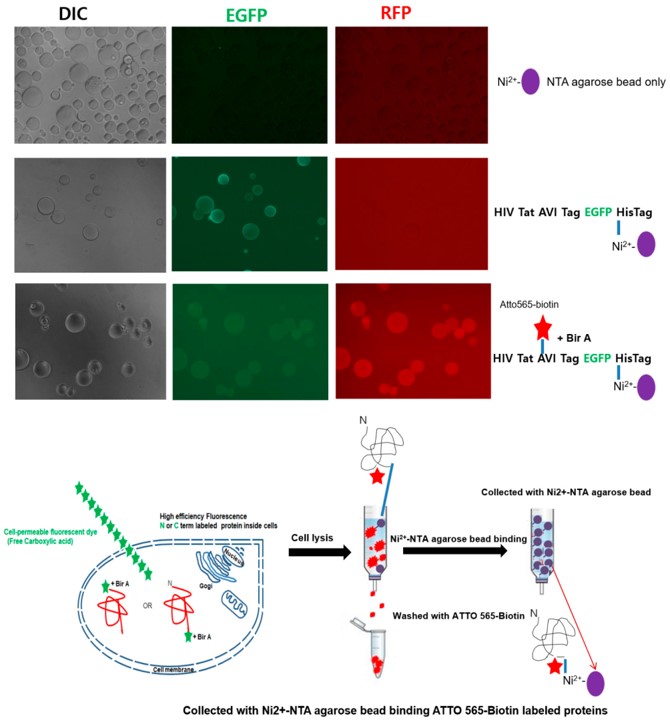 Fig.2 Detection of the Fluorescently Labeled NPI.2,4
This study showcased a highly sensitive fluorescence imaging technique for visualizing a single native protein of interest (NPI), utilizing a eukaryotic translation system that incorporated a cell-permeable fluorescent dye with a free carboxyl group. In living cells, the carboxyl group of the dye interacted with lysine residues on acceptor peptides, and the genetically encoded recognition system achieved nearly 100% fluorescence labeling efficiency. Nickel-nitrilotriacetic acid (Ni-NTA) beads efficiently bound the labeled NPI for detection directly in cells, without the need for purification. The labeling strategy met key criteria for fluorescent NPI measurement using universal carboxyl fluorescent dyes. This approach holds promise for investigating complex biological and ecological processes, enabling single-molecule analysis, and ultra-sensitive NPI detection in nanotechnology applications.
2. Fluorescent Dyes Labeling in Nanoscale Flow Cytometry
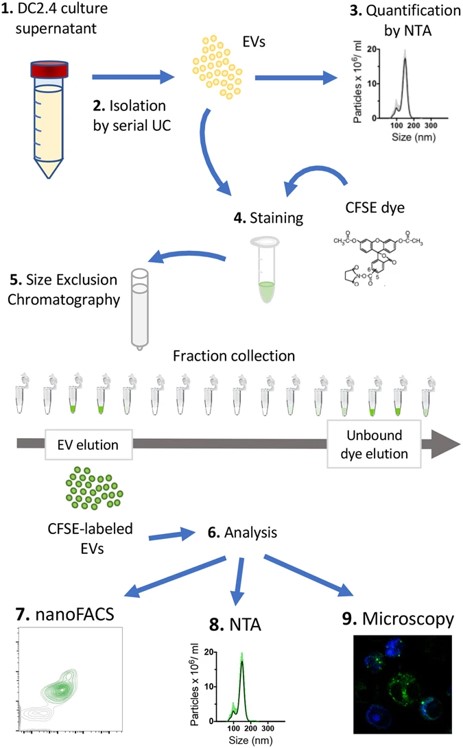 Fig.3 Working strategy of the methods described in this study.3,4
Emerging high-resolution cytometric methods have increased the need for efficient fluorescent labeling techniques to visualize and detect extracellular vesicles (EVs). These labels must be bright enough to detect individual EVs without generating artifacts. This study introduced nanoFACS, a high-resolution flow cytometry method that combined light scattering, fluorescence parameters, and sample enumeration to assess various labels. The approach efficiently stained single EVs, maximizing the fluorescence signal-to-background ratio while preserving functional EV properties. Specifically, researchers compared lipid-, protein-, and RNA-based staining methods and developed this strategy using the amine-reactive fluorescent label 5-(and-6)-Carboxyfluorescein Diacetate Succinimidyl Ester and size exclusion chromatography to remove excess label.
Features of Our Services
Diverse Dye Selection
An expansive library of fluorescent dyes is available, spanning a broad spectral range. This ensures optimal brightness and signal separation for your multiplexing assays, perfectly matching diverse imaging and detection system requirements.
Unmatched Expertise & Quality
Backed by over two decades of specialized conjugation experience, our team applies advanced, validated technologies. This deep expertise ensures precise, controlled labeling, rigorously preserving biomolecule function and delivering consistent, reproducible results vital for scientific discovery.
Enhanced Bioconjugate Stability
Beyond mere labeling, advanced protocols are employed to enhance the long-term stability of your fluorescent conjugates. This crucial feature ensures the integrity and performance of your labeled molecules are maintained throughout your experimental timeline.
Efficiency & Value
A streamlined service offers remarkably fast turnaround times. Outsourcing labeling needs eliminates the complexities and time investment of in-house conjugation, allowing your team to focus on critical data analysis. This efficiency translates directly into a cost-effective solution.
Comprehensive Technical Support
Beyond product delivery, full technical support is provided. Expert assistance is readily available for experimental design, dye selection, troubleshooting, and detailed data interpretation, ensuring maximum insight from your fluorescently labeled biomolecules.
Q&A
-
Q: How do you ensure the labeled biomolecule retains its biological activity and function?
A: Preserving biological function is paramount in our labeling process. We employ optimized conjugation chemistries and precise reaction conditions that minimize disruption to critical binding sites or active domains. Following labeling, every batch undergoes rigorous quality control (QC), which includes specific functional validation assays tailored to the biomolecule's intended use, such as binding affinity tests or enzymatic activity assays, ensuring performance integrity.
-
Q: What QC measures are performed on the labeled products?
A: Our commitment to quality is supported by a multi-faceted QC approach. Each labeled product undergoes comprehensive analytical characterization, including UV-Vis spectrophotometry to determine the degree of labeling (DOL), high-performance liquid chromatography (HPLC) or size exclusion chromatography (SEC) for purity assessment, and SDS-PAGE to confirm successful conjugation and homogeneity. We also provide specific functional validation data upon request.
-
Q: Can I provide my own fluorescent dye or biomolecule for labeling?
A: Absolutely. We welcome clients to supply their own purified biomolecules for conjugation, ensuring consistency with your existing research materials. While we offer an extensive selection of common and specialized fluorescent dyes, we can also perform labeling with client-supplied dyes, provided they meet our quality specifications and are compatible with our established conjugation chemistries.
-
Q: How do you handle sensitive or low-concentration biomolecule samples?
A: Handling sensitive or precious samples with utmost care is a pillar of our service. We employ specialized, gentle conjugation techniques and utilize optimized, low-volume reaction conditions to minimize sample loss or degradation. Our processes are designed to work effectively with challenging or dilute samples, ensuring maximum recovery and functional integrity of your valuable biomaterial.
-
Q: Do you offer site-specific labeling, or is your conjugation chemistry random?
A: We employ a range of conjugation chemistries, including both highly controlled and site-specific approaches where appropriate and feasible. While many standard services utilize efficient random labeling methods, our expertise allows us to mitigate their potential drawbacks through optimized conditions and rigorous purification. For specific projects requiring absolute homogeneity and precise label placement, we can discuss and implement advanced site-specific conjugation strategies.
-
Q: What is the recommended storage and shelf life for the labeled products?
A: The storage conditions and shelf life of labeled products can vary depending on the specific biomolecule and conjugated dye. Generally, we recommend storing fluorescently labeled proteins and antibodies at -20°C or -80°C in the dark, often in a cryoprotectant buffer. Detailed storage instructions, including recommended buffer conditions and projected shelf life (typically 6-12 months or longer when stored optimally), will be provided with each delivered product.
Creative Biolabs offers an extensive range of fluorescent dye labeling services for global researchers in the highest-quality and cost-effective way. If you are interested in how we can help you with the development of your programs, please feel free to contact us and get more detailed information.
References
- Martin-Fernandez, Marisa L., and David T. Clarke. "Single molecule fluorescence detection and tracking in mammalian cells: the state-of-the-art and future perspectives." International Journal of Molecular Sciences 13.11 (2012): 14742-14765.
- Kim, Jung Min, and Young-Mi Kang. "Optical Fluorescence Imaging of Native proteins using a fluorescent probe with a cell-membrane-permeable carboxyl group." International journal of molecular sciences 23.10 (2022): 5841.
- Morales-Kastresana, Aizea, et al. "Labeling extracellular vesicles for nanoscale flow cytometry." Scientific reports 7.1 (2017): 1878.
- Distributed under Open Access license CC BY 4.0, without modification.
For Research Use Only.