Mouse pAbs offer a cost-effective solution for generating antibodies for various research applications. Our services provide high-titer pAbs with good specificity.
Through years of professional service experience for our worldwide clients, Creative Biolabs is a pioneer in the in vitro diagnostic (IVD) field in the domestic and international markets. Our well-established IVD antibody development infrastructure enables multidisciplinary teams to deliver premium monoclonal antibody (mAbs) production services for diverse diagnostic and research applications. Technical proficiency combined with innovative systems guarantees the creation of antibodies demonstrating rigorous specificity and reproducibility aligned with project parameters.
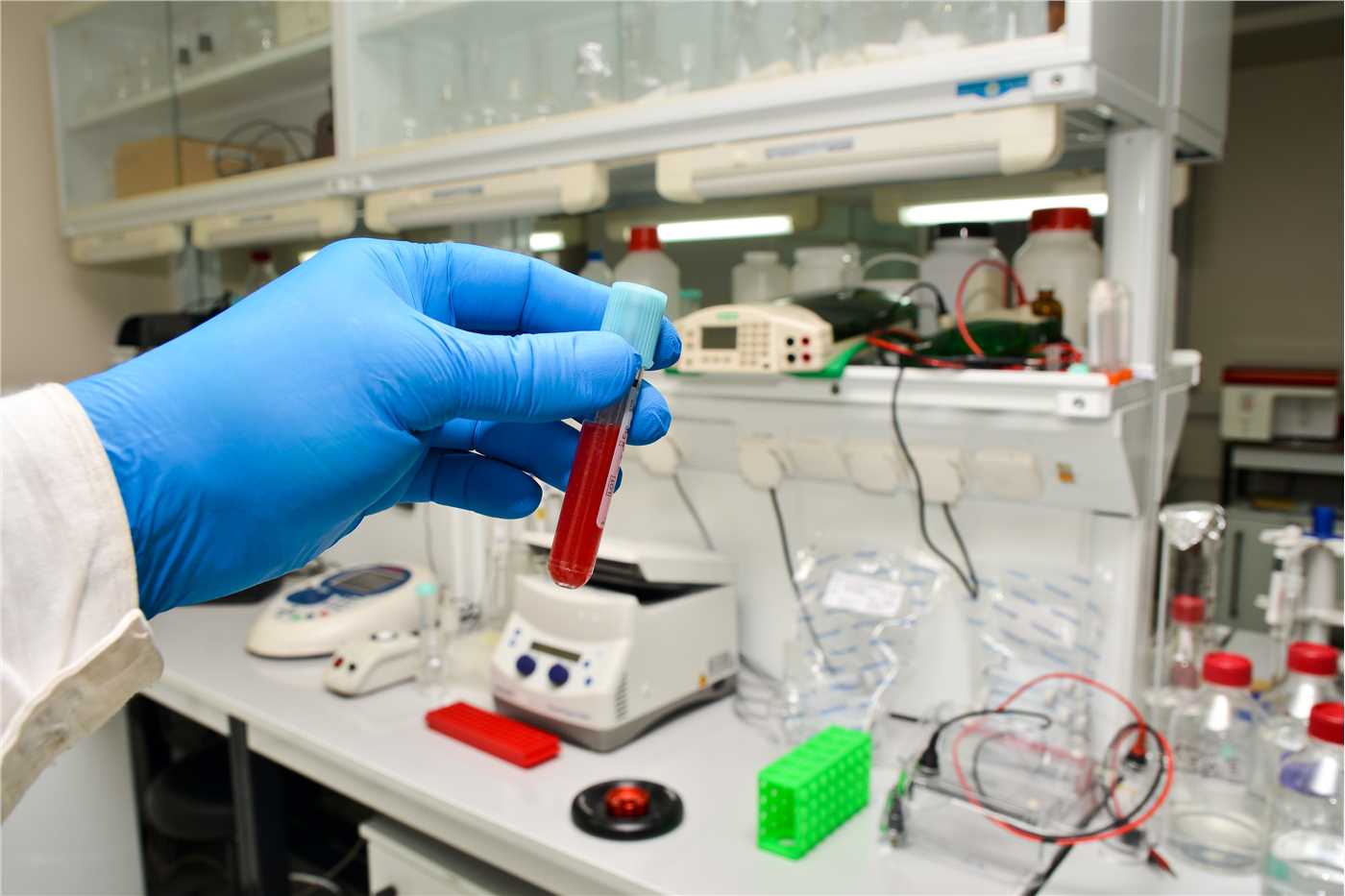
Introduction
Polyclonal antibodies are a mixture of antibodies that recognize different epitopes on the same antigen. This broad specificity offers several advantages, including increased likelihood of detection, even with slight antigen alterations, and high avidity due to multiple binding sites. In many cases, pAbs can be produced more quickly and at a lower cost than monoclonal antibodies, making them valuable tools in research, diagnostics, and therapeutics.
Optional Host Species
We offer a wide range of host species and customized configurations for polyclonal antibody development. Among the host species we serve are, but are not restricted to:
Mouse Polyclonal Antibody Development
Rabbit Polyclonal Antibody Development
Rabbits are the most commonly used species for pAb production due to their convenient size, ease of handling, and ability to generate high-titer, high-affinity antibodies. We offer comprehensive rabbit pAb development services, delivering exceptional results.
Goat Polyclonal Antibody Development
Goats are ideal for large-scale pAb production. They produce a larger amount of serum compared to rabbits, making them a cost-effective choice when a high volume of antibodies is required. Our goat pAb services are designed for bulk production needs.
Chicken Polyclonal Antibody Development
Chickens offer a unique advantage in pAb production. Antibodies are collected from egg yolks (IgY), which simplifies the process. Chicken IgY antibodies may also exhibit stronger responses to certain antigens, such as highly conserved mammalian antigens.
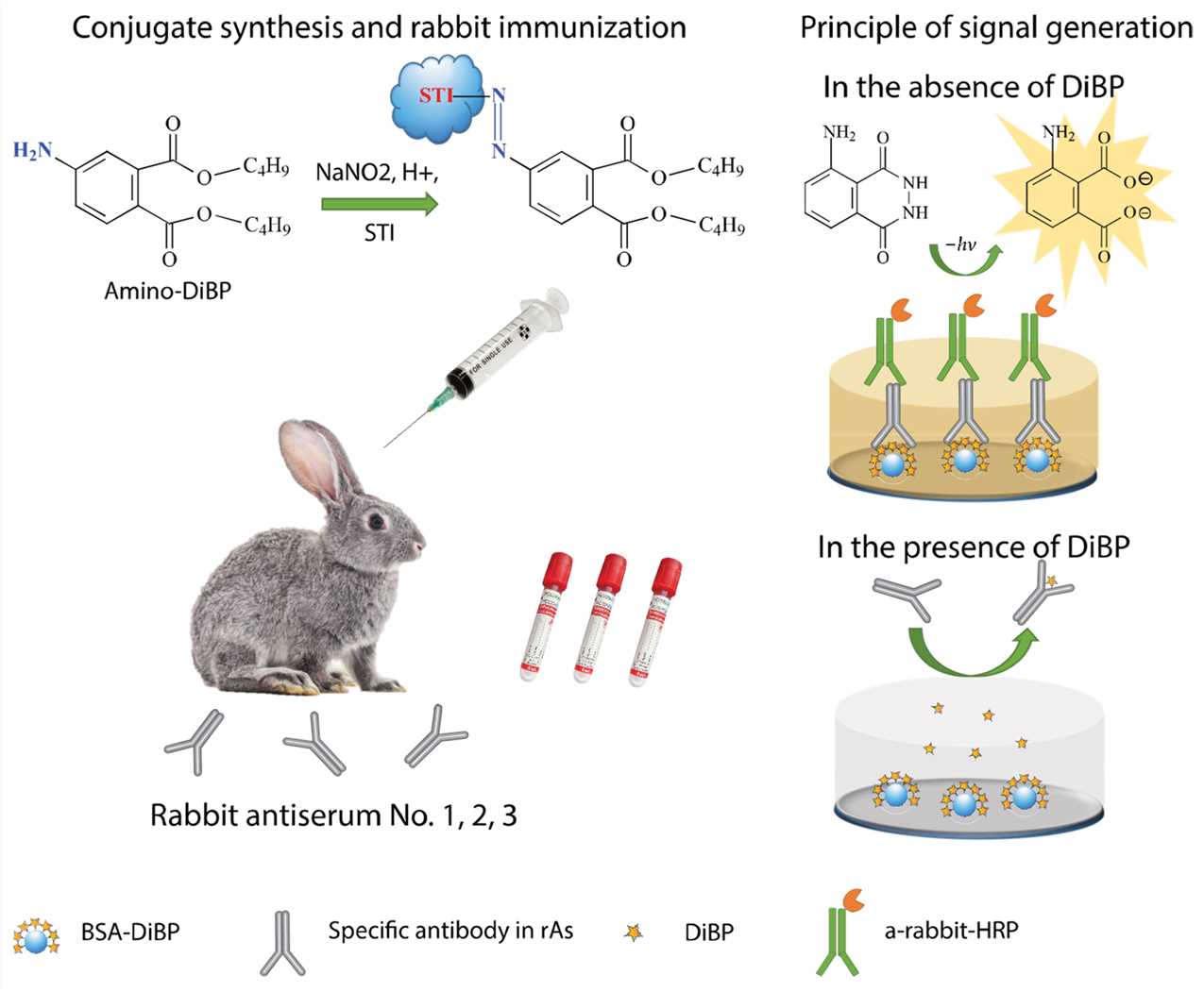 Fig.1 Strategy of rabbit polyclonal antibody development.1,5
Polyclonal Antibody Development Service
Antigen Design and Synthesis
Antigen design is critical for successful antibody generation. We employ advanced bioinformatics tools and consider factors such as antigen size, structure, solubility, and immunogenicity to design the most effective antigen. Our synthesis capabilities include peptide synthesis, gene synthesis, and recombinant protein expression in various systems (E. coli, yeast, mammalian cells). We also offer conjugation services to link antigens to carriers like KLH or BSA, enhancing their immunogenicity.
Animal Immunization
Our animal immunization protocols are tailored to the specific antigen and host species. We consider factors such as the number of immunizations, the amount of antigen per injection, the route of administration (e.g., subcutaneous, intramuscular), and the use of adjuvants. We work with a variety of animal species, including rabbits, goats, mice, and chickens, and our facilities adhere to the highest standards of animal care and welfare.
Immunization Protocol Optimization
Adjuvants are substances that enhance the immune response to an antigen. We have extensive experience with a wide range of adjuvants, including Freund's complete and incomplete adjuvants, as well as newer, less toxic options. We carefully select the most appropriate adjuvant for each project based on the antigen, host species, and desired immune response. We also optimize the timing and frequency of injections to ensure optimal antibody production.
Serum Collection and Processing
Serum collection is performed using minimally invasive techniques to ensure the well-being of the animals. We collect serum at appropriate intervals after immunization, based on the immunization schedule and antibody titer. The collected serum is then processed to remove cells and other debris and stored under optimal conditions to maintain antibody stability.
Antibody Purification
We offer a range of purification methods to isolate and purify the pAbs, including:
Protein A/G affinity chromatography: This method utilizes the affinity of Protein A or G for the Fc region of IgG antibodies, allowing for the efficient purification of IgG from serum.
Antigen affinity chromatography: This is the most specific purification method, where the antigen is immobilized on a solid support, and the antibodies that specifically bind to the antigen are isolated.
Other purification methods: We also offer other purification methods, such as ion exchange chromatography and ammonium sulfate precipitation, depending on the specific requirements of the project.
Antibody Labeling
We provide antibody labeling services with various labels, including:
HRP (Horseradish Peroxidase): HRP-conjugated antibodies are commonly used in ELISA and WB.
FITC (Fluorescein Isothiocyanate): FITC-conjugated antibodies are used in immunofluorescence and flow cytometry.
Other labels: We also offer labeling with other enzymes, fluorescent dyes, and biotin, according to your specific application.
Quality Control and Testing
We perform rigorous quality control and testing to ensure the specificity, affinity, and performance of the produced antibodies. Our quality control assays, including ELISA, Western Blot, flow cytometry, and immunohistochemistry, adhere to strict quality standards throughout the entire process to ensure the specificity, affinity, and performance of the produced antibodies.
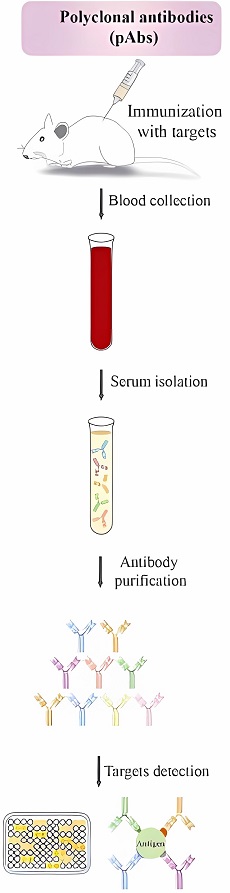 Fig.2 Production of polyclonal antibodies.2
Customization Options:
- Special immunization strategies: We can tailor immunization protocols to address challenges like low immunogenicity or tolerance. For low immunogenicity, strategies include strong adjuvants, prime-boost immunization, or carrier proteins. For tolerance, techniques like peptide or DNA immunization are available.
- Specific purification methods: We can adapt purification protocols to meet your needs, including specialized affinity matrices. Beyond Protein A/G and antigen affinity chromatography, we offer methods like ion exchange, hydrophobic interaction, or size exclusion chromatography, and create custom affinity matrices.
- Antibody titer and affinity requirements: We work with you to define and meet your antibody titer and affinity requirements. We measure titer using ELISA and affinity using surface plasmon resonance (SPR), and adjust protocols to achieve your specifications.
- Special packaging and transportation: We provide customized packaging and transportation solutions, including various packaging options (vials, bottles, lyophilized formats) and accommodate specific shipping requirements like temperature control.
We are committed to the highest quality products and services, ensuring data accuracy and consistent antibody production through strict protocols and validated methods. Our dedicated technical support offers comprehensive assistance, including protocol consultation, application suggestions, and after-sales service, to ensure complete customer satisfaction.
Applications of Polyclonal Antibody
Drug Development: pAbs are used in the development of novel therapeutics, particularly in areas like toxin neutralization and anti-venom production.
Disease Diagnosis: pAbs are employed in various diagnostic assays, such as ELISA, WB, and immunohistochemistry, for the detection of specific antigens.
Biomarker Discovery: pAbs can be used to identify and validate biomarkers, aiding in disease research and understanding biological processes.
Basic Scientific Research: pAbs are valuable reagents in a wide array of research applications, including protein detection, purification, and functional studies.
Case Study
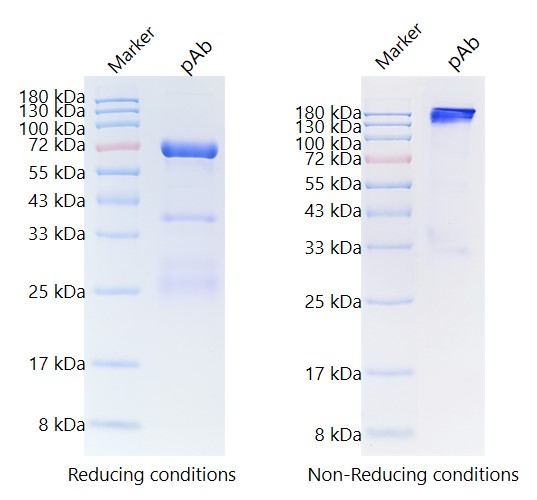
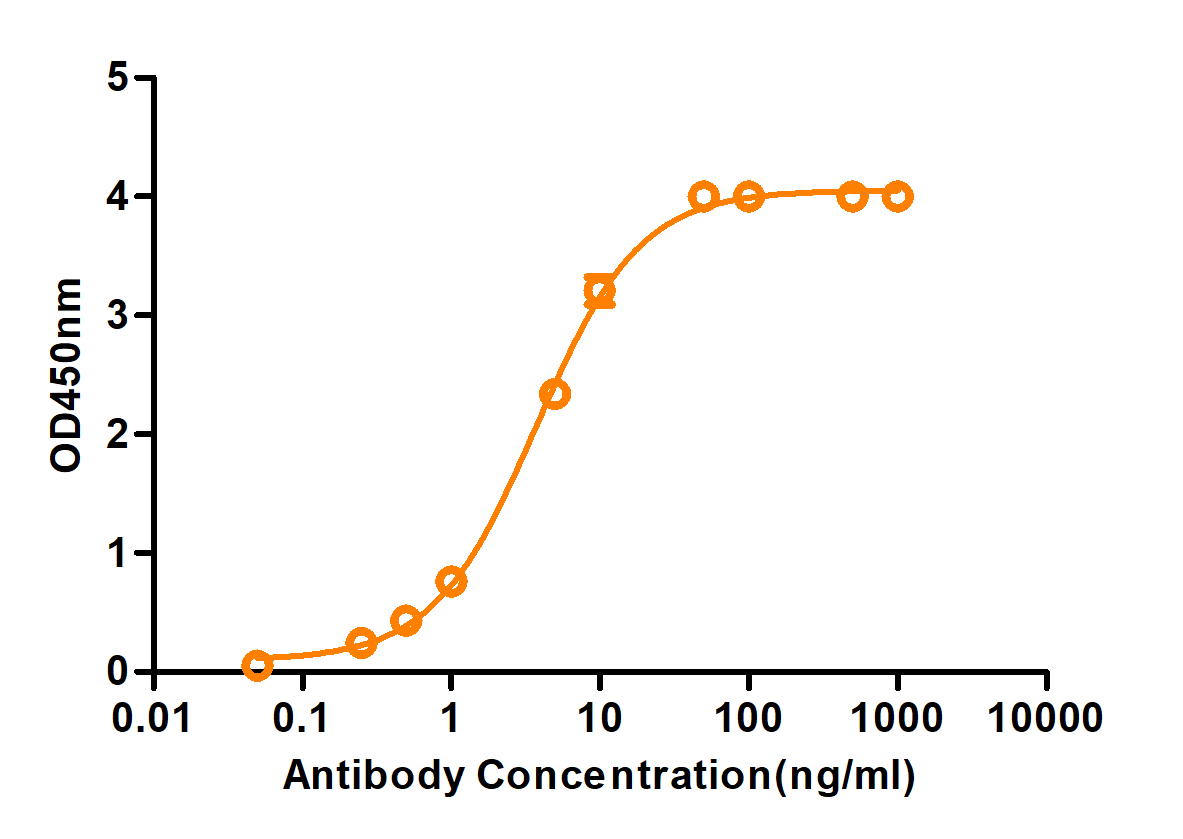
Creative Biolabs provides high-quality chicken polyclonal antibody (IgY) and rabbit polyclonal antibody development services. We have successfully developed numerous polyclonal antibodies for our clients.
| SDS-PAGE of Purified IgY antibody | Elisa Analysis of Purified rabbit pAb |
|
|
Published Data
1. Development of a Polyclonal Antibody for Clenbuterol Detection
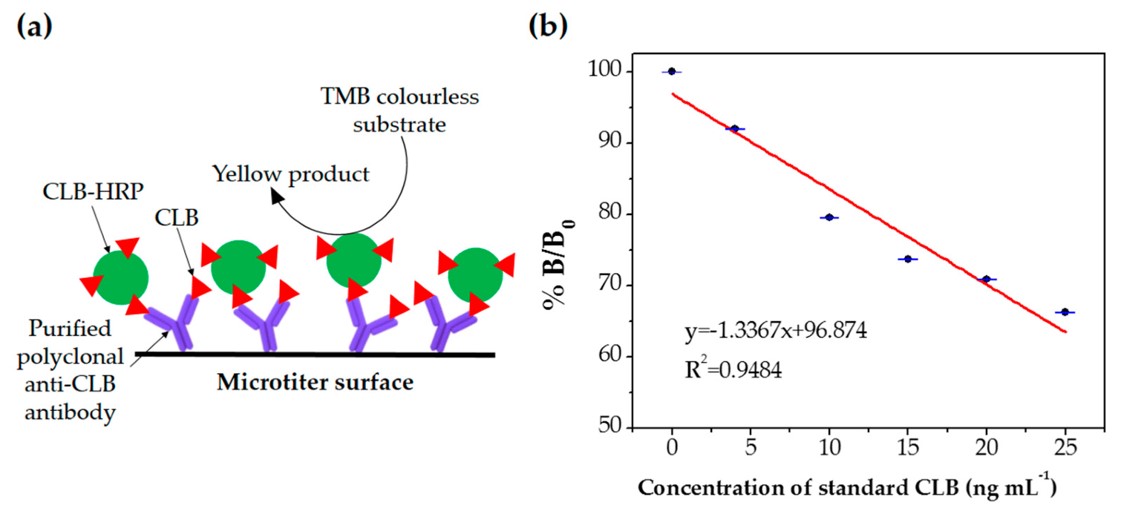 Fig.3 Characterization of the polyclonal antibody as potential bioreceptor.2,4
In this study, the researchers developed a rabbit-derived polyclonal antibody against clenbuterol (CLB). The antibody was purified using a native protein A resin affinity column, and its purity was confirmed by SDS-PAGE analysis. The antibody's activity was assessed through ELISA, showing a high antibody titer. The sensitivity and selectivity of the antibody were also tested, revealing minimal cross-reactivity with antibiotics outside the β-agonist class. Additionally, the antibody's performance as a bioreceptor in immunoassays was tested using direct competitive ELISA, which demonstrated significant immunoreactivity against CLB. The antibody was further applied to detect CLB in spiked milk samples, achieving a recovery rate of over 92%, indicating its potential for use in rapid, simple immunoassays for clenbuterol detection.
2. Polyclonal Antibody Targeting BCAL2645 Inhibits the Bacterium Adhesion and Invasion of Epithelial Cells
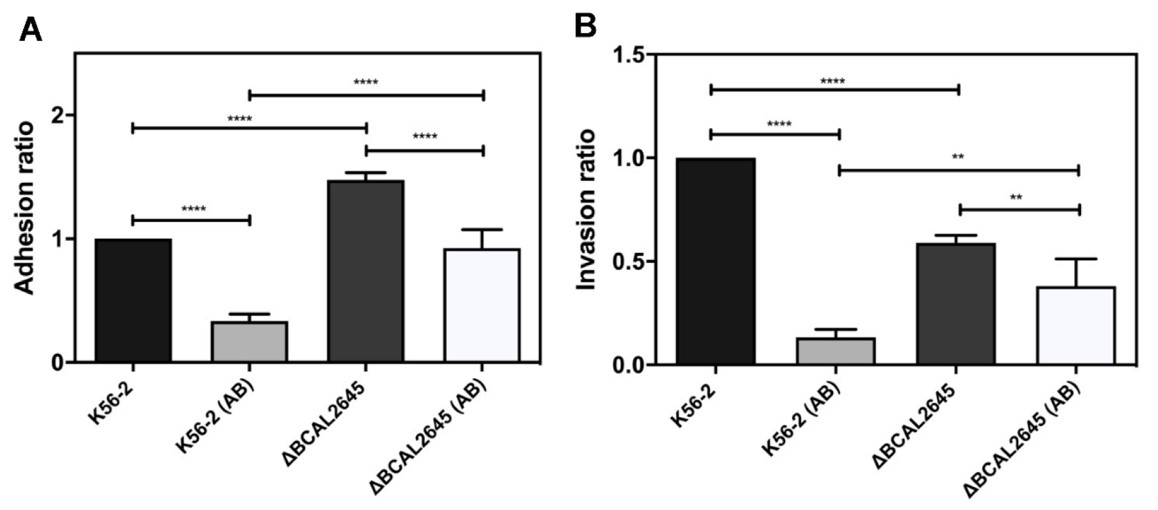 Fig.4 The polyclonal antibody against BCAL2645 significantly decreases B. cenocepacia's adhesion and invasion capacities.3,4
This study reported the cloning and functional characterization of the OmpA-like BCAL2645 protein, discovered as immunoreactive to sera from CF patients with Bcc infections and found to contribute to biofilm development, mucin adhesion, and lung cell invasion. Purified protein was also utilized for producing polyclonal antibodies, and the anti-BCAL2645 polyclonal antibody was shown to reduce B. cenocepacia K56-2's ability to bind and invade CFBE41o- human bronchial epithelial cells by approximately 75% and 85%, respectively. These findings suggest that anti-BCAL2645 antibodies can be promising for developing passive immunization therapies to protect CF patients from Bcc infections.
Q&A
-
Q: What are the advantages and disadvantages of polyclonal antibodies?
A: Advantages: Broad epitope recognition, high avidity, relatively affordability, and adaptability in a range of uses. Disadvantages: Potential batch-to-batch variability, higher cross-reactivity compared to monoclonal antibodies, and limited supply from a single animal.
-
Q: What is your delivery cycle?
A: Our standard delivery cycle is approximately 7-10 weeks; however, we also offer accelerated services for urgent projects. The project's intricacy and your particular needs will determine the precise timeline.
-
Q: What is your fee standard?
A: Our pricing varies depending on the specific services requested, the complexity of the project, and the quantity of antibodies needed. We provide detailed quotes upon request, tailored to your project needs.
-
Q: How to order your services?
A: To discuss your project needs, you may reach us by online inquiry, phone, or email. Our team will provide a customized proposal and walk you through the purchase process.
-
Q: What factors affect the quality of polyclonal antibodies?
A: Key factors include the quality and purity of the antigen, the immunization protocol, the health and species of the animal, and the purification methods used. We carefully control each of these factors to ensure optimal antibody quality.
References
- Berlina, Anna N., et al. "Development of Chemiluminescent ELISA for Detection of Diisobutyl Phthalate in Water, Lettuce and Aquatic Organisms." Chemosensors 11.7 (2023): 393. Doi: 10.3390/chemosensors11070393
- Raeisi, Hamideh, et al. "Rapid-format recombinant antibody-based methods for the diagnosis of Clostridioides difficile infection: Recent advances and perspectives." Frontiers in Microbiology 13 (2022): 1043214. Distributed under Open Access license CC BY 4.0. The image was modified by extracting and using only part of the original image. doi: 10.3389/fmicb.2022.1043214.
- Talib, Nurul Ain A., Faridah Salam, and Yusran Sulaiman. "Development of polyclonal antibody against clenbuterol for immunoassay application." Molecules 23.4 (2018): 789. doi: 10.3390/molecules23040789.
- Seixas, António MM, et al. "A polyclonal antibody raised against the Burkholderia cenocepacia ompa-like protein BCAL2645 impairs the bacterium adhesion and invasion of human epithelial cells in vitro." Biomedicines 9.12 (2021): 1788. doi: 10.3390/biomedicines9121788.
- Distributed under Open Access license CC BY 4.0, without modification.
For Research Use Only.