
Spontaneous Osteoarthritis Modeling & Pharmacodynamics Service
Are you currently facing challenges such as inconsistent animal models, poor correlation between bone and cartilage data, or the inability to capture early-stage degenerative shifts in your OA drug development? Our Spontaneous Osteoarthritis Modeling & Pharmacodynamics Service helps you obtain high-accuracy efficacy data and accelerate your lead optimization through our proprietary Guinea pig platforms and advanced technology.
Overview: Understanding Spontaneous Osteoarthritis
Osteoarthritis (OA) is a chronic, whole joint disease characterized by the progressive breakdown of articular cartilage, subchondral bone sclerosis, and synovial inflammation. Unlike posttraumatic OA models, spontaneous OA mimics the primary, age-related degeneration seen in humans. It involves a complex failure of the osteochondral unit, where mechanical crosstalk between the bone and cartilage leads to a loss of joint homeostasis. Creative Biolabs focuses on the physiological shifts in tissue stiffness and mineral density that serve as early indicators of disease progression.
Spontaneous Osteoarthritis Disease Models
Creative Biolabs utilizes the Guinea pig for spontaneous OA modeling. Our strain naturally develops joint lesions starting at 3-4 months of age, mirroring human idiopathic OA without the need for surgical or chemical intervention. This provides a stable, predictable platform for longterm pharmacodynamic studies. Our models track the parallel decline of joint integrity and skeletal muscle health, ensuring that your therapeutic evaluation accounts for the systemic musculoskeletal environment.
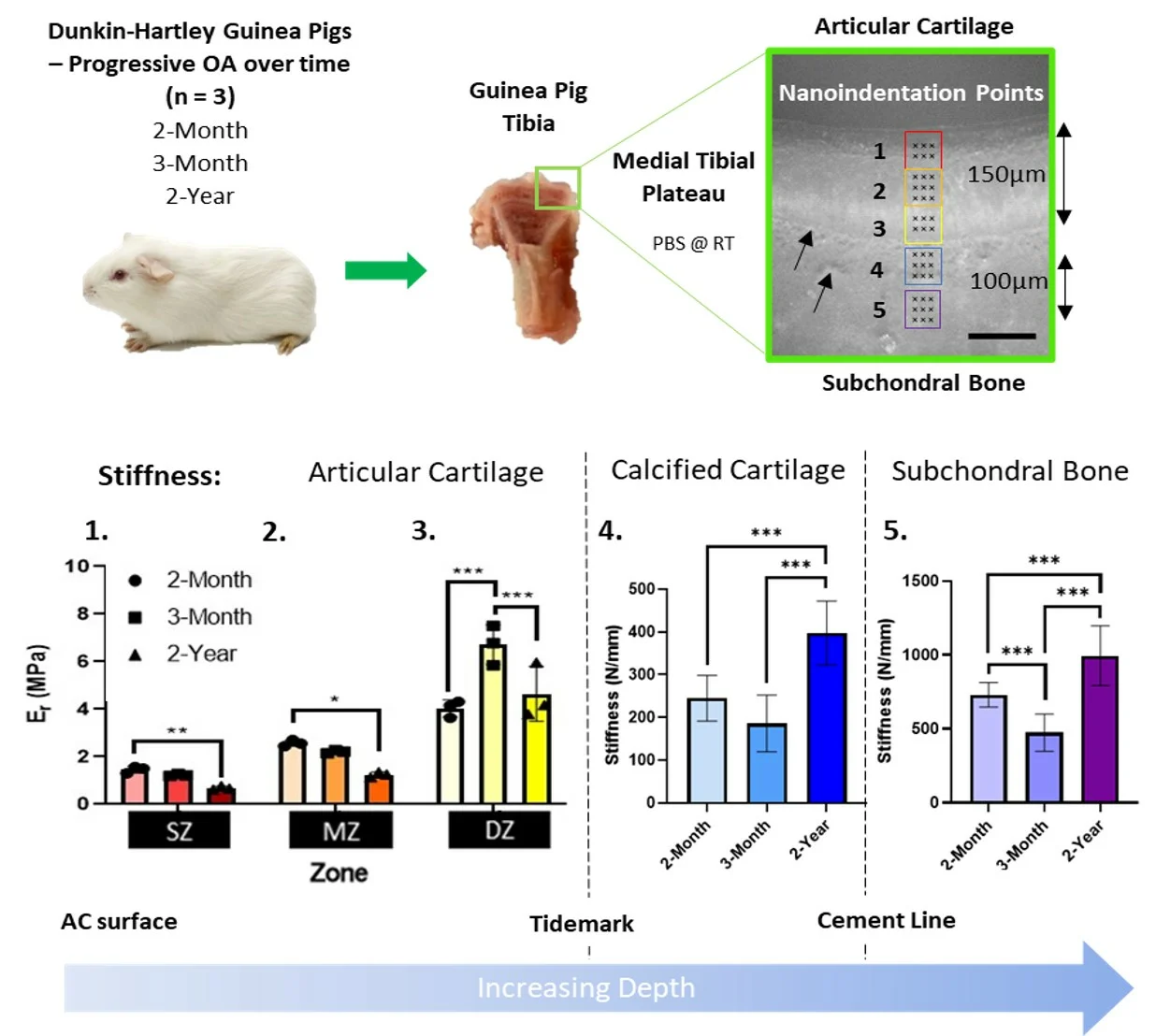 Fig.1 Evaluation of initial degenerative changes in a spontaneous osteoarthritis model.1
Evaluation Platform of Our Service
Creative Biolabs offers a multidimensional analysis suite to quantify every aspect of the joint environment:
-
Biochemical & Molecular Analysis
- Cytokine Profiling: Multiplex assays in synovial fluid.
- Enzymatic Activity: Aggrecanase and Matrix Metalloproteinase quantification.
- Gene Expression: qPCR for Collagen Type II and SOX9 chondrogenic markers.
-
Histopathological Examination
- Standard Scoring: OARSI modified histopathology grading for Guinea pig tissues.
- Specialized Staining: Toluidine Blue and Safranin-O/Fast Green for proteoglycan content.
- Immunohistochemistry (IHC): Localization of degradation products and collagen remodeling markers.
-
Behavioral & Functional Testing
- Incapacitance Testing: Automated weight bearing asymmetry measurement.
- Gait Analysis: Kinetic assessment of limb loading and stride length.
- Sarcopenia Assessment: Muscle density measurement and myofiber type distribution (Type I vs. Type II).
-
Advanced Imaging & Instrumentation
- Micro-CT: High-resolution bone mineral density (BMD) and subchondral plate thickness.
- MRI: Noninvasive T2 mapping to evaluate cartilage hydration and early lesions.
Key Applications
Our platform is designed to simulate human primary OA and age-related musculoskeletal decline. We provide robust validation for a wide array of agents:
- Small Molecules: Disease modifying osteoarthritis drugs and localized analgesics.
- Biologics: Monoclonal antibodies targeting inflammatory pathways or growth factors.
- Gene & Cell Therapies: Intra articular delivery of viral vectors or MSC based regenerative treatments.
Why Choose Us?
We maintain validated cohorts of Guinea pigs, ensuring high reproducibility and translatable aging phenotypes.
Creative Biolabs provides a seamless workflow from initial in vitro screening to complex in vivo PK/PD studies.
Our PhD led team integrates decades of experience in biomechanics and histology, supported by rigorous quality management systems to ensure data integrity.
Work with Us
- Summarize the project requirements and fill in the information collection form.
- Sign a CDA from both parties to further communicate information, such as targets.
- Select an animal model, discuss experimental design, and determine assay parameters.
- Project costing and project schedule forecasting.
- We provide a detailed project plan, including the required sample quantities, methods, and protocols.
- Both parties confirm the project details and start the project.
- Confirm the timeline of the project.
- We provide periodic results and information on the animal's condition.
- We will work together to make project adjustments as necessary.
- We provide a comprehensive project report promptly.
- We arrange transportation for the produced samples.
- We provide a discussion of the project results and help to arrange the next steps.
- Data storage and archiving.
Frequently Asked Questions
-
Q: Why use the Guinea pig instead of a standard rodent model for spontaneous OA?
A: The Guinea pig is unique because it develops OA spontaneously in a manner that closely resembles human pathology, including the formation of osteophytes and subchondral bone sclerosis, which are often absent in smaller rodent models.
-
Q: Can your platform distinguish between the early and late stages of OA?
A: Yes. By combining MicroCT bone density data with deep zone cartilage stiffness measurements, we can pinpoint early pathological shifts before visible cartilage fibrillation occurs.
-
Q: Is it possible to test intra-articular injections in your models?
A: Sure. Our surgical team is highly skilled in precise intra-articular delivery within the Guinea pig knee joint, allowing for the evaluation of localized therapies.
-
Q: What is the typical duration of a spontaneous OA study?
A: Studies typically range from 3 to 12 months, depending on whether you are targeting early intervention or late-stage disease reversal. We encourage you to contact our team to discuss a customized timeline for your project.
Published Data
Objective: To determine if mechanical changes in subchondral bone and cartilage zones precede structural degeneration in a spontaneous model.
Model Used: Guinea pig (2-month, 3-month, and 2-year cohorts).
Results: This spontaneous model uniquely captures the pre-clinical "therapeutic window." Analysis identified a 35% reduction in subchondral bone stiffness by the 3-month mark (early-stage), synchronized with paradoxical stiffening of the deep articular cartilage. Crucially, these mechanical biomarkers manifest prior to visible surface fibrillation, offering a high-sensitivity platform for validating early-intervention therapies. The model's predictable, age-dependent progression eliminates surgical artifacts, providing a physiologically superior environment for evaluating disease-modifying OA drugs (DMOADs).
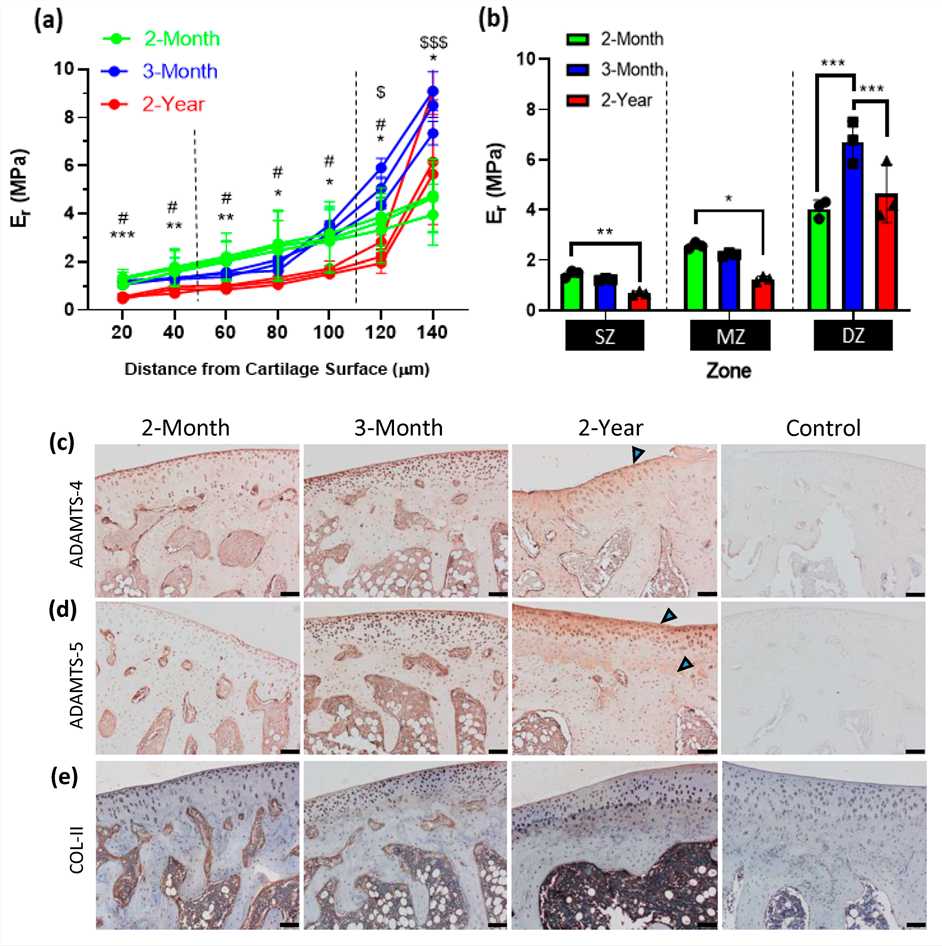 Fig.2 Mechanical characteristics of articular cartilage.1
Creative Biolabs is committed to providing the most advanced spontaneous OA models and high-resolution biomechanical data in the industry. Whether you are developing a novel small molecule or a complex biologic, our Guinea pig platform offers the physiological relevance your program demands. For detailed project discussions, technical specifications, or a customized quote, please reach out to our specialist team.
Reference
- Davis, Sarah, et al. "Early Degenerative Changes in a Spontaneous Osteoarthritis Model Assessed by Nanoindentation." Bioengineering 10.9 (2023): 995. Distributed under Open Access license CC BY 4.0, without modification. DOI: https://doi.org/10.3390/bioengineering10090995.
For Research Use Only.