
Pseudotyping Service of Lentiviral Vectors with Leukemia Virus
Lentiviral vectors (LVs) are potent vectors for gene transfer in mammalian cells because of their ability to maintain long latency and persistent infection in non-dividing and dividing cells. As a retroviral vector, LV can incorporate envelope glycoprotein (Env) from other enveloped viruses in its viral particles, a feature known as pseudotype. The Env glycoprotein affects the structure and stability of the LV vector, interaction with target cells and LV behavior and the tropism of LV during infection. To overcome the adverse effects of Env glycoprotein on LV, Creative Biolabs's gene therapy team offers state-of-the-art lentiviral glycoprotein modification services to meet the needs of our clients' LV-based research and preclinical applications.
Introduction to Leukemia Virus
Leukemia virus is a retrovirus that infects T cells (a type of white blood cell) and causes leukemia and lymphoma; it is also known as human T-cell leukemia virus type 1 (HTLV-1) or human T-cell lymphotropic virus type 1. The HTLV virus family is a group of human retroviruses that are reported to cause adult T cell leukemia (ATL), HTLV-1-associated myelopathy/tropical spastic paraparesis (HAM/TSP), or other diseases. However, due to HTLV-1 infection can't be cured or treated, and most (95%) infected people have no apparent symptoms throughout their life, it is considered a lifelong disease.
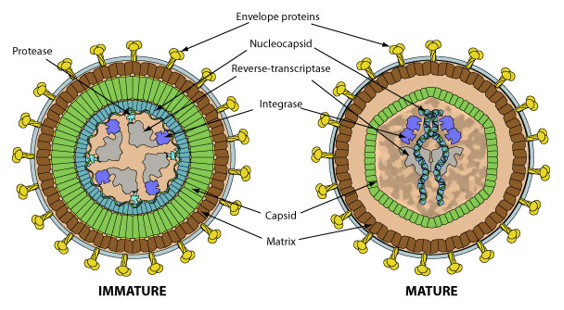 Figure 1. Human T-cell leukemia virus type I.1
Applications of Leukemia Virus Pseudotyped Lentiviral Vector
Gene Therapy Research for Leukemia & Lymphoma
Developing specific gene delivery tools targeting tumor cells or cancer stem cells.
T Cell / Hematopoietic Stem Cell Engineering
For efficient, specific modification of primary immune cells in CAR-T, TCR-T, or gene correction therapies.
Immunotherapy Model Development
Creating more precise humanized mouse or orthotopic tumor models for evaluating immunotherapy efficacy.
Fundamental Virology Research
Studying retroviral entry mechanisms, host range restrictions, and receptor interactions.
Speck to Experts
Leukemia Virus and Retroviral Envelope Proteins
Leukemia viruses, primarily belonging to the Gammaretrovirus and Deltaretrovirus genera, possess a complex envelope (Env) protein architecture. The Env is synthesized as a precursor and cleaved into two functional subunits:
- Surface Subunit (SU): Contains the Receptor Binding Domain (RBD) that dictates cellular specificity.
- Transmembrane Subunit (TM): Contains the fusion peptide and heptad repeats (HR) required for membrane integration.
The interaction between the SU and its cognate receptor is the "lock-and-key" mechanism that defines the vector's host range.
Why Leukemia Virus–Derived Pseudotypes?
Compared to conventional VSV-G pseudotyping, leukemia virus envelopes offer several distinct advantages:
Enhanced Cell-Type Specificity
VSV-G utilizes the ubiquitously expressed LDL receptor, leading to broad tropism with limited selectivity. In contrast, leukemia virus envelopes recognize specific receptors predominantly expressed on target cells.
Reduced Cytotoxicity
VSV-G exhibits fusogenic properties that can induce syncytium formation and cellular toxicity at high multiplicities of infection. Leukemia virus envelopes typically demonstrate lower fusogenicity, supporting prolonged cell viability—particularly crucial for primary cell transduction.
Physiologically Relevant Entry Pathways
Utilizing natural retroviral entry mechanisms preserves endogenous cellular trafficking pathways, potentially improving transduction efficiency in challenging primary cells like resting lymphocytes or hematopoietic stem cells.
Adaptability for Targeted Modification
The modular nature of leukemia virus Env proteins permits rational engineering for altered or enhanced specificity through domain swapping, point mutations, or chimeric designs.
Types of Leukemia Virus Envelopes
| Leukemia Virus Type | Envelope Source | Advantages | Applications |
|---|---|---|---|
| Human T-cell Leukemia Virus | HTLV-1 / HTLV-2 | High Immune Affinity: Lower toxicity than VSV-G for primary T cells; mimics natural lymphotropic infection. | CAR-T/TCR-T Development: Ideal for engineering high-vitality, functional T cells. |
| Murine Leukemia Virus | Amphotropic MLV (A-MLV) | Broad Mammalian Tropism: Excellent species compatibility and stable, high-titer production. | Universal Gene Delivery: Modeling hematological diseases in various mammalian cell lines. |
| Murine Leukemia Virus | Ecotropic MLV (E-MLV) | Species Safety: Specifically targets rodent cells; prevents bio-safety risks to human operators. | Mouse Models: Specialized for in vivo local injection or ex vivo mouse primary cell transduction. |
| Feline Leukemia Virus | FeLV-B / FeLV-C | Stem Cell Targeting: Superior penetration in human CD34+ HSCs compared to traditional vectors. | Hematopoietic Disorders: Research on Sickle Cell Anemia and Thalassemia gene correction. |
| Gibbon Ape Leukemia Virus | GALV | Clinical Potential: Extremely high efficiency in human HSCs and specific tumor cells. | HSC Gene Therapy: Long-term stable integration and gene correction in bone marrow cells. |
| Bovine Leukemia Virus | BLV | Unique Entry Mechanism: Utilizes the AP3B1 complex; provides a unique tool for non-canonical entry studies. | Virology Research: Exploring biophysical processes of envelope-receptor interactions. |
Services at Creative Biolabs
The leukemia viral Env complex is the primary "prey" for neutralizing antibody-based vaccine development. The functional Env complex of leukemia virus is composed of gp120 and gp41 trimers, and a single subunit has been shown to be unsuccessful as a vaccine, probably because it is not like a functional Env complex. The variable domains and carbohydrates block the susceptible neutralizing epitopes on the functional leukemia virus Env complex. To obtain a pseudotyped lentiviral vector for targeting cancer cells and astrocytes, our gene therapy team has developed the following glycoprotein modification strategies to generate the optimal leukemia virus Env:
- Improvement of immunogenicity of gp120 by deletion of variable loops (V1, V2 and V3 loops)
- Introducing a loop to remove Env variants to allow optimization by forced virus evolution
- Disulfide bond structure change
- Replacement of hydrophobic residues of hydrophilic and charged residues
- Optimization of the distal portion of gp120 and gp41 to increase the sensitivity of neutralizing antibodies
Functional Evaluation
- In Vitro Transduction Assays: Quantification of efficiency via FACS and ddPCR (VCN) in primary T cells and CD34+ HSCs.
- Cell Tropism Analysis: Validation of receptor specificity using competition assays with soluble receptors or blocking antibodies.
- Safety Assessment: Evaluation of metabolic health using Annexin V/PI and mitochondrial membrane potential assays.
Advantages of Our Pseudotyping Service
Expertise in Retroviral Virology
Decades of collective experience in retroviral envelope structure-function analysis and engineering.
Integrated Platform
Seamless workflow from envelope design to functional validation, reducing development timelines.
Quality Assurance
Rigorous batch-to-batch consistency with comprehensive analytical data provided.
Translational Focus
Services scalable from basic research to preclinical development, with GMP-compatible processes available.
Deliverables
- High-titer leukemia virus pseudotyped lentiviral vector preparations (research to preclinical scale)
- Comprehensive technical report including design rationale, optimization parameters, and validation data
- Complete transduction efficiency and cell tropism analysis
- Safety assessment documentation, including cytotoxicity and genotoxicity profiles
- Customized protocols for downstream applications
Frequently Asked Questions
Q: Are leukemia virus pseudotypes safe for laboratory use?
A: Yes, all pseudotyped vectors are produced using 3rd-generation split-packaging systems that eliminate the generation of replication-competent viruses. Envelope genes are codon-optimized to prevent homologous recombination. We provide comprehensive biosafety documentation for each pseudotype.
Q: Can these pseudotypes transduce primary immune cells?
A: Absolutely. Certain leukemia virus envelopes (particularly HTLV-1 and modified MLV variants) demonstrate superior transduction of resting and activated T cells compared to VSV-G. We optimize protocols for specific immune subsets and activation states.
Q: How do leukemia virus pseudotypes compare to VSV-G?
A: Key differences include: (1) Specific versus broad tropism; (2) Lower cytotoxicity at high MOI; (3) Different serum stability profiles; (4) Potentially higher transduction efficiency for specific cell types (e.g., hematopoietic stem cells); (5) Different integration site preferences that may influence genotoxic risk.
Q: Are these pseudotypes suitable for in vivo studies?
A: Yes, with appropriate consideration of pseudotype stability and tropism. Some leukemia virus envelopes (e.g., amphotropic MLV) show excellent in vivo transduction efficiency with reduced hepatotoxicity compared to VSV-G. We provide guidance on delivery routes and dosing.
Q: Can these vectors support long-term transgene expression?
A: Yes, lentiviral integration ensures stable long-term expression. The pseudotype primarily affects entry efficiency rather than long-term expression stability. However, some envelopes may influence initial transduction events that, in turn, affect long-term outcomes in stem cell populations.
Don't Hesitate, Contact Us!
Following glycoprotein optimization of the virus of interest to you, Creative Biolabs performs binding assays of pseudotyped leukemia virus particle complex to ensure the effect of glycosylation of the protein on viral function. Based on structural optimization, we also offer a range of downstream services such as Potency Tests for Gene Therapy Products, Safety and Toxicology Analysis, Delivery Systems Development, etc. to meet your needs. If you want to know more details, please feel free to contact us.
Reference
- Farkašová H. Host-virus interactions of mammalian endogenous retroviruses. 2017. 10.13140/RG.2.2.25019.82720 (Distributed under Open Access license CC BY 4.0, without modification.)
