
Sjögren's Syndrome
Sjögren's syndrome (SS) is a chronic autoimmune disorder that primarily affects the exocrine glands, specifically the salivary and lacrimal glands, leading to dry mouth and eyes. Additionally, SS can impact other organs, including the skin, lungs, kidneys, nervous system, and blood vessels, resulting in diverse systemic manifestations. The exact cause of SS remains unclear, though genetic, environmental, and hormonal factors are believed to play a role. Diagnosis of SS relies on clinical criteria, serological tests, salivary gland biopsy, and functional assessments. Treatment primarily focuses on relieving dryness, inflammation, preventing complications, and enhancing the quality of life. Gene therapy emerges as a promising approach to address SS. This innovative method aims to correct or modify defective genes contributing to diseases. Gene therapy can be classified into two types: somatic gene therapy, targeting non-reproductive cells, and germline gene therapy, which can introduce heritable changes. Delivery methods include viral vectors, utilizing modified viruses to transport genes into target cells, and non-viral vectors, involving synthetic or natural molecules for gene transportation.
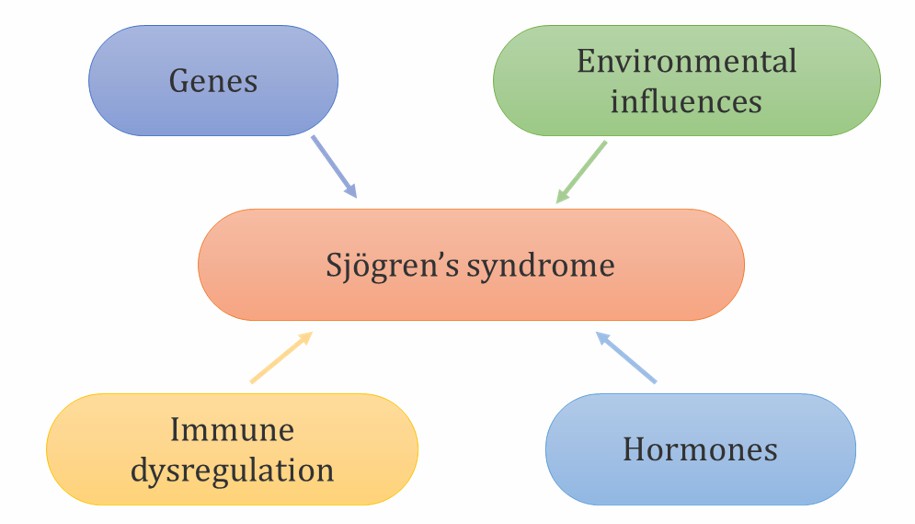 Fig.1 Pathogenesis of Sjögren's Syndrome
Strategies for Gene Therapy in Sjögren's Syndrome
Gene therapy for SS focuses on restoring exocrine gland function and modulating the immune system to reduce autoimmunity. Two main strategies are employed: gene replacement therapy and gene modulation therapy. Gene replacement therapy involves introducing functional copies of genes missing or mutated in SS patients, like aquaporin-1 (AQP1), responsible for regulating salivary secretion. Gene modulation therapy targets genes overexpressed or dysregulated in SS patients, including cytokines, chemokines, transcription factors, and receptors mediating inflammation and immune responses. Gene therapy for SS can be administered locally or systemically. Local gene therapy targets specific tissues or organs, such as salivary or lacrimal glands. Systemic gene therapy, on the other hand, addresses the entire body or multiple organs, such as blood or bone marrow.
Features of Gene Therapy for Sjögren's Syndrome
Current therapies for Sjögren's Syndrome (SS) primarily focus on symptom management, aiming to alleviate dryness, inflammation, prevent complications, and enhance the quality of life. These therapies encompass artificial tears, saliva substitutes, topical or systemic medications, salivary gland stimulation, and surgical interventions. However, they exhibit several limitations, including the inability to restore normal gland function, short-term or transient effects, potential adverse effects or toxicity, invasiveness, costliness, and variable or unpredictable outcomes. Gene therapy for SS holds the potential to surmount some of these limitations by addressing the root cause of the disease rather than just its symptoms. Gene therapy offers a promising solution for Sjögren's Syndrome by introducing functional copies of genes that are either missing or mutated in SS patients, such as AQP1, which is responsible for regulating salivary secretion. This approach can restore normal exocrine gland function and improve salivary secretion. Moreover, by modifying the expression or activity of genes that are overexpressed or dysregulated in SS patients, such as cytokines, chemokines, transcription factors, and receptors, gene therapy can modulate the immune system and prevent or reduce autoimmunity. Gene therapies also provide the advantage of long-term or permanent effects with only a single or a few administrations, reducing the need for repeated or chronic treatments. Additionally, gene therapy can help mitigate the adverse effects and toxicity associated with pharmacological agents, as gene vectors can precisely target specific cells or tissues with high specificity and efficiency. It can also be combined with other therapies to enhance their efficacy and safety, such as delivering drugs or proteins using gene vectors, which can synergize with conventional agents.
Progress in Research and Clinical Application of Gene Therapy for Sjögren's Syndrome
Viral vectors stand as one of the most widely used gene therapy approaches for Sjögren's syndrome. These engineered viruses can deliver therapeutic genes into target cells, including salivary gland cells and immune cells. Viral vectors can be categorized into two types: integrating and non-integrating. Integrating viral vectors like retroviruses and lentiviruses insert their genetic material into the host genome, ensuring stable and long-term expression. However, they also carry the risk of insertional mutagenesis and oncogenesis. Non-integrating viral vectors, such as adenoviruses and adeno-associated viruses (AAVs), avoid this risk but exhibit lower efficiency and durability in gene expression.
Several studies have explored the application of viral vectors for gene therapy in Sjögren's syndrome. For instance, Zheng et al. (2021) utilized an AAV vector to deliver the gene encoding aquaporin-1 (AQP1), a water channel protein, to the salivary glands of Sjögren's syndrome mice. Their findings indicated that AAV-AQP1 gene therapy significantly increased salivary flow and reduced inflammation in the salivary glands. Similarly, Wang et al. (2020) employed a lentiviral vector to deliver the gene encoding interleukin-10 (IL-10), an anti-inflammatory cytokine, to the immune cells of Sjögren's syndrome mice, effectively suppressing autoimmunity and improving salivary gland function. These studies highlight the potential of viral vectors for gene therapy in Sjögren's syndrome, though they also face challenges like immune response, toxicity, and specificity.
Beyond viral vectors, three other gene therapy approaches exist for Sjögren's syndrome: non-viral vectors, gene editing, and stem cell therapy. Non-viral vectors are synthetic molecules that can transport therapeutic genes into target cells, including liposomes, nanoparticles, or plasmids. Gene editing techniques can modify the genome of target cells using methods like CRISPR-Cas9 or zinc finger nucleases. Stem cell therapy involves transplanting stem cells or their derivatives into target tissues, such as salivary glands or lacrimal glands. Each approach carries distinct advantages and disadvantages regarding efficiency, stability, specificity, safety, and ethical considerations.
Table 1. Comparison of Gene Therapy Approaches for Sjögren's Syndrome
| Approach | Advantages | Disadvantages |
| Viral vectors | High efficiency and specificity of gene delivery | Immune response, toxicity, insertional mutagenesis |
| Non-viral vectors | Low immunogenicity and toxicity | Low efficiency and stability of gene delivery and expression |
| Gene editing | High precision and durability of gene modification | Off-target effects, ethical issues |
| Stem cell therapy | High potential and versatility of tissue regeneration | Rejection, tumorigenesis, ethical issues |
