
Viral Vector Analysis Solution
Creative Biolabs has focused on full-scale QC test methods of viral vectors to ensure the safety and efficiency of viral vectors. At Creative Biolabs, we posit that comprehensive and rigorous Viral Vector Analysis is not merely a regulatory checkbox but the foundational pillar upon which successful clinical translation is built. This article delineates the critical parameters of viral vector analysis and elucidates why our service platform is the partner of choice for innovators worldwide.
Identity of Viral Vector
Identity tests can be conducted to ensure the existence and identity of the viral vector.
Titer of Viral Vector
Determining the titer of viral vectors can help determine their activity and concentration.
Safety of Viral Vector
Demonstrating the absence of microbial contamination in the vector product is critical to ensure parenteral product safety.
Potency of Viral Vector
Assessing viral vector potency comprehensively involves performing various assays, including titer assays and assessments of empty particle-to-whole particle ratios.
Purity of Viral Vector
Ensuring that viral vector samples are free from impurities, cellular residues, or other contaminants is essential to guarantee the safety and purity of the product.
High-Resolution AAV Capsid Characterization Service
Precisely quantify empty, partial, full, and overfilled AAV capsids via gas-phase mobility detection to resolve capsid heterogeneity and generate regulatory-compliant QC data.
Our Collaboration Process
We view our services as partnerships, not simple transactions. Our structured, phased collaboration process ensures maximum efficiency and relevance at every stage of therapeutic drug development:
Initial Consultation & Scope
A PhD-level project manager will work with your team to identify analytical needs, vector type, and regulatory phase.
Customized Method Development
For novel vectors or special specifications, we design and perform method development and comprehensive validation guidelines.
Execution & Quality Control
Samples are processed under strict, documented SOPs within our validated facility. Real-time QA/QC oversight is maintained.
Data Analysis & Reporting
We provide comprehensive, well-organized reports including raw data, processed results, statistical analysis, and expert interpretation.
Why Choose Our Viral Vector Analysis?
While numerous analytical solutions are available on the market, Creative Biolabs possesses a unique competitive advantage thanks to its superior scientific expertise and customer-centric approach.
Unparalleled Expertise
Our team comprises experienced virologists, molecular biologists, and biophysicists with deep expertise in viral vector engineering and analysis.
Regulatory Awareness
We are well-versed in guidelines set by the FDA, EMA, and other global agencies, ensuring your data packets comply with applicable regulations and are ready for audits.
Integrated Orthogonal Methods
We employ orthogonal techniques, such as analytical ultracentrifugation (AUC) for resolution analysis and transmission electron microscopy (TEM) for visualization confirmation.
Speed and Reliability
Our optimized workflows and advanced infrastructure ensure rapid turnaround while guaranteeing data quality and integrity.
Data Quality and Accessibility
Through meticulous documentation and standardization of our protocols, we generate rich datasets suitable for public repositories.
1 ON 1
1-on-1 dedicated support throughout the process, with fast response and efficient problem-solving, ensuring a smooth cooperation experience.
Find the Right Viral Vector Analysis for Your Research
Our service portfolio is meticulously designed to address the full spectrum of analytical needs, from early-stage R&D to late-phase clinical lot release.
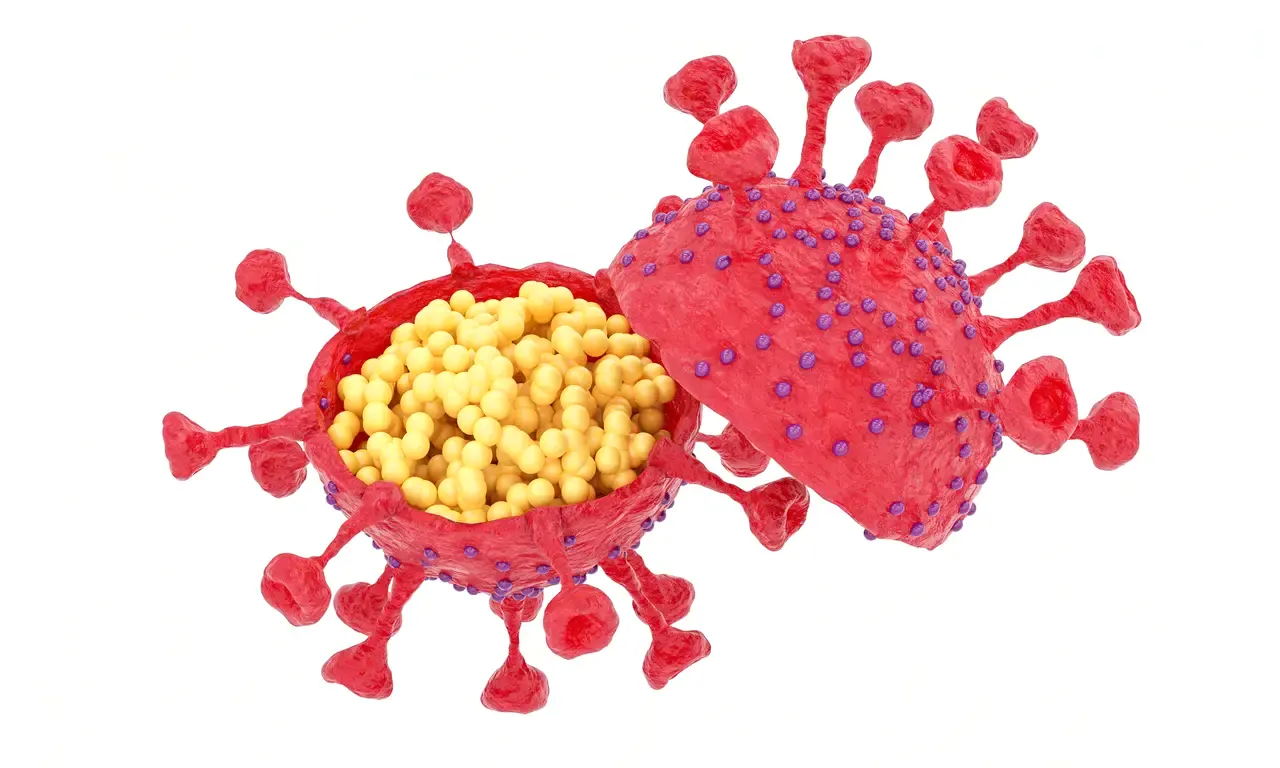
AAV Vector Analysis
Our most comprehensive detection solutions include:
- Titer Analysis: Vector genome titer (ddPCR/qPCR), capsid titer (ELISA).
- Purity and Integrity: Intact/empty capsid ratio (AUC, TEM), aggregation (DLS, SEC-MALS), purity (HPLC, CE-SDS).
- Potential and Safety: Transduction efficiency (FACS), infectious titer (TCID50), replication-type AAV (RCAAV) detection.
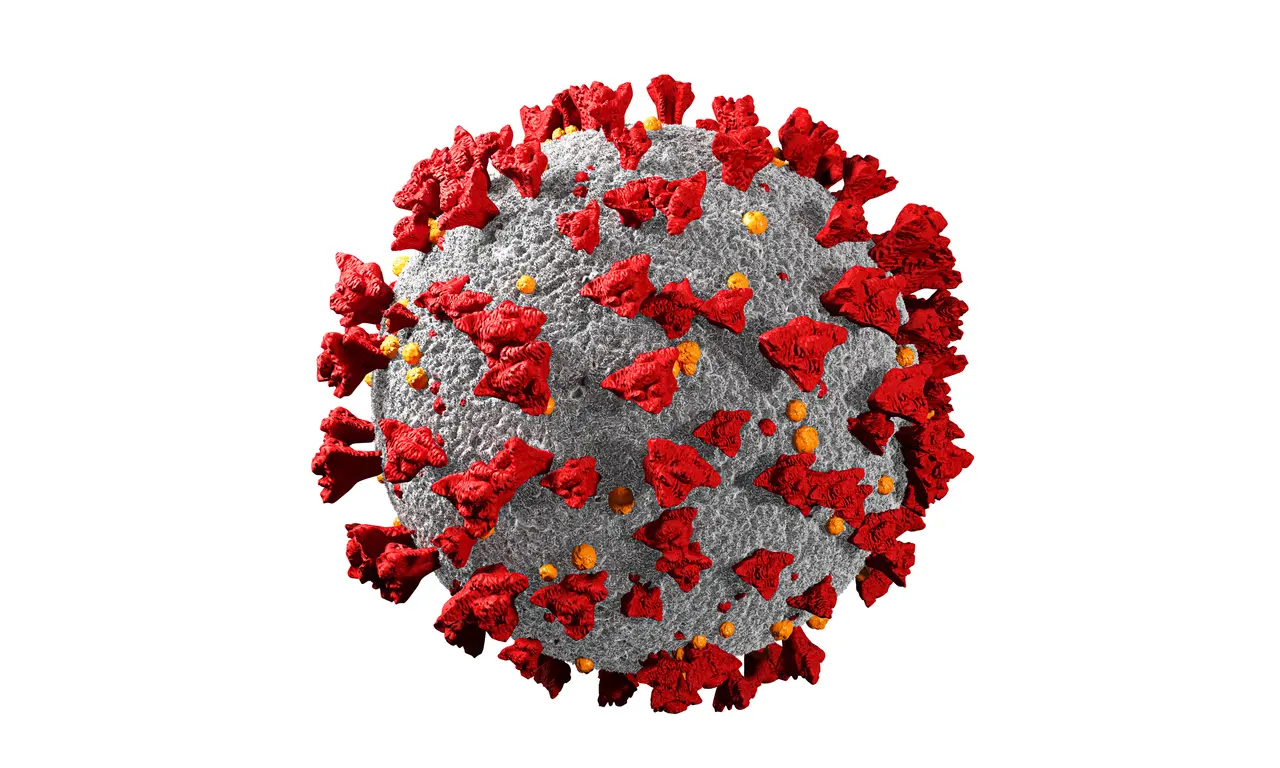
Lentiviral Vector Analysis
- Titer Analysis: Functional titer (TCID50), physical titer (p24 ELISA).
- Molecular Analysis: Vector copy number (VCN) determination.
- Safety: Replication-type lentivirus (RCL) detection.
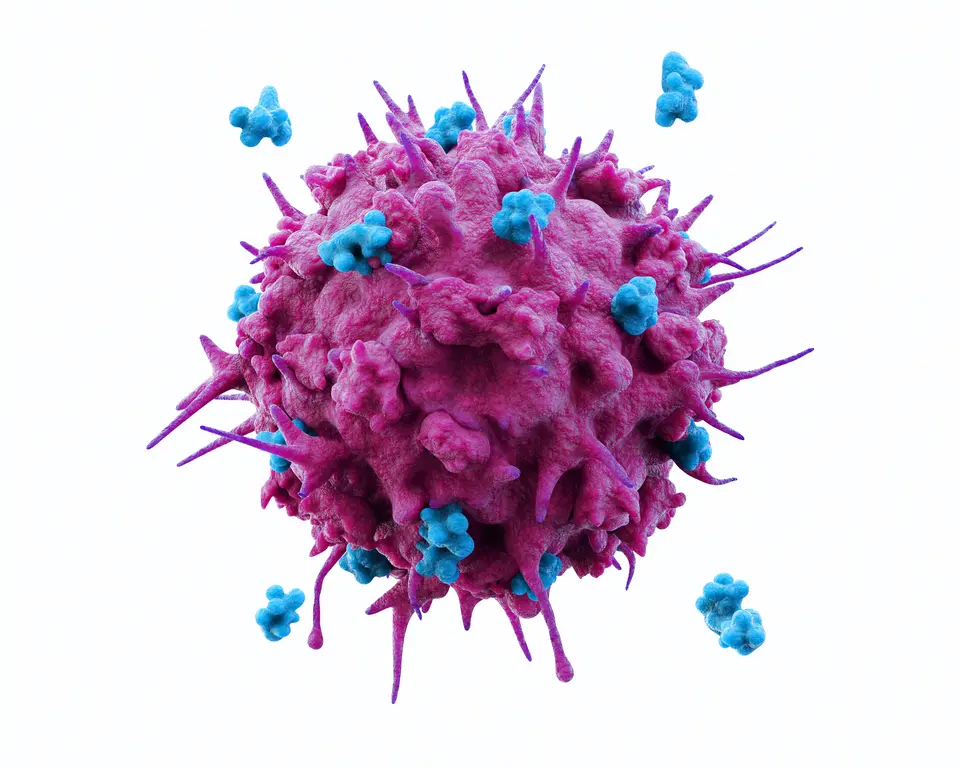
Adenovirus Vector Analysis
- Titer Analysis: Infectious titer (plaque assay), particle titer (HPLC).
- Purity and Integrity: Hexagonal titer (ELISA), replication-type adenovirus (RCA) detection.
- Potential and Safety: Transduction Efficiency in a broad spectrum of dividing and non-dividing cell lines (FACS, Luciferase Assay), Cytotoxicity and Innate Immune Response Profiling.
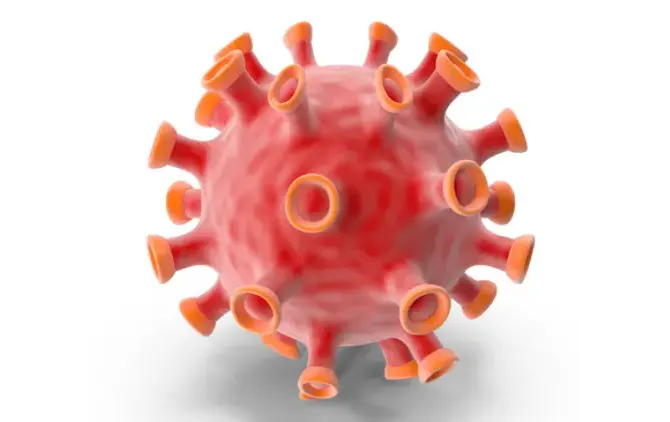
Herpes Simplex Virus (HSV) Vector Analysis
- Titer analysis: Infectivity titer (plaque assay), genomic titer (qPCR).
- Purity and Integrity: Particle to plaque-forming unit (PFU) ratio, aggregation and morphology (transmission electron microscopy, dynamic light scattering).
- Potential and Safety: Transduction efficiency in relevant neuronal and non-neuronal cell lines, detection of replicating herpes simplex virus (R-HSV).
Advanced Equipment & Technology of Viral Vector Analysis
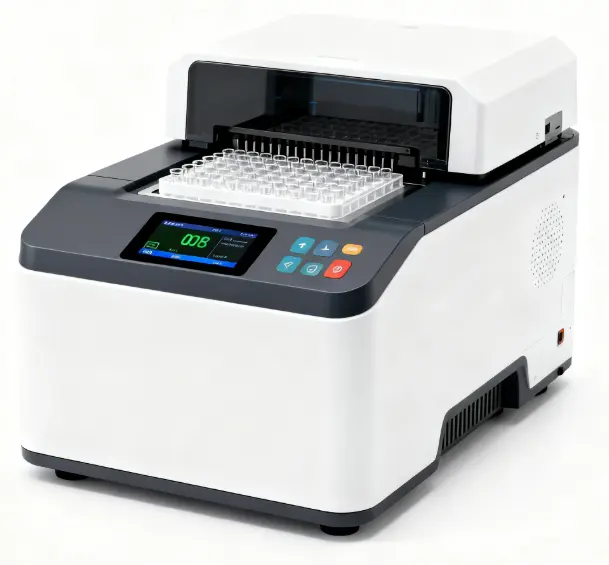
Droplet Digital PCR (ddPCR)
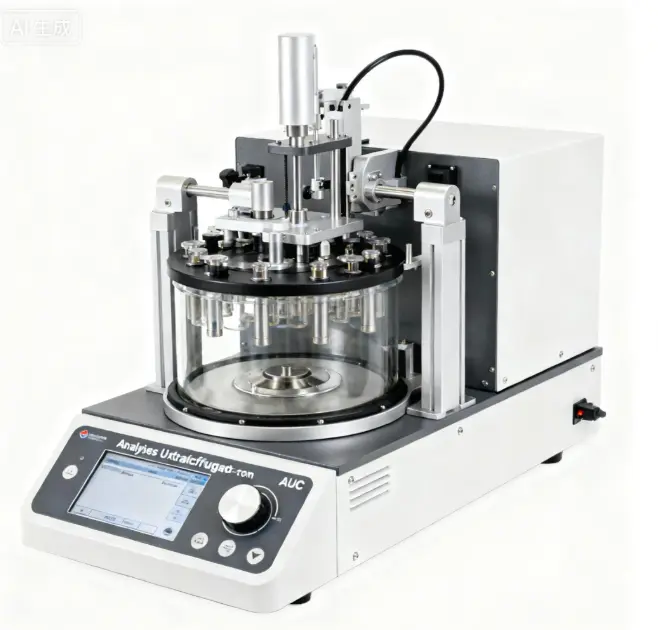
Analytical Ultracentrifugation (AUC)
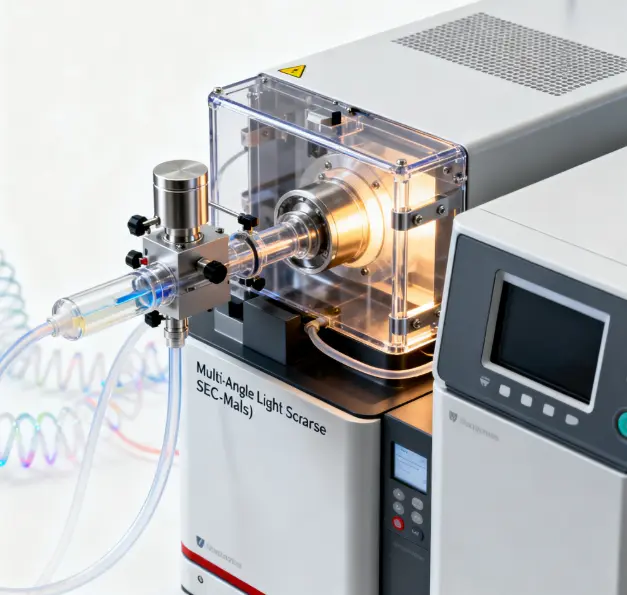
Multi-Angle Light Scattering (SEC-MALS)
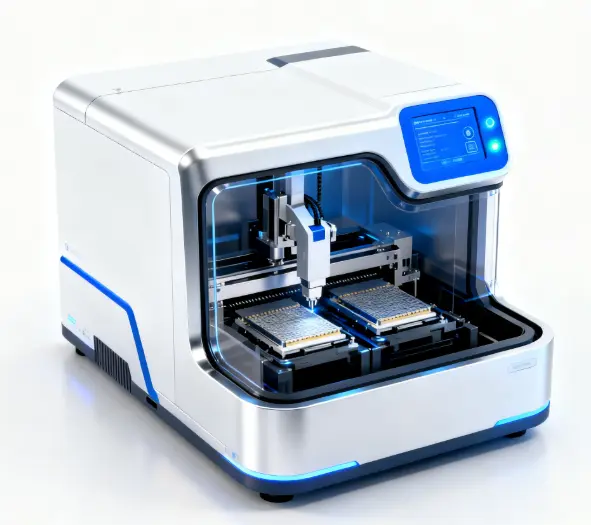
Next-Generation Sequencing (NGS)
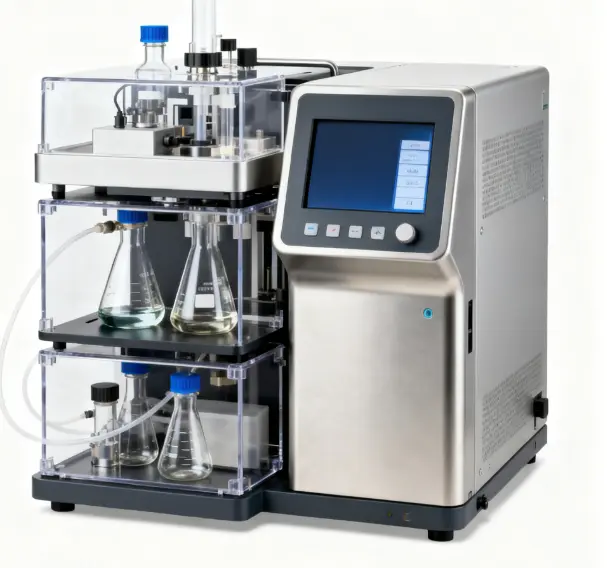
High-Performance Liquid Chromatography (HPLC/UPLC)
Droplet Digital PCR (ddPCR)
Analytical Ultracentrifugation (AUC)
Multi-Angle Light Scattering (SEC-MALS)
Next-Generation Sequencing (NGS)
High-Performance Liquid Chromatography (HPLC/UPLC)
Trusted by Global Innovators

Dr. E. Schmidt
CSO
“After scaling up production, we commissioned Creative Biolabs to conduct a critical comparability study for our leading AAV candidate. Their team’s expertise in AUC and ddPCR was evident. The data they generated was flawless and accepted without objection by regulatory agencies, saving us months of back-and-forth communication. They are a true partner on our road to success.”

J. Patel
VP of Quality Assurance
“As an academic lab, we lacked the sophisticated equipment needed for in-depth vector characterization. Creative Biolabs provided a cost-effective, customized solution for our novel lentiviral vectors. The reports not only included data but also insightful commentary that helped us improve our vector design. This collaboration was crucial to our NIH (National Institutes of Health) grant application.”

Professor A. Chen
Director at Large Pharmaceutical Company
“We needed a contract research organization (CRO) to meet the high-throughput analysis needs of our clinical-stage gene therapy portfolio. We were impressed by Creative Biolabs’ streamlined processes and tight timelines. Their consistent delivery of Good Laboratory Practice (GLP) compliant data makes them a trusted extension of our team.”
Frequently Asked Questions
Genomic titer (e.g., measured by ddPCR) quantifies the amount of vector genome, including both functional and non-functional genomes. Infection titer (e.g., measured by TCID50) measures the number of viral particles capable of transducing cells. The ratio of the two (infection titer/genomic titer) represents specific infectivity, a key indicator of viral potency. A lower ratio may suggest problems with vector quality, such as an excessively high proportion of empty capsids or a damaged genome.
Empty capsids do not contain therapeutic DNA and are essentially impurities. They increase the total capsid load in a patient and may enhance the immune response (immunogenicity) without providing any therapeutic benefit. Therefore, a high proportion of intact capsids is directly associated with higher product potency and better safety. Regulatory agencies closely monitor this characteristic.
We recommend starting as early as possible, ideally during the R&D and process development phases. Early characterization establishes a baseline for your vector's critical quality attributes (CQA). This data is crucial for addressing manufacturing issues, guiding process optimization, and laying a solid foundation for future comparability studies, ultimately reducing your R&D risk.
All clinical-stage analyses are performed strictly according to Standard Operating Procedures (SOPs) within a Quality Management System (QMS) based on Good Laboratory Practice (GLP) and Good Manufacturing Practice (GMP) principles. This includes complete documentation, audit trails, instrument validation records, and adherence to the Data Integrity (ALCOA+) principle, ensuring data acceptance by major regulatory agencies.
The empty capsid/intact capsid ratio is a critical quality attribute (CQA) because empty capsids compete with intact therapeutic vectors for cell receptors, thus reducing transduction efficiency. More importantly, high levels of empty capsids are known to significantly increase the risk of T-cell-mediated immune responses against the capsid, leading to treatment failure and safety issues. Our high-resolution techniques (AUC, cryo-electron microscopy) provide the necessary resolution to manage this risk.
Connect with Us Anytime!
We recognize that every experiment necessitates specific quality standards, and our team of virologists and QC engineers is committed to providing a robust analytical testing protocol tailored to your requirements. Please contact us for full services.
Start Your Project Today
Tell us about your project, and our experts will get back to you with a customized quote and proposal.
