Creative Biolabs is offering the most comprehensive services for antibody development projects. With strict regulation and effective execution, we are dedicated to providing the most valuable solutions to complete your projects.
HighlightsCreative Biolabs is offering the most comprehensive services for antibody development projects. With strict regulation and effective execution, we are dedicated to providing the most valuable solutions to complete your projects.
HighlightsCreative Biolabs has established a broad range of platforms for developing novel antibodies or equivalents. These cutting-edge technologies enable our scientists to meet your demands from different aspects and tailor the most appropriate solution that contributes to the success of your projects.
HighlightsWith deep understanding in antibody-related realms and extensive project experience, Creative Biolabs offers a variety of references to help you learn more about our capacities and achievements, including infographic, flyer, case study, peer-reviewed publications, and all kinds of knowledge that can assist your projects. You are also welcome to contact us directly for more specific solutions.
HighlightsGet a real taste of Creative Biolabs, one of the most professional custom service providers in the world. We are committed to providing highly customized comprehensive solutions with the best quality to advance your projects.
Highlights| Protein Name | 5-hydroxytryptamine receptor 2A |
| Gene Name | HTR2A |
| Uniprot | P28223 (Human); P35363 (Mouse) |
| Synonym | HTR2; 5-HT2A; 5-HT2 receptor; 5-hydroxytryptamine (serotonin) receptor 2A, G protein-coupled; serotonin 5-HT-2A receptor |
| Background | 5-hydroxytryptamine receptor 2A, alternatively known as serotonin receptor 2A, is one of the subtypes for serotonin receptor (5-HT receptor) which in human is encoded by HTR2A gene. HTR2A is expressed postsynaptically to serotonergic neurons, and are particularly concentrated in the frontal cortex. It is also found in high density in the claustrum, a region which is connected to the visual cortex, in parts of the limbic system (i.e. amygdala and hippocampus), and in the basal ganglia. The high level of HTR2A expression throughout the cortex suggests that this 5-HT receptor subtype may be involved in higher cognitive or integrative functions. |
Creative Biolabs offers comprehensive range of membrane protein products empowers your unique research needs.
| CAT# | Product Name | Expression System | Protein Length | Solubilizing Agents |
| S01YF-1023-KX347 | NativeExtract™ Human HTR2A Membrane Protein (Full length, Super Nanodisc) | HEK293 cells | Full length | Native Nanodisc |
| Please for more products or customization | ||||
A***y: Creative Biolabs synthesized a difficult-to-express HTR2A for us. While not perfect, their willingness to support post-delivery was commendable. We’d order again but might request formulation optimization next time.
23/ Jan/2024
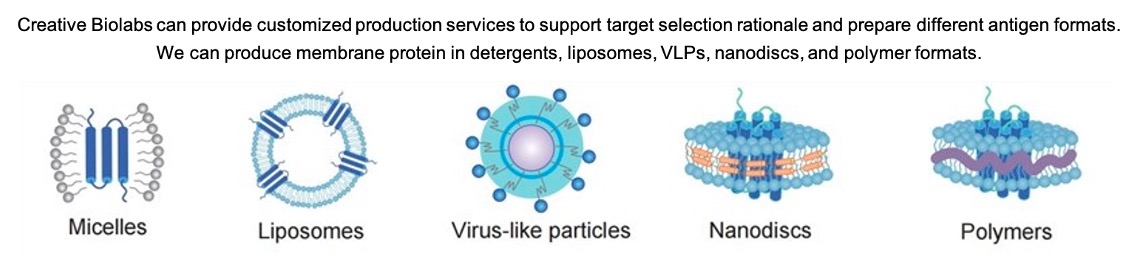
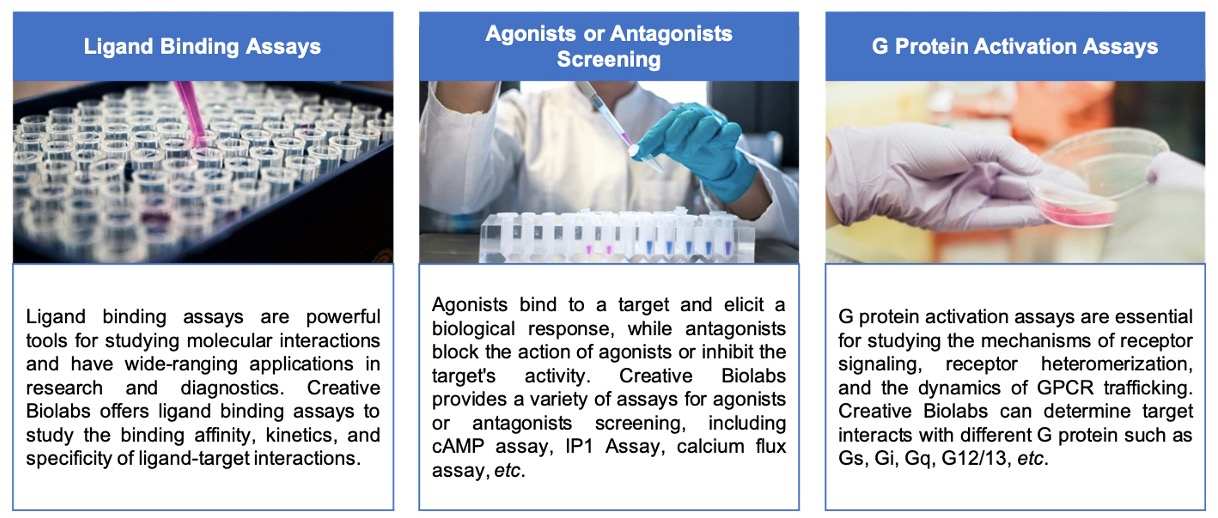
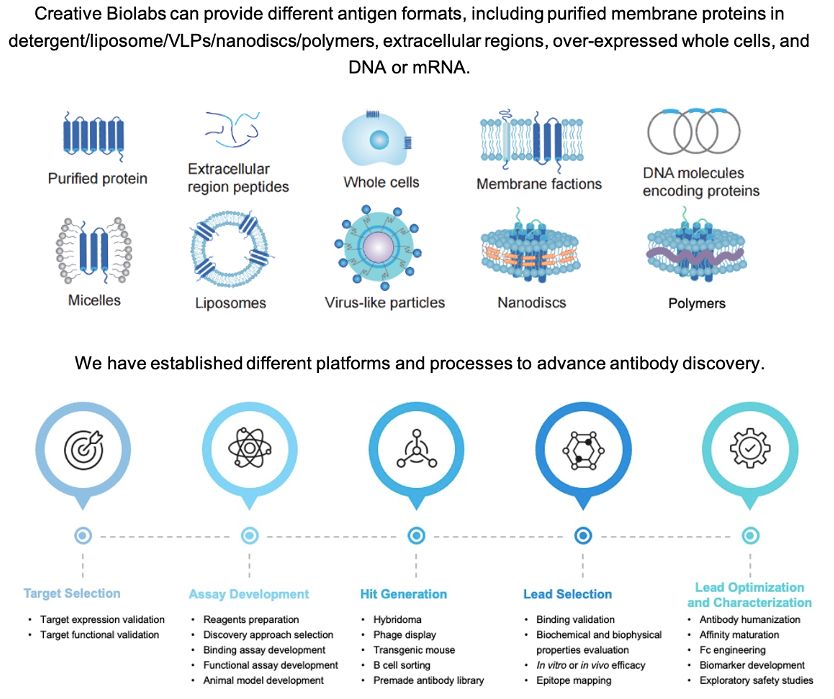
We provide tailored solutions to meet your specific requirements. Please for more services.
Creative Biolabs offers shRNA-based gene silencing services. The HTR2A gene can be targeted for knockdown through the utilization of short-hairpin RNAs (shRNAs). It has been demonstrated that the intranasal administration of adeno-associated viral (AAV) vectors, engineered to express these shRNAs, can effectively attenuate anxiety-like behaviors and ameliorate memory deficits in animal models. This non-invasive delivery strategy, by circumventing the blood-brain barrier, perhaps holds substantial therapeutic promise.
Creative Biolabs offers adenovirus-mediated gene manipulation services. Adenoviral vectors represent a versatile tool for the modulation of HTR2A gene expression, enabling both the suppression and augmentation of its transcript levels. By way of illustration, short-hairpin RNAs (shRNAs) designed to target HTR2A can be inserted into adenoviral plasmid constructs to induce a reduction in its expression within cardiomyocytes. Conversely, the HTR2A gene locus itself can be subcloned into these vectors, thereby facilitating investigations into the consequences of its overexpression in the same cellular context. Thus, adenovirus-mediated gene transfer provides a robust platform for dissecting the functional roles of HTR2A in cardiac tissue.
Creative Biolabs offers drug treatment and signaling pathway research services. The interrogation of HTR2A's functional involvement within discrete intracellular signaling cascades can be effectively pursued through the synergistic application of adenovirus-mediated genetic perturbation and targeted pharmacological interventions. As a salient illustration, investigations could delineate the impact of both HTR2A gene silencing and ectopic expression on the phenomenon of cardiomyocyte hypertrophy, alongside a detailed molecular analysis of the phosphoinositide 3-kinase (PI3K)-phosphoinositide-dependent kinase 1 (PDK1)-protein kinase B (AKT)-mammalian target of rapamycin (mTOR) signaling axis. Such an integrated methodological approach may yield critical insights into the precise regulatory roles exerted by HTR2A in cardiac cellular physiology.
Creative Biolabs offers comprehensive and innovative services to drive the development of HTR2A cell therapy. Please for more services.
Creative Biolabs offers neuronal models development services. The generation of induced pluripotent stem cells (iPSCs) from individuals afflicted with HTR2A-associated pathologies, encompassing conditions such as major depressive disorder, anxiety disorders, or schizophrenia, represents a powerful avenue for in vitro disease modeling. Subsequent directed differentiation of these iPSCs into neuronal lineages enables the establishment of disease-specific cellular paradigms. These experimentally tractable systems can then be employed to elucidate the functional consequences of HTR2A genetic variants or aberrant expression patterns on fundamental aspects of neuronal physiology, including synaptic plasticity and neurotransmitter signaling mechanisms.
Creative Biolabs offers CAR-T cells development services targeting HTR2A-expressing tumors. The engineering of chimeric antigen receptor T (CAR-T) cells, directed against HTR2A-expressing neoplastic cells, represents a potentially transformative strategy within the realm of cancer immunotherapy. This targeted approach may hold particular promise for the treatment of malignancies of the central nervous system, as well as other oncological conditions characterized by elevated levels of the HTR2A receptor.
Creative Biolabs offers organoids and 3D tissue models development services. The derivation of cerebral organoids from iPSCs expressing HTR2A offers a sophisticated in vitro platform for investigating the multifaceted roles of this receptor during neurodevelopmental processes. These three-dimensional neural cultures can be instrumental in elucidating the involvement of HTR2A in critical developmental events, encompassing neurogenesis, neuronal migration, and synaptogenesis. Consequently, such organoid models may provide invaluable insights into the fundamental mechanisms governing brain formation.
Creative Biolabs is dedicated to solving the most challenging problems in membrane protein preparation by combining the world's most advanced technologies, and through this, we aim to accelerate access to comprehensive solutions for membrane protein studies for our global clients. Please feel free to for more details.
All listed services and products are For Research Use Only. Do Not use in any diagnostic or therapeutic applications.