Cell Death mediated Cancer Resistance Analysis Service
Creative Biolabs is eager to work with customers on projects related to cell death-mediated cancer resistance analysis research, and we are excited about the potential collaboration. From apoptosis to necroptosis, we offer a comprehensive range of services to analyze and investigate cell death pathways in cancer cells. Our labs can meticulously analyze and decipher intricate data to enhance knowledge of this crucial aspect of cancer development.
Introduction
Cancer cells can develop resistance to cell death through various mechanisms, including upregulation of anti-apoptotic proteins, mutations in proteins involved in cell death pathways, and activation of survival pathways. These resistant cells can continue to grow and proliferate, contributing to cancer growth and progression. Therefore. understanding the mechanisms underlying cell death-mediated cancer resistance is crucial for developing new strategies to overcome this resistance and improve outcomes for cancer therapy.
We have analyzed the resistance of various cancer cells to cell death processes like apoptosis, necrosis, and autophagy. Till now, we have identified multiple mechanisms that contribute to cancer cells evading cell death. These mechanisms include changes in the expression or function of anti-apoptotic proteins (such as Bcl-2, Bcl-xL, and Mcl-1) which hinder the activation of apoptosis. Moreover, mutations in critical cell death regulators like p53 can confer resistance to apoptosis in cancer cells. In addition, we also found that cancer cells can develop resistance to cell death by activating survival-promoting signaling pathways like PI3K/Akt or MAPK pathways, which support cell survival and growth.
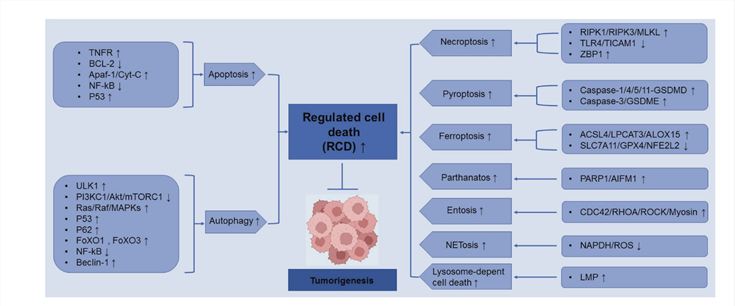 Fig.1 Main RCD-involved Signaling Pathways in Cancer.1,3
Services
Research has shown that cell death plays a crucial role in cancer progression, with abnormalities in the process of cell death leading to uncontrolled cell growth and tumor formation. Understanding the mechanisms of cell death in cancer cells is essential for developing targeted cancer therapies.
Creative Biolabs has developed analysis platforms to study cell death-mediated resistance mechanisms in cancer, including evaluation of anti-apoptotic protein upregulation, pro-apoptotic protein downregulation, activation of pro-survival signaling pathways, and mutation profiling in key regulators of cell death pathways.
For instance, we have studied several anti-apoptotic proteins, such as Bcl-2, Bcl-xL, and Mcl-1, which can protect cancer cells from undergoing apoptosis in response to chemotherapy or radiation. By targeting these proteins with small molecule inhibitors or other therapeutics, our staff have restored the sensitivity of cancer cells to cell death signals and enhanced the efficacy of cancer treatments. Moreover, we have also detailed assessments of various factors such as lipid peroxidation and iron metabolism, which are known to play a crucial role in ferroptosis. We gain a deeper understanding of how ferroptosis operates in cancer cells, enabling them to combat resistance and enhance treatment success rates.
In addition, our recent research has shifted focus to the study of autophagy, an intriguing area in the realm of cell death-mediated cancer resistance. Cancer cells can exploit autophagy, enhancing their survival and counteracting treatment effectiveness. This manipulation of autophagy gives us new ideas for developing anti-cancer methods.
- Analysis of cell death-related genes in cancer cells;
- Identification of cell death pathways that are dysregulated in cancer cells;
- Prediction of potential biomarkers for cell death-mediated cancer resistance;
- Evaluation of the impact of cell death inhibitors on cancer cell sensitivity to chemotherapy and immunotherapy.
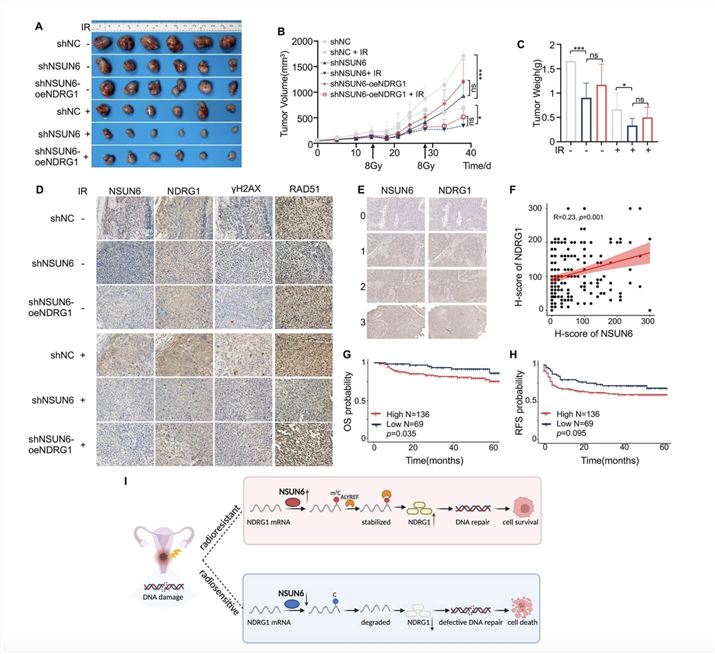 Fig.2 The NSUN6-ALY-m5C-NDRG1 Signaling Axis Can Promote Radioresistance in Cervical Cancer.2,4
MTT Assay Procedure
To study the role of cell death in cancer resistance, Creative Biolabs usually selects two cancer cell lines: one sensitive to chemotherapy (cell line A) and one resistant to chemotherapy (cell line B). Both cell lines will be treated with increasing concentrations of a commonly used chemotherapeutic agent over 72 hours. Cell viability will be then assessed at different time points using the MTT assay. Furthermore, we will measure the expression levels of key cell death markers, such as caspase-3 and PARP, using different analysis techniques, such as flow cytometry and western blot.
Creative Biolabs can explore the intricate mechanisms of cell death in cancer cells to develop exclusive strategies that selectively target and eliminate cancer cells while sparing healthy cells. Our team of expert researchers and scientists is dedicated to revolutionizing the field of cancer therapy through innovative approaches that harness the power of cell death pathways. If you are interested in our services, please contact us to learn more about our transformative cell death-focused cancer resistance analysis services. Let us guide you toward an accurate and bright cancer therapy future.
References
- Peng, Fu, et al. "Regulated cell death (RCD) in cancer: key pathways and targeted therapies." Signal transduction and targeted therapy 7.1 (2022): 286.
- Yu, Min, et al. "NSUN6-mediated 5-methylcytosine modification of NDRG1 mRNA promotes radioresistance in cervical cancer." Molecular Cancer 23.1 (2024): 139.
- Image retrieved from Figure 1 "Crucial signaling pathways of RCD subroutines in cancer." Peng et al., 2022, used under CC BY 4.0 (https://creativecommons.org/licenses/by/4.0/). The title was changed to "Main RCD-involved Signaling Pathways in Cancer."
- Image retrieved from Figure 6 "The roles of NSUN6-ALY-m5C-NDRG1 axis in cervical cancer radioresistance." Yu et al., 2024, used under CC BY 4.0 (https://creativecommons.org/licenses/by/4.0/). The title was changed to " The NSUN6-ALY-m5C-NDRG1 Signaling Axis Can Promote Radioresistance in Cervical Cancer."
 Download our brochure