HepG2 based Cytotoxicity Assay Service
Liver toxicity is one of the primary systemic toxicities associated with drugs. Creative Biolabs offers HepG2-based cytotoxicity assay service for ADME. Creative Biolabs is committed to providing customers with efficient and accurate results of drug toxicity analysis in vitro.
Drug-induced Cytotoxicity
Drug-induced toxicity is a complex issue involving the covalent binding of drug metabolites with cellular nucleophiles such as nucleic acids and proteins. This covalent binding can lead to cytotoxicity, including adverse effects such as liver toxicity. This formation of covalent bonds can result in cytotoxicity, which may include negative outcomes like liver toxicity. The biological activation of parent drug compounds into more active metabolites can result in cellular toxicity.
Drug toxicity can be categorized into some groups such as on-target toxicity, metabolic activation to toxic metabolites, idiosyncratic toxicities, and so on. Idiosyncratic toxicities are rare and are thought to represent the unique susceptibility of affected individuals. Research on drug toxicity involves the use of various methods, including genomics, transcriptomics, and the study of signaling pathways and networks. Understanding and managing drug toxicities are crucial goals in drug development.
Drug-induced toxicity encompasses several aspects:
- Covalent binding of drug metabolites to cellular nucleophiles, such as proteins and nucleic acids.
- Direct damage to proteins leads to dysfunction.
- Formation of protein adducts disrupting normal protein function.
- Activation of signaling pathways that trigger detrimental cellular reactions.
- Induction of oxidative stress due to depletion of cellular antioxidants.
- Interruption of normal cellular functions, resulting in toxicity.
- Involvement of receptor-mediated events, DNA and protein damage, cell proliferation, and immune responses in cellular toxicity.
HepG2-based Cytotoxicity Assay
Liver toxicity is a significant systemic toxicity caused by drugs and chemicals, calling for in vitro solutions that are more relevant to mammals, efficient in screening, and cost-effective. Besides promoting animal welfare, in vitro methods also aid in exploring and comprehending the molecular pathways involved in toxicity.
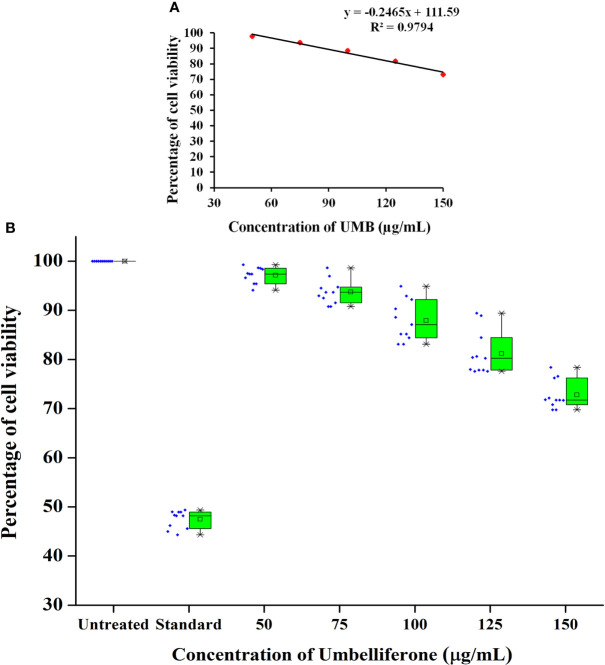 Fig.1 MTT-based cytotoxicity analysis on the HepG2 cell in vitro.1
The use of human cell models like HepG2 cells allows for the identification of organ toxicity in a robust and reproducible manner, providing valuable insights into toxicological mechanisms without the need for animal testing. It is demonstrated that HepG2 cells can identify different liver toxicities.
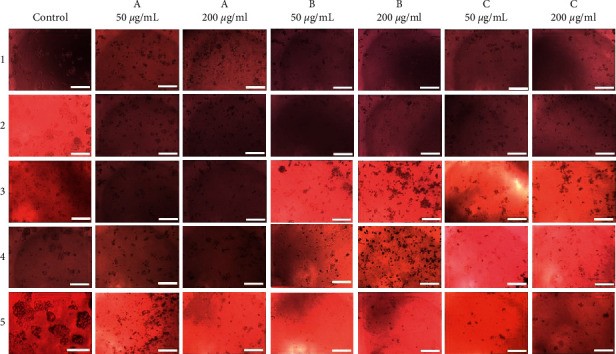 Fig.2 Microscopic images of HepG2 cells treated with multiple groups of compounds.2
Creative Biolabs offers HepG2-based cytotoxicity assay service with several parameters: Number of cells; Size of nuclear; Membrane potential of mitochondria; Level of free calcium inside cells; and Permeability of cell membranes.
We hope you can feel free to contact us, and we will assist you in the early stages of drug discovery. You might be interested in these related services: Analysis of Drug Metabolic Stability, Analysis of Drug Distribution, and Analysis of Protein Binding. Please click here to find out more about our ADME services.
Reference
- Kasthuri, T., et al. "Proteomic profiling spotlights the molecular targets and the impact of the natural antivirulent umbelliferone on stress response, virulence factors, and the quorum sensing network of Pseudomonas aeruginosa." Frontiers in cellular and infection microbiology 12 (2022): 998540.
- Thusyanthan, J., et al. "Cytotoxicity against Human Hepatocellular Carcinoma (HepG2) Cells and Anti-Oxidant Activity of Selected Endemic or Medicinal Plants in Sri Lanka." Advances in pharmacological and pharmaceutical sciences (2022): 6407688.
 Download our brochure