Immune Checkpoint Assay Service
Creative Biolabs provides a one-stop service for immune checkpoint assays.
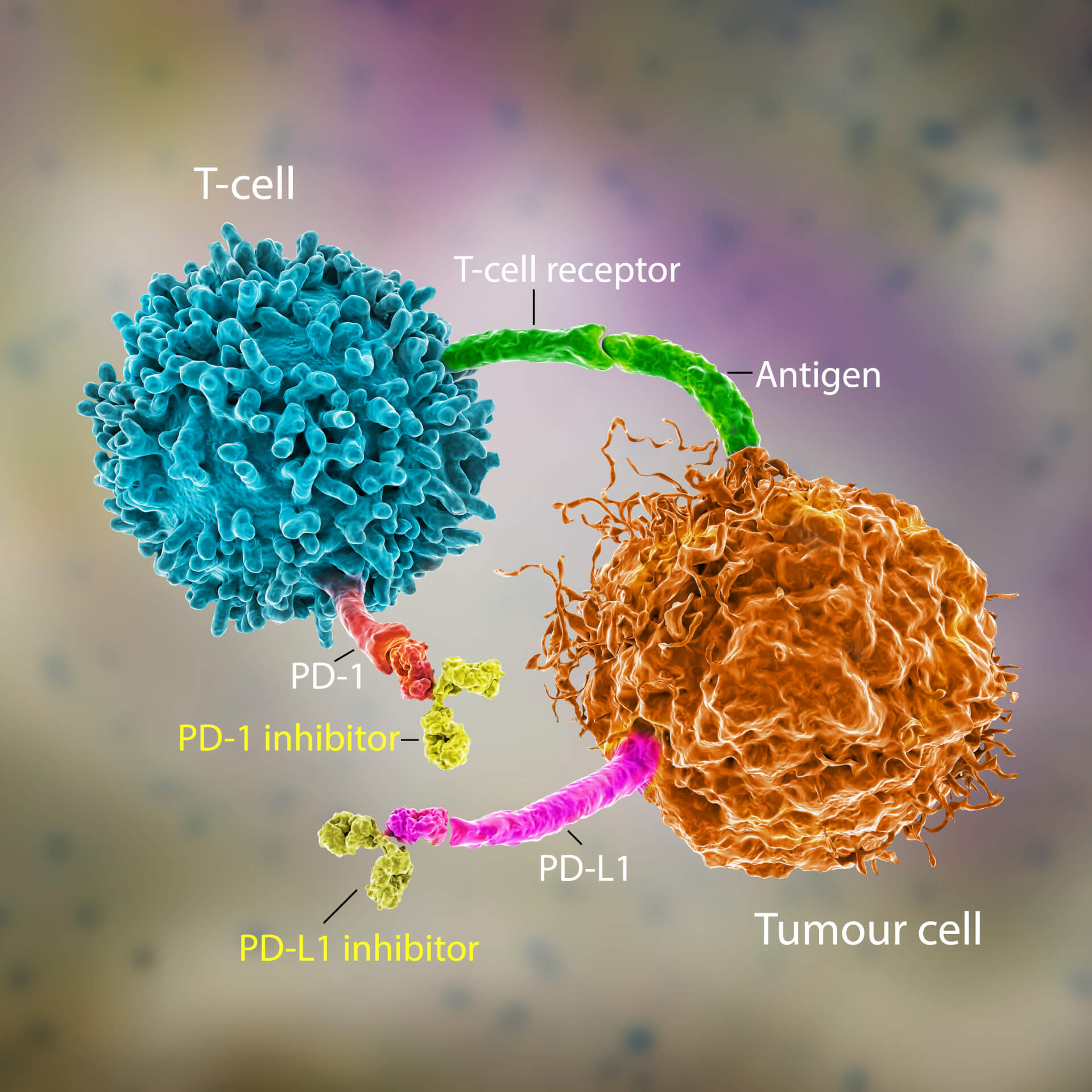
Immune checkpoints are a family of membrane proteins on the effector cells (such as T/B cells and NK cells) that consist of co-inhibitory and co-stimulatory pathways, enabling this cell group to remove unwanted substances while maintaining their tolerance efficiently, an important pathway for immune regulation. Generally, there are two types of immune checkpoints: activating receptors and inhibitory receptors. Consequently, the general mechanisms between the immunotherapeutic antibodies can be better described as a blockade pathway (functional antagonists) or enhance the pathway (functional agonists), as the receptors, blocking antibodies to them will have different properties and requirements for downstream signals. With years of experience developing various biological assays, Creative Biolabs has initiated a novel set of cell-based assays to quantitatively and effectively assess the mechanism of action of the antibodies by exploiting our cutting-edge technology and advanced knowledge in the field.
Immune Checkpoint Targets (including but not limited to):
| Inhibitory Immune Checkpoints | Target | Receptor |
|---|---|---|
| B7-1 (CD80) | PD-L1 | |
| B7-2 (CD86) | CTLA4 | |
| PD-L1 | PD-1 | |
| PD-L2 | B7-1 & PD-1 | |
| CD48 | CD244 | |
| CD155 | TIGIT | |
| CD112 | CD112R | |
| KIR | MHC I | |
| NKG2D | RAE-1 | |
| Stimulatory Immune Checkpoints | MHC | TCR |
| B7-H2 | ICOS | |
| CD137L | CD137 | |
| OX40L | OX40 | |
| GITRL | GITR | |
| CD70 | CD27 | |
| CD40 | CD40L |
Details of Our Checkpoint Assays
We can help our clients design a roadmap that begins with the screening and analysis of the selected candidates, performs interaction analysis with the selected candidates, and then progresses to the analysis of the immunomodulatory function. Through this roadmap, we can demonstrate the binding and functional properties of antibodies and their underlying mechanisms of action. We offer the following services:
- Immunological checkpoint blocking assays from multiple classical pathways, readings by FACS or ELISA.
- Custom cell-based, reporter, or receptor-ligand assay.
- Induce biologically relevant responses without the use of difficult and expensive primary cells (reporter cell lines).
- T cell proliferation assay, cytokine production assay, and T cell cytotoxicity assay.
- All tests are performed using high-quality reagents and strictly controlled by experienced immunologists.
Comparison of Immune Checkpoint Techniques
| Molecule forDetection | Techniques | Advantages |
|---|---|---|
| Antibody |
- ELISA - Colloidal Gold - Radioimmunoassay (RIA) - Chemiluminescent Immunoassays |
- High affinity and selectivity - High sensitivity - Suitable for diverse biological samples - ELISA offers high specificity, widely used in research and clinical applications |
| Nucleic Acid Aptamer | - SELEX-based Aptamers |
- High thermal stability - Easy chemical synthesis/modification - Low immunogenicity - Specific target recognition without cell production |
| Affinity Ligand |
- Surface Plasmon Resonance (SPR) - Bio-Layer Interferometry (BLI) |
- Short oligonucleotides with specific binding to proteins - Modifiable sequences - Real-time molecular interaction monitoring - High throughput and flexibility |
Immune Checkpoint Assays Applications in Cancer Therapy
Immune Checkpoint Inhibitors (ICIs)
The efficacy of ICIs against PD-1, PD-L1, and CTLA-4 has moved cancer treatment from dismal histories of no improvement to exciting possibilities for cure by 'turning on' T cells and unleashing them to attack. ICIs, pioneered in melanoma, non-small cell lung cancer, and renal cell carcinoma, have spread their wings to other cancers. Immune checkpoint assays provided by Creative Biolabs allow researchers or physicians to assess the functional activity of ICIs for their use in preclinical as well as clinical studies.
Combination Therapies
Recently, to improve therapeutic outcomes of monotherapy with single-agent ICIs due to the limitations of incomplete responses and resistance, great efforts have been put into combination therapies with immunotherapies (such as ICIs), chemotherapies, targeted therapies, or others, to boost the anti-tumor immune response. Creative Biolabs provides a variety of combination therapy checkpoint blockade assays, providing valuable information for guiding combination therapy screening and choosing the optimum therapeutic regimen.
Clinical Efficacy and Challenges
However, despite their immense contributions to modern cancer therapy, ICIs will likely continue to face several challenges, such as resistance mechanisms and immune-related adverse events (irAEs). Creative Biolabs has been recasting a variety of state-of-the-art assays intending to predict patient response to ICIs, to make the right treatment available to the right patients with minimal toxicity and side effects.
Publication
This study used targeted mass spectrometry (MS) to measure key immunotherapy target proteins in non-small cell lung cancer (NSCLC) samples preserved in FFPE tissue. The goal was to better quantify these proteins, which is crucial for understanding and improving immunotherapy responses.
Key findings include:
- PD-L1 levels measured by MS didn't strongly match those from traditional immunohistochemistry (IHC), and IHC couldn't detect the subtle protein differences that MS could.
- Surprisingly, PD-L2 was more abundant than PD-L1 in over half of the samples.
- Only PD-1, PD-L1, and IDO1 protein levels correlated with their mRNA levels, and tumor mutation burden didn't predict any protein target abundance.
- Broader proteome analysis revealed distinct protein profiles in tumors with high PD-L1 or IDO1 expression.
The study suggests that MS-based protein quantification, along with proteome profiling, could enhance how we assess and select immunotherapies for NSCLC patients.
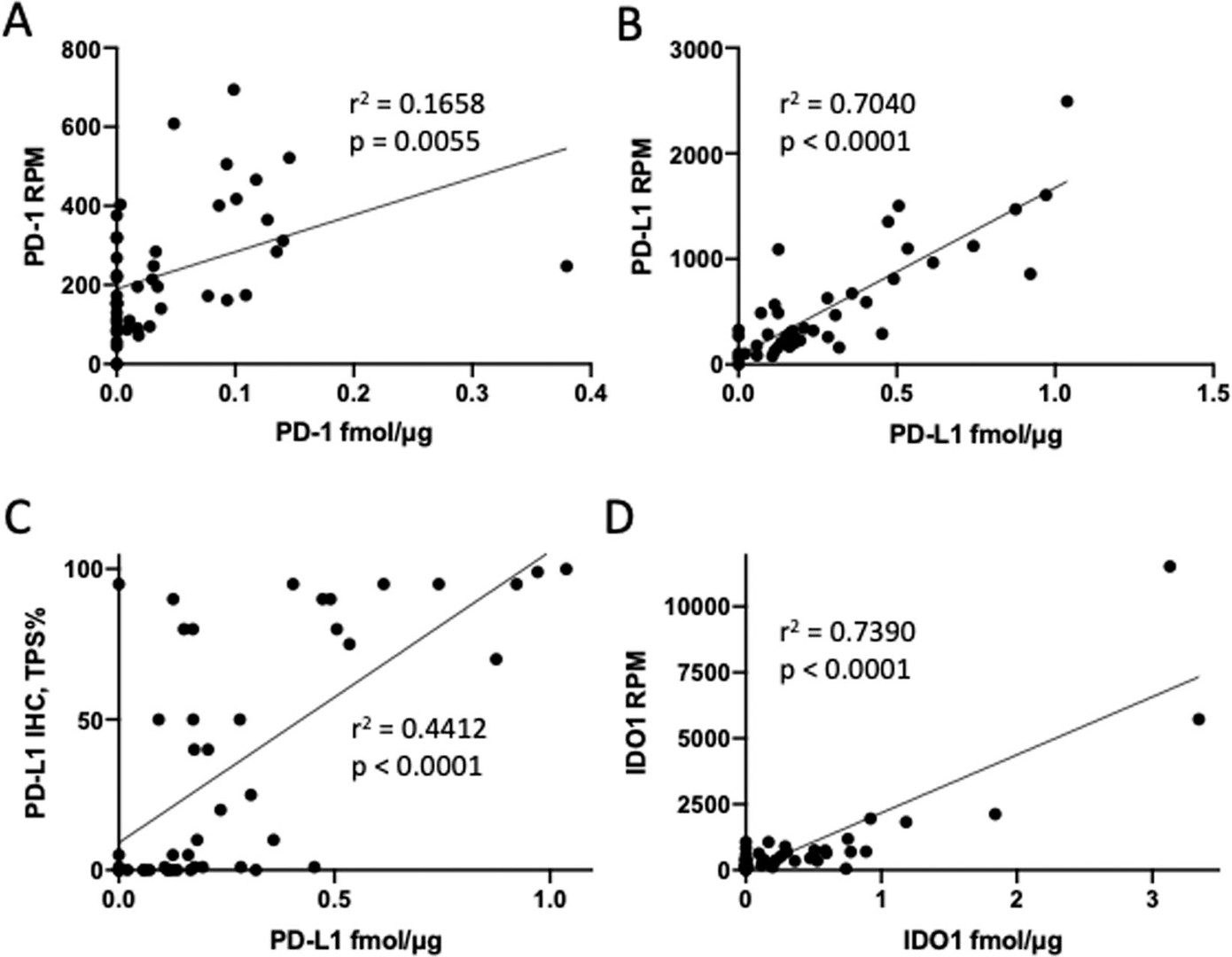 Fig.1 Analyzing the relationship between PD-1 mRNA and protein levels.1
Advances in Immune Checkpoint Assay
Innovations in immune checkpoint assay technologies have opened new avenues for therapeutic interventions. Companies like Creative Biolabs are at the forefront of these advancements, contributing to the development of next-generation therapies.
New Checkpoint Discoveries
Emerging immune checkpoints such as CD3L1 and GPR34 are expanding the range of potential therapeutic targets. These novel checkpoints offer alternative pathways for immune regulation, particularly in cancers that do not respond to traditional PD-1 or CTLA-4 inhibitors. Creative Biolabs is actively involved in developing assays to study these new targets, enhancing our understanding of their roles in immune modulation.
Dual and Bispecific Antibodies
Dual and bispecific antibodies represent a promising novel strategy of cancer immunotherapy, aimed at concurrently targeting two immune checkpoints that could boost therapeutic efficacy and lower resistance, and Creative Biolabs has established innovative assays to evaluate the efficacy of dual and bispecific antibodies.
For more details, please feel free to contact us us or send us a query directly
Related Services
Reference
- Liebler, D. C., et al. "Analysis of immune checkpoint drug targets and tumor proteotypes in non-small cell lung cancer." Scientific Reports 10.1 (2020): 9805. Distributed under Open Access license CC BY 4.0, without modification. DOI: https://doi.org/10.1038/s41598-020-66902-0

 Download our brochure