Next-IO™ PD-L1 × TIM-3 Therapeutic Bispecific Antibody Program
About This Program
This program aims to develop PD-L1 x TIM-3 therapeutic bispecific antibody for melanoma immunotherapy.
Rationale
- Programmed cell death 1 immunological checkpoint inhibitors (anti-PD-1, anti-PD-L1) have demonstrated exciting clinical benefit in some patients with manageable safety for a variety of tumor types.
- Studies have shown that T-cell Immunoglobulin and mucin domain-3 (TIM-3) is co-expressed with PD-1 on exhausted T cells and may be up-regulated in tumors resistant to PD-1 therapy.
- Preclinical studies have shown that simultaneous blocking of PD-1 and TIM-3 improves survival in tumor-bearing mice compared to anti-PD-1 monotherapy blockade.
- Bispecific antibody (BsAb) is a novel antibody that mediates specific killing by targeting two different antigens and selectively redirecting effector cells to target cells. This enhanced synergistic anti-tumor effect highlights a promising approach to immunotherapy.
Our program is designed to target both TIM-3 and PD-L1 simultaneously, which may hopefully overcome primary and acquired anti-PD-(L)1 resistance through a novel mechanism, thus providing a promise for anti-tumor T cell immunity.
PD-L1 x TIM-3
Binding of PD-L1 to PD-1 on activated T cells inhibits expansion and survival of CD8-positive T cells, suppresses the immune system and leads to immune evasion. Blocking PD-1 abolishes T cell inhibition, activates antigen-specific T lymphocytes and enhances cytotoxic T cell-mediated tumor cell lysis, which may result in reduced tumor growth. Up to now, several anti-PD1 monoclonal antibodies have been approved by officials because they have great clinical anti-tumor outcomes.
TIM3 is expressed in a variety of T cells, including immunological checkpoints expressed on tumor infiltrating lymphocytes (TIL). It is generally considered to be a negative regulator of anti-tumor immunity. Blocking of TIM3 has shown promising efficacy in some ongoing clinical trials. A growing number of preclinical studies suggest that TIM-3 is another key immune checkpoint receptor. We believe that anti-TIM3 may be the next promising treatment for cancer immunotherapy.
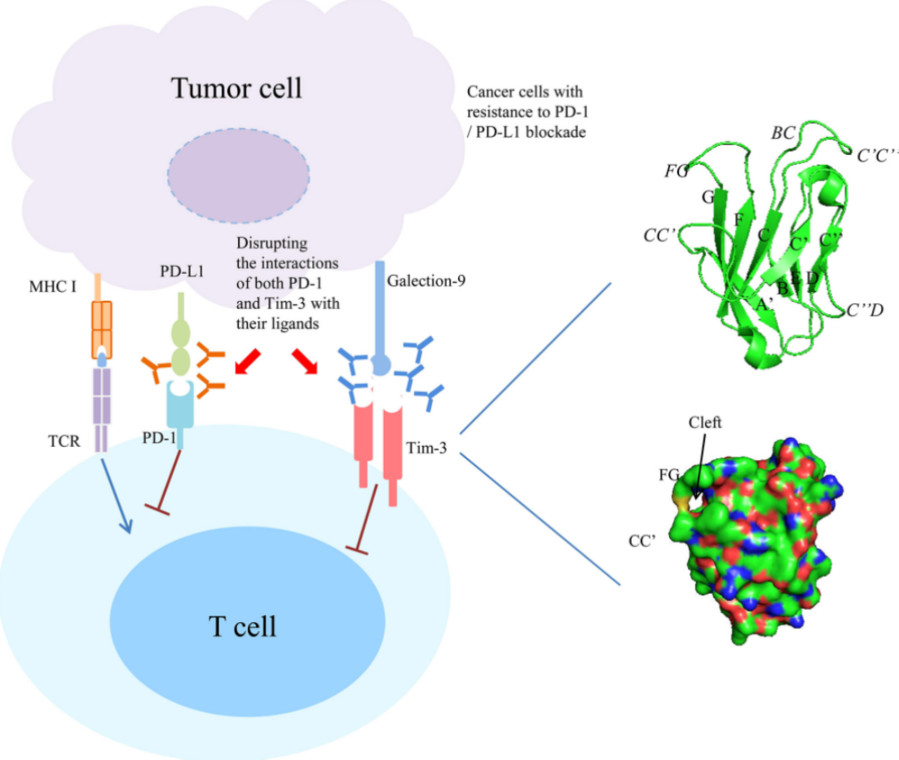 Fig.1 Therapy targeting Tim-3 and PD-1.1
Supporting Data
The following data support the rationale for the development of PD-L1 x TIM-3 BsAbs with an improved therapeutic index for the treatment of tumor.
- Combination therapy with anti-PD-L1 and anti-TIM-3 antibodies showed significantly improved anti-tumor efficacy compared to treatment with anti-Tim-3/anti-PD-L1 alone.
- Treatment with anti–Tim-3 plus anti–PD-L1 restores TILs function.
Melanoma
- Melanoma accounts for less than one percent of skin cancer cases but causes most skin cancer deaths. In the United States, the 5-year survival rate for patients with early melanoma findings is estimated to be approximately 98% in the United States. When the disease reaches the lymph node, the survival rate drops to 62%, and when the disease spreads to distant organs, the survival rate drops to 18%.
- In the United States, about one person per hour dies of melanoma. It is estimated that 7,230 Americans will die of melanoma in 2019.
- In 2019, more than 192,000 Americans are expected to be diagnosed with melanoma. Of these, more than 92,000 will be diagnosed as invasive.
Ongoing Clinical Trials
- Up to now, only one anti-PD-L1 x TIM-3 BsAb is being studied in a clinical phase 1 trial for advanced solid tumors. Our program still holds broad market prospects.
| NCT ID | Status | Sponsor | Project | Phase | Update Time |
| NCT03752177 | Active, not recruiting | Eli Lilly and Company | an anti-PD-L1 x TIM-3 BsAb in Participants With Advanced Solid Tumors | Phase 1 | October 17, 2019 |
- In an effort to optimally leverage PD-L1 x TIM-3-mediated immune response, our next-IO™ PD-L1 x TIM-3 targeted antibody program attempts to explore the optimal combination strategy by involving other immunomodulatory agents.
Program Management
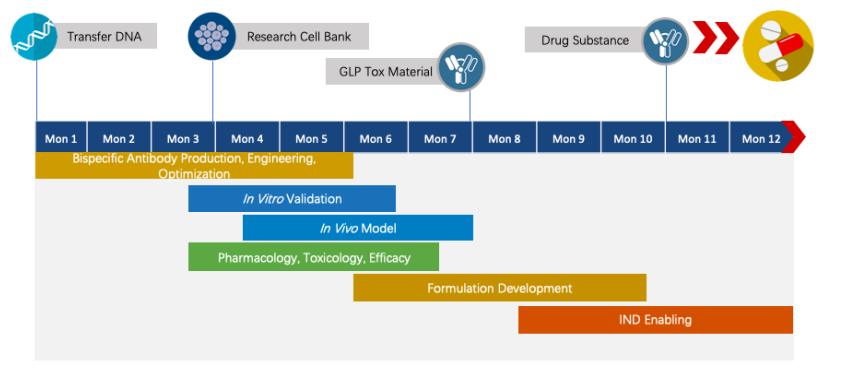
Creative Biolabs has extensive knowledge of end-to-end program development. For each program, we are committed to delivering the final complete program to our clients within 1.5 years before entering the IND stage.
Cooperation
Creative Biolabs is looking for potential partners (include but not limit to major pharma or biotech firms) to develop the PD-L1 x TIM-3 dual-targeted antibody program together. Our scientists are dedicated to bringing years of valuable experience to our partner and achieve a meaningful partnership together. For any partners interested in our Next-IO™ programs, Creative Biolabs welcomes collaboration.
Here are two ways for your choice, and please contact us for more details.
1) Collaborate with us and co-develop the programs from the discovery phase to IND enabling. Costs will be shared.
2) Become a licensed candidate for our programs.
With our quality control protocol and knowledge of global regulatory requirements, we can help our partners further their programs with more chances to succeed. Look forward to cooperating with you in the near future.
Reference
- Tian, Tian, and Zhaoming Li. "Targeting Tim-3 in cancer with resistance to PD-1/PD-L1 blockade." Frontiers in oncology 11 (2021): 731175. Distributed under Open Access license CC BY 4.0, without modification.
 Download our brochure