Creative Biolabs provides a fully validated viral clearance service for biopharmaceutical customers.
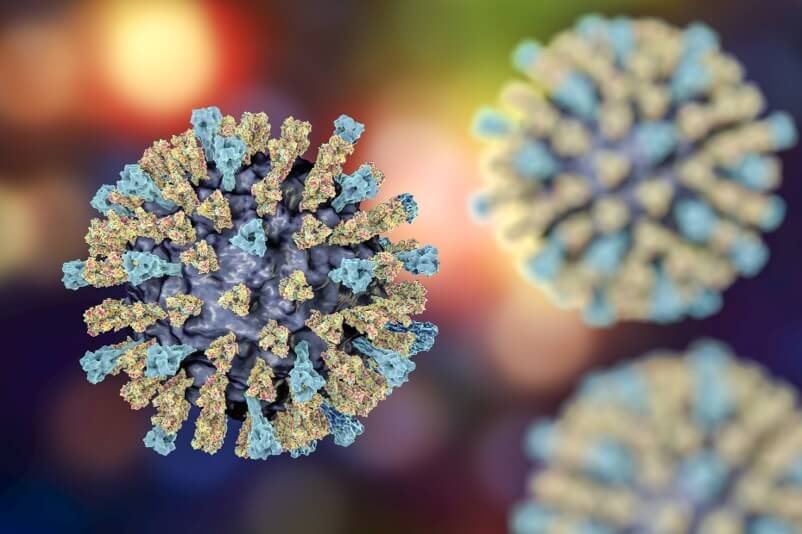
As the process of viral clearance is a critical recovery step for the development and production of various biologics, including monoclonal antibodies, recombinant proteins and glycoproteins, tissue and blood-derived products, and medical devices, viral contamination is commonly introduced from cell lines, tissue sources, or raw materials of animal origin. According to the ICH Q5A Regulatory Guidelines, biopharmaceutical products for human use must not be affected by potential contaminants. Creative Biolabs provides a comprehensive, fully comprehensive virus clearance service and contamination testing covering all phases of development, manufacture, and release of biological products.
Viral contamination in biologics manufacturing could be a potential risk to patient safety and product integrity. The recent and most severe incidences of viral outbreaks are associated with therapeutic products, which proves indispensable viral clearance procedures before marketing and usage. With more than one orthogonal virus clearance method and following global standards, the risks can be significantly mitigated. The viral clearance studies can be designed for their specific needs while all the viral clearance methods comply with the above-mentioned regulatory standard for comprehensive viral safety, as well as GLP (Good Laboratory Practice) guidelines to accommodate biosafety aspects. At Creative Biolabs, we can provide comprehensive virus clearance services, including adenovirus, retrovirus, parvovirus, pseudorabies virus, and influenza which are all designed to meet the need of regulatory submission.
Viral clearance is achieved through a series of complementary methods designed to target both enveloped and non-enveloped viruses. These methods work in concert, ensuring the elimination of a broad spectrum of viral contaminants. Orthogonal approaches employ multiple independent viral clearance mechanisms within a single manufacturing process. By using distinct methods that target different viral attributes, we can achieve higher Log Reduction Values (LRVs), which quantify the reduction in viral concentration. Low-pH Inactivation, Nanofiltration and Chromatography are three main methods for viral clearance. The following chart makes a clear comparison among them from several aspects.
1. Risk Assessment and Virus Selection
Viral clearance studies at Creative Biolabs begin with risk assessments to identify potential viral contaminants in raw materials and intermediate products. We select relevant viruses for spiking studies, including both enveloped and non-enveloped viruses, based on their relevance to the manufacturing process.
2. Scale-Down Models for Feasibility Studies
Pilot testing with scale-down models replicates full-scale production conditions, helping predict virus clearance performance. Key parameters like flow rates, buffer conditions, and filtration pressure are carefully controlled to ensure accurate results.
3. Optimization of Process Parameters
Process optimization involves fine-tuning variables such as pH, flow rate, and filtration pressure to maximize viral removal without compromising product quality. Creative Biolabs conducts feasibility studies to identify the optimal parameters for each clearance step.
4. Validation Studies with Orthogonal Methods
Creative Biolabs employs an orthogonal approach by combining complementary clearance methods such as chromatography and nanofiltration. Each step is validated with a focus on achieving high log reduction values (LRVs) to meet regulatory requirements.
5. Data Analysis and Reporting
We use real-time monitoring tools to track viral load throughout the process, ensuring consistency and detecting deviations. Detailed documentation and data reports support regulatory submissions, providing evidence of the clearance process' reliability.
With years of experience and a GLP-qualified laboratory, Creative Biolabs' viral clearance services ensure that your biological production process complies with international guidelines. For more details, please feel free to contact us for project quotations and more minute information.
What is the Purpose of Viral Clearance in Biologics Manufacturing?
Viral clearance ensures biological safety by eliminating or inactivating potential viral contaminants. It protects patients and maintains product integrity by targeting known and adventitious viruses. Regulatory bodies like the FDA and ICH Q5A require robust viral clearance validation to ensure biologics are free of infectious agents and ready for clinical use.
Which Viruses Are Typically Tested During Viral Clearance Studies?
The following viruses represent likely contaminants from cell cultures or animal materials. Commonly tested viruses include:
-
Enveloped Viruses: MuLV, XMuLV, BVDV
-
Non-enveloped Viruses: MVM, Reovirus Type 3
What are the Benefits of Using Orthogonal Methods for Virus Removal?
Orthogonal methods combine distinct techniques like chromatography, nanofiltration, and low-pH inactivation. This layered approach improves virus elimination by enhancing robustness, mitigating failures, and covering a broader virus range, ensuring higher cumulative Log Reduction Values (LRVs).
What Regulatory Guidelines Should Be Followed for Viral Clearance Validation?
Regulatory frameworks include ICH Q5A, FDA, and EMA guidelines. They require GLP standards, detailed documentation, risk assessments, and orthogonal approaches to ensure process reliability and product safety before clinical trials.
How Do Single-Use Systems Improve Virus Filtration Processes?
Single-use systems reduce contamination risks by eliminating cleaning requirements. They offer flexibility, faster changeovers, and lower operational costs, accelerating time to market. Creative Biolabs integrates these systems to ensure efficient, contamination-free production.
 Download our brochure