Creative Biolabs is offering the most comprehensive services for antibody development projects. With strict regulation and effective execution, we are dedicated to providing the most valuable solutions to complete your projects.
HighlightsCreative Biolabs is offering the most comprehensive services for antibody development projects. With strict regulation and effective execution, we are dedicated to providing the most valuable solutions to complete your projects.
HighlightsCreative Biolabs has established a broad range of platforms for developing novel antibodies or equivalents. These cutting-edge technologies enable our scientists to meet your demands from different aspects and tailor the most appropriate solution that contributes to the success of your projects.
HighlightsWith deep understanding in antibody-related realms and extensive project experience, Creative Biolabs offers a variety of references to help you learn more about our capacities and achievements, including infographic, flyer, case study, peer-reviewed publications, and all kinds of knowledge that can assist your projects. You are also welcome to contact us directly for more specific solutions.
HighlightsGet a real taste of Creative Biolabs, one of the most professional custom service providers in the world. We are committed to providing highly customized comprehensive solutions with the best quality to advance your projects.
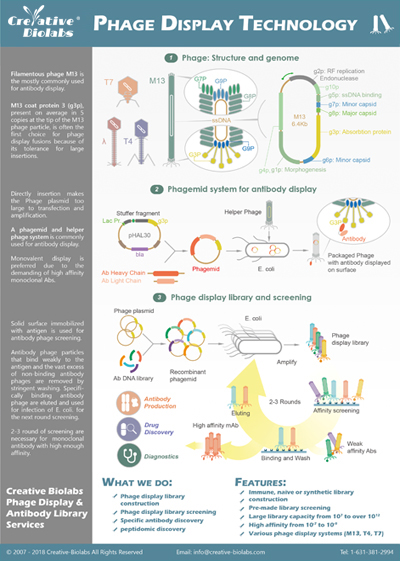
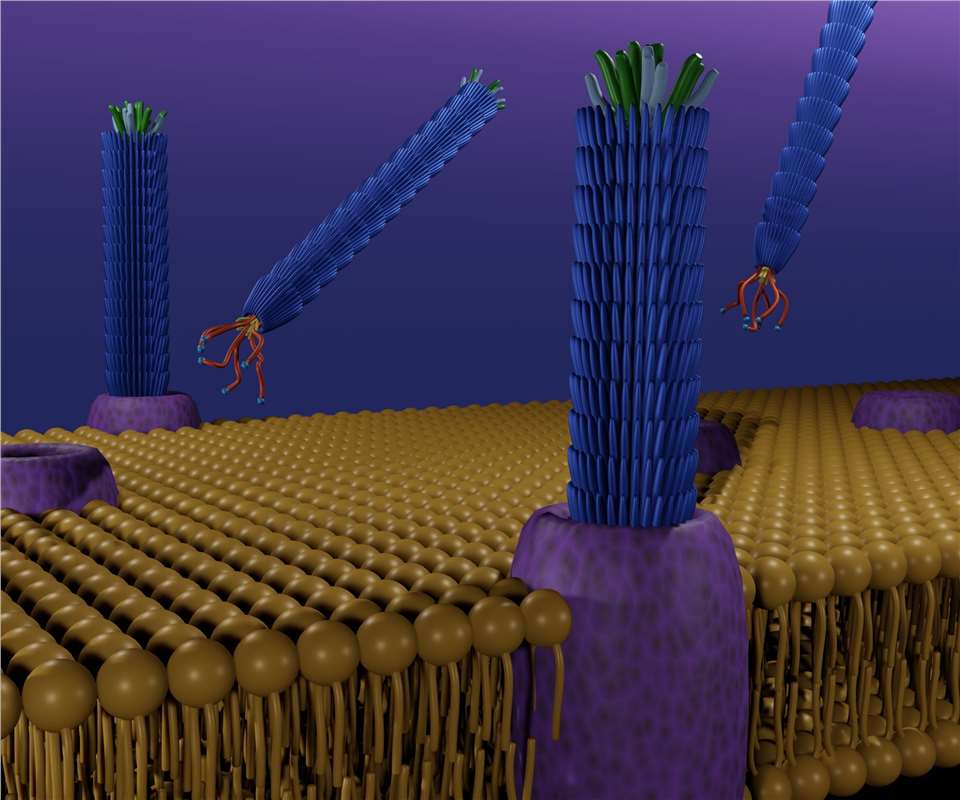
HighlightsSince its introduction in the 1980s, phage display has become one of the most powerful techniques in molecular biology, especially when it comes to discovering antibodies, mapping epitopes, and developing new therapeutics. At the heart of this technology is the M13 filamentous phage — a single-stranded DNA virus that infects E. coli and has proven to be an incredibly versatile tool for building vast, high-diversity libraries.
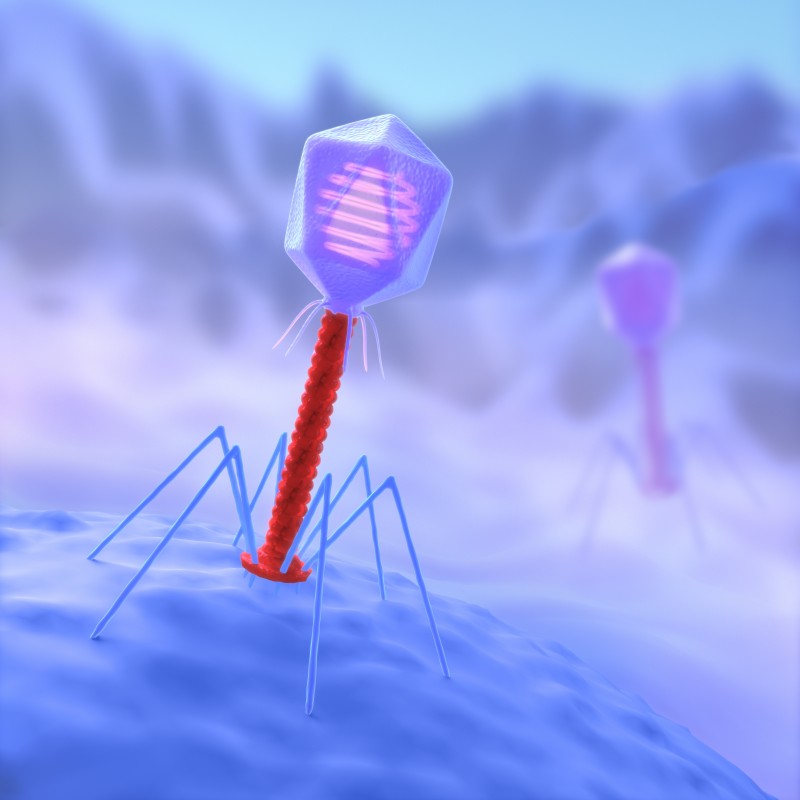
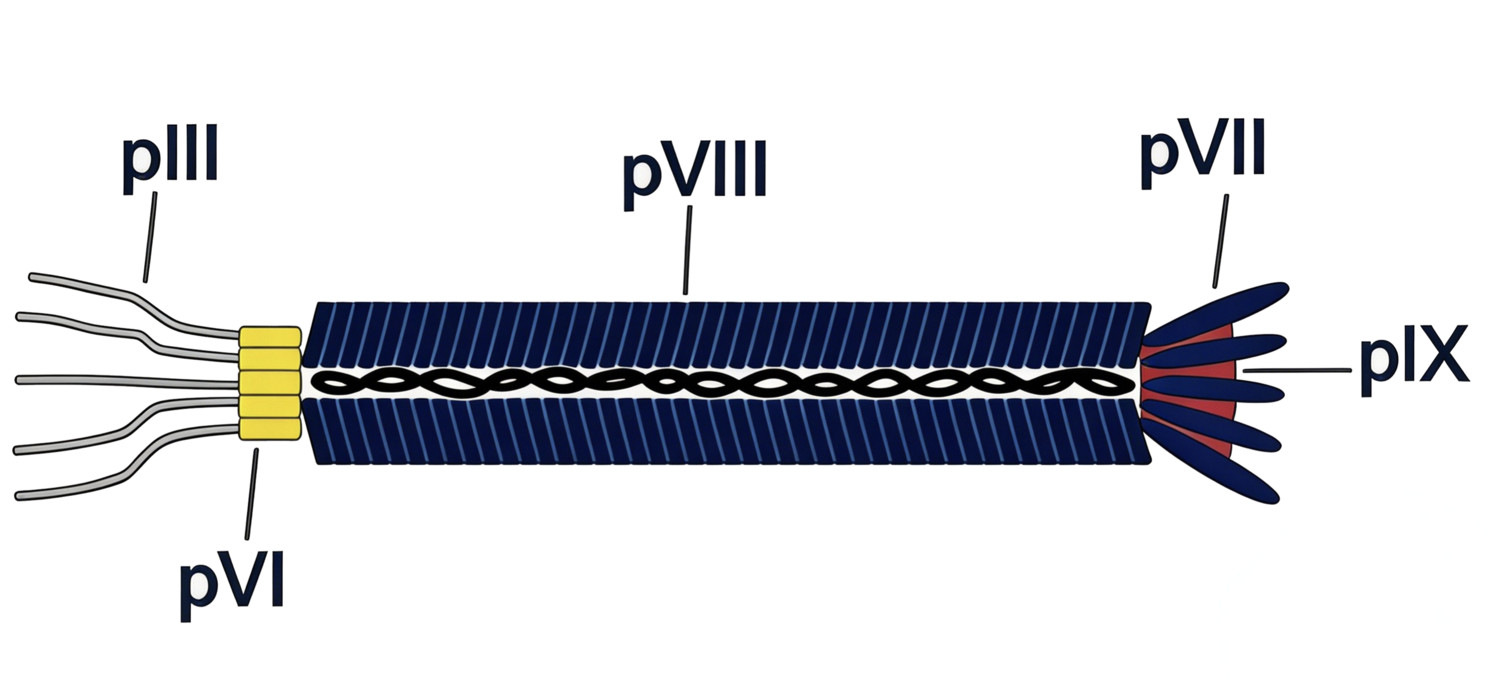 Fig.1 Schematic diagram of the structure of filamentous bacteriophage M13.
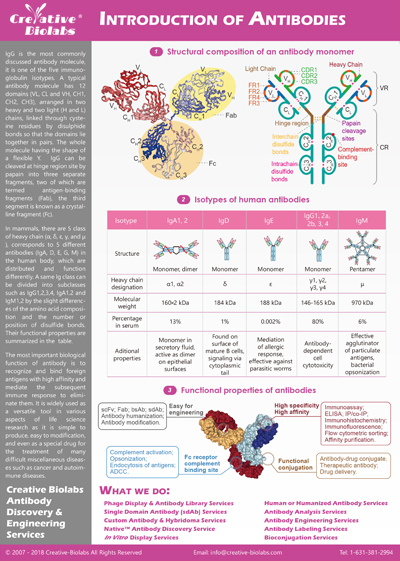
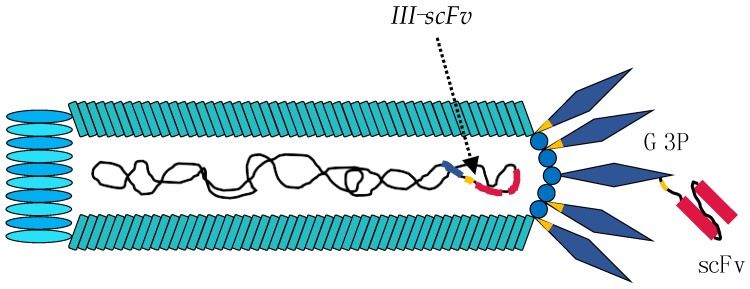
Among all the phage vehicles available today, M13 has stood the test of time. Its ability to present peptides or proteins on its coat proteins, particularly pIII and pVIII, makes it the go-to choice for researchers worldwide. Whether you're screening for high-affinity antibodies, identifying protein-protein interactions, or creating a custom peptide display, M13 is likely the foundation of your system.
At Creative Biolabs, we've spent years perfecting every aspect of M13 phage display. Our scientists combine deep technical expertise with advanced proprietary platforms to deliver tailor-made phage libraries that are ready to perform. From antibody discovery to novel ligand identification, our M13 phage library construction services are built to meet the diverse needs of the scientific community.
Accelerate antibody, peptide, and protein discovery with fully customized solutions!
At Creative Biolabs, we specialize in end-to-end M13 phage display services, designed to support everything from target validation to hit discovery. Whether you're mapping epitopes, identifying binders, or developing therapeutic antibodies, we offer the right platform and expertise to help you succeed.
|
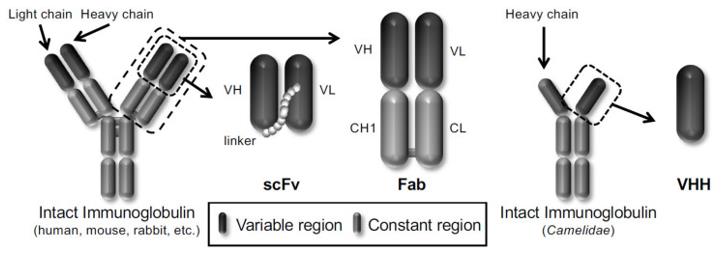
Fully Customized Library Construction Build the library you need, the way you need it.  We offer tailored M13 phage display library construction services for antibodies, proteins, and peptides. Our flexible platforms support scFv, Fab, VHH, peptide scaffolds, and more, ensuring compatibility with diverse screening goals. |
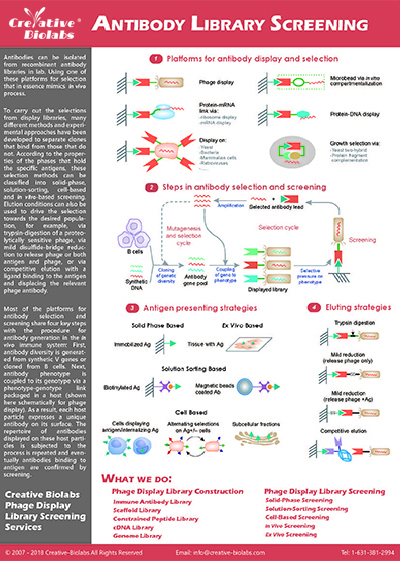
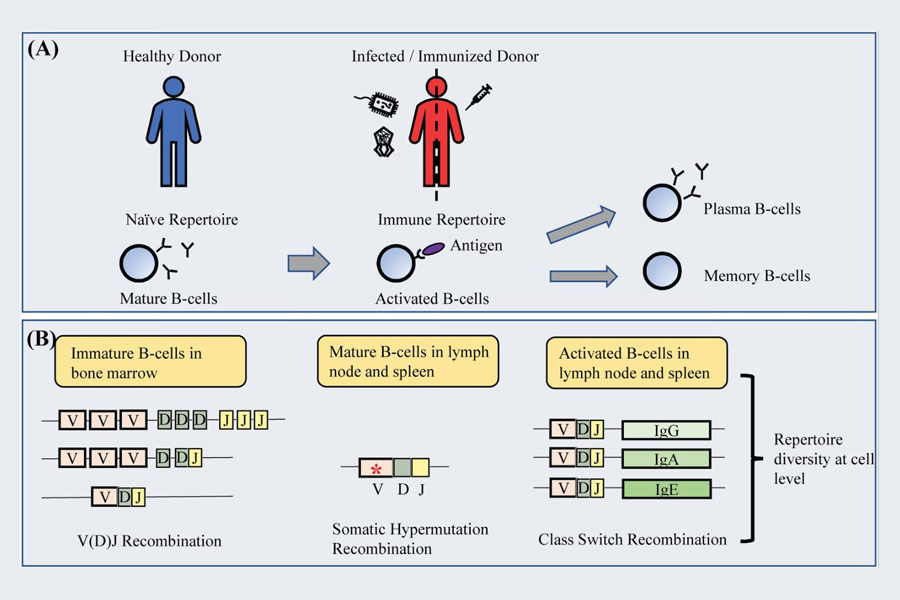
Antibody Library Construction Discover high-affinity antibodies with robust immune or naïve libraries.  Need to discover high-affinity antibodies? Using B cells from human or various animal sources, we build high-complexity M13 libraries (108–1011) in formats such as scFv, Fab, and VHH. Ideal for therapeutic discovery, diagnostic development, or target validation. |
|
Peptide Library Construction Rapid identification of epitopes and binding motifs.  We design randomized peptide libraries displayed on pIII or pVIII for high-density presentation—perfect for epitope mapping, receptor binding studies, and ligand discovery. |
cDNA and Protein Library Construction Explore protein-protein interactions or unknown targets.  By optimizing display and structural folding, our cDNA and protein libraries open up new possibilities for discovering unknown binding motifs, functional domains, and interaction networks. |
Start Your Custom M13 Library Project. Contact Our Specialists.
- Collaboratively assess the feasibility of your project.
- Tailor the most suitable strategy based on the type of antibody, peptide, or protein you aim to screen.
We also offer a couple of specialized services to support more advanced M13 library construction needs.
Each step—from RNA extraction and cDNA synthesis to amplification, cloning, transformation, and packaging—is carried out with meticulous attention to quality and reproducibility. We also conduct rigorous library titer testing to ensure you get a high-complexity, high-quality product.
Unlock the Power of Phage Display. Schedule a Consultation.
Precision. Flexibility. Scientific Insight.
We support both pIII and pVIII display systems, depending on your application. pIII is ideal for selecting high-affinity binders due to its low-copy display, while pVIII offers high-density presentation for immunoassays and interaction studies.
Table 1. A Comparison Between PIII and PVIII Phage Display Systems
| M13 Phage Display Systems | PIII Display System | PVIII Display System |
| Number of Clones | Relatively Low | Relatively High |
| Display Valency | Monovalent or Low-Valent Display | Multivalent Display |
| Insert Size Tolerance | Supports Larger Inserts (e.g., full-length proteins, cDNA) | Limited to short peptides (<30 amino acids) |
| Binding Affinity | High-affinity selection (stringent panning possible) | Enhanced avidity, suitable for weak binders |
| Typical Applications | Ideal for antibody fragments, protein domains, cDNA libraries | Best for random peptide libraries, epitope mapping |
Looking for more advanced display options? We also work with minor coat proteins like pVI, pVII, and pIX enabling dual-display or engineered configurations for more complex discovery strategies.
To explore additional species options, please refer to our mAb Discovery Services for more information.
Our proprietary workflows routinely deliver libraries with complexities ranging from 108 to >1011, offering broad target coverage and increasing the chance of identifying rare, high-performance binders.
We construct naïve, immune, and synthetic phage display libraries—fully tailored to your project needs. Whether derived from immunized donors or de novo designed scaffolds, each library is built for maximum screening power.
Beyond library construction, we offer end-to-end support to accelerate your antibody or peptide discovery pipeline—ensuring a smooth transition from library to hit discovery.
Whether you're starting with an idea or a defined target, our M13 phage display services are designed to deliver actionable results with scientific precision. Please contact us to discuss your M13 phage library construction options.
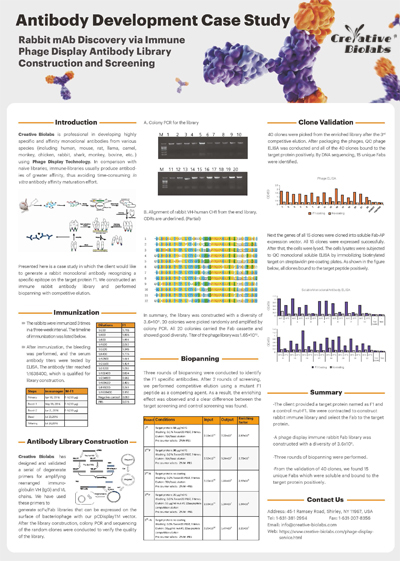
Success stories highlight our end-to-end capability in custom phage display antibody library construction.
|
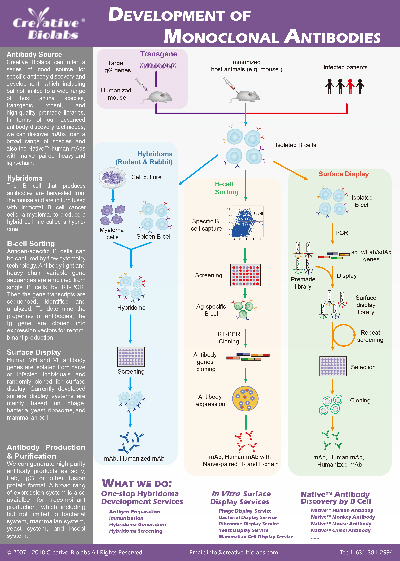
End-to-End Antibody Discovery From Mouse Immunization and Phage Display Library Construction to Application-Ready, High-Affinity Antibodies |
|||||||
| Project Overview | To develop high-affinity antibodies against a specific protein target, we performed active immunization in mice. Post-immunization, we confirmed strong antigen-specific immune responses through high serum titers. | ||||||
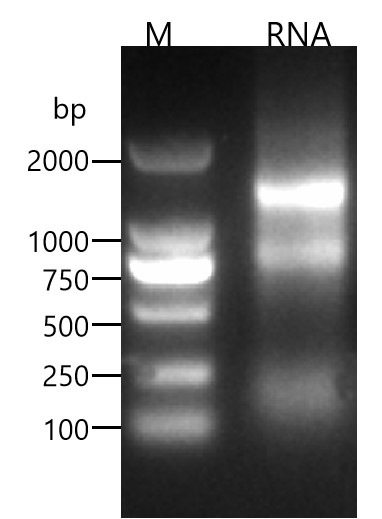
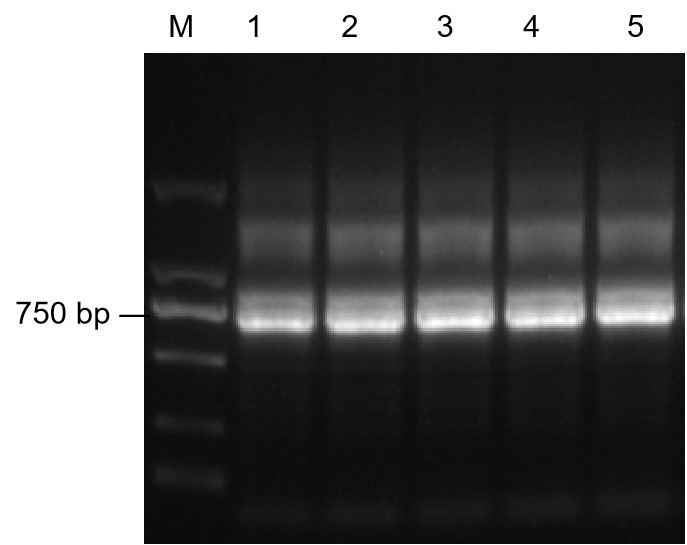
| Library Construction Workflow | We extracted PBMCs and total RNA from both whole blood and spleen samples. Using these materials, we synthesized cDNA and constructed scFv antibody fragments. These fragments were cloned into our optimized M13 phage display vector system and transformed into E. coli to generate a high-quality immune mouse scFv phage display library. | ||||||
| Outcomes |
|
||||||
| Project Summary |
The constructed library exhibited exceptional complexity and a high diversity, ensuring a diverse pool of candidates.
Multiple rounds of biopanning successfully yielded dozens of target-specific scFv clones with high binding affinity.
|
||||||
|
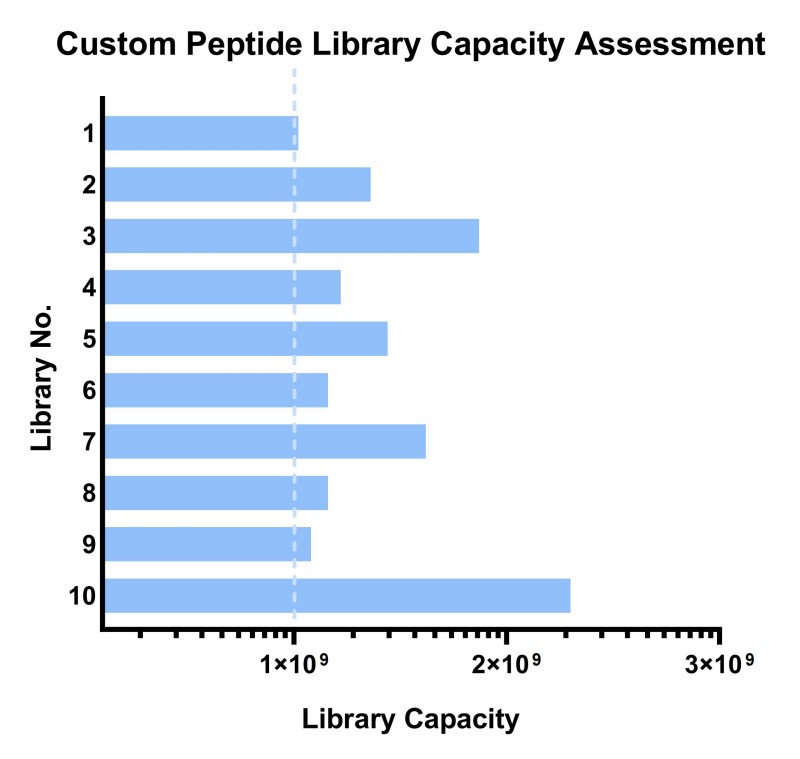
End-to-End Phage Display Library Engineering From Rational Design to Construction of Highly Customized Peptide Libraries, Delivering High-Diversity, Ready-To-Use Libraries |
||
| Project Overview | Objective |
|
| Design motif |

|
|
| Scope |
|
|
| Library Construction Workflow | Rational design |
|
| Oligo pool synthesis and assembly |
|
|
| Library generation |
|
|
| Quality assessment |
|
|
| Outcomes |
 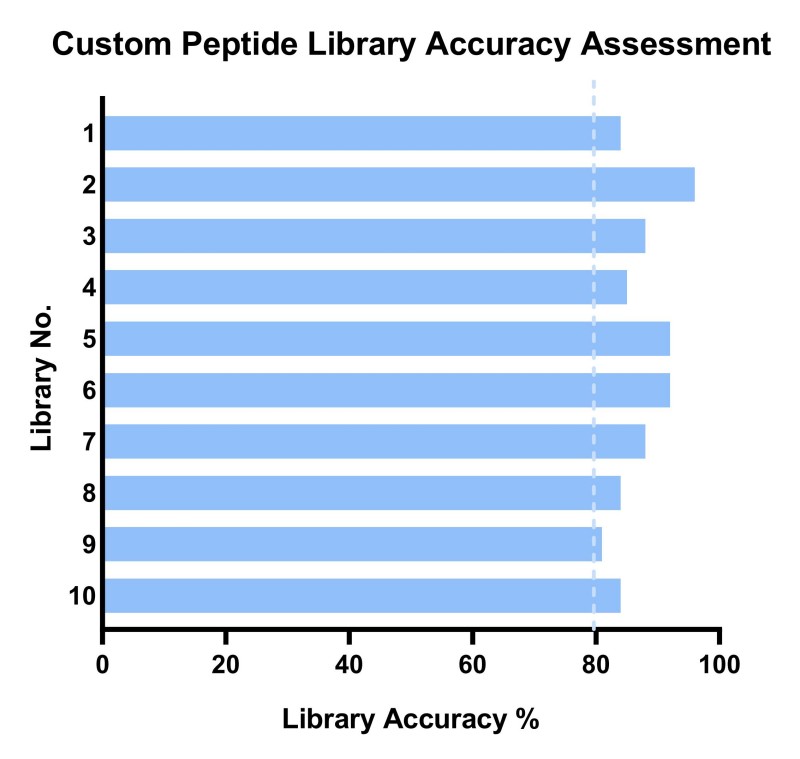
|
|
Maximize Construction Success. Request Your Personalized Plan.
High-Efficiency Library Screening 
|
We utilize state-of-the-art panning protocols to achieve selective and efficient enrichment of high-affinity binders from diverse libraries. Our team’s expertise ensures that the panning process is tailored to your specific targets, maximizing the identification of functional binders.
|
Use the resources in our library to help you understand your options and make critical decisions for your study.

All listed services and products are For Research Use Only. Do Not use in any diagnostic or therapeutic applications.