Creative Biolabs is offering the most comprehensive services for antibody development projects. With strict regulation and effective execution, we are dedicated to providing the most valuable solutions to complete your projects.
HighlightsCreative Biolabs is offering the most comprehensive services for antibody development projects. With strict regulation and effective execution, we are dedicated to providing the most valuable solutions to complete your projects.
HighlightsCreative Biolabs has established a broad range of platforms for developing novel antibodies or equivalents. These cutting-edge technologies enable our scientists to meet your demands from different aspects and tailor the most appropriate solution that contributes to the success of your projects.
HighlightsWith deep understanding in antibody-related realms and extensive project experience, Creative Biolabs offers a variety of references to help you learn more about our capacities and achievements, including infographic, flyer, case study, peer-reviewed publications, and all kinds of knowledge that can assist your projects. You are also welcome to contact us directly for more specific solutions.
HighlightsGet a real taste of Creative Biolabs, one of the most professional custom service providers in the world. We are committed to providing highly customized comprehensive solutions with the best quality to advance your projects.
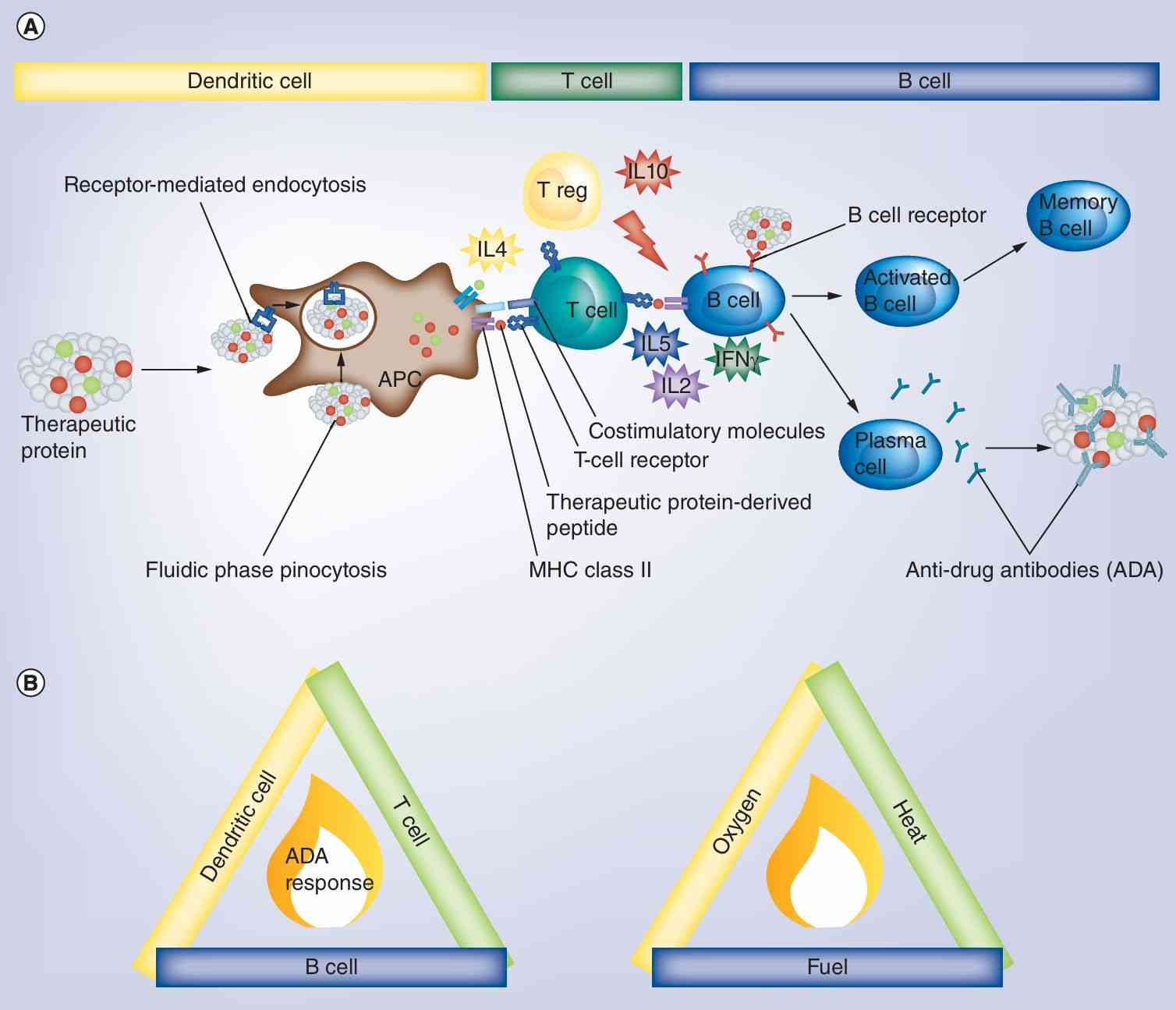
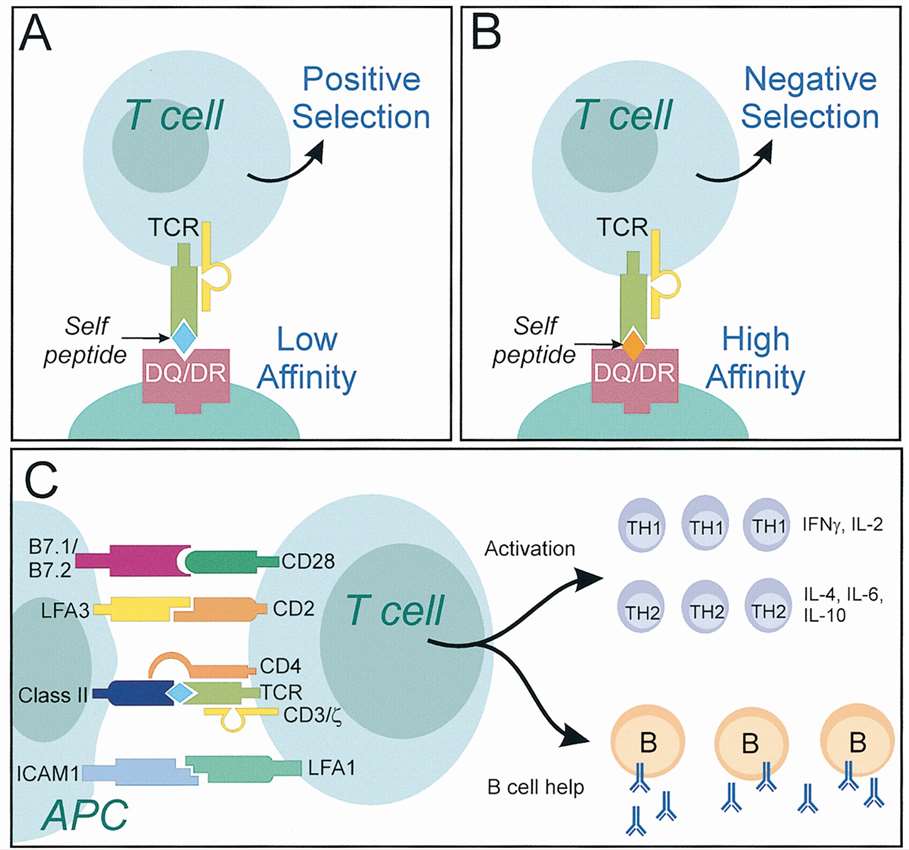
HighlightsThe root cause of the body's immunogenicity is that its protein sequence is present on the surface of T cells, which can activate T cells, resulting in the body's continuous production of a large number of antibodies, thereby reducing the therapeutic effect of the drug.
De-immunization is a new technique to remove T cell epitopes by combining immunological and molecular biology techniques. After antibody de-immunization, it is usually possible to reduce the localization of T cells and have no effect on the affinity of antibody binding. Based on our unique and comprehensive platform, Creative Biolabs provides antibody sequencing to reduce immunogenicity and improve the therapeutic effect of the drug.
Successful recognition and removal of immunodominant CD4+ T cell epitopes can significantly reduce the incidence and severity of antibody drugs through immune ignorance. Based on the accumulation of knowledge to determine which T cell epitopes may have immunogenicity, we propose a method to reduce or remove immunogenicity.
This method uses antibody sequencing technology as a basis to determine the content and position of T cell epitopes, thereby guiding the de-immunization pathway of antibody drugs.
Technical Protocol
1. Using antibody sequencing to scan the primary structure of the protein, identify the main T cell epitopes, and search for the motifs containing anchored residues.
2. New peptides were synthesized by using the residues which are important for anchoring into major histocompatibility complex (MHC) groove, and the reactivity and immunogenicity of these modified peptide epitopes were tested.
3. Structure and homology analysis guide the targeting and substitution of key amino acids to maintain the required protein activity.
4. Site-directed mutations: target neutral residues that do not bind HLA but are also unlikely to significantly alter the folding and function of the modified protein.
5. Get de-immunization antibody drugs.
Creative Biolabs is a trusted antibody development service provider that has professional technical team to provide excellent antibody sequencing services. With extensive experience in antibody sequencing, we can employ advanced sequencing and immune technology to identify and remove T cell epitopes preferentially. If you are interested in our services, please contact us in time about more details and we are honored to serve you.
Other optional RDIT® antibody drug de-immunization services:
Antibody sequencing is the process of determining the precise order of amino acids in an antibody's variable regions. This sequencing reveals the unique structure of the antigen-binding sites, providing critical insights into the antibody's specificity and interaction with antigens.
By determining the sequences of antibodies, researchers can identify the binding regions that interact with antigens, which may include T-cell epitopes. Sequencing helps predict how these epitopes are presented to T-cells, crucial for understanding immune responses and designing less immunogenic therapeutic antibodies.
Antibody sequencing allows for the identification of immunogenic regions within an antibody. By pinpointing these regions, scientists can modify the sequence to reduce immunogenicity without compromising the antibody's therapeutic function, thus enhancing the safety and efficacy of antibody drugs.
Technologies used for antibody sequencing include next-generation sequencing (NGS), mass spectrometry-based sequencing, and traditional Sanger sequencing. NGS offers high-throughput capabilities, enabling comprehensive profiling and analysis of multiple antibodies simultaneously.
While antibody sequencing is critical, it does not alone identify T-cell epitopes. It needs to be combined with immunoinformatics tools that predict MHC binding and T-cell receptor interaction, and experimental validation to confirm the biological relevance of the predicted T-cell epitopes.
Recent advances in antibody sequencing have improved the accuracy and speed of identifying immunogenic regions. High-throughput sequencing and enhanced computational models now allow for rapid screening and optimization of therapeutic antibodies, facilitating more effective de-immunization strategies.
Sequencing alone may not predict all potential immunogenic responses, especially those involving complex conformational epitopes that are not readily apparent from primary sequence data. Additional structural and functional assays are often necessary to fully understand and mitigate immunogenicity.
Use the resources in our library to help you understand your options and make critical decisions for your study.
All listed services and products are For Research Use Only. Do Not use in any diagnostic or therapeutic applications.