
Imparts CD47 "don't eat me" signals, significantly extending the nanoparticle's systemic half-life and providing immune evasion from macrophages (MPS).
Cell-Membrane Coated Nanoparticles for Targeted Drug Delivery
Cell-membrane coated nanoparticles (CMCNPs) are an innovative class of biomimetic nano-drug delivery systems (BNDDS) that overcome the limitations of traditional nanomedicine. Creative Biolabs specializes in providing comprehensive CMCNP development services, assisting clients in solving challenges like poor bioavailability, rapid immune clearance, and non-specific targeting for their therapeutic payloads.
Click Here to View more about our Service
Introduction to Cell-Membrane Coated Nanoparticles
CMCNPs are sophisticated hybrid platforms combining the scalability of synthetic cores (lipids, polymers, inorganic materials) with the biological surface properties of natural cell membranes. This "top-down" encapsulation process transfers the cell's entire exterior, including functional proteins and lipids, onto the nanoparticle. This biomimicry ensures the NP is camouflaged, extending circulation time and enabling precise, multivalent targeting that single-ligand systems cannot achieve. CMCNPs avoid the unpredictable behavior caused by the non-native protein corona, representing a crucial advancement in precision medicine.
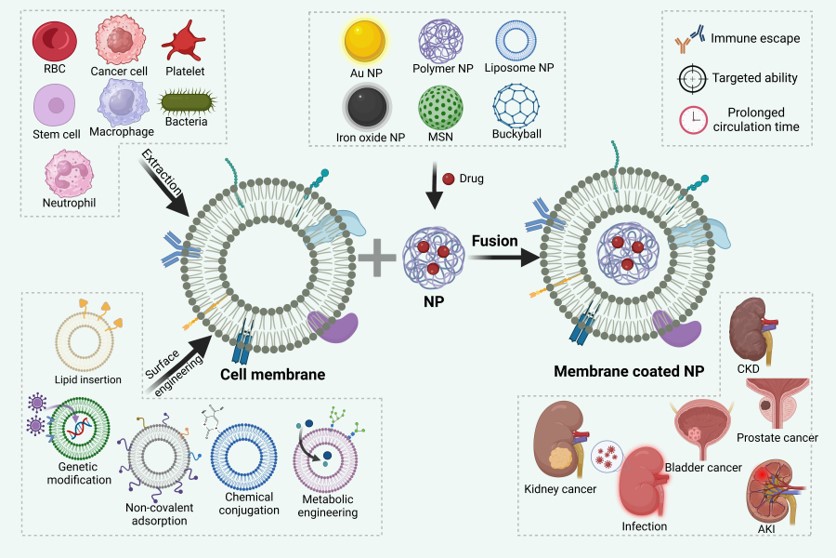 Fig.1 Overview of CMCNPs as drug delivery systems.1
CMCNP technology harnesses the innate function of various cell membranes:
Platelet membrane
Offers inherent adhesion capabilities, allowing the NP to home specifically to areas of vascular injury, inflammation, or developing thrombi.
Neutrophil membrane
Mimics the movement of neutrophils to target infection sites or inflamed tissues, offering active targeting against inflammatory diseases.
Lymphocyte membrane (T/B cells)
Used to target lymphoid organs, present antigens, or home to inflammation, leveraging the cell's specific immune receptors.
Macrophage membrane
Provides the ability to cross the blood-brain barrier (BBB) or BBTB, making them ideal for drug delivery into the Central Nervous System (CNS) or tumors.
Natural Killer (NK) cell membrane
Utilized for their cytotoxic homing receptors to actively seek out and deliver payloads to tumor cells, enhancing natural anti-cancer immunity.
Dendritic cell (DC) membrane
Crucial for vaccine development, as they present a full array of native antigens to stimulate robust, specific T-cell and B-cell immune responses.
Stem cell membrane
Leveraged for regenerative medicine applications, guiding nanoparticles to damaged tissue niches that recruit progenitor or stem cells.
Cancer cell membrane
Enables "homologous targeting," where the NP targets the original tumor site, ensuring precise drug delivery and reducing off-target effects.
Hybrid cell membrane
Fuses two or more membrane types (e.g., RBC-Cancer) to combine functionalities, such as prolonged circulation with active tumor homing.
Bacterial cell membrane
Used to mimic the pathogen's surface, creating a novel vaccine or decoy system to neutralize bacterial toxins or stimulate antibacterial immunity.
Advantages of Cell-Membrane Coated Nanoparticles
CMCNPs offer a range of unique advantages that redefine precision delivery:
Enhanced Biocompatibility
The natural membrane reduces immune recognition and minimizes the risk of hypersensitivity reactions common with synthetic polymers.
Immune Evasion
CD47 expression (from RBCs) provides an active "stealth" mechanism, vastly extending the NP's blood circulation time compared to passive PEGylation.
Active Targeting
Inherits the source cell's surface receptors for multivalent, high-affinity targeting to specific tissues, tumors, or inflamed sites.
Detoxification (Nanotoxoids)
Provides a decoy function, neutralizing pore-forming toxins (e.g., bacterial toxins) without chemical modification, maximizing vaccine potential.
Multifunctionality & Engineering
The membrane can be further functionalized via lipid insertion or genetic modification for enhanced stability, controlled release, or targeted subcellular trafficking.
Applications of Cell-Membrane Coated Nanoparticles
Oncology and Cancer Immunotherapy
Achieves precision drug delivery through homologous targeting (cancer cell membranes) and boosts anti-tumor immunity via T-cell/DC membranes, promoting crucial steps like Immunogenic Cell Death (ICD) induction.
Infectious Disease and Vaccination
Supports the development of next-generation antibacterial vaccines using bacterial membrane coatings and enables detoxification via RBC-coated Nanotoxoids to safely neutralize pore-forming bacterial toxins.
Central Nervous System (CNS) Delivery
Facilitates drug passage across the highly restrictive Blood-Brain Barrier (BBB) and Blood-Brain Tumor Barrier (BBTB) using macrophage or leukocyte membranes for neurological disorder treatment.
Cardiovascular Disease (CVD) Treatment
Enables active targeting of damaged vascular sites, such as ruptured plaques, thrombotic regions, and ischemic tissue, using platelet-membrane coated systems.
Subcellular Precision Targeting
Allows for advanced intracellular drug delivery by guiding the payload to specific organelles (e.g., mitochondria or the nucleus) to correct localized cellular dysfunction.
Table.1 Application of cell membrane coated nanoparticles.
| Application Area | Membrane Type | Key Mechanism |
|---|---|---|
| Solid Tumors | Cancer Cell, T-Cell | Homologous Homing, Immunotherapy (ICD) |
| Sepsis, Antibiotic Resistance | Bacterial, RBC | Nanotoxoids, Next-Gen Vaccines |
| Glioma, Alzheimer's | Macrophage, Leukocyte | Blood-Brain Barrier (BBB) Crossing |
| Atherosclerosis, Thrombosis | Platelet, Immune Cell | Targeting Damaged Endothelium |
| Systemic Circulation | Red Blood Cell (RBC) | Prolonged Half-Life (CD47 signal) |
We provide end-to-end BNDDS development and manufacturing services. Leverage Creative Biolabs' proprietary, scalable CMCNP platform and deep expertise to accelerate your pipeline. Contact our scientific collaboration team today for detailed service information and custom project engineering.
Reference
- Yao, Cenchao, et al. "Recent advances in cell membrane coated-nanoparticles as drug delivery systems for tackling urological diseases." Pharmaceutics 15.7 (2023): 1899. Distributed under Open Access license CC BY 4.0, without modification. https://doi.org/10.3390/pharmaceutics15071899
Our services are For Research Use Only. We do not provide services to individuals.
Online Inquiry