
Dendrimer Development Service for Targeted Drug Delivery
In modern biopharmaceutics, delivering complex therapeutic payloads to their exact site of action while keeping healthy tissue unharmed remains a formidable challenge. At Creative Biolabs, we address this hurdle directly through our cutting-edge custom dendrimer development for targeted drug delivery service. By tailoring macromolecular structures down to the angstrom level, we help researchers overcome physiological barriers, optimize bioavailability, and unlock the therapeutic potential of sensitive biological payloads. Leverage our proprietary polymer synthesis platform to redefine your drug delivery paradigm, driven by Creative Biolabs' decades of deep-rooted expertise in advanced polymer engineering and nanobiotechnology.
Deciphering Dendrimer Nanotechnology: Architectures, Cargo Dynamics, and Targeting Paradigms
Architectural Anatomy of Nanoscale Polymeric Scaffolds
Dendrimers are synthetic, highly branched, monodisperse macromolecules with a distinct three-dimensional architecture. Unlike traditional linear polymers, which are characterized by broad molecular weight distributions and high polydispersity, dendrimers are fabricated via a highly controlled, step-wise iterative synthesis. This process produces uniform, symmetric nanoparticles possessing three distinct structural domains:
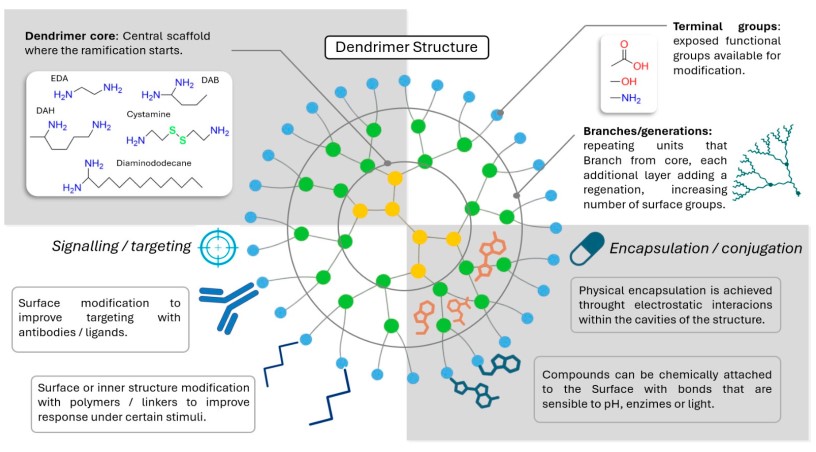 Fig. 1 Schematic representation of the hierarchical and branched architecture of a dendrimer molecule.1,3
- Terminal Surface Groups: The outermost layer containing highly dense, chemically reactive functional groups (such as amines -NH2, carboxyls -COOH, or hydroxyls -OH). These groups facilitate covalent bonding to therapeutic payloads, targeting ligands, or surface-masking elements.
- Internal Branching Generations (G0 to G10): The concentric, repeating layers that grow outward from the core. Each complete layer represents a "generation" (denoted as G), which systematically doubles the molecular surface area, hydrodynamic volume, and terminal reactive groups.
- The Initiator Core: The central molecule that acts as the starting point of the structure, providing a spatial cavity capable of physically entrapping small-molecule hydrophobic compounds.
Drug-Dendrimer Interactions: Strategies for Therapeutic Payload Delivery
Achieving controlled and efficient delivery requires tailoring the physical and chemical interactions between the nanocarrier and the active pharmaceutical ingredient (API). Creative Biolabs exploits three primary loading strategies:
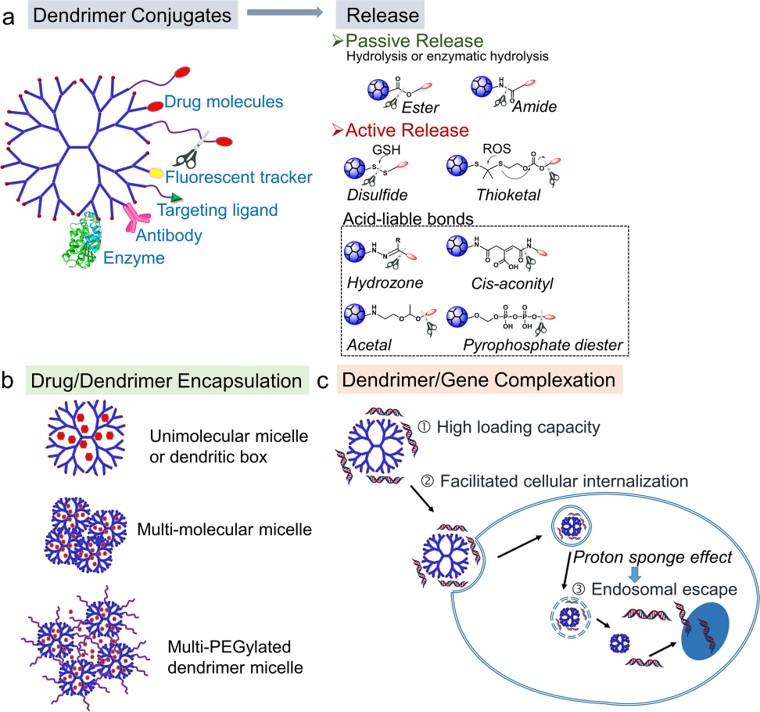 Fig. 2 Ways to utilize dendrimers to deliver drugs and genes.2,3
- Dendrimer-Drug Conjugates
Therapeutic payloads are chemically bonded directly to the highly dense terminal surface groups of the outer shell. By employing specific spacers or cleavable linkers (e.g., disulfide, ester, or hydrazone bonds), we program the release of the drug to occur only under target intracellular triggers. Covalent conjugation provides exceptional structural stability in systemic circulation and maintains a strict stoichiometric ratio of drug-to-carrier.
- Drug/Dendrimer Encapsulation
This physical strategy leverages the cavernous, hydrophobic interior architecture of high-generation dendrimers. Hydrophobic small molecules (such as paclitaxel, docetaxel, or doxorubicin) are physically entrapped within the interior cavities via hydrophobic interactions, hydrogen bonding, or van der Waals forces. This approach dramatically enhances the water solubility and bioavailability of poorly soluble molecules without altering their chemical structures.
- Dendrimer/Gene Complexation
Cationic dendrimers, such as Polyamidoamine (PAMAM), present a dense array of positively charged primary amines (-NH2) at physiological pH. These groups spontaneously complex with the negatively charged anionic phosphate backbones of nucleic acids (such as siRNA, mRNA, plasmid DNA, or CRISPR components). This self-assembled structure, known as a dendriplex, fully encapsulates the fragile genetic material, shielding it from circulating extracellular nucleases.
Overcoming Biological Barriers: Passive vs. Active Targeting Mechanisms
To successfully deliver therapeutic molecules to intracellular targets, nanocarriers must bypass systemic clearance, cellular membranes, and lysosomal degradation. Our nanoparticle drug delivery systems utilize two distinct strategies to overcome these obstacles:
1. Passive Targeting & The EPR Effect
Passive targeting relies on the physical size of the dendrimer and the pathophysiology of diseased tissues. Rapidly growing tumor masses develop chaotic, leaky blood vessels with large endothelial fenestrations (100 nm to 2 μm) and impaired lymphatic drainage. Dendrimers engineered with a hydrodynamic diameter in the optimal sub-100 range selectively extravasate through these porous vessel walls and accumulate preferentially within the target tissue. Systemic circulation half-life is simultaneously optimized by coating the surface with polyethylene glycol (PEG) or acetyl groups, creating a hydrophilic shield that prevents non-specific protein adsorption and immune detection by the mononuclear phagocyte system (MPS).
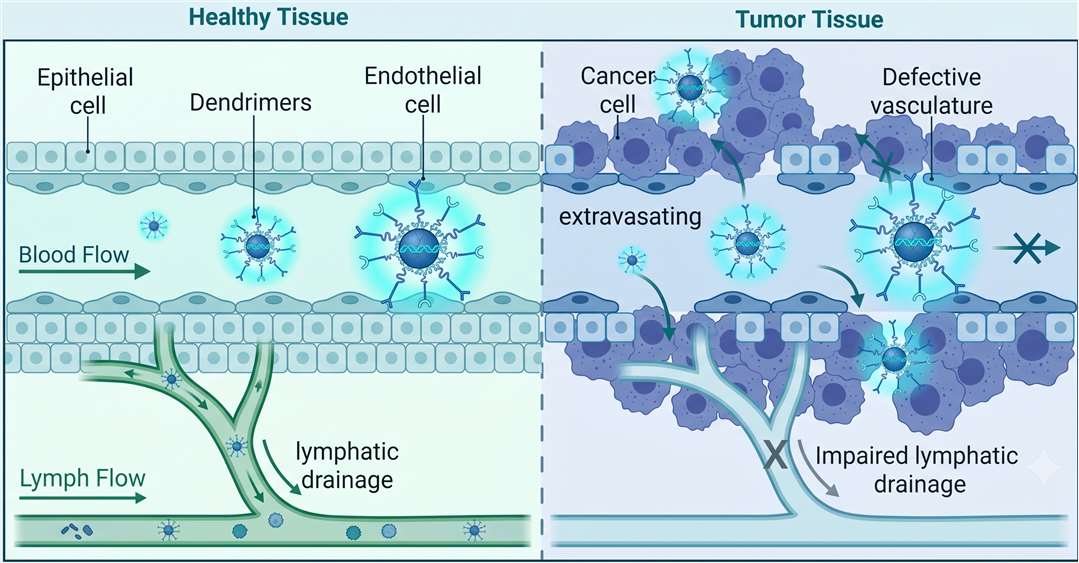 Fig. 3 Dendrimer System for Passive Targeting.
2. Active Targeting & Receptor-Mediated Endocytosis
Active targeting involves the precise decoration of terminal branch ends with specific cell-homing ligands (such as monoclonal antibodies, peptides, aptamers, or folic acid). When these ligands bind to receptors overexpressed on target cells (e.g., folate receptors on cancer cells or transferrin receptors on the blood-brain barrier), it triggers receptor-mediated endocytosis. Once internalized within the acidic endosome, cationic polymers initiate the proton sponge effect: tertiary amines buffer the pump-driven influx of protons, causing an influx of chloride ions and water molecules. The resulting osmotic swelling ruptures the endosomal membrane, facilitating high-yield endosomal escape drug delivery and depositing the intact payload safely into the functional cytoplasm.
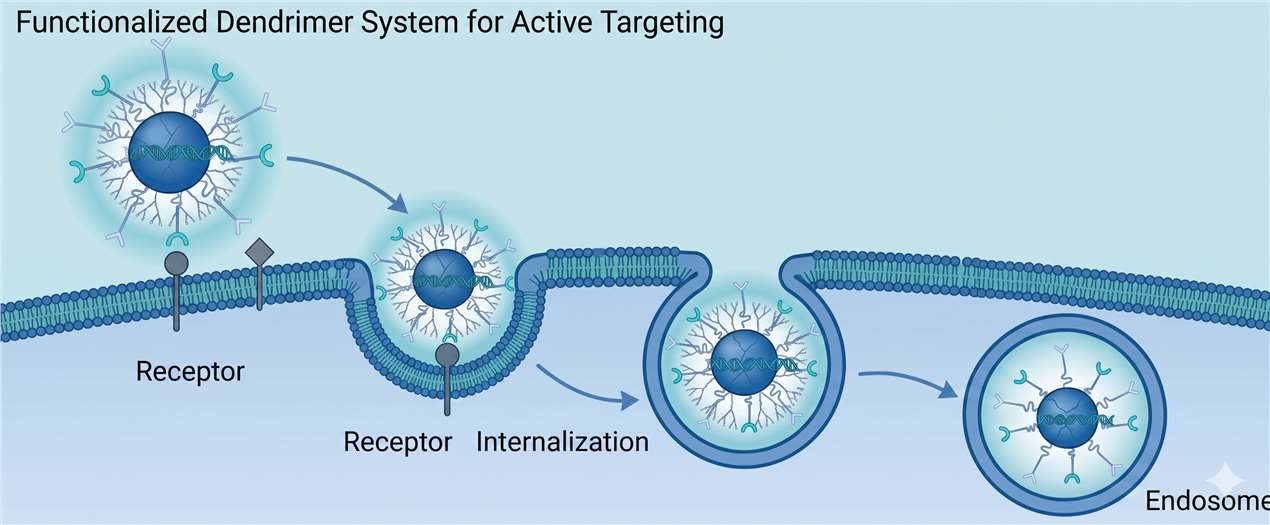 Fig. 4 Functionalized Dendrimer System for Active Targeting.
Architectural Design Matrix: Target-Specific Dendrimer Formulations
By selecting specific core chemistries, branch structures, generations, and surface-bound homing ligands, dendrimers can be tailored to target challenging physiological sites, such as the central nervous system.
Table. 1 Structural Paradigms of Targeting Dendrimers
| Dendrimer | Ligand | Target | Therapeutic Payload | Target Disease / Tissue |
|---|---|---|---|---|
| G5 PAMAM | Folic acid | Dual-functional tumor & cell targeting | Borneol | Glioma / Cancer |
| G5 PAMAM | Lactoferrin | BBB crossing via receptor transport | Plasmid hGDNF | Parkinson's Disease (PD) |
| G5 PAMAM | Transferrin | Receptor-mediated transcytosis | pEGFP-N2 / pGL2 | Central Nervous System |
| G5 PAMAM | Angiopep-2 peptide | Dual targeting (BBB LRP1 receptor & glioma) | pORF-hTRAIL / pGL2 | Brain Glioblastoma |
| G5 PAMAM | Chlorotoxin | Highly selective tumor cell homing | pORF-hTRAIL | Glioma Microenvironment |
|
G3 PPI (Polypropyleneimine) |
Transferrin | Active receptor-mediated transport | pGL plasmid | Glioma |
| G3 DGL (Dendrigraft L-lysine) | HAIYPRH (T7) peptide | Dual BBB transport & transferrin targeting | doxorubicin / siRNA | Brain Malignancies |
| G3 DGL | Apolipoprotein A-I (NL4 peptide) | Dual neuronal & BBB targeting | BACE1 siRNA | Alzheimer's Disease (AD) |
| PEI-PLL Hybrid | Angiopep-2 | High-efficiency transfection & LRP1 homing | HSV-TK plasmid | Glioma Gene Therapy |
| Carbosilane Scaffold | Unmodified Cationic | Non-viral cellular transfection | siRNA against HIV-1 Nef | Astrocyte HIV Reservoir |
Our Dendrimer Development & Functionalization Suite
Creative Biolabs provides an end-to-end service suite for the custom design, synthesis, functionalization, and pre-clinical verification of dendrimer-based carriers
Custom Dendrimer Synthesis & Chemical Engineering
We provide generation-by-generation synthesis of tailored dendrimer scaffolds, starting from core selection up to high-generation outer shell branching.
Architecture Customization
Selection of core chemistries (ethylenediamine, triethanolamine, etc.) and branching architectures, including PAMAM, poly(L-lysine) (PLL), polyester, and poly(propylene imine) (PPI).
Generation Progression
Synthesizing uniform batches from G0 up to G10 scales, with molecular weights ranging from 500 to over 1,000,000.
Co-polymer & Amphiphilic Architectures
Designing hybrid polymer platforms and Janus-type dendrimers that combine hydrophilic and hydrophobic domains on a single particle.
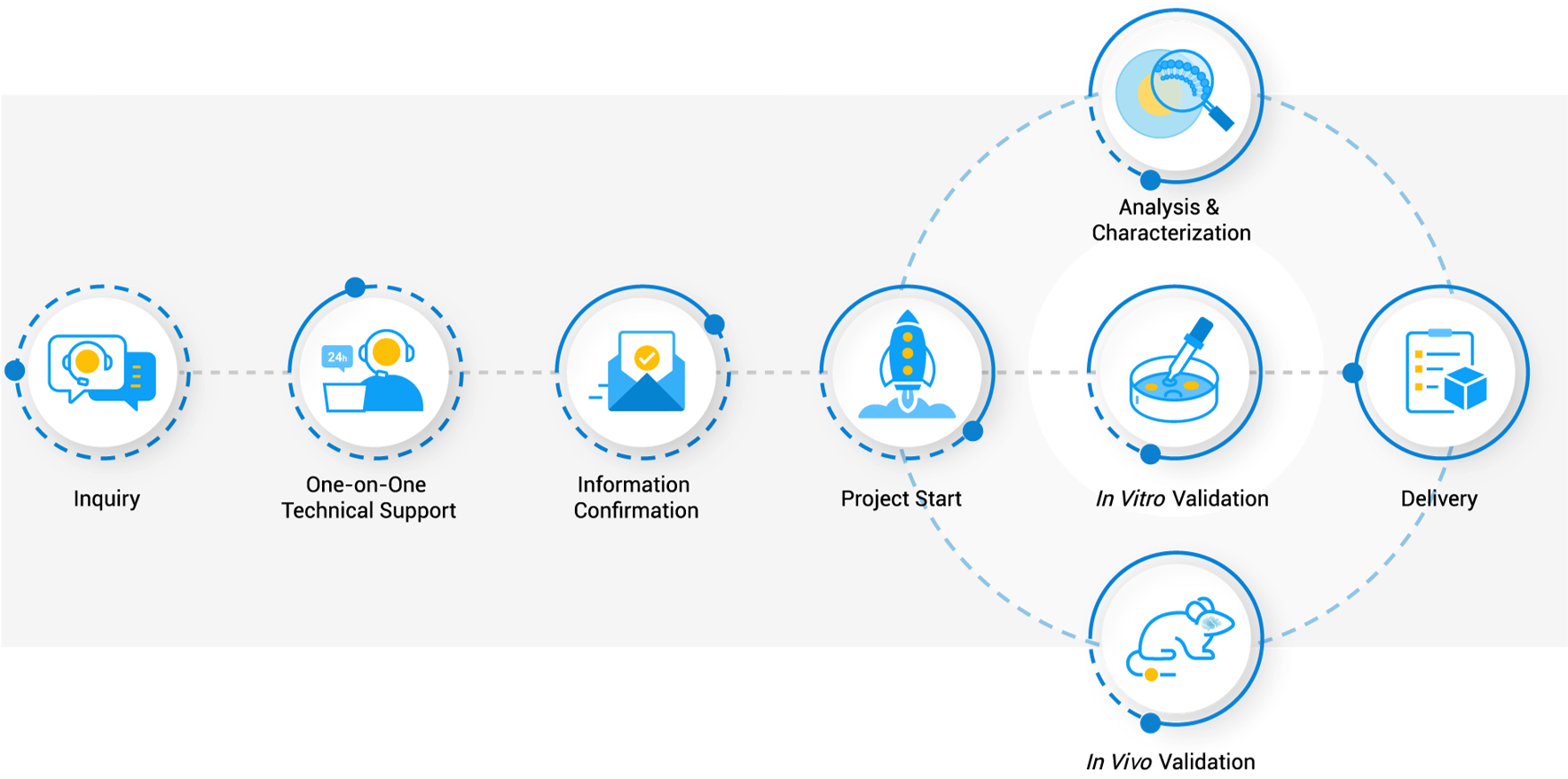
Workflow
Applications of Engineered Dendrimers
- Precision Oncology Therapeutics: We formulate multifunctional polymer carriers for cancer therapeutics that exploit passive EPR effects and active ligand targeting (e.g., antibodies, folate). This restricts cytotoxic payload accumulation to tumor sites, drastically reducing systemic off-target toxicities.
- Gene Delivery Systems: Our cationic PAMAM dendrimer carriers serve as highly efficient, non-viral dendrimer-based nucleic acid delivery systems. They complex and shield siRNA, mRNA, and CRISPR plasmids from extracellular nucleases, facilitating robust cellular entry and endosomal escape.
- Theranostics & Medical Imaging: We co-deliver therapeutic agents and diagnostic probes (e.g., MRI gadolinium chelates, fluorescent dyes) on a single monodisperse scaffold, enabling real-time monitoring of drug biodistribution and therapeutic efficacy.
- Agricultural Crop Engineering: We encapsulate biopesticides, plant hormones, and genetic payloads within customized dendrimers. This shields sensitive agrochemicals from UV or rain degradation and enhances systemic absorption across plant tissues.
- Advanced Materials & Hydrogels: Our monodisperse platforms act as precise templates for synthesis of catalysts and metal nanoparticles. They also serve as multivalent cross-linkers that bolster the mechanical and thermal performance of biocompatible hydrogels.
Why Choose Creative Biolabs?
Creative Biolabs' custom dendrimer development for targeted drug delivery service provides biopharmaceutical developers and academic researchers with highly uniform, customizable, and multifunctional polymer architectures designed to escort your payload safely past biological barriers to its precise therapeutic destination. Whether you require standard PAMAM synthesis, complex co-polymer engineering, or targeted ligand conjugation, our team is equipped to deliver highly pure, monodisperse materials that elevate your therapeutic pipelines.
Absolute Monodispersity
Our specialized synthetic protocols minimize polydispersity, ensuring exceptional reproducibility in your in vivo and PK/PD studies.
Unrivaled Analytical Support
Every delivered batch is backed by a full analytical dossier, including high-resolution mass spectrometry (MALDI-TOF), NMR spectroscopy (1H, 13C, 31P), DLS, and quantitative HPLC.
Low Endotoxin Standards
Our synthesis procedures are strictly controlled for biological applications, ensuring ultra-low endotoxin levels verified by LAL assays.
Translational Scalability
We seamlessly transition your projects from microgram scale for target discovery to multi-gram scale suitable for preclinical animal profiling and toxicology.
Related Services & Products
Related Services
Chemical Synthesis Services
Nucleic Acid Synthesis Services
FAQs
What are the advantages of PAMAM dendrimers for gene delivery?
Primary amine groups on the outer shell of PAMAM dendrimers form stable electrostatic complexes (dendriplexes) with nucleic acids, protecting them from nuclease degradation. Concurrently, their tertiary internal amines act as buffers in acidic compartments, triggering the proton sponge effect for efficient endosomal escape.
Can you synthesize dendrimers with specific targeting ligands already attached?
Yes. We perform custom ligand functionalization (e.g., antibodies, peptides, folate, biotin) via robust chemistry such as click-reactions or EDC/NHS coupling. We carefully balance ligand density to optimize target cell binding affinity while maintaining excellent carrier solubility.
How do you address the potential systemic toxicity of cationic dendrimers?
Highly charged cationic polymers can bind non-specifically to biological membranes and cause toxicity. Creative Biolabs resolves this by masking a precise percentage of active primary amines via selective acetylation, carboxylation, or PEGylation, reducing cytotoxicity without compromising payload capacity.
What is the maximum payload capacity of your custom dendrimers?
Capacity depends on your loading method. High-generation (G5 - G8) internal cavities physically entrap dozens of hydrophobic molecules, whereas covalent surface conjugation scales linearly with the generation's terminal groups (e.g., a G5 scaffold offers up to 128 reactive amine sites).
What synthetic scale ranges does Creative Biolabs support?
We support synthesis scales ranging from milligram levels (50 mg to 1 g) for initial in vitro and cellular screenings up to multi-gram scales (10 g to 100 g) for in vivo animal modeling and preclinical ADME/toxicology studies.
References
- Alamos-Musre, Said, et al. "From structure to function: the promise of PAMAM dendrimers in biomedical applications." Pharmaceutics 17.7 (2025): 927. https://www.mdpi.com/1999-4923/17/7/927
- Wang, Juan, et al. "Dendrimer-based drug delivery systems: History, challenges, and latest developments." Journal of biological engineering 16.1 (2022): 18. https://doi.org/10.1186/s13036-022-00298-5
- Distributed under Open Access license CC BY 4.0, without modification.