
The primary application is establishing a reliable and legally compliant "Best Before" date. Accelerated stability testing, often using elevated temperatures (e.g., 40°C or 45°C), allows for the prediction of long-term stability (e.g., 24-36 months) in a matter of weeks or months, drastically speeding up time-to-market.
Formulation Stability & Efficacy in Cosmetic
The success of any cosmetic product hinges on its ability to maintain quality and deliver promised results throughout its shelf life, a challenge uniquely addressed by Formulation Stability and Efficacy studies. Our comprehensive services at Creative Biolabs help you accelerate product development and ensure market readiness by providing advanced, accelerated, and real-time stability testing alongside rigorous clinical efficacy evaluation techniques. This integrated approach guarantees that your active ingredients remain potent and your final formulation consistently meets consumer expectations and regulatory standards.
Click Here to View more about our Service
Formulation Stability and Efficacy in Cosmetics
The cosmetic industry demands products that are not only aesthetically pleasing and safe but also reliably effective. Formulation stability refers to a product's ability to maintain its original physical, chemical, and microbiological characteristics over its intended shelf life. Efficacy, on the other hand, is the demonstrated ability of the product to deliver the functional or physiological benefit it claims (e.g., moisturization, anti-aging, UV protection).
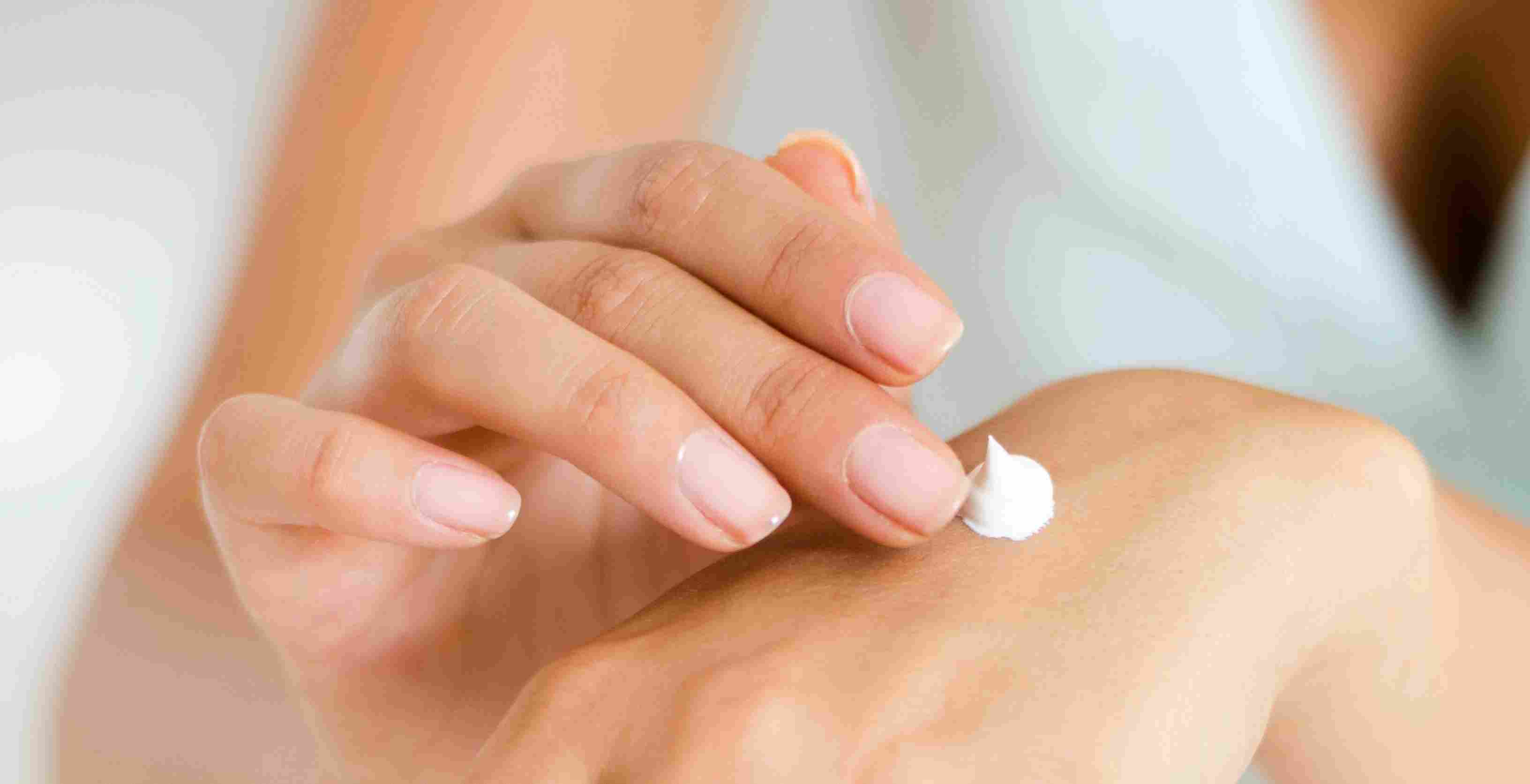 Distributed under Pexels License, from Pexels.
These two concepts are intrinsically linked: an unstable formulation cannot be effective. For instance, the degradation of an antioxidant like Vitamin C (ascorbic acid) due to oxidation in an unstable emulsion directly diminishes its anti-aging efficacy, often accompanied by noticeable color changes. Stability testing protocols, which often follow guidelines like those from the ICH or specialized industry bodies, involve subjecting the formulation to various stressors, including temperature extremes (accelerated aging), humidity, light exposure, and mechanical shock. This rigorous testing simulates real-world conditions to determine the minimum durability (shelf life) of the product and its period after opening (PAO). Accurate and early stability testing is thus foundational to both regulatory compliance and the scientific credibility of a product's efficacy claims.
Applications of Stability and Efficacy in Product Development
Rigorous stability and efficacy studies are not merely compliance hurdles; they are powerful tools for optimizing product performance and ensuring a successful market launch.
Shelf Life Determination
Active Ingredient Protection
For sensitive components like retinol, peptides, or plant extracts, stability testing informs the selection of appropriate delivery systems (e.g., encapsulation technologies) and packaging materials (e.g., opaque, airless pump systems) to minimize degradation and maximize bioavailability and efficacy on the skin.
Emulsion and Suspension Optimization
For complex systems like creams, lotions, and serums, stability testing (including centrifugation and cycle testing) is crucial to prevent common physical failures such as phase separation (creaming or sedimentation), flocculation, or crystallization, which directly impact texture and user experience.
Bridging Stability to Clinical Results
Efficacy studies—which utilize biophysical techniques like corneometry (for hydration), cutometry (for elasticity), or in vivo imaging (for wrinkle reduction)—must be conducted on product batches whose stability has been confirmed. This ensures that the clinical claims hold true for the product purchased by the consumer at any point during its shelf life.
What We Can Offer
The journey from a novel concept to a market-ready cosmetic often encounters a critical bottleneck: validating that the product remains safe, pleasing to use, and effective over time. Instability can manifest as phase separation, discoloration, pH drift, or—most critically—the degradation of costly active ingredients, directly undermining product efficacy and consumer trust.
Creative Biolabs' specialized services are designed to proactively address these issues. We provide detailed analyses across three core areas:
Physical Stability
We rigorously test for changes in physical attributes (color, odor, viscosity, texture, homogeneity) using accelerated thermal cycling, centrifugation, and freeze-thaw stress tests to predict long-term shelf life quickly.
Chemical Stability
We employ advanced analytical techniques (e.g., HPLC, spectrophotometry) to track the integrity and concentration of key active ingredients (vitamins, antioxidants, peptides) over time, ensuring therapeutic claims remain valid.
Microbiological Stability (Preservative Efficacy)
We conduct standardized challenge tests to confirm that your product's preservation system effectively inhibits microbial growth throughout its intended use, safeguarding consumer health and preventing contamination-related recalls.
By partnering with us, you gain the confidence that your formulation will withstand the rigors of manufacturing, shipping, storage, and consumer use, ensuring peak performance from day one to the expiration date.
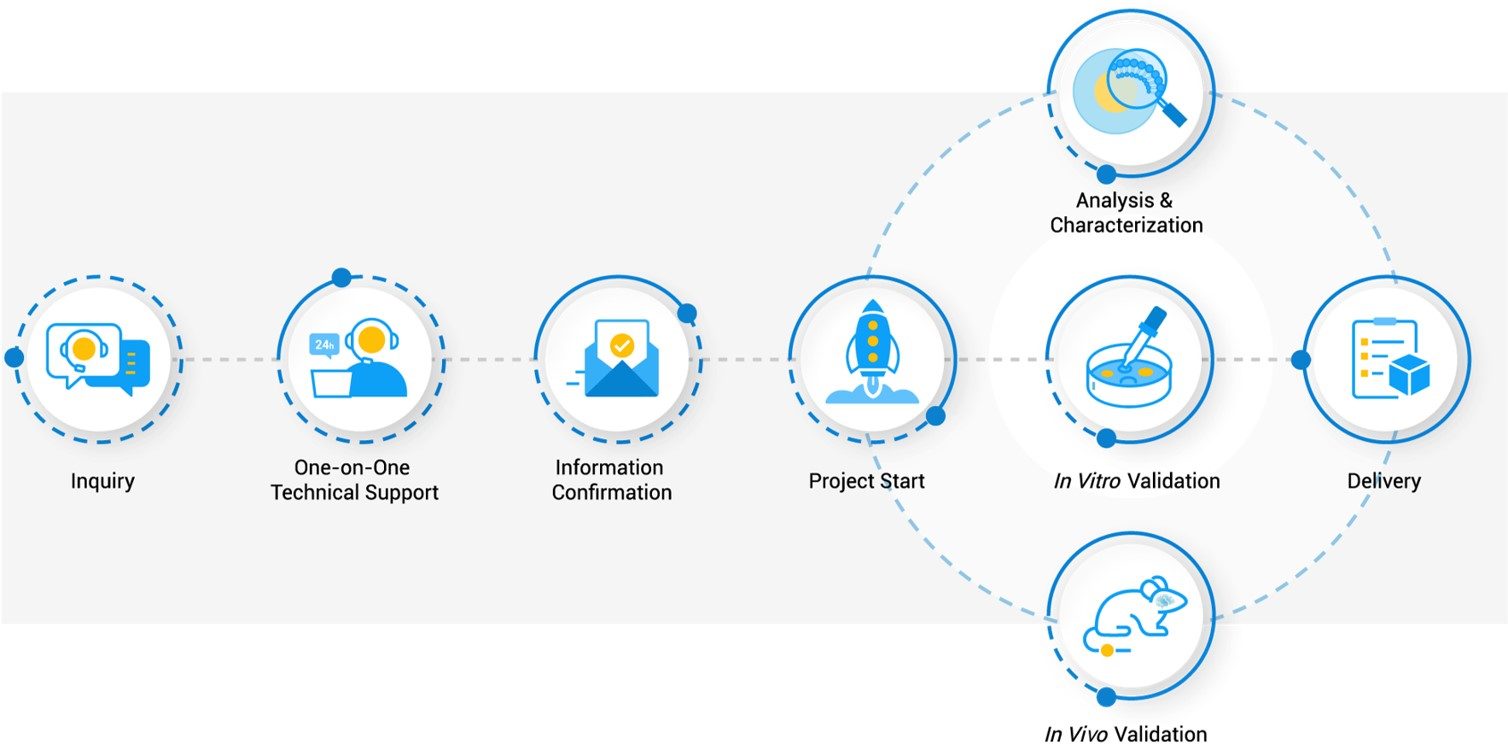
Workflow
FAQs
How can I accurately predict the 2-year shelf life of my new cream formula without waiting 24 months?
We employ Accelerated Stability Testing, often referred to as "accelerated aging." By storing your product at elevated temperatures (typically 40°C to 50°C) for a compressed period (e.g., three to six months), we can statistically model and predict the degradation rate of the active components and the physical stability of the matrix. This approach drastically shortens the R&D cycle while providing high confidence in the final shelf life determination.
What is the most common reason for a complex formula, like a serum containing multiple botanical extracts, to fail stability testing?
The most frequent cause is chemical incompatibility or the failure of the preservation system. Complex formulas with many active ingredients often contain components with different optimal pH ranges or react with trace elements in the formulation. Furthermore, natural extracts can introduce a microbial load, demanding a perfectly balanced preservative system to remain effective against a broad spectrum of contaminants over time. We focus heavily on incompatibility screening early in the development phase to mitigate this risk.
I have developed a highly potent, light-sensitive antioxidant. How do I ensure it remains effective throughout the product's life?
Protecting a sensitive active requires a multi-faceted approach. We evaluate the protective capacity of your formulation matrix (e.g., using encapsulation technology like liposomes or microemulsions), test the effectiveness of stabilizing excipients (like chelating agents or secondary antioxidants), and assess the UV barrier properties of your intended packaging. This ensures the active is shielded from light and oxygen both within the formula and while in the final container.
My current lotion formulation separates after shipping in cold weather. What specific test can address this vulnerability?
This type of physical failure is often revealed by Freeze-Thaw Cycling (or temperature cycling). This test repeatedly subjects the product to extreme temperature variations (e.g., 24 hours at -5°C followed by 24 hours at 25°C). This process stresses the emulsion's structure, simulating adverse shipping or storage conditions far better than constant-temperature stability studies, helping us quickly identify and rectify issues like crystallization or phase separation.
We have excellent in vitro data for our new peptide, but how do we scientifically prove its claimed anti-wrinkle effect on human skin?
We move beyond in vitro data to conduct rigorous in vivo efficacy studies. This involves controlled clinical trials with human volunteers using specialized, non-invasive biophysical instruments. For anti-wrinkle claims, we use techniques like 3D skin imaging or fringe projection to quantitatively measure changes in skin topography, depth, and volume of wrinkles over a defined usage period, providing objective evidence for your marketing claims.
Creative Biolabs is your trusted partner for securing the quality, longevity, and performance of your cosmetic products. Our core services—spanning comprehensive stability analysis, preservation efficacy testing, and objective clinical efficacy substantiation—are tailored to ensure your breakthrough formulation translates into a successful, safe, and credible product on the shelf. We provide the scientific foundation necessary to differentiate your brand in a competitive market.
Our services are For Research Use Only. We do not provide services to individuals.
Online Inquiry