Advanced In Vivo CAR-T LNP Development Service
Transforming the landscape of cell therapy requires moving beyond the limitations of traditional ex vivo manufacturing. At Creative Biolabs, our In Vivo CAR-T LNP Service empowers researchers and biopharma innovators to pioneer the next generation of off-the-shelf, accessible immunotherapies. By leveraging our proprietary targeted lipid nanoparticle (LNP) technologies, we enable the direct, in vivo engineering of T cells. We partner with you to overcome critical biological barriers, delivering complex payloads directly to the desired site of action with unprecedented precision and stability.
Request a Free Scientific Consultation
From Ex Vivo Bottlenecks to In Vivo Innovation
The transition toward in vivo T cell engineering is driven by the urgent need for accessible, scalable immunotherapies. To understand the significance of targeted lipid nanoparticle (LNP) delivery, we must examine the biological and structural mechanisms that make this technology possible.
The Landscape of In Vivo CAR Engineering Strategies
Traditional cell therapies rely on ex vivo engineering, requiring patient lymphodepletion, weeks of specialized cell expansion, and exorbitant costs. The field is aggressively pivoting toward in vivo strategies, directly programming patient T cells within the body. While viral vectors (such as AAVs and lentiviruses) have been explored for in vivo transduction, they present significant hurdles: high immunogenicity, limited payload capacity, complex manufacturing scale-up, and the inherent risks of permanent insertional mutagenesis. Consequently, non-viral delivery platforms have become the critical focus for next-generation cell therapies.
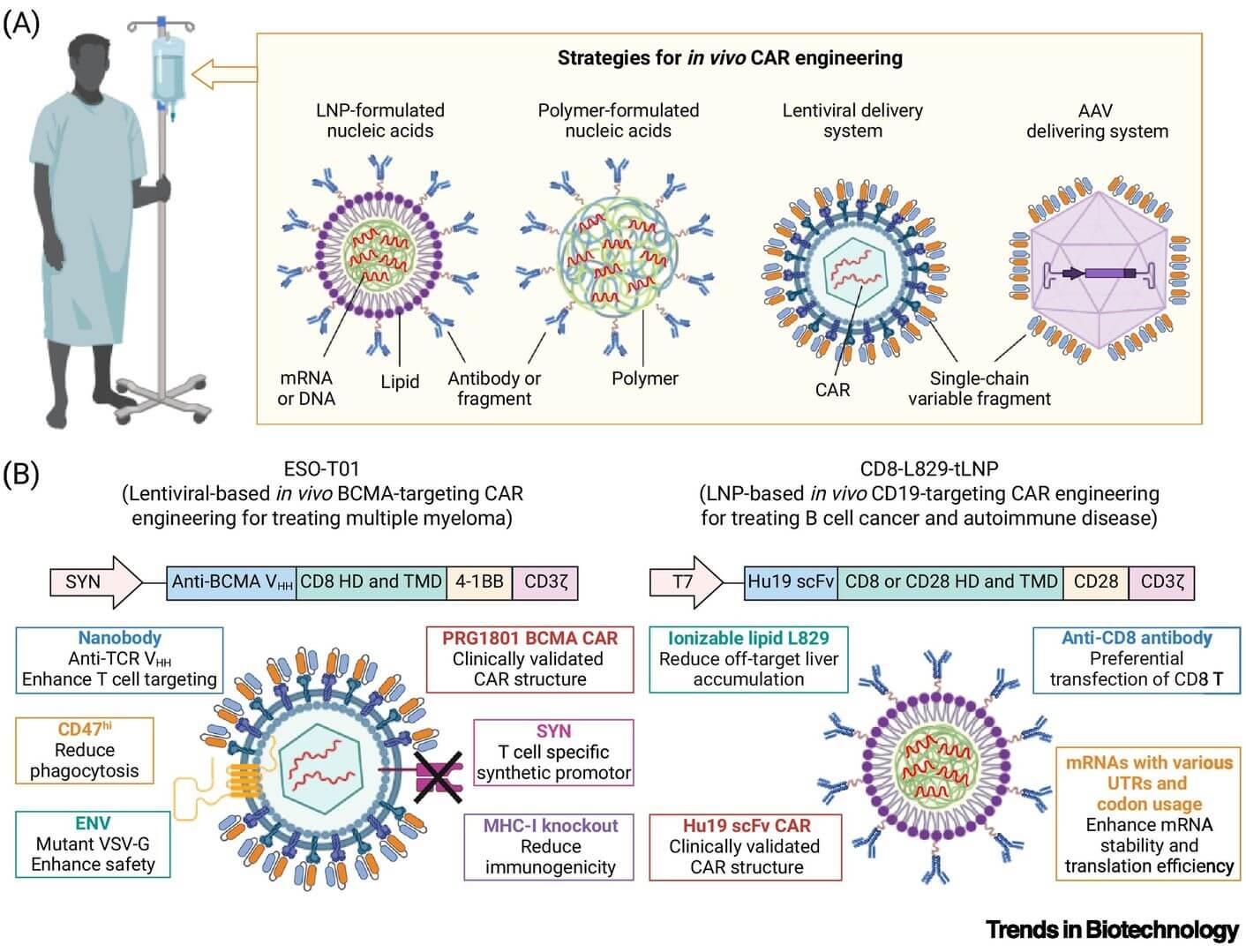 Fig. 1 Various strategies for in vivo CAR engineering.1,3
To contextualize the rapid advancements in this space, the table below highlights representative modalities and targeting strategies currently shaping the in vivo CAR pipeline across the industry:
| Delivery Platform | Cellular Targeting Strategy | Engineered Payload | Lead Indication Focus |
|---|---|---|---|
| Targeted LNP (tLNP) | Anti-CD8, Anti-CD3 | CD19 / CD20 CAR | B cell malignancies, Autoimmune diseases |
| Standard LNP | Passive or Undisclosed | TROP2 / GPC3 CAR | Solid tumors (Liver, Lung, Breast, Colon) |
| Lentiviral Vectors | Anti-CD7 or Anti-TCRαβ | BCMA / CD19 CAR | Multiple myeloma, B cell malignancies |
| Peptide / Polymeric NPs | Anti-CD3 or Anti-CD5 | CD19 CAR | B cell malignancies |
| Virus-Like Particles (VLPs) | Anti-CD46 | HER2 CAR | HER2+ Solid tumors |
| AAV Vectors | T cell-targeting moieties | CD19 CAR | B cell malignancies |
The mRNA-LNP Paradigm: Mechanistic Advantages for In Vivo T Cell Engineering
As the clinical limitations of viral vectors—such as insertional mutagenesis, payload constraints, and severe host immune responses—become increasingly apparent, non-viral platforms have emerged as the definitive gold standard for clinical translation. Lipid nanoparticles (LNPs) represent the most advanced and clinically validated non-viral delivery system to date. By precisely encapsulating delicate nucleic acid payloads, LNPs provide a highly engineerable, synthetic vehicle perfectly suited for the dynamic environment of in vivo T cell reprogramming. Choosing mRNA-LNPs offers several profound mechanistic advantages:
- Transient & Controllable Expression: Unlike integrating lentiviruses, mRNA-LNPs drive temporary CAR expression. This acts as a critical biological safety switch, drastically mitigating risks of long-term T cell exhaustion and severe, uncontrolled Cytokine Release Syndrome (CRS).
- Unrestricted Payload Capacity: The modular LNP architecture easily bypasses strict viral packaging limits, accommodating ultra-long mRNA transcripts or multiplexed CRISPR-Cas9 systems for simultaneous, sophisticated editing.
- Favorable Immunogenic Profile: Being entirely synthetic, LNPs lack viral capsids. This clean immunogenic profile minimizes host immune rejection and enables safe, multi-dosing therapeutic regimens to sustain efficacy.
- Scalable Manufacturing: LNP formulation is highly scalable compared to personalized cellular manufacturing, significantly reducing cost and increasing patient access.
How tLNPs Mediate In Vivo T Cell Reprogramming
Achieving functional CAR-T cells directly within the patient's bloodstream requires a highly orchestrated sequence of biological events. Our targeted LNPs are precision-engineered to navigate this complex pathway efficiently:
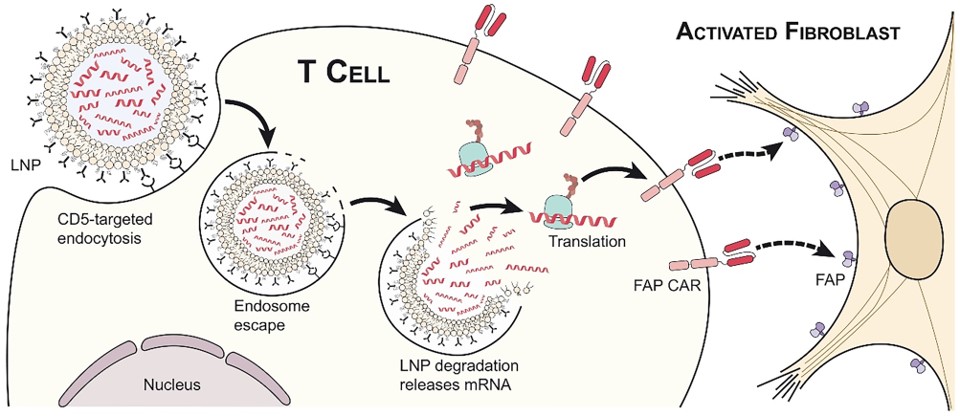 Fig. 2 In vivo production of CAR‑T cells using CD5/LNP‑FAPCAR.2,3
Systemic Circulation & Evasion: Upon intravenous administration, optimized PEGylation on the LNP surface shields the particle from immediate opsonization, preventing premature clearance by the mononuclear phagocyte system (MPS) and extending systemic half‑life.
Our Core In Vivo CAR-T LNP Development Services
Creative Biolabs provides a comprehensive suite of solutions tailored to de-risk your development pipeline. Our modular platform allows us to achieve targeted delivery of various drugs (small molecules, nucleic acids, CRISPR-Cas9 components, and other bioactive molecules) directly to your specific T cell subsets.
Looking for in-depth technical specifications? Download Our Comprehensive In Vivo CAR-T Brochure Here to explore detailed assay methodologies, our lipid library, and proprietary conjugation strategies.
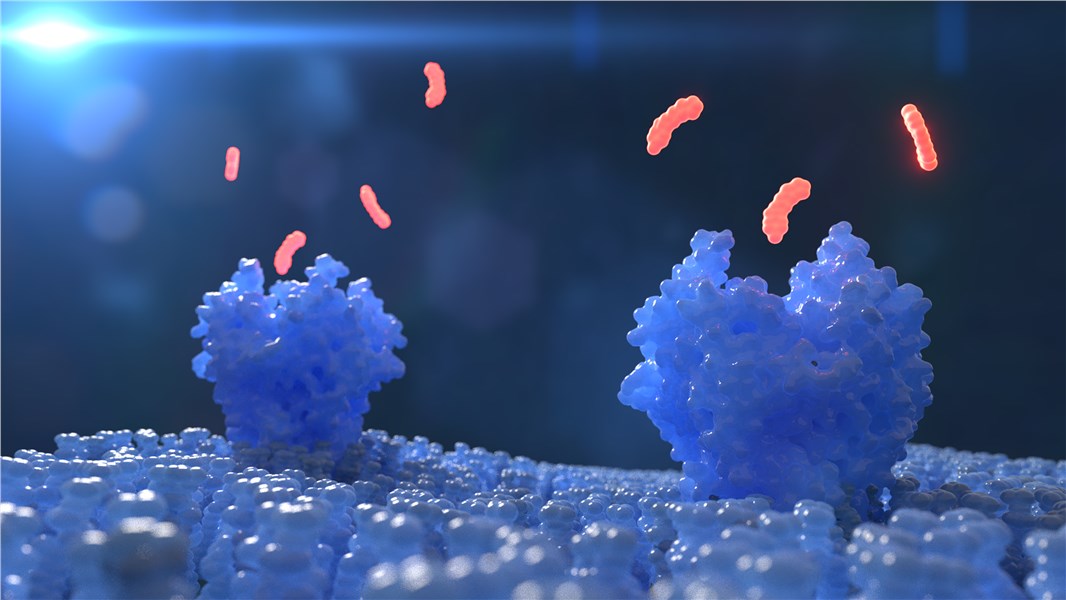
The foundation of successful in vivo targeting is the quality and affinity of the targeting moiety. We offer comprehensive synthesis and engineering of highly specific ligands designed to bind cell surface receptors with optimal kinetics.
- Custom synthesis and expression of diverse targeting moieties, including monoclonal antibodies, scFvs, VHH, aptamers, targeting peptides, and specific target proteins.
- Rigorous affinity screening and optimization to ensure structural integrity and high-specificity binding prior to LNP conjugation.
- Customization of ligand functional groups for seamless integration with downstream conjugation chemistries.
Case Study
Case Study 1: Targeted CD5 Ab-LNP (Cat: TDLD-0825-LD66)
This targeted LNP platform is engineered for specific delivery to CD5-expressing T cells. By conjugating a high-affinity anti-CD5 antibody, we enable precise targeting, making it an ideal tool for studying T-cell modulation. The data below is from a specified configuration, showcasing our targeting capabilities.
Payload: EGFP mRNA (CAP 1, m1Ψ)
Lipid Formulation: SM102
mRNA Concentration: 0.1 mg/ml
Module Type: Anti-CD5 Antibody
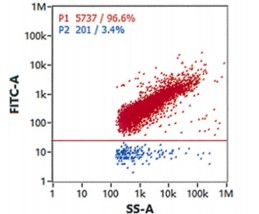 Fig. 3 Flow cytometry histogram of Targeted CD5 Ab-LNP.
| Z-Average | PDI | Zeta Potential | Encapsulation Efficiency | mRNA concentration |
|---|---|---|---|---|
| 69.7 nm | 0.140 | 96.6 mV | 91.0 % | 0.1 mg/mL |
Case Study 2: Targeted CD8 Ab-LNP
Developed for precise targeting of cytotoxic CD8+ T cells, this LNP is conjugated with a high-specificity anti-CD8 antibody. It is an essential tool for research into anti-tumor immunity, vaccine development, and strategies that require the specific manipulation of this critical immune cell population.
Payload: EGFP mRNA (CAP 1, m1Ψ)
Lipid Formulation: SM102
mRNA Concentration: 0.1 mg/ml
Module Type: Anti-CD8 Antibody
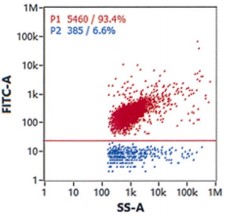 Fig. 4 Flow cytometry histogram of Targeted CD8 Ab-LNP.
| Z-Average | PDI | Zeta Potential | Encapsulation Efficiency | mRNA concentration |
|---|---|---|---|---|
| 84.08 nm | 0.08 | 93.4 mV | 90.1 % | 0.1 mg/mL |
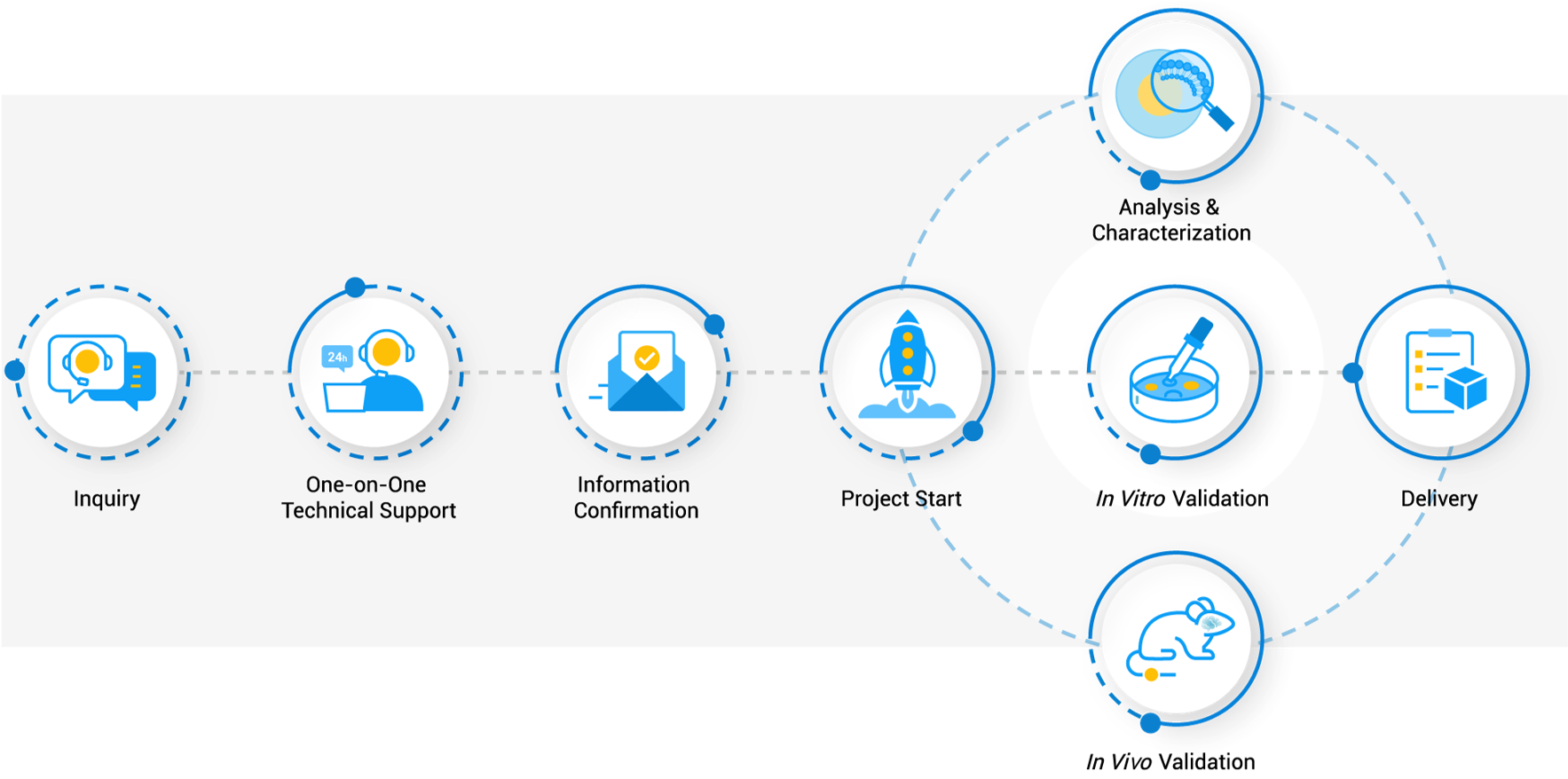
Workflow
Multidisciplinary Applications of Targeted LNPs
While traditional CAR-T therapy has been largely confined to hematological malignancies, the advent of our In Vivo CAR-T LNP Service fundamentally expands the horizon of targeted drug delivery. By mastering the localized delivery of complex payloads, this technology drives innovation across diverse scientific and medical disciplines:
- Immuno-Oncology: Generating transient CAR-T cells to target liquid tumors and challenging solid tumor microenvironments without the exhaustion associated with persistent ex vivo engineered cells.
- Autoimmune & Rheumatological Diseases: Reprogramming T cells in vivo or targeting specific regulatory T cells (Tregs) to suppress aggressive autoimmune responses and restore immune homeostasis.
- Cardiovascular & Fibrotic Diseases: Delivering targeted payloads to eliminate pathogenic fibroblasts (e.g., targeting FAP in cardiac fibrosis), mitigating tissue scarring after myocardial infarction.
- Infectious Diseases & Virology: Delivering CRISPR-Cas9 components or specific mRNA sequences to engineer T cells that resist viral entry (e.g., HIV) or mount a rapid, targeted response against persistent viral reservoirs.
- Senolytics & Anti-Aging: Developing highly targeted LNPs to instruct the immune system to actively seek out and clear senescent cells, offering novel therapeutic avenues for age-related pathologies and tissue rejuvenation.
- Dermatology & Musculoskeletal Disorders: Utilizing our tissue-specific LNPs for localized drug delivery to the skin or muscle to treat localized genetic disorders or inflammatory conditions.
Why Choose Creative Biolabs?
Partnering with an expert in nanomedicine is crucial when navigating the complexities of targeted drug delivery and overcoming biological barriers. Creative Biolabs' dedicated team of nanomedicine and targeting specialists is ready to evaluate your unique payloads, desired tissue targets, and biological milestones. We provide thorough scientific consultations to design a custom workflow that aligns seamlessly with your R&D objectives.
Proprietary Lipid Innovations
Our unique lipid libraries are rigorously screened for superior endosomal escape and reduced immunogenicity in primary immune cells and specific organ tissues.
Unmatched Targeting Precision
We utilize advanced synthesis and conjugation chemistry to ensure maximum payload concentration at the desired site of action, strictly minimizing exposure to healthy tissues.
Industry-Leading Encapsulation Efficiency
Our state-of-the-art microfluidic manufacturing processes consistently achieve >95% encapsulation efficiency, accommodating complex, large-molecular-weight mRNA and gene-editing components.
True End-to-End Partnership
From initial ligand synthesis and lipid screening to robust scale-up and comprehensive in vivo evaluation, we provide a unified, turnkey solution to accelerate your research pipeline.
Related Services & Products
Related Services

Chemical Synthesis Services


Nucleic Acid Synthesis Services
Related Products
| Product Name | Description | Inquiry |
|---|---|---|
| Targeted LNP Formulation Kit | Comprehensive kit featuring proprietary lipids optimized for targeted delivery to the liver, spleen, lung, muscle, and skin. | |
| Targeted CD5 Ab-LNP | Precision-engineered LNPs conjugated with anti-CD5 antibodies, optimized for T cell leukemia and lymphoma models. | |
| Targeted CD7 Ab-LNP | Advanced LNP formulations functionalized with anti-CD7 antibodies for highly specific T cell subset targeting. | |
| Targeted CD8 Ab-LNP | Off-the-shelf targeted LNPs conjugated with anti-CD8 antibodies for direct reprogramming of cytotoxic T lymphocytes. |
FAQs
How does your LNP strategy overcome the primary challenge of liver accumulation?
Standard LNPs naturally accumulate in the liver due to apolipoprotein binding. We overcome this by utilizing highly specific targeting ligands (synthesized in-house) and precisely tuning the LNP's surface charge and PEGylation strategy to evade hepatic clearance, ensuring the payload is delivered directly to circulating T cells or specific target organs.
Can your platform accommodate the delivery of CRISPR-Cas9 components?
Yes. Our formulation platform is highly modular. We achieve targeted delivery of both mRNA (for transient CAR expression) and complex CRISPR-Cas9 components (mRNA/sgRNA complexes or RNP complexes) for sophisticated in vivo gene editing.
What specific targeting ligands do you synthesize for LNP conjugation?
We offer extensive synthesis capabilities, including monoclonal antibodies, scFvs, VHH, aptamers, targeting peptides, and specific target proteins, all engineered for optimal receptor binding affinity.
Does the in vivo expression of the CAR construct last permanently, and is that safe?
No, the expression is transient, which is a massive safety advantage over viral vectors. Delivery via mRNA results in temporary expression of the CAR, mitigating the risks of long-term toxicities, permanent T cell exhaustion, and severe Cytokine Release Syndrome (CRS).
Is your targeting technology limited only to T cells?
No. While we specialize in in vivo CAR-T, our proprietary lipid libraries allow us to develop tissue-specific LNPs explicitly targeted to the liver, spleen, lung, muscle, and skin for diverse therapeutic applications.
What is your standard timeline for generating custom, validated targeted LNPs?
From initial ligand and payload synthesis to full in vitro validation, our timeline typically ranges from 6 to 9 weeks, allowing you to rapidly generate critical proof-of-concept data.
References
- Li, Yan-Ruide, Yichen Zhu, and Lili Yang. "Clinical technology advances driving in vivo CAR therapy." Trends in Biotechnology (2025). https://doi.org/10.1016/j.tibtech.2025.11.006.
- Morfino, Paolo, et al. "Treatment of cardiac fibrosis: from neuro-hormonal inhibitors to CAR-T cell therapy." Heart failure reviews 28.2 (2023): 555-569. https://doi.org/10.1007/s10741-022-10279-x
- Distributed under Open Access license CC BY 4.0, without modification.