Keratin Nanoparticle Development Service for Targeted Drug Delivery
In modern pharmacology, overcoming biological barriers without inducing off-target cytotoxicity remains a formidable challenge. Traditional synthetic nanocarriers frequently trigger unfavorable immunogenic responses or exhibit poor biological clearance. Creative Biolabs addresses these critical bottlenecks with our state-of-the-art Keratin nanoparticles Development Service for Targeted Drug Delivery. By exploiting the natural structural properties of endogenous proteins, we design highly cytocompatible, customizable nanovectors that safeguard your therapeutic cargo. Creative Biolabs delivers unmatched scientific expertise in engineering intelligent, stimuli-responsive protein biomaterials that elevate your molecule's therapeutic index.
The Science of Keratin in Precision Drug Delivery
To succeed in vivo, a drug delivery vector must remain stable in systemic circulation, bypass the reticuloendothelial system (RES), and release its payload exclusively within the target intracellular compartment. Keratin, a cysteine-rich structural protein, offers unique biochemical advantages that traditional synthetic polymers cannot replicate.
Why Keratin? Bridging the Gap Between Biocompatibility & Active Targeting
Traditional synthetic carriers like PLGA or PEGylated liposomes often struggle with long-term cellular accumulation, accelerated blood clearance (ABC) phenomena, or complex synthetic functionalization pathways. Keratin nanoparticles (KNPs) naturally circumvent these bottlenecks:
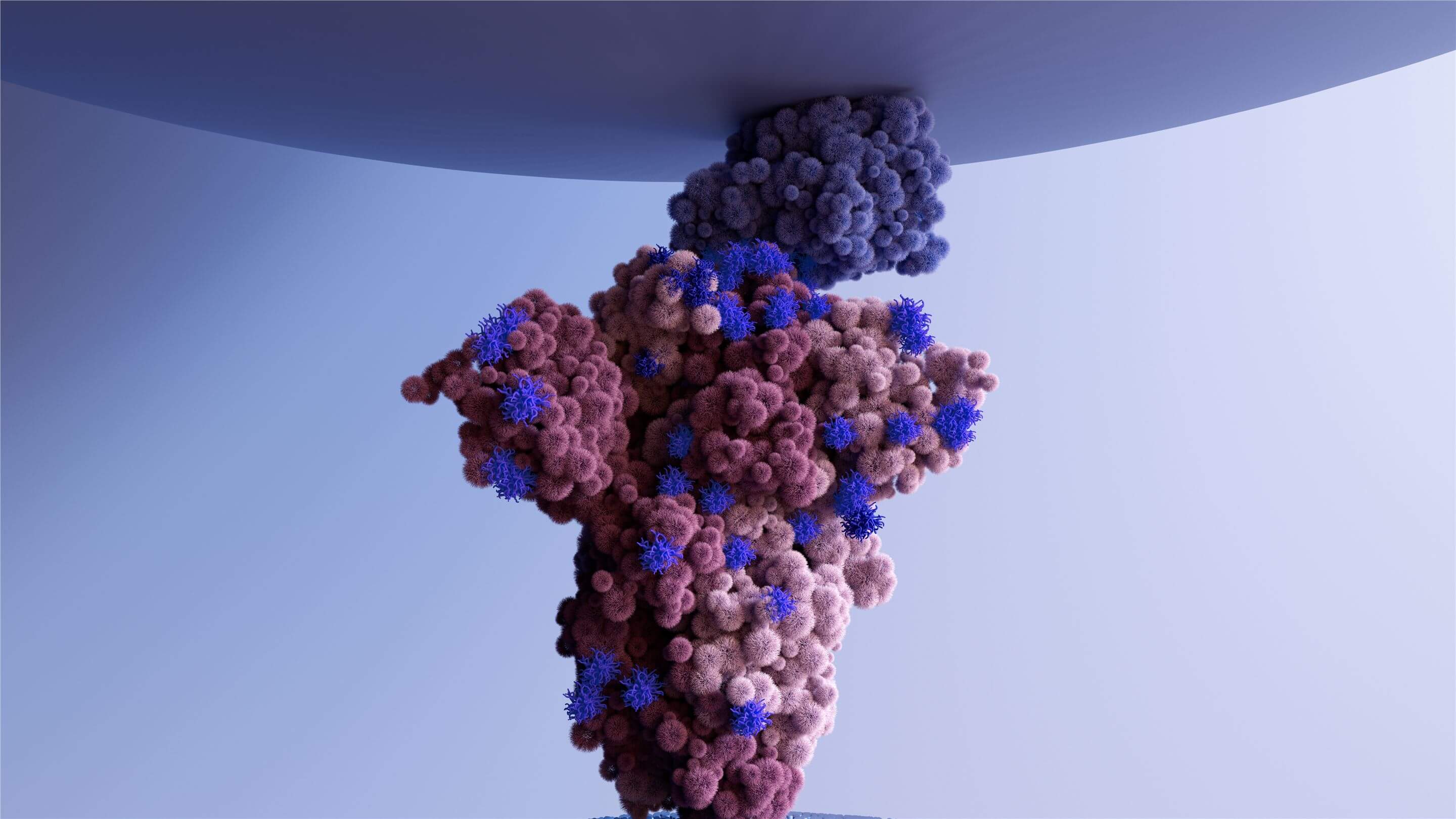
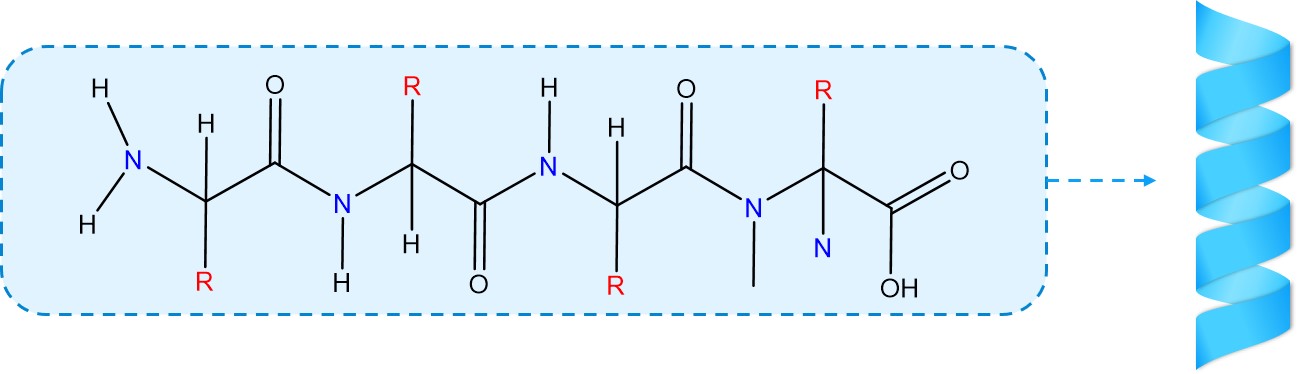 Fig. 1 Molecule structure of keratin.
- Intrinsic Cytocompatibility: As an endogenous structural protein, keratin undergoes natural proteolytic degradation, yielding non-toxic amino acid byproducts.
- Facile Self-Assembly: Due to its amphiphilic structure (containing both hydrophobic and hydrophilic domains), keratin spontaneously self-assembles into highly stable micellar structures capable of high-density payload encapsulation.
- Native Targeting Architecture: Unlike synthetic polymers that require post-synthetic chemical conjugation with expensive targeting antibodies, keratin contains inherent cell-adhesion tripeptide sequences that naturally recognize receptors on target diseased cells.
How Keratin Source Dictates Nanoparticle Performance
The biological source of keratin fundamentally dictates its molecular weight distribution, cross-linking density, and mechanical toughness. By carefully selecting the feedstock, our scientific team customizes the drug-loading capacity and degradation kinetics of your nanocarriers:
| Source | Structural Conformation | Cysteine / Disulfide (S-S) Density | Degradation Velocity | Optimal Payload & Delivery Strategy |
|---|---|---|---|---|
| Merino Wool | Predominantly α-helix | High (11 - 17%) | Moderate (2 -4 weeks) | Hydrophobic small-molecule chemotherapeutics requiring steady, sustained cytoplasmic release. |
| Human Hair | Predominantly α-helix | Very High (15-22%) | Slow (4-8 weeks) | Ultra-stable systemic circulation vectors designed to survive long transit times to deep tissue targets. |
| Poultry Feathers | Predominantly β-sheet | Moderate (7-10%) | Rapid (1-2 weeks) | Cationic hybrid complexes optimized for rapid endosomal escape and immediate intracellular nucleic acid release. |
Smart Intrinsic Homing & Dual-Stimuli Responsiveness
The intracellular environment of tumor tissues and inflamed organs displays distinct biochemical hallmarks compared to healthy tissue. Keratin-based carrier design exploits these microenvironmental differences to achieve precise, localized payload release:
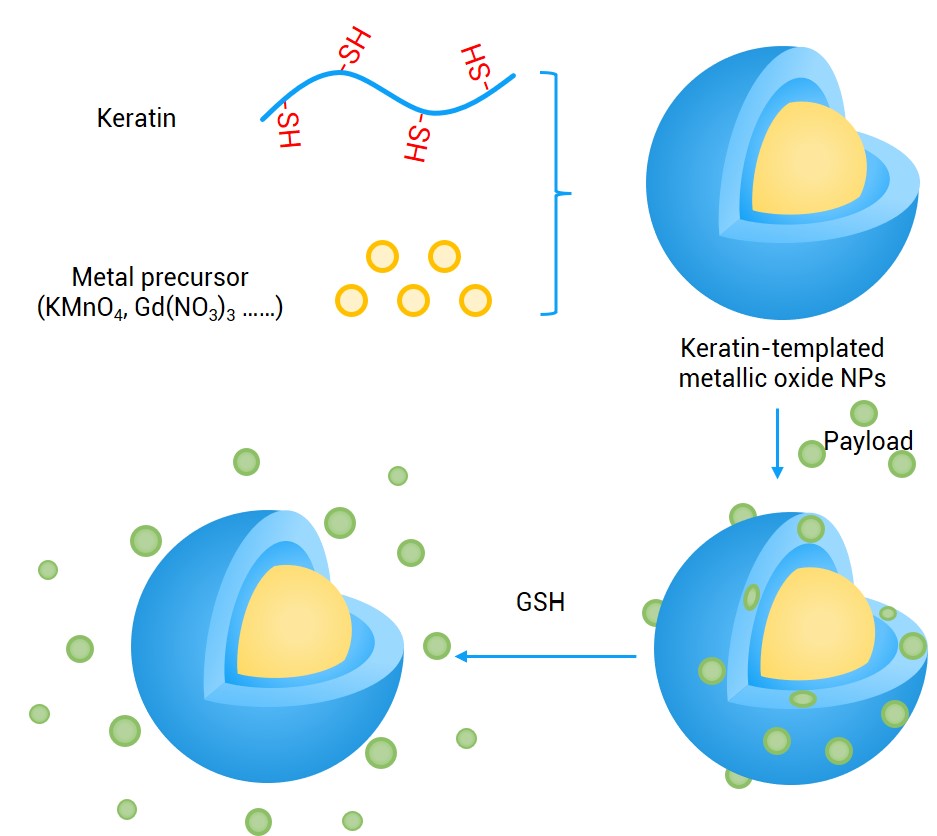 Fig. 2 Preparation and release mechanism of responsive keratin nanoparticles.
- Active Receptor Homing: Keratin contains highly conserved RGD (Arg-Gly-Asp) and LDV (Leu-Asp-Val) tripeptide motifs. These sequences selectively bind to αvβ3 integrin receptors, which are heavily overexpressed on cancer cells and angiogenic endothelial tissues, triggering receptor-mediated endocytosis.
- Proton-Sensing Swelling (pH): Under physiological blood conditions (pH ≈7.4), keratin nanoparticles remain structurally intact. Upon entering the acidic tumor microenvironment (pH 6.5 - 6.8) or the endo-lysosomal compartment (pH 5.0 - 6.0), protonation of carboxylate side chains causes electrostatic repulsion, triggering conformational swelling and drug diffusion.
- Glutathione-Triggered Disassembly (Redox): Intracellular glutathione (GSH) concentration is up to 1,000 times higher inside diseased cells (~ 2 – 10 mM) than in blood (~ 2 – 10 M). This massive redox gradient rapidly reduces the nanoparticle's internal disulfide bonds (S-S →-SH HS-), destabilizing the matrix and initiating rapid, targeted payload dumping.
Custom Formulation & Advanced Nanocarrier Engineering
Creative Biolabs offers a fully customizable, end-to-end development platform. We adapt the molecular weight, extraction source, surface charge, and cross-linking density of keratin to align precisely with your molecule's physical and chemical requirements.
Custom Formulation & Payload Encapsulation
We design custom keratin nanoparticles tailored to protect and deliver a broad spectrum of complex therapeutics. Our scientists optimize the critical aggregation concentration (CAC) to ensure stable micellar structure.
Small Molecule Hydrophobic Drugs
High-efficiency loading of hydrophobic chemotherapeutics (e.g., Paclitaxel, Doxorubicin) via hydrophobic domains and host-guest complexation.
Fragile Nucleic Acids
Synthesis of electrostatic keratin-cationic hybrid complexes to shield siRNA, mRNA, miRNA, ASOs, and CRISPR-Cas9 components from serum nucleases.
Bioactive Proteins & Peptides
Native-state encapsulation under mild, non-denaturing conditions to preserve delicate tertiary structures.
Workflow

Core Applications & Disease Targeting Profiles
Through our specialized custom keratin conjugation services, we design delivery systems that navigate specific physiological barriers to treat a variety of complex conditions:
- Oncology & Solid Tumors: Utilizing the Enhanced Permeability and Retention (EPR) effect coupled with active integrin-receptor homing to accumulate therapeutics directly in tumor tissues, improving efficacy and patient tolerance.
- Subcellular Targeting: Engineering nuclear-localization or mitochondrial-targeting signal peptides directly onto the keratin backbone to direct payloads to specific organelles.
- Inflammatory & Autoimmune Diseases: Explatating the high local concentration of reactive oxygen species (ROS) and matrix metalloproteinases (MMPs) at inflammatory sites to trigger localized payload release.
- Dermatological & Transdermal Applications: Utilizing keratin's natural affinity for follicular pathways and skin layers to create non-invasive, deep-penetrating topical therapeutics.
Why Choose Creative Biolabs?
Creative Biolabs is your committed scientific partner in overcoming biological barriers and maximizing therapeutic efficacy. Our customizable, eco-friendly, and highly cytocompatible Keratin nanoparticles Development Service for Targeted Drug Delivery provides a direct pathway to improving cell targeting, protecting fragile payloads, and obtaining robust, reproducible research results.
Unrivaled Protein-Engineering Expertise
Over two decades of specialized experience in green-chemistry extraction protocols that preserve the structural integrity of structural proteins.
High Encapsulation Efficiency (EE%)
Our proprietary formulations consistently achieve over 90% encapsulation efficiency for challenging hydrophobic and charged molecules.
Highly Reproducible, Monodisperse Populations
State-of-the-art synthesis controls ensure low polydispersity indexes (PDI ≤0.15), preventing batch-to-batch variation in your research.
Fully Customizable Platforms
From chemical modifications to payload optimization, we co-develop formulations tailored to your exact experimental protocols.
Related Services & Products
Related Services
Chemical Synthesis Services
Nucleic Acid Synthesis Services
FAQs
What starting feedstocks are used for Creative Biolabs' keratin extraction?
We utilize highly purified, clinical-grade wool and sustainable bio-sources. Our proprietary, chemical-free extraction processes isolate structurally integral alpha-keratins while maintaining intact cysteine disulfide networks.
What is the typical size of your developed keratin nanoparticles?
Our standard formulation protocols optimize the hydrodynamic diameter to a range of 80-130 nm with a low polydispersity index, ideal for cellular endocytosis.
Are these formulations suitable for delicate RNA payloads?
Yes. We introduce mild, non-toxic cationic lipids or polymers to form stable electrostatic complexes with the RNA phosphate backbones, fully protecting them from serum ribonuclease degradation.
Do you offer custom ligand conjugation on the nanoparticle surface?
Absolutely. Our advanced surface chemistry team can conjugate antibodies, peptides, and fluorescent tags utilizing carboxylic acid or amine reactive groups on the keratin backbone.
Can we evaluate your keratin carriers under physiological conditions in-house?
We provide specialized evaluation kits pre-formulated with reference dyes, allowing you to easily map release kinetics and endosomal escape profiles using your own laboratory protocols.