LNP Development Service for Gene Editing
The revolutionary potential of gene editing technologies relies entirely on safely and efficiently delivering the therapeutic payload directly to the intended site of action. Without an optimized vehicle, powerful genomic tools are rapidly degraded in the bloodstream or cleared by the immune system, leading to sub-optimal efficacy and systemic toxicity. Creative Biolabs is dedicated to solving this industry-wide bottleneck by providing highly customized lipid nanoparticle (LNP) formulations tailored to your specific payload and target tissue. At Creative Biolabs, our deep expertise in formulation chemistry and biological barriers enables us to engineer the precise targeted delivery vehicles your genetic medicines require.
Request a Free Scientific Consultation
The Evolution and Delivery of Genetic Medicines
The Evolution of Gene Editing Technologies
The landscape of genetic medicine has rapidly expanded beyond traditional gene replacement. Today, therapeutic interventions rely on a diverse toolkit of precision editing systems:
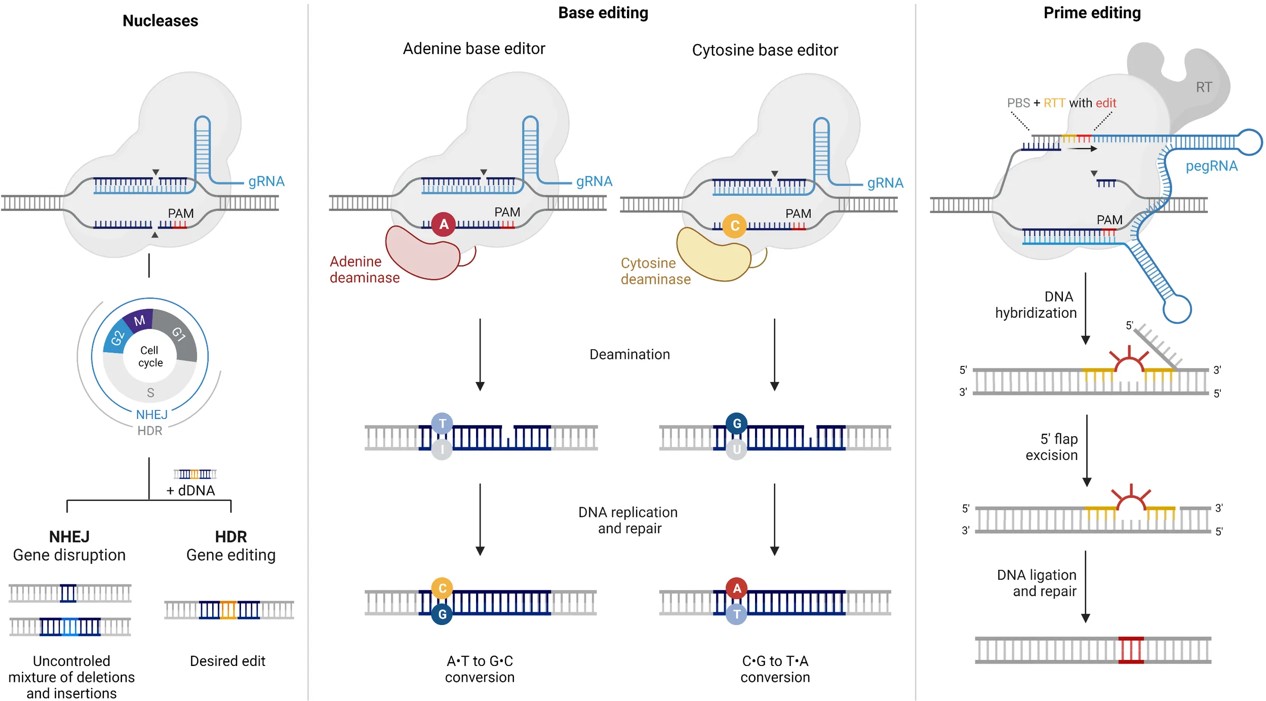 Fig. 1 Comparison of CRISPR/Cas9 nucleases, base editors, and prime editors.1,3
- CRISPR/Cas9 Nucleases: The foundational editing tool that creates targeted double-strand breaks (DSBs), enabling gene knockout or the insertion of large genetic sequences via homology-directed repair (HDR).
- Base Editors: Advanced, engineered fusion proteins that enable the direct, irreversible conversion of one target DNA base pair into another (e.g., C-G to T-A) without requiring double-strand DNA breaks, minimizing the risk of unintended indels.
- Prime Editors: The latest "search-and-replace" technology that can mediate targeted insertions, deletions, and all 12 possible base-to-base conversions without DSBs or donor DNA templates, offering unprecedented precision.
Current Landscape of In Vivo Gene Editing
The translation of these technologies from the bench to the clinic is accelerating. Currently, clinical trials are actively exploring various delivery methods to target distinct organ systems. As demonstrated in recent clinical progress, while viral vectors (like AAVs) are utilized for specific localized targets (such as the eye or CNS), LNPs have emerged as the dominant and most clinically validated delivery vehicle for systemic administration, particularly for hepatic targets.
| Target Organ | Delivery Vehicle | Indication | Editing System | Target Locus |
|---|---|---|---|---|
| Liver | LNPs | Hereditary Angioedema (HAE) | CRISPR-Cas9 (Knockout) | KLKB1 |
| Liver | LNPs | ATTR Amyloidosis | CRISPR-Cas9 (Knockout) | TTR |
| Liver | LNPs | Familial Hypercholesterolemia | Base Editor | PCSK9 |
| Liver | LNPs | Glycogen Storage Disease (GSD1a) | Base Editor | G6PC |
| Muscle | AAV | Duchenne Muscular Dystrophy (DMD) | Cas12 / Base Editor | DMD |
| Eyes | AAV / VLPs | Retinal Dystrophies (LCA10) | CRISPR-Cas9 (Knockout) | CEP290 |
| Brain | AAV | Rett Syndrome (MDS) | CRISPR-Cas13 | MECP2 |
Why Choose LNPs for Gene Editing?
While viral vectors (AAVs, Lentivirus) have historically been the standard for gene delivery, they present significant limitations for gene editing, including strict payload size constraints, risks of genomic integration, and severe immunogenicity that precludes re-dosing. LNPs overcome these hurdles through several key mechanisms:
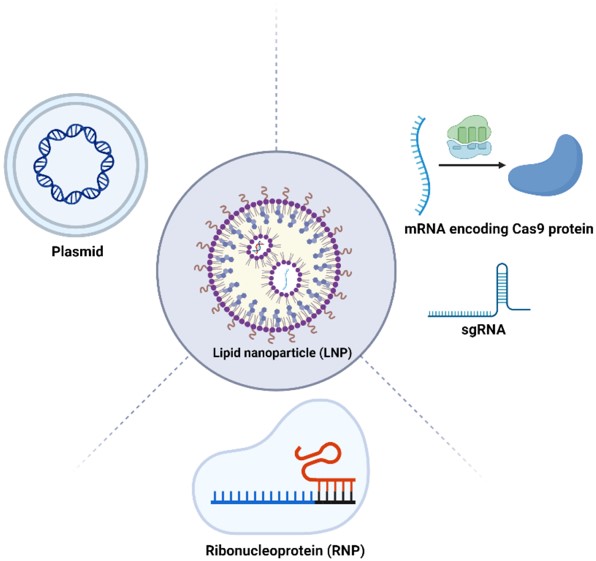 Fig. 2 Schematic representation of CRISPR-LNP therapeutics.2,3
- Transient Expression for Safety: LNPs enable short-term expression of Cas nucleases, allowing sufficient time for targeted genomic alterations while minimizing the long-term off-target risks associated with viral vectors.
- Large Payload Capacity: Unlike size-constrained AAVs, LNPs easily encapsulate the massive mRNA transcripts required for prime editors and multiplexed base editing systems.
- Low Immunogenicity & Re-dosability: Devoid of viral proteins, LNPs evade neutralizing antibodies, permitting safe, repeated dosing for sequential or enhanced editing.
- Robust Endosomal Escape: Specialized ionizable lipids respond to acidic endosomal environments, disrupting membranes to efficiently release the editing machinery into the cytosol.
LNPs facilitate highly efficient intracellular delivery through a precise, biologically responsive mechanism. Once administered, LNPs encapsulate the delicate gene editing payload, protecting it from nuclease degradation in the bloodstream. They enter the target cell via endocytosis. Within the acidic environment of the maturing endosome, proprietary ionizable lipids undergo a structural shift (protonation). This charge conversion disrupts the endosomal membrane, robustly releasing the editing machinery directly into the cytosol to execute its function before cellular degradation can occur.
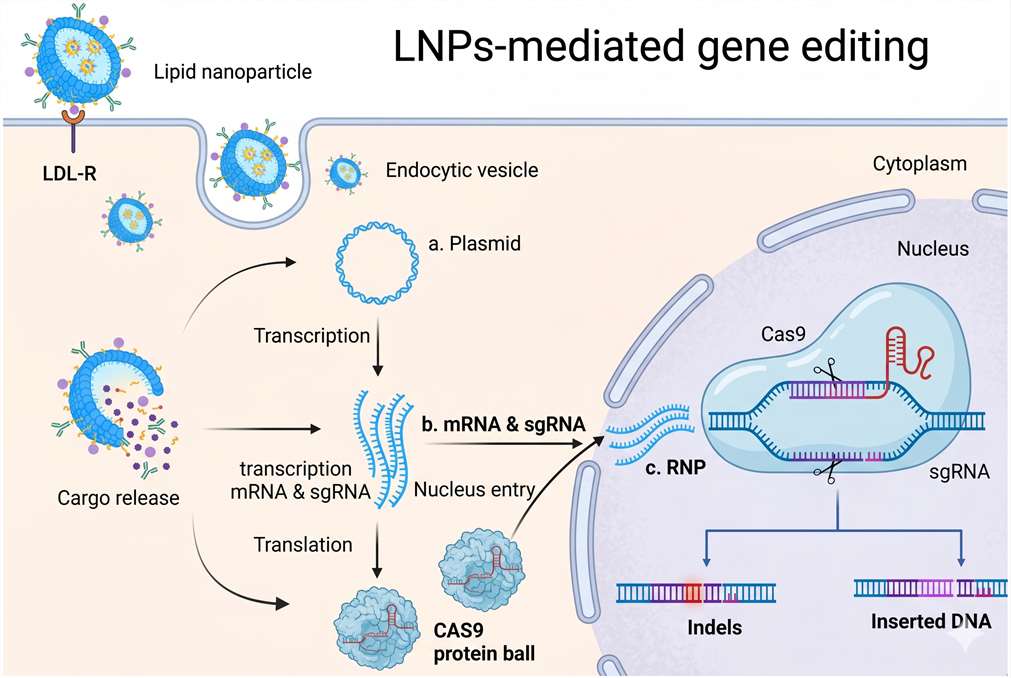 Fig. 3 Schematic representation of CRISPR-LNP therapeutics.
Deliverable Gene Editing Payloads
Our advanced LNP platforms can be meticulously tailored to deliver a comprehensive range of modalities:
- Cas9 mRNA & sgRNA: Co-delivered to ensure simultaneous expression and assembly of the active nuclease complex.
- Pre-assembled Cas9 Ribonucleoproteins (RNPs): Direct delivery of the active protein-RNA complex for immediate editing activity and rapid clearance.
- Base Editor & Prime Editor mRNA: Encapsulation of ultra-large transcripts for precise, DSB-free genomic modifications.
- Donor DNA Templates: Co-delivery of DNA templates alongside nucleases for targeted knock-in applications via HDR.
Precision LNP Engineering & Gene Editing Delivery Solutions
Creative Biolabs provides a comprehensive suite of solutions tailored to de-risk your development pipeline. Our modular platform allows us to achieve targeted delivery of various drugs (small molecules, nucleic acids, CRISPR-Cas9 components, and other bioactive molecules) directly to your specific T cell subsets.

Synthesis of Gene Editing Materials
The success of any LNP-mediated gene therapy fundamentally depends on the quality, stability, and precision of the genetic payload itself. Before the formulation process begins, we offer comprehensive, end-to-end synthesis and optimization services for your required genetic tools. Our molecular biology team utilizes advanced codon optimization and targeted chemical modifications to maximize translational efficiency and minimize immunogenic responses prior to LNP encapsulation.
- Sequence optimization & in vitro transcription (IVT) of Cas9, Base Editor, or Prime Editor mRNA.
- Synthesis of highly pure, chemically modified single guide RNAs (sgRNAs) for enhanced stability.
- Production of custom DNA donor templates for homology-directed repair (HDR).
Case Study
Case Study 1: Targeted CD5 Ab-LNP (Cat: TDLD-0825-LD66)
This targeted LNP platform is engineered for specific delivery to CD5-expressing T cells. By conjugating a high-affinity anti-CD5 antibody, we enable precise targeting, making it an ideal tool for studying T-cell modulation. The data below is from a specified configuration, showcasing our targeting capabilities.
Payload: EGFP mRNA (CAP 1, m1Ψ)
Lipid Formulation: SM102
mRNA Concentration: 0.1 mg/ml
Module Type: Anti-CD5 Antibody
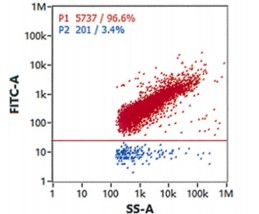 Fig. 4 Flow cytometry histogram of Targeted CD5 Ab-LNP.
| Z-Average | PDI | Zeta Potential | Encapsulation Efficiency | mRNA concentration |
|---|---|---|---|---|
| 69.7 nm | 0.140 | 96.6 mV | 91.0 % | 0.1 mg/mL |
Case Study 2: Targeted CD8 Ab-LNP
Developed for precise targeting of cytotoxic CD8+ T cells, this LNP is conjugated with a high-specificity anti-CD8 antibody. It is an essential tool for research into anti-tumor immunity, vaccine development, and strategies that require the specific manipulation of this critical immune cell population.
Payload: EGFP mRNA (CAP 1, m1Ψ)
Lipid Formulation: SM102
mRNA Concentration: 0.1 mg/ml
Module Type: Anti-CD8 Antibody
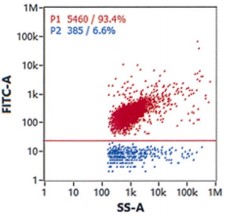 Fig. 5 Flow cytometry histogram of Targeted CD8 Ab-LNP.
| Z-Average | PDI | Zeta Potential | Encapsulation Efficiency | mRNA concentration |
|---|---|---|---|---|
| 84.08 nm | 0.08 | 93.4 mV | 90.1 % | 0.1 mg/mL |
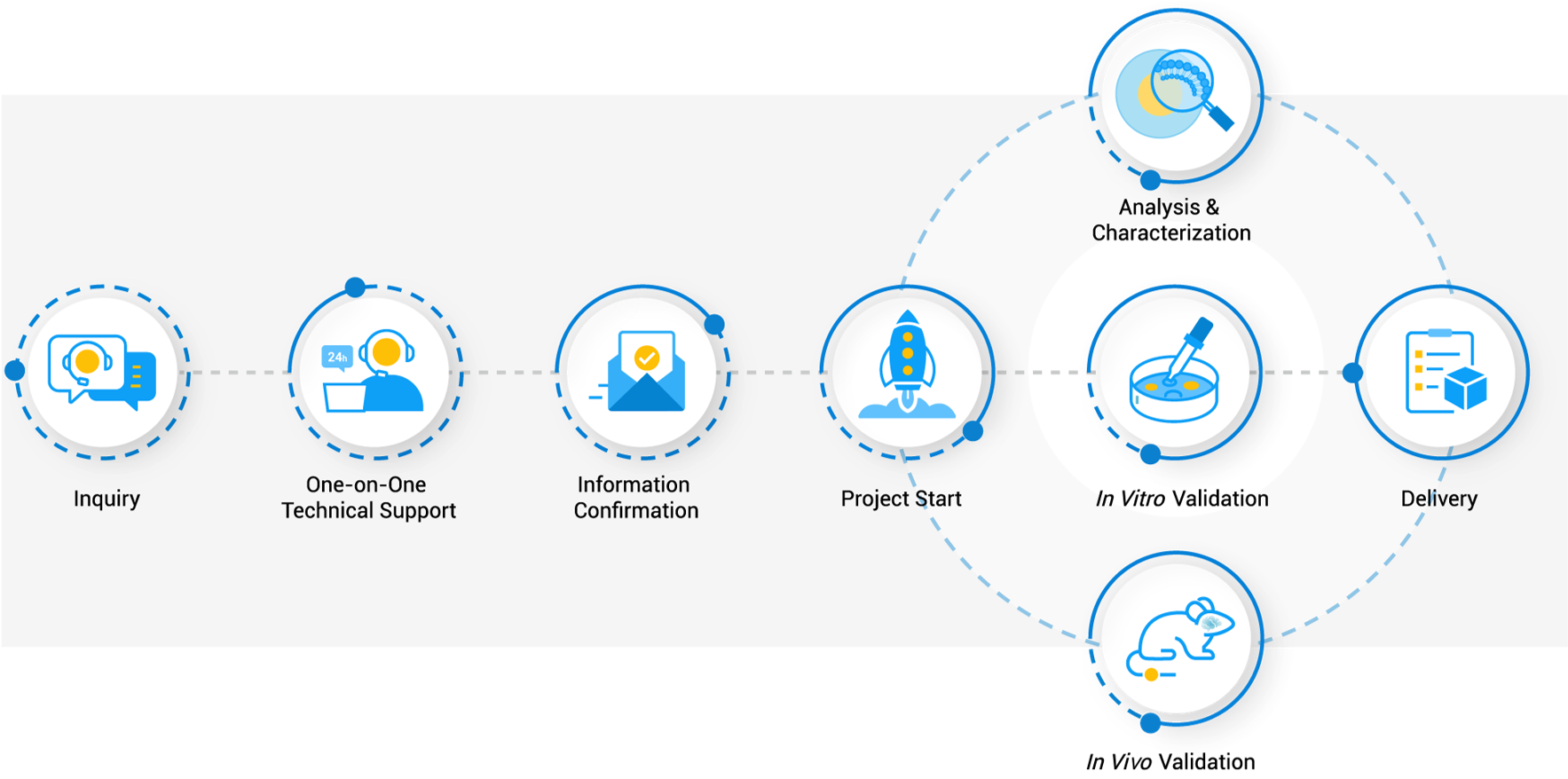
Workflow
Broad Applications of LNP-Mediated Gene Editing
While human clinical translation remains a primary focus, our targeted delivery solutions empower transformative gene editing applications across a diverse array of scientific and industrial fields.
- Human Gene Therapy & Oncology: Developing precise treatments for rare monogenic disorders, targeted delivery of apoptotic payloads to tumor microenvironments, and in vivo engineering of immune cells.
- Agricultural Biotechnology: Delivering CRISPR-Cas9 to plant protoplasts to engineer crops with enhanced drought resistance, increased nutritional yield, and innate pest immunity without relying on Agrobacterium-mediated integration.
- Veterinary Medicine & Aquaculture: Formulating LNPs for the development of advanced prophylactic vaccines and targeted gene therapies to prevent infectious outbreaks in livestock and farmed fish populations.
- Ex Vivo Cell Therapy Manufacturing: Streamlining the production of CAR-T and TCR-T cell therapies by replacing expensive and complex viral vectors with highly efficient, low-toxicity LNP incubation protocols.
Why Choose Creative Biolabs?
Creative Biolabs is committed to accelerating the translation of genomic medicines by providing state-of-the-art LNP Development Services for Gene Editing. By precisely engineering nanocarriers to overcome complex biological barriers, we ensure your therapeutic payloads achieve maximum efficacy with unparalleled safety profiles. Whether you are conducting bench-top discovery or preparing for preclinical validation, our targeted delivery solutions are designed to scale with your success.
Unmatched Formulation Expertise
Decades of combined experience in lipid chemistry and nanocarrier biophysics ensures we solve delivery bottlenecks, not just formulate them.
Proprietary Lipid Libraries
Access to novel ionizable lipids designed specifically to maximize endosomal escape and minimize cellular toxicity.
True Modularity for Extra-Hepatic Targeting
We routinely tune lipid ratios and conjugate surface ligands to redirect LNP tropism away from the liver and toward your specific target organ or cell type.
Platform-Agnostic Capability
Proven success co-formulating delicate Cas9 RNPs, massive prime editor mRNA sequences, and multiplexed guide RNAs.
Related Services & Products
Related Services

Chemical Synthesis Services


Nucleic Acid Synthesis Services
Related Products
| Product Name | Description | Inquiry |
|---|---|---|
| Targeted LNP Formulation Kit | Comprehensive kit featuring SORT lipids for extra-hepatic targeting. | |
| LNP-based Transfection Kit (In Vitro) | Pre-optimized, ready-to-use lipid nanoparticle reagent for highly efficient gene editing in cultured cells. | |
| LNP Formulation Kit (Universal) | Modular lipid mixture allowing researchers to encapsulate diverse nucleic acid payloads at the benchtop. | |
| LNP-based Transfection Kit (In Vivo) | Easily administrable LNP reagents optimized for systemic delivery in small animal models. |
FAQs
What types of gene editing payloads can your LNPs deliver?
Our modular platform is capable of delivering a wide range of modalities, including mRNA/sgRNA combinations, DNA plasmids, base editors, prime editors, and pre-assembled Cas9 Ribonucleoprotein (RNP) complexes.
Can you target tissues other than the liver?
Yes. While default LNP tropism heavily favors the liver, we utilize active targeting (ligand conjugation) and passive targeting (tuning lipid charge and PEGylation) to achieve extra-hepatic delivery to the lungs, spleen, solid tumors, and the central nervous system.
How do you handle the massive size of Prime Editor mRNA?
Unlike viral vectors, LNPs are not physically constrained by a rigid capsid. Through careful modulation of the structural lipids and the N/P ratio, we routinely achieve >90% encapsulation efficiency for transcripts exceeding 10,000 nucleotides.
How do you minimize off-target toxicity?
We minimize toxicity by utilizing highly biodegradable ionizable lipids that rapidly clear from tissues post-delivery, ensuring transient expression of the nuclease. Furthermore, we rigorously optimize tissue tropism to prevent payload accumulation in off-target organs.
References
- Carvalho, Claudia, et al. "Gene therapy for inherited retinal diseases: exploiting new tools in genome editing and nanotechnology." Frontiers in Ophthalmology 3 (2023): 1270561. https://doi.org/10.3389/fopht.2023.1270561
- Wang, S., and Y. Zhu. "Preclinical advances in LNP-CRISPR therapeutics for solid tumor treatment." Cells (2024.) https://doi.org/10.3390/cells13070568
- Distributed under Open Access license CC BY 4.0, without modification.