Because they respond to a magnet, magnetic nanoparticles can be guided more precisely than many other carriers.
Magnetic Nanoparticle based Targeted Drug Delivery Solution
Magnetic nanoparticle-based delivery strategies are changing how drugs reach disease sites. Instead of flooding the whole body, they help move medicine exactly where it is needed, using the power of magnets. In this guide, we will walk through what magnetic nanoparticles are, how they work, where they are used, and how Creative Biolabs can support your next project.
What Are Magnetic Nanoparticles?
Magnetic nanoparticles are very small particles, usually between 1 and 100 nanometers in size. Most biomedical magnetic nanoparticles are made from superparamagnetic iron oxide, such as magnetite (Fe3O4) or maghemite (γ-Fe2O3).
Because they are so small, they can move through the bloodstream and enter tissues. In addition, they are magnetic, so they can react to an external magnetic field. The combination of these two functional traits makes magnetic nanoparticles for drug delivery very attractive for targeted therapies.
In many systems, each magnetic nanoparticle has three key parts (Figure 1):
- Magnetic core – provides the response to the magnetic field.
- Coating layer – often made of polymers, silica, lipids, or even gold to improve stability and biocompatibility.
- Targeting or functional layer – such as antibodies, peptides, aptamers, or sugars that help the particle recognize and bind to a specific cell type.
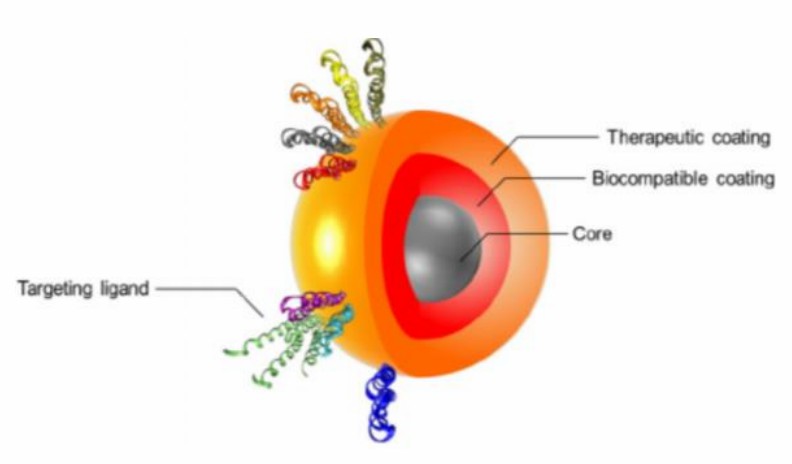 Fig.1 The structure of magnetic nanoparticles.2
You can think of these particles as tiny delivery trucks that you can steer with a magnet and decorate with the right "address labels" to find the correct destination.
What Makes Magnetic Nanoparticles So Useful?
Magnetic nanoparticles bring several important benefits to drug delivery:
Better targeting
Lower side effects
Since more drugs stay near the target and less reach healthy organs, toxicity can be reduced.
Flexible payloads
Magnetic nanoparticles can carry small molecules, peptides, proteins, nucleic acids, or even combination therapies.
Multifunctional design
A single particle can include a drug, an imaging agent, and a targeting ligand at once. This supports theranostic strategies, where diagnosis and therapy happen together.
Compatibility with other delivery systems
Creative Biolabs can integrate magnetic cores into liposomes, polymeric nanoparticles, and other module delivery systems (Figure 2).
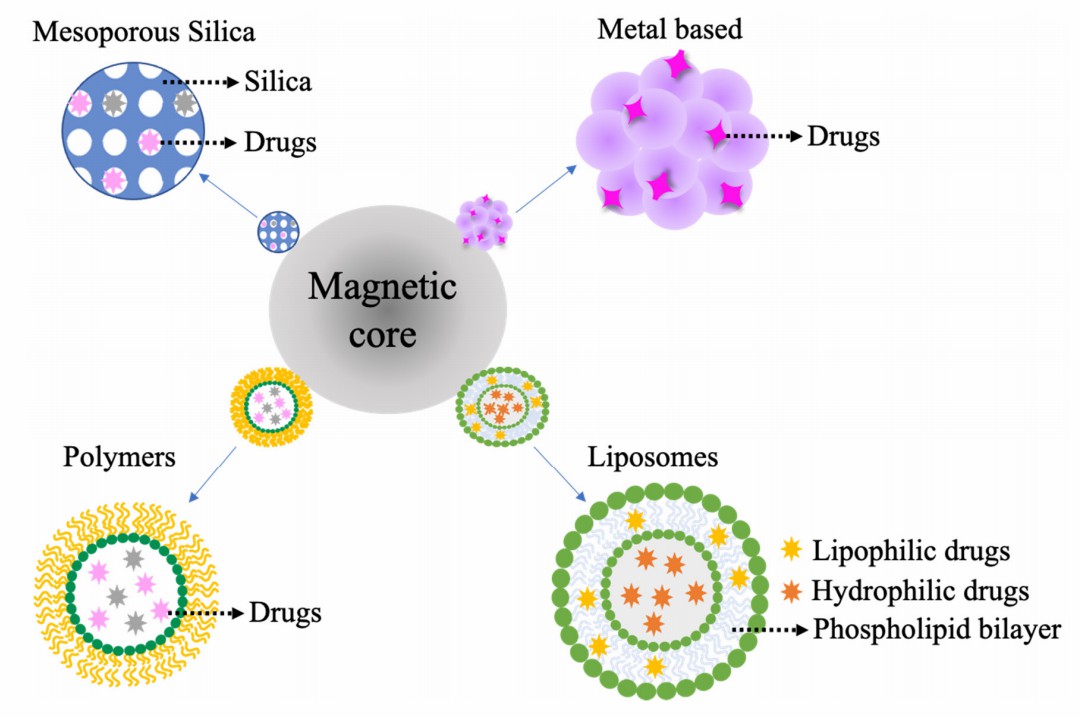 Fig.2 Integration of the magnetic cores into other delivery systems.3
For more information, please contact us through our website, Targeted Delivery Solutions and Module Delivery Systems.
How Magnetic Nanoparticle Delivery Works
Passive Targeting
First, magnetic nanoparticles can follow the same rules as many other nanocarriers. Tumors often have leaky blood vessels and poor drainage. This is known as the enhanced permeability and retention (EPR) effect.
Because of the EPR effect, nanoparticles can pass more easily into tumor tissue and stay there longer than in normal tissue. This process is called passive targeting. It does not use magnets directly, but it helps concentrate the nanoparticles near the tumor before any extra control is added.
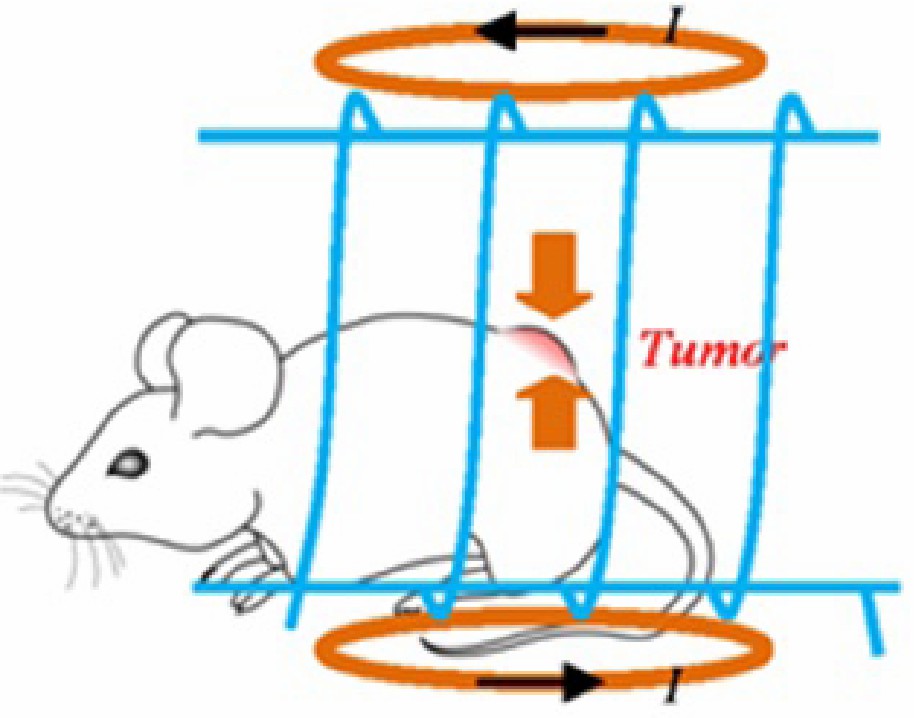 Fig.3 The basis of magnetic hyperthermia.4
Types of Magnetic Nanoparticles Used in Delivery
Several main types of magnetic nanoparticles are used in delivery strategies:
SPIONs (Superparamagnetic Iron Oxide Nanoparticles)
These are the most common for biomedical applications due to their strong response to magnetic fields and good safety profile.
Polymer-coated magnetic nanoparticles
A polymer shell, such as PEG, chitosan, or PLGA, improves circulation time and stability. It also provides sites for attaching drugs and targeting ligands.
Magnetic liposome hybrids
Here, magnetic nanoparticles are encapsulated inside liposomes. This combines the well-known behavior of liposomes with the added control of magnetic guidance. Creative Biolabs’ module delivery systems can be adapted to such hybrid designs.
Core-shell structures (e.g., gold-shell MNPs)
A metallic shell, such as gold, can support additional functions, including photothermal effects or high-density ligand attachment.
To explore how these magnetic nanoparticle formats integrate with broader nanocarrier architectures, see our advanced module delivery systems for more design options.
Key Biomedical Applications
Theranostic magnetic nanoparticles applications make it easier to monitor treatment in real time and adjust dosing or exposure as needed.
Drug Delivery
Magnetic nanoparticles can carry many types of drugs, including chemotherapies and anti-inflammatory agents. By using both passive and active targeting, they can improve drug accumulation at disease sites.
This makes magnetic nanoparticle drug delivery a powerful strategy for tumors, inflamed tissues, and even local infections.
Targeted Cancer Therapy
In cancer, the main goals are to kill tumor cells while protecting healthy tissue. Magnetic nanoparticles support this goal by:
- Delivering chemotherapy drugs directly to the tumor.
- Working together with magnetic hyperthermia to weaken or destroy cancer cells.
- Enabling repeated treatment cycles with lower systemic toxicity.
Diagnostic Imaging / MRI Contrast
Iron oxide-based magnetic nanoparticles for biomedical applications have long been used as MRI contrast agents. They change the local magnetic environment and improve image contrast.
This allows doctors to track where the nanoparticles go. When combined with a therapeutic payload, this forms the basis of image-guided therapy.
Theranostics (Therapy + Imaging)
In theranostic designs, a single magnetic nanoparticle platform is used for:
- Carrying a drug.
- Improving MRI contrast or other imaging signals.
- Enabling controlled heating or triggered release.
Challenges in Using Magnetic Nanoparticles
Although the promise is great, several challenges must be addressed before magnetic nanoparticle-based delivery strategies become routine in the clinic:
Biocompatibility and long-term safety
Particles must be broken down or cleared safely and should not build up in sensitive organs.
Deep-tissue targeting
External magnets are more effective near the body surface. Reaching deep tumors and organs with strong gradients is still difficult.
Manufacturing and quality control
Particle size, magnetization, coating thickness, and drug loading must be tightly controlled for every batch.
Regulatory pathways
Because these are complex combination products, clinical testing and approval can be more demanding than for simple small molecules.
Quote to remember:
"The science of magnetic nanoparticles is already strong. The main task now is to turn smart lab designs into safe and reliable medicines for patients."
Creative Biolabs and Magnetic Nanoparticle Delivery Development
At Creative Biolabs, we help turn concepts into tested, optimized magnetic nanoparticle-based delivery strategies. Our expertise covers the full design path, including:
-
Platform selection and design
Choosing between SPIONs, polymer-coated systems, liposome–MNP hybrids, or other advanced carriers that fit your project. -
Surface engineering and functionalization
Attaching antibodies, peptides, or other ligands to improve targeting performance, supported by our module delivery systems. -
Integration with existing delivery modules
Combining magnetic cores with liposomes, polymeric micelles, or other platforms available through our targeted delivery services. -
Characterization and optimization
Measuring size, surface charge, magnetization, stability, and drug loading, and then adjusting the design for better performance.
Related Services You May Be Interested in
FAQs
What is the main advantage of magnetic nanoparticle-based delivery strategies?
The main advantage is that they let us guide drugs more directly to the disease site using an external magnet, which can increase local drug levels and reduce unwanted effects in healthy tissues.
Are magnetic nanoparticles safe?
Many iron oxide-based magnetic nanoparticles have shown good safety profiles in imaging and other uses, but each new design still needs careful testing to confirm long-term safety and clearance.
Can magnetic nanoparticles really treat cancer?
Magnetic nanoparticles are already used in research and early clinical work for cancer drug delivery and magnetic hyperthermia. They can help focus treatment on the tumor, but full approval for broad clinical use is still under development.
How are magnetic nanoparticles different from normal nanoparticles?
All nanoparticles are small, but magnetic nanoparticles also respond to magnetic fields. This extra control lets researchers steer and retain them in specific body regions.
What kinds of drugs can be carried by magnetic nanoparticles?
They can carry many types of drugs, including chemotherapies, anti-inflammatory agents, nucleic acids, and even combination therapy regimens, as long as the formulation is designed correctly.
Conclusion
Magnetic nanoparticle-based delivery strategies offer a powerful way to make modern therapies smarter, more targeted, and more efficient. By combining nanoscale carriers, magnetic control, and advanced surface engineering, these systems bring us closer to precise, patient-friendly treatments in oncology and beyond. However, moving from concept to clinic requires deep expertise in nanoparticle design, surface chemistry, targeting biology, and regulatory expectations.
If you are planning a project on magnetic nanoparticles for drug delivery, magnetic hyperthermia, or theranostic platforms, Creative Biolabs is ready to help. Our team can support you from early design through optimization and preclinical validation.
Get in touch today to discuss your magnetic nanoparticle delivery strategy and turn your idea into a concrete, high-impact solution.
References
- Prijic, S. & Sersa, G. "Magnetic nanoparticles as targeted delivery systems in oncology". Radiology and Oncology 45, 1–16 (2011). https://content.sciendo.com/doi/10.2478/v10019-011-0001-z.
- Graham, W. et al. "Magnetic Nanoparticles and Drug Delivery Systems for Anti-Cancer Applications: A Review". Nanomaterials 15, 285 (2025). https://www.mdpi.com/2079-4991/15/4/285. Distributed under Open Access license CC BY 4.0, without modification.
- Tan, M., Reyes-Ortega, F. & Schneider-Futschik, E. K. "Magnetic Nanoparticle-Based Drug Delivery Approaches for Preventing and Treating Biofilms in Cystic Fibrosis". Magnetochemistry 6, 72 (2020). https://www.mdpi.com/2312-7481/6/4/72. Distributed under Open Access license CC BY 4.0, without modification.
- Liu, G. et al. "Magnetic Nanoparticle for Biomedicine Applications". NTMB 2, 1–7 (2015). http://www.heraldopenaccess.us/fulltext/Nanotechnology-Nanomedicine-&-Nanobiotechnology/Magnetic-Nanoparticle-for-Biomedicine-Applications.php. Distributed under Open Access license CC BY 4.0, without modification.
Our services are For Research Use Only. We do not provide services to individuals.
Online Inquiry