Non-PEGylated LNP Development Service
The rapid clinical translation of nanomedicine has highlighted a critical bottleneck in therapeutic efficacy: the immunological limitations of traditional polymer coatings. While Polyethylene Glycol (PEG) is historically the gold standard for stabilizing lipid nanoparticles, its widespread use frequently triggers anti-PEG antibodies, leading to accelerated blood clearance (ABC) and severe hypersensitivity, particularly in multi-dose regimens. To realize the full potential of next-generation modalities, researchers require stealth alternatives that maintain colloidal stability and prolonged circulation without compromising safety or cellular uptake. Creative Biolabs delivers the definitive solution. With decades of targeted drug delivery experience, Creative Biolabs offers unparalleled expertise in engineering custom, Non-PEGylated Lipid Nanoparticle Formulation Services tailored to your precise payload and biodistribution requirements.
Request a Free Scientific Consultation
The Imperative for Non-PEGylated Delivery Systems
To engineer highly effective, repeatedly dosable drug delivery vehicles, one must deeply understand the biological and immunological barriers that limit first-generation LNP technologies.
The Clinical Bottleneck: Deconstructing the "PEG Dilemma"
Polyethylene Glycol (PEG) is routinely incorporated into LNP formulations (via PEG-lipids) to provide a hydration layer—a steric shield that prevents nanoparticle aggregation, serum protein opsonization, and rapid clearance by the mononuclear phagocyte system (MPS). However, the ubiquitous presence of PEG in cosmetics, processed foods, and prior therapeutics has led to widespread pre-existing anti-PEG antibodies (both IgM and IgG) in the human population.
Upon administration of PEGylated LNPs, these pre-existing antibodies rapidly bind to the nanocarrier's surface. This binding triggers the classical complement pathway, leading to Complement Activation-Related Pseudoallergy (CARPA)—a severe hypersensitivity reaction.
The Importance of PEG-Free Architectures in Repeat Dosing
The necessity for PEG-free LNPs becomes absolute in the context of multi-dose therapies (such as chronic gene therapies, protein replacement, or repeated mRNA vaccinations). Even in patients without pre-existing immunity, the first dose of a PEGylated LNP acts as an immunogen, eliciting a robust anti-PEG antibody response.
When subsequent doses are administered, these newly formed antibodies rapidly opsonize the LNPs, causing them to be heavily sequestered and destroyed by Kupffer cells in the liver. This phenomenon, known as Accelerated Blood Clearance (ABC), drastically reduces the pharmacokinetic half-life and nullifies the therapeutic efficacy of the drug. Transitioning to PEG-free architectures is critical to bypassing the ABC phenomenon, ensuring consistent biodistribution, maintaining the therapeutic window across multiple doses, and preventing off-target hepatic toxicity.
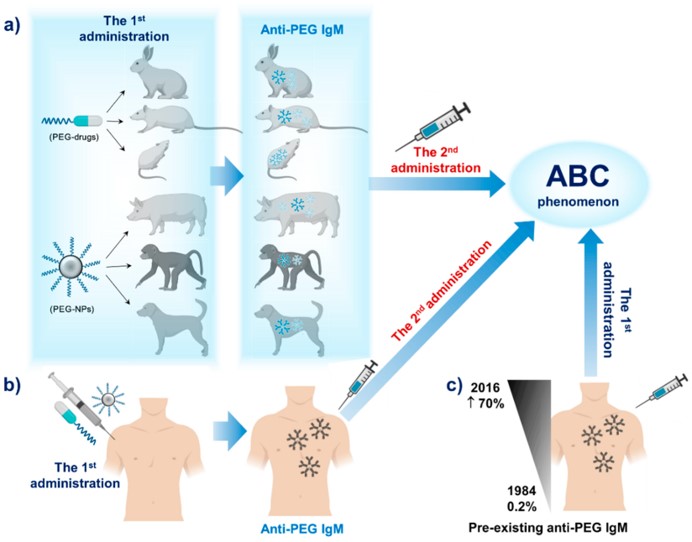 Fig. 1 PEG Immunogenicity in Animals and Humans.1
Key Factors Influencing the ABC Phenomenon
- PEG Molecular Weight & Density: The length and surface density of PEG chains directly dictate the delicate balance between initial stealth capabilities and subsequent immunogenicity.
- Lipid Dose: The ABC effect frequently exhibits an inverse relationship with the primary injection dose; lower initial doses often trigger a more severe clearance response upon secondary administration.
- Dosing Interval: Clearance severity peaks when secondary doses align with maximum anti-PEG IgM production (typically 5 to 7 days post-initial injection).
- Physicochemical Properties: Nanoparticle size, surface charge, and internal core composition significantly modulate the intensity of immune recognition and complement activation.
- Animal Species Differences: The magnitude of the ABC response varies drastically across species, presenting significant, unpredictable challenges for preclinical-to-clinical translation.
Emerging Stealth Polymers: Potential PEG Alternatives
Overcoming the PEG dilemma requires innovative surface chemistry. Researchers are now deploying alternative hydrophilic polymers that mimic the stabilizing, stealth effects of PEG while remaining entirely invisible to anti-PEG antibodies.
Table 1. Promising PEG Alternatives for Stealth LNP Formulation
| Polymer / Material Class | Structural Characteristics | Key Advantages for Non-PEGylated LNPs |
|---|---|---|
| Polysarcosine (pSar) | Endogenous-like pseudo-peptide (poly-N-methylglycine) based on natural amino acids. | Excellent stealth profile, fully biodegradable, zero known pre-existing human antibodies, promotes superior endosomal escape compared to PEG. |
| Polyoxazolines (POx) | Highly tunable, water-soluble synthetic polymers with a peptide-like backbone. | Extremely low immunogenicity, highly stable in vivo, excellent prolonged circulation kinetics, and easily functionalized for targeting. |
| Zwitterionic Polymers (e.g., PCB, PSB) | Polymers containing an equal number of positive and negative charges, maintaining overall neutrality. | Creates a tightly bound hydration layer via electrostatic interactions, leading to ultra-low biofouling and high resistance to protein corona formation. |
| Hyperbranched Poly(glycerol) (HPG) | Highly branched, hydrophilic polyether network. | Exceptional biocompatibility, superior steric shielding due to hyperbranched structure, and favorable safety profile without ABC. |
| Hydrophilic Peptide-Lipids | Lipids conjugated to sequence-defined natural amino acid chains. | Fully degradable, highly tunable surface charge, and can be engineered for simultaneous stealth and target-receptor binding. |
Specialized PEG-Free LNP Development Services
At Creative Biolabs, we provide a comprehensive suite of solutions to transition your pipeline away from immunogenic polymers. We do not just formulate standard LNPs; we engineer specialized stealth architectures.
Custom Stealth Polymer & PEG-Alternative Synthesis
At Creative Biolabs, we recognize that off-the-shelf lipids cannot solve complex immunogenicity challenges. Our chemistry division specializes in the de novo design and synthesis of highly biocompatible, non-immunogenic lipid conjugates tailored specifically to replace traditional PEGylated components in your formulation.
- Polysarcosine (pSar) Conjugation: Synthesis of sequence-defined, endogenous-like pseudo-peptides that completely evade anti-PEG antibodies.
- Zwitterionic Lipid Engineering: Development of ultra-low biofouling lipids that create dense hydration layers via electrostatic neutrality.
- Tunable Chain Lengths: Precise control over polymer molecular weight to optimize the balance between steric stabilization and endosomal escape.
- Scalable Synthetic Routes: Transition smoothly from milligram-scale R&D screening batches to gram-scale lipid.
Case Study
Case Study 1: Targeted CD5 Ab-LNP (Cat: TDLD-0825-LD66)
This targeted LNP platform is engineered for specific delivery to CD5-expressing T cells. By conjugating a high-affinity anti-CD5 antibody, we enable precise targeting, making it an ideal tool for studying T-cell modulation. The data below is from a specified configuration, showcasing our targeting capabilities.
Payload: EGFP mRNA (CAP 1, m1Ψ)
Lipid Formulation: SM102
mRNA Concentration: 0.1 mg/ml
Module Type: Anti-CD5 Antibody
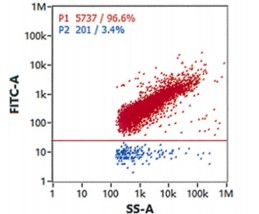 Fig. 2 Flow cytometry histogram of Targeted CD5 Ab-LNP.
| Z-Average | PDI | Zeta Potential | Encapsulation Efficiency | mRNA concentration |
|---|---|---|---|---|
| 69.7 nm | 0.140 | 96.6 mV | 91.0 % | 0.1 mg/mL |
Case Study 2: Targeted CD8 Ab-LNP
Developed for precise targeting of cytotoxic CD8+ T cells, this LNP is conjugated with a high-specificity anti-CD8 antibody. It is an essential tool for research into anti-tumor immunity, vaccine development, and strategies that require the specific manipulation of this critical immune cell population.
Payload: EGFP mRNA (CAP 1, m1Ψ)
Lipid Formulation: SM102
mRNA Concentration: 0.1 mg/ml
Module Type: Anti-CD8 Antibody
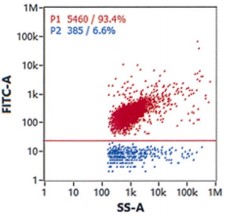 Fig. 3 Flow cytometry histogram of Targeted CD8 Ab-LNP.
| Z-Average | PDI | Zeta Potential | Encapsulation Efficiency | mRNA concentration |
|---|---|---|---|---|
| 84.08 nm | 0.08 | 93.4 mV | 90.1 % | 0.1 mg/mL |
 Advanced PEG-Free LNPs for Immune-Evasive Drug Delivery
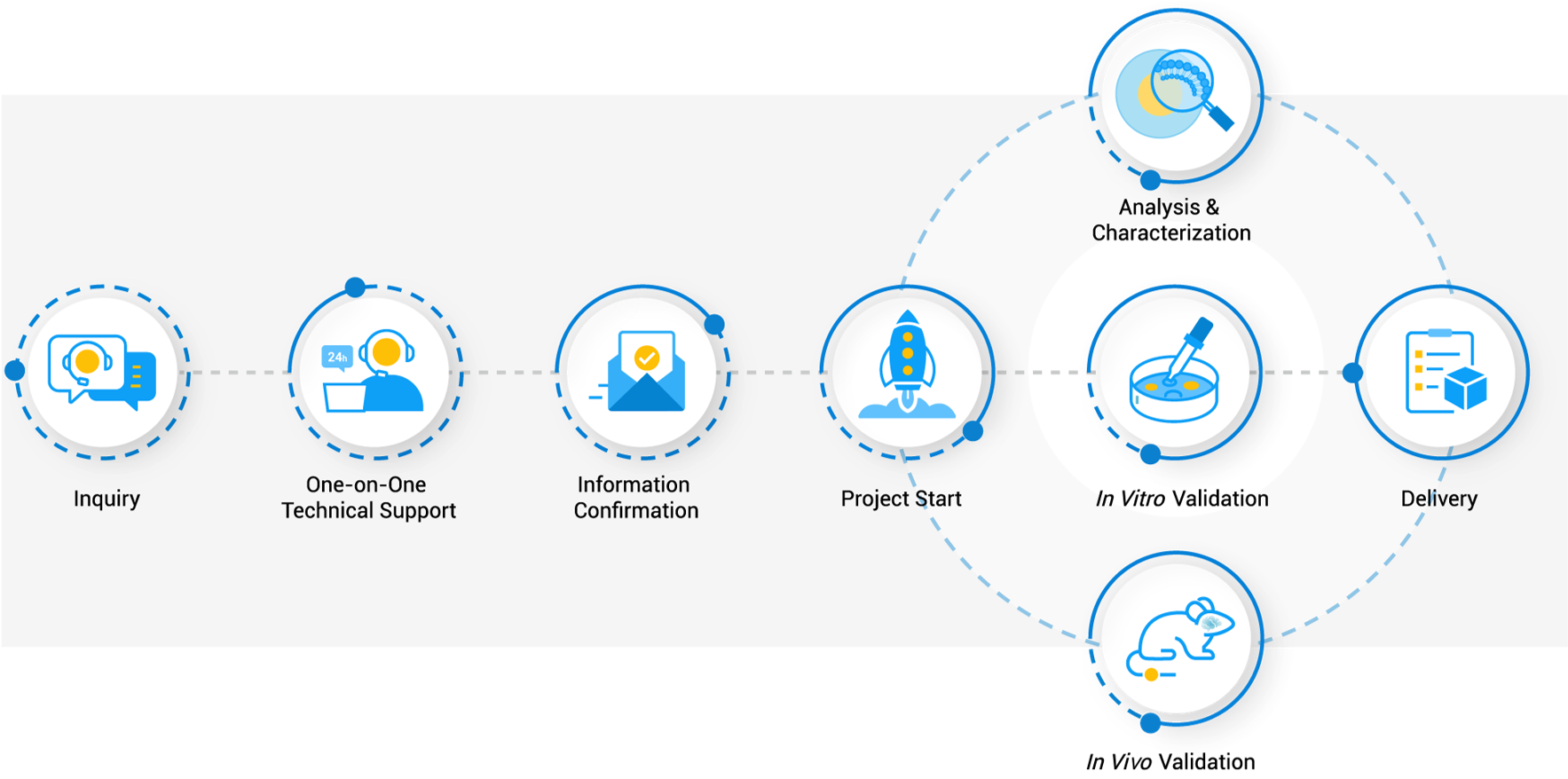
Workflow
Cross-Disciplinary Applications of Immune-Evasive Nanocarriers
While deeply rooted in human therapeutics, the benefits of non-immunogenic, highly stable nanoparticle delivery extend far beyond traditional pharmaceuticals. Our PEG-free technology is engineered to drive innovation across diverse sectors:
- Genetic Medicine & Multi-Dose Therapeutics: Delivering mRNA vaccines, protein replacement therapies, and CRISPR components without the dose-limiting toxicity and immunogenicity seen in repeated PEG-LNP administration.
- Targeted Oncology & Immunotherapy: Improving the penetration of dense solid tumors. Alternative polymers often allow for dynamic shedding in the tumor microenvironment (TME), enhancing immune-cell targeting and deep tissue accumulation without premature clearance.
- Veterinary Medicine & Animal Health: Formulating advanced vaccines and RNA therapeutics for livestock and companion animals, where species-specific hypersensitivity and robust complement responses to standard synthetic polymers can drastically reduce efficacy.
- Agrochemical & Botanical Biotechnology: Enabling the targeted delivery of biopesticides, RNAi-based crop protection, and plant growth regulators. PEG-free, biodegradable nanocarriers ensure robust plant cell penetration without the long-term accumulation of non-degradable synthetic polymers in agricultural ecosystems.
- Advanced Cosmeceuticals & Topical Delivery: Enhancing the deep dermal penetration of active peptides, antioxidants, and anti-aging compounds using non-sensitizing, stealth lipid architectures that avoid the epidermal irritation sometimes associated with PEGylated compounds.
Why Choose Creative Biolabs?
Creative Biolabs is committed to pushing the boundaries of what is possible in targeted drug delivery. By eliminating the immunogenic barriers of traditional polymers, our Non-PEGylated LNP Formulation Service empowers you to develop safer, more effective, and repeatedly dosable therapeutics. Whether you are developing breakthrough mRNA vaccines, novel gene therapies, or advanced agricultural biotechnology, our team has the chemical expertise and formulation infrastructure to bring your vision to reality.
Proprietary Lipid Libraries
Access a vast, exclusive library of validated PEG alternatives, including functionalized polysarcosine and zwitterionic lipids, allowing for rapid prototype screening.
Overcoming the ABC Phenomenon
Our rationally designed formulations are empirically proven to evade anti-PEG antibodies, enabling the safe and effective development of multi-dose therapeutic regimens.
Scalable Microfluidic Engineering
Formulations are designed from day one with clinical translation in mind, ensuring seamless scale-up from microliter bench testing to continuous flow pilot manufacturing.
Dedicated Scientific Partnership
You work directly with senior formulation scientists. We function as a seamless extension of your R&D team, providing iterative optimization based on real-time data.
Related Services & Products
Related Services



Chemical Synthesis Services


Nucleic Acid Synthesis Services
FAQs
Why should I switch from traditional PEGylated LNPs to a PEG-free formulation?
Traditional PEGylated LNPs can trigger anti-PEG antibodies, leading to ABC and potential anaphylactic reactions, particularly in multi-dose therapies. PEG-free formulations evade this immune response, ensuring safety and consistent pharmacokinetic profiles across repeated administrations.
What alternatives do you use to replace PEG?
We utilize several advanced, highly biocompatible alternatives depending on the payload and target. Our primary platforms include Polysarcosine (pSar), polyoxazolines (POx), and proprietary zwitterionic lipids that provide the necessary steric stabilization without the associated immunogenicity.
Does removing PEG negatively impact the stability of the nanoparticle?
No. When formulated correctly using our optimized microfluidic parameters and rationally designed alternative stealth polymers, PEG-free LNPs exhibit equivalent—and sometimes superior—colloidal stability, shelf-life, and protection against nuclease degradation compared to standard PEG-LNPs.
Can PEG-free LNPs be used for large nucleic acid payloads like CRISPR-Cas9?
Absolutely. We specialize in tuning the lipid geometry and internal charge of non-PEGylated LNPs to accommodate large, complex payloads such as massive mRNA transcripts, DNA plasmids, and CRISPR ribonucleoproteins (RNPs) with exceptionally high encapsulation efficiency.
How long does a typical custom PEG-free formulation project take?
While timelines vary based on payload complexity and required in vivo validation, standard projects typically range from 8 to 15 weeks from initial lipid screening to the delivery of optimized, fully characterized prototype batches.
Reference
- Hoang Thi, Thai Thanh, et al. "The importance of poly (ethylene glycol) alternatives for overcoming PEG immunogenicity in drug delivery and bioconjugation." Polymers 12.2 (2020): 298. https://doi.org/10.3390/polym12020298. Distributed under Open Access license CC BY 4.0, without modification.