At Creative Biolabs, we offer an exhaustive, research-focused suite of targeted delivery research services designed to systematically enhance the cell-specificity, pharmacokinetic behavior, and overall therapeutic index of your active research molecules. We don't just supply off-the-shelf delivery reagents; we act as your collaborative scientific partner. By integrating artificial intelligence with wet-lab synthetic chemistry, material science, and detailed cellular and animal biology, we help you guide sensitive payloads directly to targeted organelles, cells, tissues, or disease.
In basic science and preclinical disease models, the transition of a potent molecular candidate from a cell-free assay into a living system represents a massive biological bottleneck. While modern drug discovery yields exceptionally potent active ingredients—such as gene-editing complexes, small-molecule inhibitors, and structural proteins—their therapeutic success is fundamentally limited by their biodistribution.
Unmodified bioactive agents suffer from wide systemic dissemination, leading to high off-target accumulation, localized toxicity, and rapid clearance. Resolving these challenges via active, physical targeting is no longer just an optimization step; it is a absolute biological necessity to:

Artificially broadening the safe dosage range by selectively routing toxic molecules to diseased cells while shielding healthy tissue structures.
Preventing premature degradation of delicate materials (e.g., naked siRNA or mRNA) by shielding them inside protective, targeted nanostructures until they reach their intracellular site of action.
Translating highly innovative, "undruggable" targeted degradation compounds (e.g., molecular glues) and gene regulators into functional, in vivo-compatible reagents.
Our integrated, multi-scale targeted delivery research services allow you to systematically overcome these biological bottlenecks, ensuring your payload is protected, successfully trafficked to the target site, and released with precise spatial and temporal control.
To resolve biological delivery challenges, targeting cannot be treated as a one-dimensional problem. Creative Biolabs has developed a versatile engineering framework that operates across a multi-scale anatomical and cellular spectrum. This enables researchers to program highly customized, multi-tiered homing behaviors into their systems.
 Anatomical-Scale
 Tissue/Organ-Scale
 Pathological-Scale
 Molecular-Scale
 Pathogen-Scale
 Cellular-Scale
 Subcellular-Scale
We design specialized carrier surface properties to negotiate highly restrictive physiological endothelial and epithelial barriers. This allows active research payloads to bypass tight junctions and escape cellular efflux mechanisms.
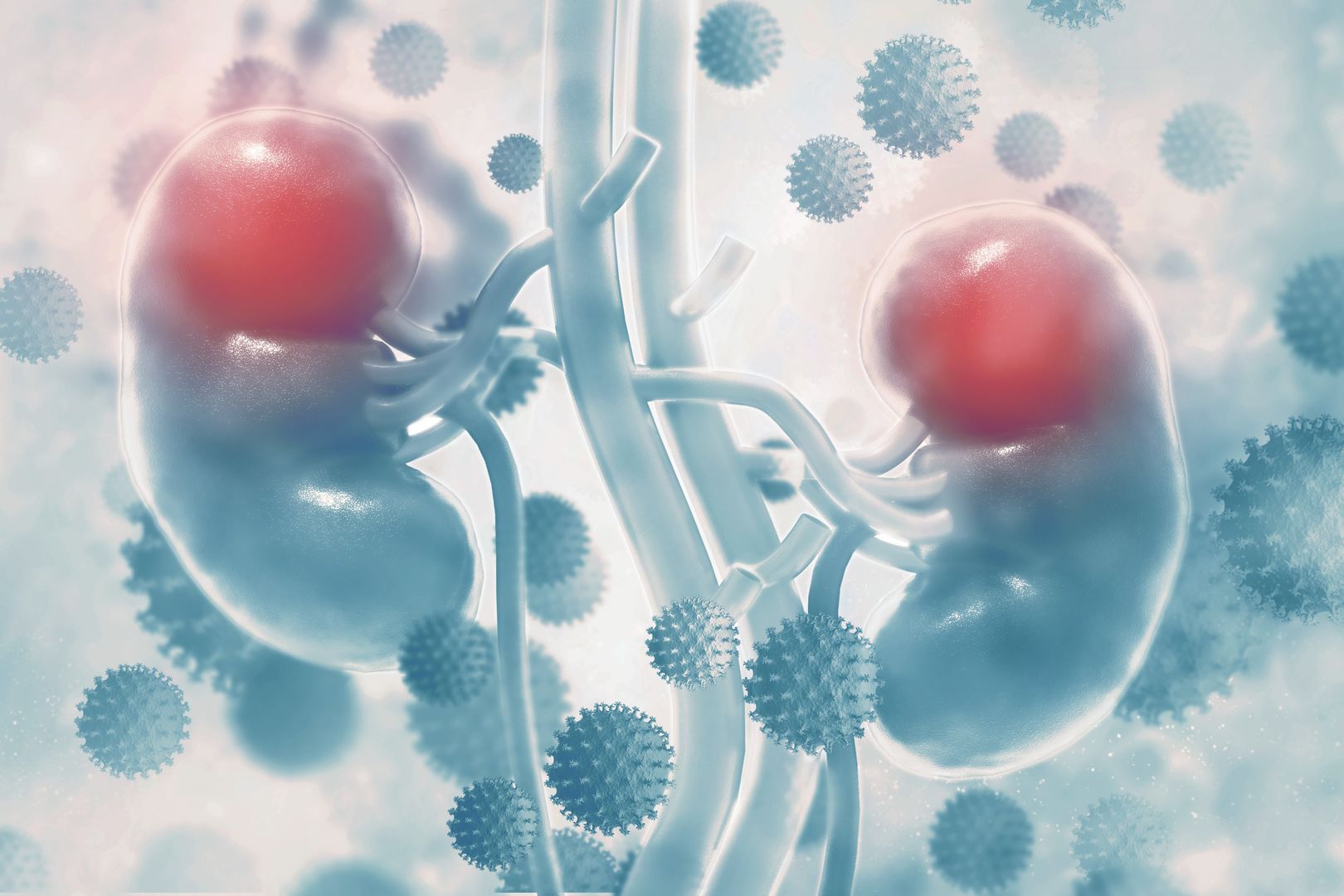
We optimize systemic biodistribution and tissue-selective localization by adjusting the physical properties of nanocarriers and utilizing tissue-specific ligand arrays, ensuring maximum accumulation in target anatomical structures while bypassing systemic clearance mechanisms.
Our stimuli-responsive carrier systems dynamically adapt to the physical, chemical, and enzymatic changes characteristic of pathological tissues, ensuring that cargo release occurs exclusively within the local microenvironment of diseased areas.
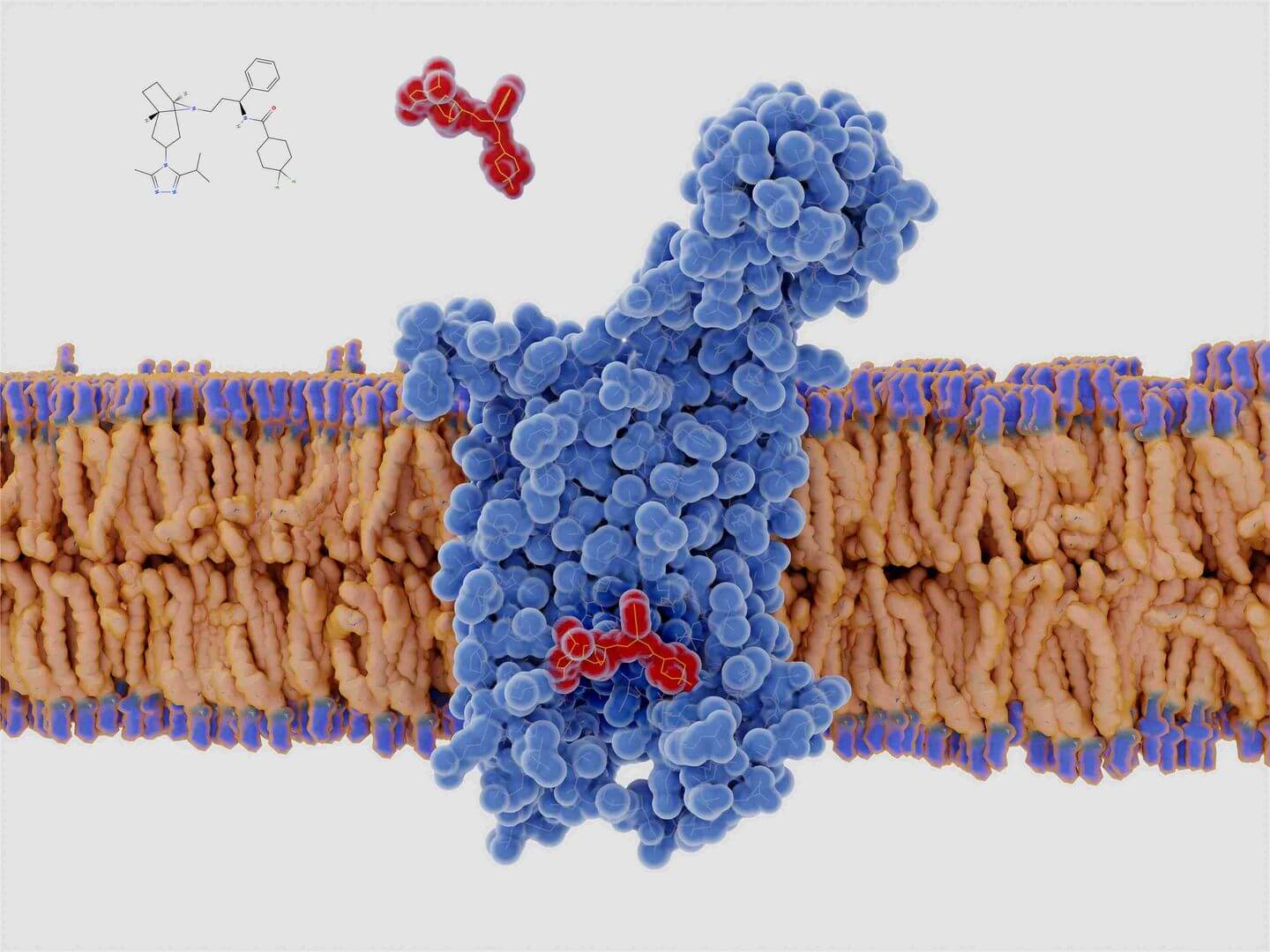
We design ligand-based homing platforms that recognize unique cell-surface markers and transporter complexes, capitalizing on receptor-ligand docking dynamics to trigger receptor-mediated endocytosis with sub-nanomolar binding affinities.
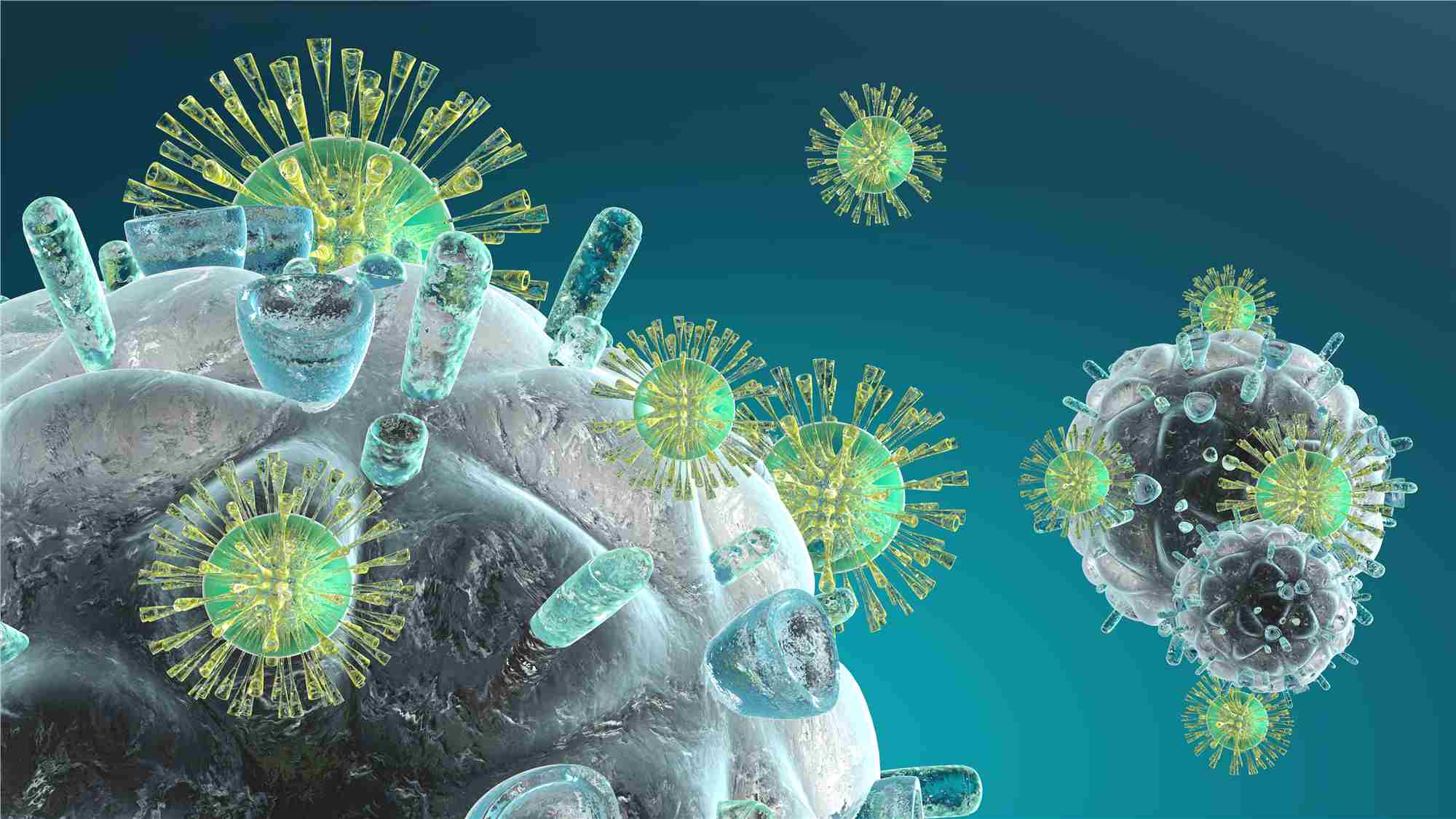
We functionalize vehicle surfaces to selectively bind bacterial, fungal, or viral envelope structures, enabling targeted payload delivery directly to infectious microenvironments and localized microbiome niches without disrupting beneficial host microbes.
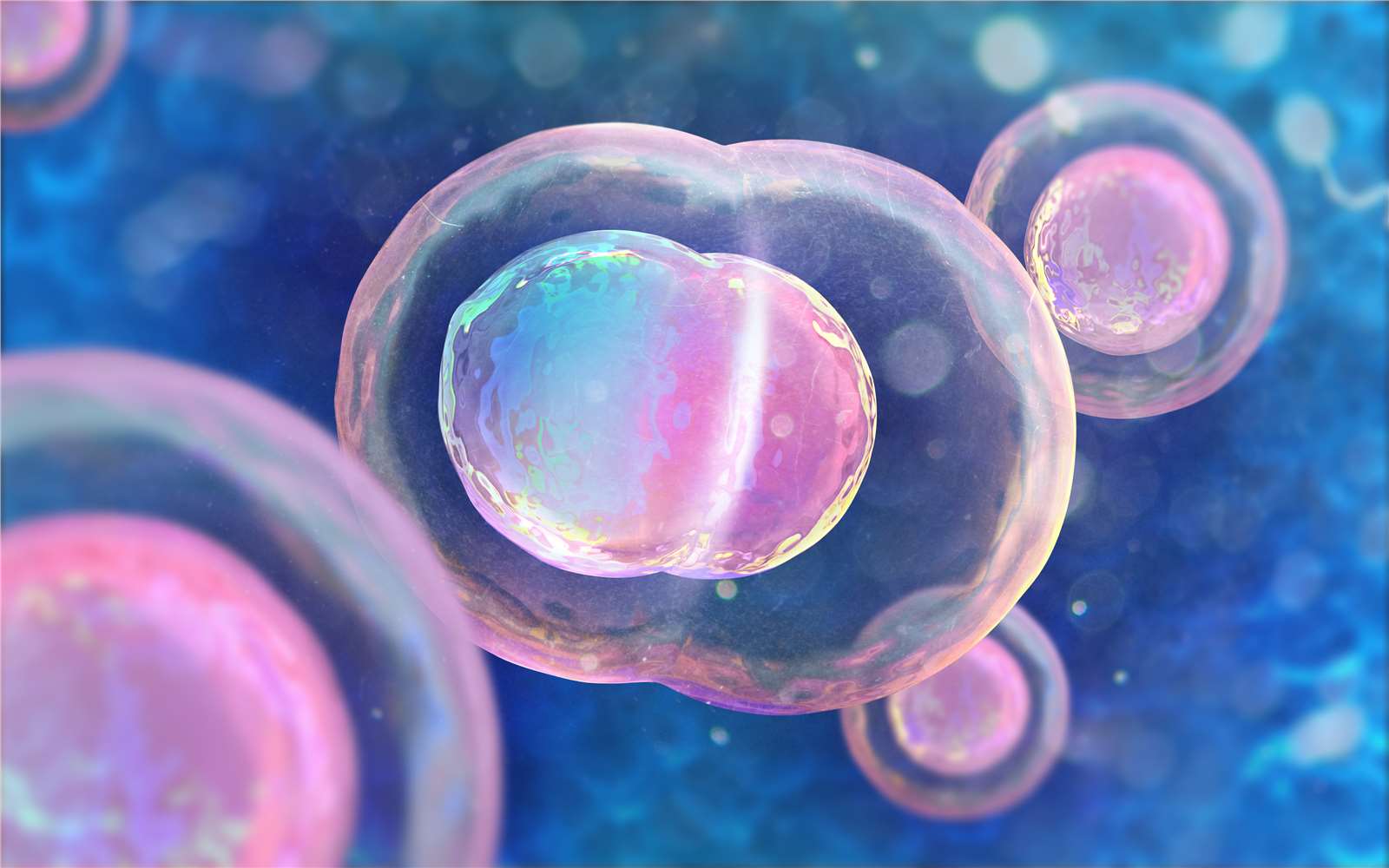
We functionalize nanocarriers with cell-selective peptides and antibodies to discriminate between complex host cell populations in single tissue architectures, allowing precise payload routing to specific target cells while sparing bystander structures.
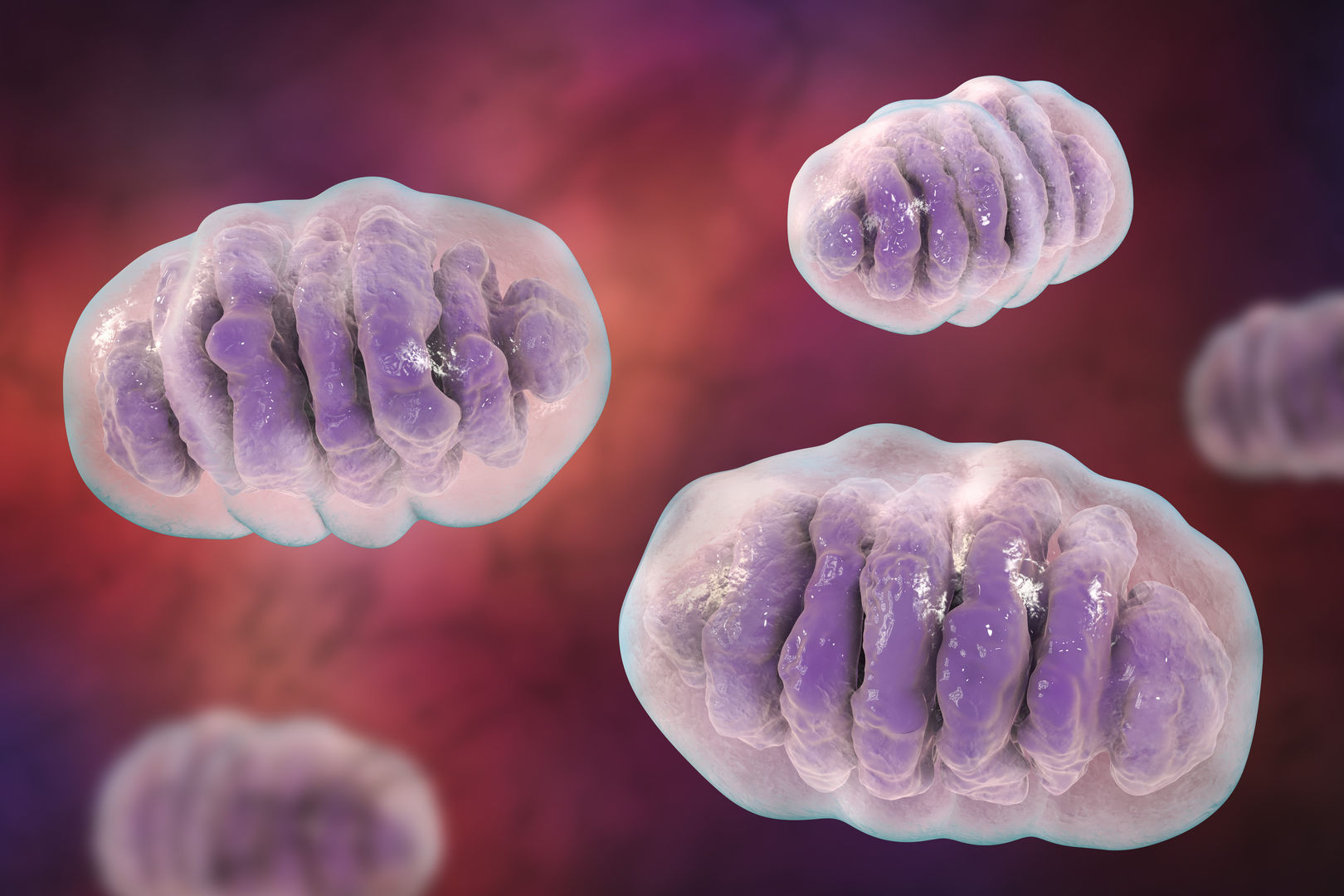
We employ specialized subcellular transit sequences and organelle-selective ligands to route cargo to the exact intracellular compartments where biological targets reside, optimizing therapeutic efficacy at the organelle level.
Our portfolio is structured as a high-level directory. Investigators can leverage individual modules to address specific research bottlenecks or utilize our end-to-end pipeline to transition from an abstract targeting concept to a validated, high-efficiency system.
Finding the ideal receptor-ligand pairing is the first step in engineering precision targeting. We employ advanced computational modeling and biophysical validation to identify, screen, and design high-affinity targeting agents.
We provide comprehensive raw material preparation, chemical synthesis, and site-specific bioconjugation to link targeting moieties to active payloads or delivery systems.
Raw Material & Payload Preparation
Custom Ligand Discovery, Synthesis & Modification
Linker Chemistry & Bioconjugation
We formulate an expansive array of organic, biological, and biomimetic delivery systems, tailored to encapsulate diverse active research ingredients.

High-stability LNPs, liposomes, polymeric micelles, and biodegradable polymeric nanoparticles (such as PLGA, PLA, PCL, and chitosan).
Multivalent branched dendrimer structures and macro-scale/nanoscale stimuli-responsive hydrogels for localized, sustained release.
Extracellular vesicles (EVs)/exosomes, cell-membrane-coated nanoparticles (e.g., erythrocyte, immune-cell, or tumor-cell membrane cloaks), and bacterial/viral envelope mimetics that leverage natural cellular tropisms.
Organic-inorganic hybrid particles, nucleic acid self-assemblies (DNA origami), and hollow protein cages (ferritin/vault nanoparticles).
Formulations engineered to destabilize and release cargo in response to local microenvironments (temperature, pH gradients, redox state, or external magnetic/optical fields).
Our carrier engineering platform accommodates a comprehensive library of active ingredients across various scientific fields:
| Payload Category | Representative Research Species | Core Engineering Approach |
|---|---|---|
| Small Molecules & Prodrugs | Hydrophobic inhibitors, toxic agents, target-directed prodrugs, imaging dyes | Encapsulation within hydrophobic polymeric cores, lipid bilayers, or covalent conjugation. |
| Nucleic Acids & Gene Editors | siRNA, shRNA, mRNA, miRNA, ASOs, CRISPR plasmids, sgRNA/RNPs | Electrostatic condensation via ionizable lipids or cationic polymers (N/P ratio optimization). |
| Proteins & Peptides | Monoclonal antibodies, nanobodies, functional enzymes, synthetic peptide hormones | Hydrogel entrapment, mild aqueous lipid assembly, or surface attachment to prevent denaturation. |
| Biomolecules & Cytokines | Recombinant cytokines, antigens, custom amino acids | Co-encapsulation within biomimetic envelopes to maintain native tertiary structures. |
| Imaging & Diagnostic Agents | Contrast agents (gadolinium), PET tracers, fluorescent organic dyes, quantum dots | Coordination chemistry-based surface loading, encapsulation within core compartments. |
| Inorganic & Mineral Payloads | Metal-organic frameworks (MOFs), zinc/copper/magnesium ions, gold nanoparticles | Chelation-based payload loading, porous ceramic entrapment, core-shell synthesis. |
| Living Systems & Biologics | Active probiotics, engineered research bacteria, cell-based therapeutic candidates | Specialized microencapsulation in protective biopolymeric matrices (alginate, gelatin). |
| Natural Extracts | Flavonoids, polyphenols, botanical extracts, secondary metabolites | Extraction-derived compound loading into high-solubility surfactant micelles or lipid systems. |
| Agricultural & External Actives | Specialized pesticides, pheromones, nutrient minerals | Biodegradable, eco-friendly polymeric shells designed for environmental degradation profiles. |
| Combination Multi-Cargo Systems | Co-loaded chemo + gene silencing elements, antigen + adjuvant formulations | Multi-compartment nanoparticles (hydrophilic core/hydrophobic shell) ensuring parallel transport. |
Every customized vehicle or conjugate undergoes extensive analytical profiling to ensure structural integrity and absolute batch-to-batch reproducibility.
we provide state-of-the-art biological testing platforms to verify that your customized system targets, binds, internalizes, and performs its biological function with high specificity.

Evaluating receptor-mediated cell binding across target-positive vs. target-negative cell lines using flow cytometry and high-resolution confocal laser scanning microscopy (CLSM).
Elucidating active internalization routes using selective chemical inhibitors of endocytic pathways (e.g., clathrin- vs. caveolae-mediated endocytosis).
Utilizing advanced FRET-based membrane disruption assays, calcein leakage models, and lysosomal colocalization imaging to determine the exact rate of cytosolic release.
Assessing target gene knockdown (for siRNA/ASO payloads via qPCR and Western Blot) or functional protein translation (for mRNA or plasmid delivery via ELISA, fluorescence intensity, or reporter gene assays).
2. In Vivo Preclinical Model Validation

Tracking real-time systemic distribution and accumulation of delivery systems in animal models utilizing live whole-animal optical imaging (fluorescence/bioluminescence) or radiolabeled isotopic tracking.
Quantitative analysis of payload and vehicle accumulation in target organs vs. off-target clearance sites (liver, spleen, kidneys) via tissue-homogenate mass spectrometry (LC-MS/MS) and fluorescence microplate assays.
High-resolution immunohistochemistry (IHC) and immunofluorescence (IF) profiling of target tissue slices to verify deep tissue penetration and cell-specific localization.
In addition to our core modular workflows, Creative Biolabs has developed highly specialized platforms and off-the-shelf tools to simplify and optimize targeted delivery research.
Utilizing automated, high-precision microfluidic mixers to achieve ultra-consistent self-assembly of LNPs, polymeric systems, and multi-component liposomes with minimal batch-to-batch variation.
Custom formulation of cryoprotectant matrices to preserve ligand-conjugated nanoparticles, allowing long-term storage in dry state without physical degradation, aggregation, or loss of cargo activity.
Custom engineering of dual-compartment nanoparticles (e.g., hydrophilic core/hydrophobic shell) designed to co-encapsulate synergistic agents—such as an adjuvant and an antigen, or a chemotherapeutic agent and a gene-silencing siRNA—ensuring parallel transport to the target cell.
Development of dual-targeted systems utilizing two distinct homing ligands, ensuring binding and internalization occur only when both complementary surface receptors are simultaneously encountered (reducing off-target activity in complex cellular microenvironments).
Specialized vehicles optimized for delicate bi-functional molecules (such as protein degrader and molecular glues), protecting them during circulation and maximizing targeted intracellular ternary complex formation.
Our ready-to-use research kits enable bench-side targeted delivery optimization, featuring advanced bioconjugation linking reagents, target-specific primary cell transfection modules, self-assembly lipid nanoparticle formulation bases, and quantitative ligand-binding and post-delivery encapsulation recovery assays.
We discuss your biological target, payload constraints, and research goals, mapping out the target-ligand pairings or appropriate vehicle designs.
Synthesis of targeting ligands, specialized cleavable linkers, and precise bioconjugation of your components.
Encapsulating your active compounds using advanced assembly methods like microfluidics or self-assembly lipid protocols.
Detailed structural QC including DLS, TEM morphology verification, endotoxin screening, and loading capacity assays.
Functional performance screening in targeted cells or preclinical model biodistribution imaging.
You receive your high-purity targeted constructs, accompanied by fully documented, publication-ready analytical reports and raw research data.
We convert advanced targeting concepts into functional reagents, providing researchers with the precision required to study complex disease biologies, accelerate therapeutic discovery, and resolve physiological barriers.
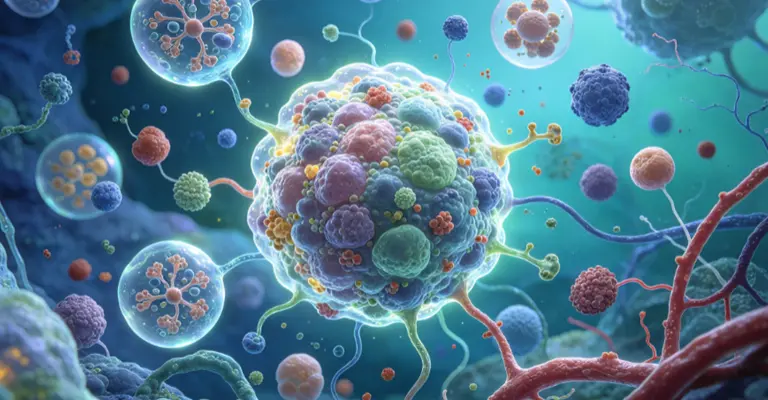
Characterizing carrier penetration into dense stromal environments, targeting specific surface markers (such as EGFR or HER2), and evaluating the active cellular uptake of cytotoxic payloads inside solid tumor tissues.
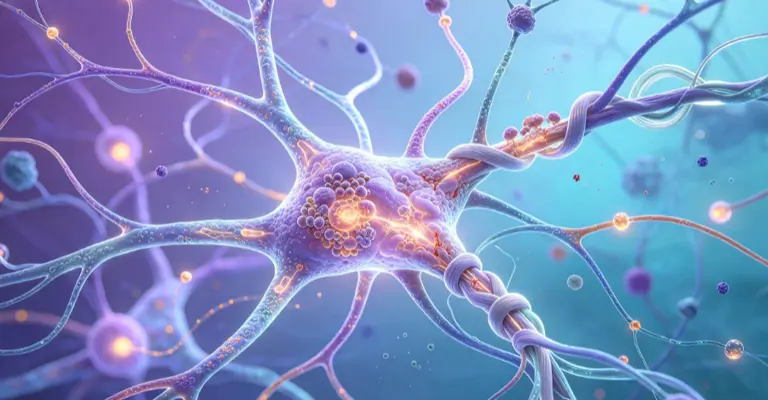
Crossing highly restrictive cerebral vascular barriers to deliver nucleic acids, peptides, or small-molecule enzyme regulators directly to microglia, astrocytes, or neural cells to evaluate therapeutic candidates for brain diseases.
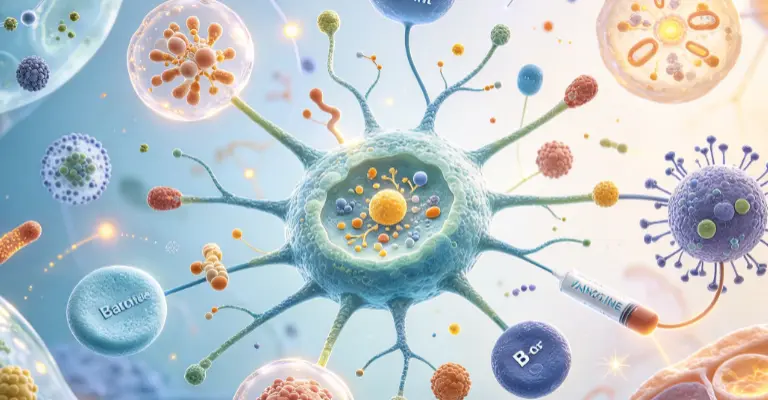
Directing antigens, adjuvants, or therapeutic cytokines specifically to antigen-presenting cells (such as dendritic cells or macrophages) or specialized immune cell populations to study targeted immune-system modulation.
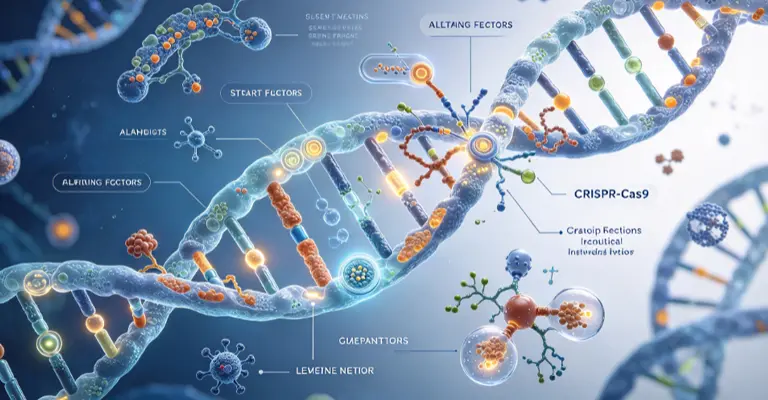
Delivering delicate gene-regulatory tools (such as siRNA, mRNA, CRISPR plasmids, or ribonucleoprotein complexes) directly inside cell cytoplasm with optimal endosomal escape and stability profiles.
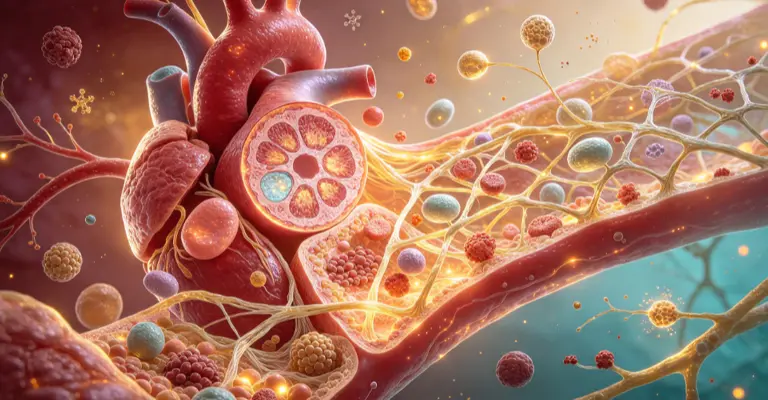
Directing therapeutics or imaging probes specifically to vascular plaques, myocardial cells, activated myofibroblasts, or hypoxic tissues to evaluate plaque stabilization or tissue repair mechanisms.
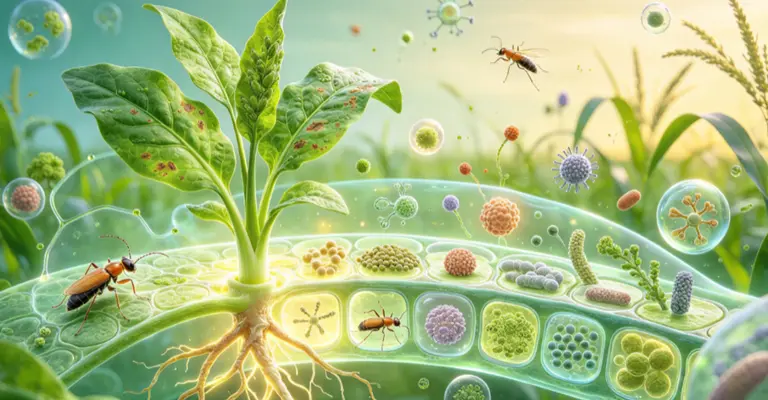
Designing biodegradable, eco-friendly polymeric carriers to deliver trace elements, botanical extractions, or biological compounds selectively to crop tissues or environmental niches to improve resource utilization.
Collaborating with Creative Biolabs means extending your research capabilities with a team dedicated entirely to preclinical and basic science delivery engineering.







Sustaining Precision Research through Advanced Spatial Engineering
At Creative Biolabs, we build pathways around biological bottlenecks. We partner with academic, biotechnology, and preclinical drug development groups to transform fragile payloads into targeted systems. By combining in silico modeling, robust synthetic bioconjugation chemistry, and integrated biological assays, we bring your delivery system from conceptual design to empirical proof-of-concept without third-party friction. Let's co-design a optimized delivery platform tailored for your exact payload and biomarker parameters.
Creatibe Biolabs' custom LNP was the only solution that successfully delivered our CRISPR-Cas9 payload across the blood-brain barrier with high efficiency and low toxicity.”

Dr. Evelyn Reed
Postdoctoral Researcher, Leading University
Our siRNA candidate was failing due to off-target toxicity, but Creatibe Biolabs' team rapidly redesigned our LNP using their modular platform, rescuing our preclinical program.”

Ben Carter
Project Manager
Achieving cytosolic delivery of our protein degrader with Creatibe Biolabs' exosome platform was the key to unlocking our candidate's full therapeutic potential.”

Dr. Kenji Tanaka
Principal Scientist, Large Pharma Corp
Our oncology drug's efficacy was limited by poor tumor accumulation. Creatibe Biolabs' peptide-conjugated liposomes provided the precise targeting we needed, dramatically increasing the drug's therapeutic index.”
Dr. Clara Schmidt
Senior Scientist, Oncology Innovations Inc.
We required a delivery system that would only release its payload in the tumor's acidic microenvironment. Creatibe Biolabs' pH-responsive liposomes performed flawlessly, minimizing systemic exposure.”
David Chen
Formulation Scientist
Outstanding expertise in antibody engineering.The team's attention to detail and innovative approaches have sianificantly accelerated our development timeline.
Sarah L.
Senior Research Scientist