We implement surface modification of non-viral vectors (LNP/polymers) to integrate nuclear localization signal peptides (NLS). This technology significantly improves the efficiency of plasmid DNA nuclear transport by leveraging endogenous cellular machinery.
Targeting Delivery for DNA Therapy
As the core pillar of gene therapy, DNA therapy aims for permanent correction by introducing functional genes into the cell nucleus. Its success—from life-saving replacement therapies to DNA vaccines—relies entirely on the vector's effective nuclear barrier penetration. Creative Biolabs' targeted delivery systems focus on solving the challenges of intranuclear transport of DNA molecules, vector safety, and persistent expression.
Click Here to View more about our Service
 LNP-based Delivery System Development Services Cationic Liposomes Development Services for RNA Delivery Nucleic Acid Encapsulation Service
What is Targeted DNA Delivery?
Targeted delivery here specifically refers to encapsulating therapeutic DNA molecules (plasmids or viral genomes) in a vector, protecting them from degradation, and specifically delivering them to the nucleus of the target cell. This approach ensures high specificity and therapeutic efficacy while minimizing off-target effects. Key: The vector must have the ability to efficiently penetrate the nuclear membrane; this is the core delivery challenge that distinguishes DNA therapy from RNA therapy, which primarily acts in the cytoplasm. Achieving this level of precision requires sophisticated vector engineering.
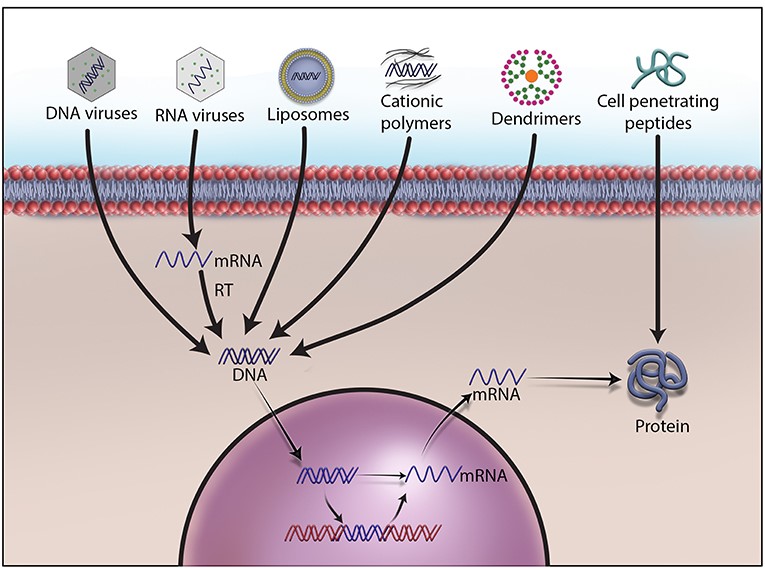 Fig.1 Different methods to deliver therapeutic DNA to target cells.1
Cutting-Edge Applications for DNA Therapy
Gene Replacement Therapy
Delivering functional genes (via AAV or adenovirus vectors) to achieve permanent or long-term replacement of defective genes. This approach offers curative potential for monogenic diseases like neurodegenerative and ophthalmic disorders, addressing the root cause of the condition.
DNA Vaccine Development
Delivering plasmid DNA encoding antigens to induce strong humoral and cellular immune responses, offering clear advantages such as simple production, enhanced thermal stability, and ease of scalable storage and distribution compared to traditional protein or viral vaccines.
Sustained Therapeutic Protein Expression
Delivering DNA vectors encoding therapeutic proteins—such as antibodies, cytokines, or functional enzymes—to achieve long-term, sustained drug expression directly within the patient. This shifts the body into becoming a bioreactor, eliminating the need for frequent protein injections.
Critical Delivery Challenges of DNA Therapy
- Low Efficiency of Nuclear Membrane Transport: This is the biggest bottleneck in non-viral DNA delivery, significantly limiting the efficiency of plasmid DNA therapy in vivo. The large size of DNA vectors prevents passive diffusion across the nuclear pore complex, requiring active transport mechanisms.
- Limitations and Safety of Viral Vectors: While effective, AAV has limited payload capacity, and widespread pre-existing immunity reduces its effectiveness. Adenovirus vectors, though high-capacity, demonstrate high immunogenicity, severely limiting repeated administration.
- DNA Immunogenicity and Integration Risk: The delivered DNA itself (specifically unmethylated CpG motifs) may be recognized by the immune system, triggering an inflammatory response. Additionally, some viral vectors (such as lentiviruses) pose an undesirable risk of random genomic integration.
What We Can Offer
We offer professional targeted delivery technologies, focusing on solving the challenges of nuclear transport, safety, and expression persistence in DNA therapy:
Nuclear Targeted Delivery Optimization
Novel Viral Vector Engineering
Our services include advanced optimization of AAV capsids, enabling the design of new serotypes with low immunogenicity and enhanced targeting specificity. We also support the optimized production of high-load DNA adenovirus vectors with improved safety profiles.
Enhanced DNA Vaccine Delivery
We combine novel non-viral vectors and improved electroporation technology to greatly enhance the in vivo transfection efficiency of DNA vaccines and substantially improve immunogenicity, leading to stronger T-cell responses.
Long-term Expression Stability Support
We provide comprehensive support for the production of high-purity plasmid DNA free from viral vector contamination, and optimize expression elements (promoters, introns) to ensure long-term, stable gene expression in target cells, a vital factor for curative therapies.
Why Choose Us?
Nuclear Transport Expertise
Specialized focus on the NLS technology for maximum DNA delivery.
Regulatory Focus
Commitment to biocompatible, biodegradable platforms like polyesters (PLGA).
Vector Versatility
Solutions across viral (AAV, Ad) and non-viral (LNP, polymeric) systems.
Expression Assurance
Technologies ensuring persistent, stable therapeutic gene expression in vivo.
Workflow
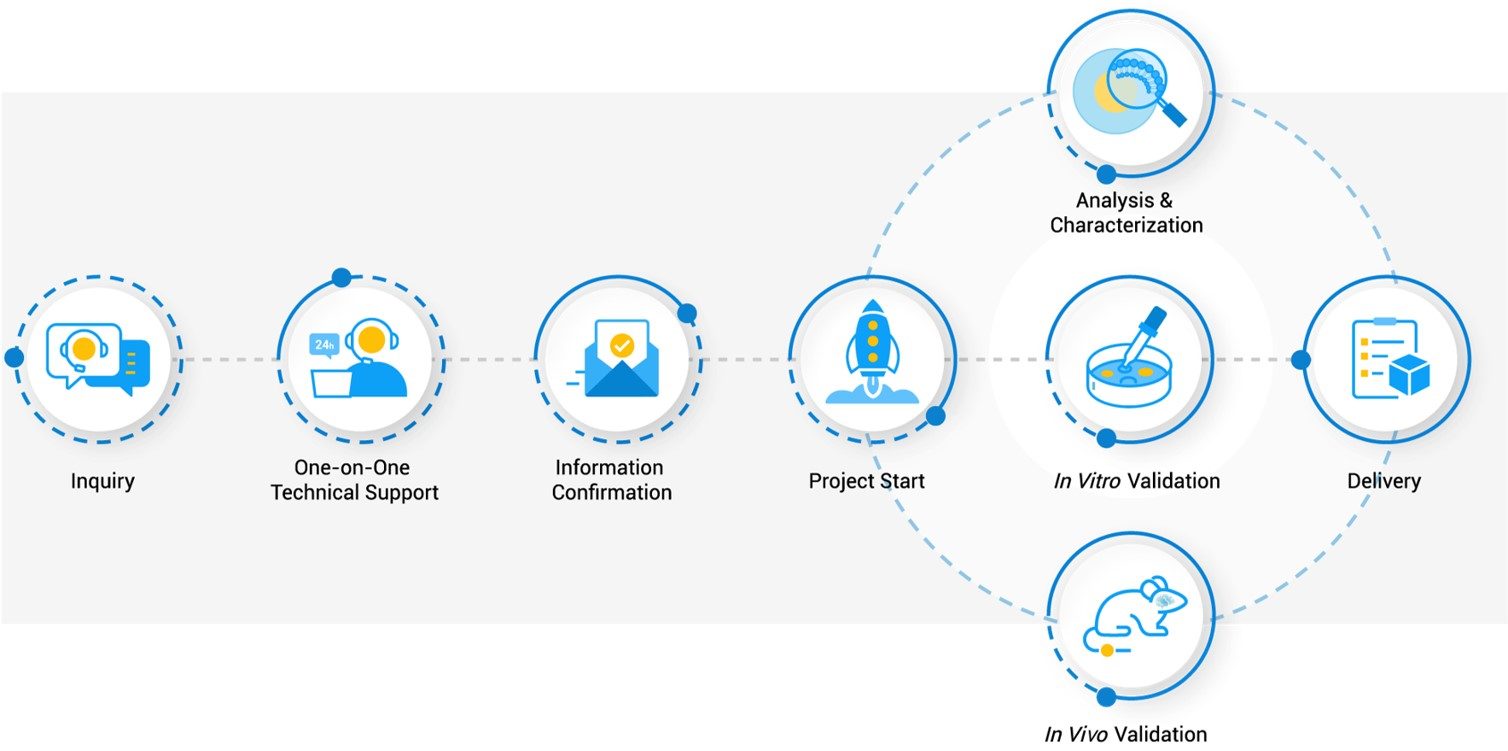
Utilizing targeted delivery technology, overcome the nuclear membrane barrier in DNA therapy! Your DNA therapy requires the highest nuclear transport efficiency and the longest expression persistence. Please contact our team of DNA delivery experts for customized nuclear targeting and vector optimization solutions.
Reference
- Goswami, Reena, et al. "Gene therapy leaves a vicious cycle." Frontiers in oncology 9 (2019): 297. Distributed under Open Access license CC BY 4.0, without modification. https://doi.org/10.3389/fonc.2019.00297
Our services are For Research Use Only. We do not provide services to individuals.
Online Inquiry