
By developing carriers resistant to upper GIT digestion, we facilitate the selective delivery of prebiotics, probiotics, and specific phenolic compounds directly to the colon. This precision maximizes their interaction with the gut microbiota, supporting better metabolic outcomes and improved immune function.
Targeting Delivery for Functional Food
In the pursuit of next-generation health products, the primary hurdle remains ensuring delicate bioactive compounds reach their intended physiological site intact and effective. Our advanced Targeting Delivery for Functional Foods service at Creative Biolabs directly addresses this challenge. We help you accelerate product development and unlock maximum nutritional efficacy through our innovative encapsulation and controlled-release platforms. This expertise guarantees improved stability, enhanced bioavailability, and precise action for your functional ingredients, translating scientific promise into market success.
Click Here to View more about our Service
Targeting Delivery for Functional Foods
Targeted delivery for functional foods refers to the strategic use of food-grade carrier systems to encapsulate and guide bioactive compounds to a specific site within the body, typically the gastrointestinal tract, to maximize their absorption and efficacy. This field is driven by the acknowledged limitations of traditional nutritional formulations.
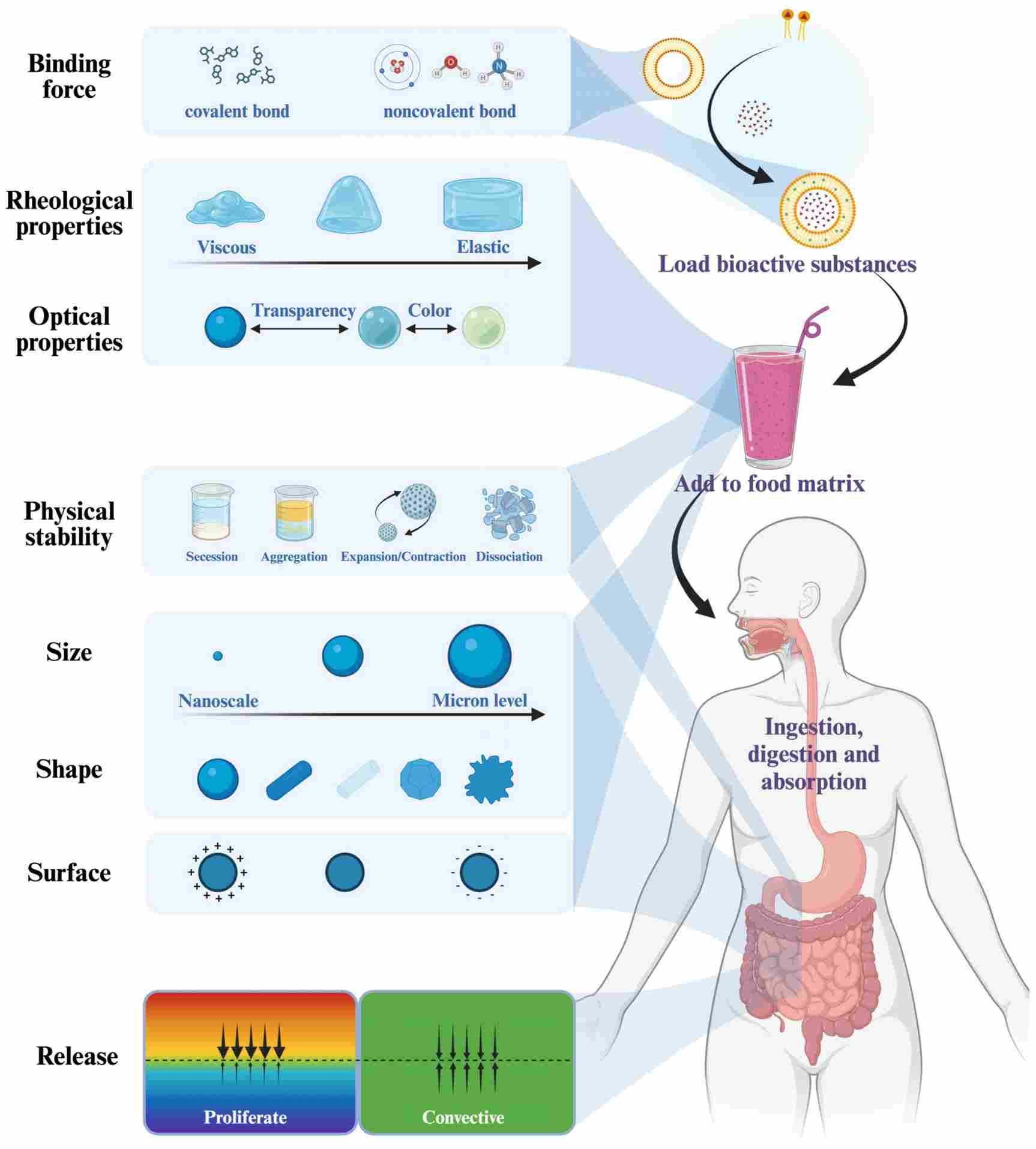 Fig.1 Physical properties of food colloidal delivery carriers.1
The Bioavailability Barrier and the Need for Precision
Many highly promising bioactive compounds exhibit low oral bioavailability due to inherent characteristics like poor solubility, chemical instability, and rapid metabolism. For instance, polyphenols are notoriously challenging, with absorption rates often ranging from 0.3% to 43%, leading to low circulating plasma concentrations of active metabolites. In the GIT, compounds face multiple destructive factors:
- Gastric Acid: High acidity (pH 1.5 to 4.0) in the stomach can degrade acid-sensitive compounds, including certain vitamins and proteins.
- Enzymatic Activity: Proteases (like pepsin) and lipases rapidly break down unprotected molecules.
- Food Matrix Effects: Interactions with other food components can form insoluble complexes, preventing release and absorption.
Targeting delivery systems, such as nanoemulsions, liposomes, and polymeric nanoparticles, utilize food-grade biopolymers (proteins, lipids, polysaccharides) to create protective barriers. By manipulating the size, structure, and surface charge of these carriers, we can ensure the ingredient is released only upon encountering a specific environmental trigger, such as a pH change or high enzyme concentration in the small intestine.
Applications of Targeted Delivery Systems in Functional Foods
The ability to control the fate of a functional ingredient opens vast opportunities across the nutraceutical and food science landscape. Creative Biolabs applies targeted delivery technologies to address complex physiological goals and create superior product categories:
Enhanced Gut Health and Microbiota Modulation
Optimized Delivery of Lipophilic Nutrients
For fat-soluble components like Omega-3s, Vitamin D, Curcumin, and Carotenoids, nano- and microemulsions significantly increase the surface area for interaction with digestive fluids, mimicking and accelerating natural emulsification processes. This leads to higher Cmax (maximum concentration) and shorter Tmax (time to reach maximum concentration) of the active ingredient in the bloodstream.
Taste Masking and Sensory Improvement
Many potent functional ingredients, such as certain minerals (like iron) or fatty acids (like fish oil), possess undesirable tastes or odors. Encapsulation masks these organoleptic issues, improving consumer acceptance without compromising the nutrient's efficacy.
Nutritional Intervention for Chronic Conditions
Targeted systems are foundational for precision nutrition, offering therapeutic potential in managing diseases such as inflammatory bowel disease (IBD), obesity, liver disease, and cognitive disorders by ensuring bioactive compounds reach the specific diseased tissue or cells.
What We Can Offer
Functional food ingredients, such as vitamins, polyphenols, omega-3 fatty acids, and probiotics, are highly susceptible to degradation during processing, storage, and passage through the harsh environment of the gastrointestinal tract (GIT). Our technology provides robust protection, enabling these sensitive molecules to survive the stomach's low pH and the small intestine's enzymatic activity, ensuring optimal delivery to the absorption site or the colon for specific microbiota modulation.
We specialize in engineering edible, nano- and micro-scale delivery systems that solve three critical problems:
Protecting Fragile Actives
Shielding sensitive compounds from oxidation, light, heat, and chemical breakdown, thereby extending shelf life and maintaining potency.
Improving Bioavailability
Overcoming poor water solubility and membrane permeability barriers, which often limit the uptake of lipophilic nutrients like curcumin and carotenoids.
Achieving Site-Specific Action
Enabling controlled or triggered release at specific points—such as the intestinal lumen, specific sections of the colon, or even cellular receptors—to maximize efficacy and minimize systemic waste.
Our solutions are tailored to the physicochemical properties of your unique payload, allowing us to enhance the functional benefits of your food or supplement product reliably.
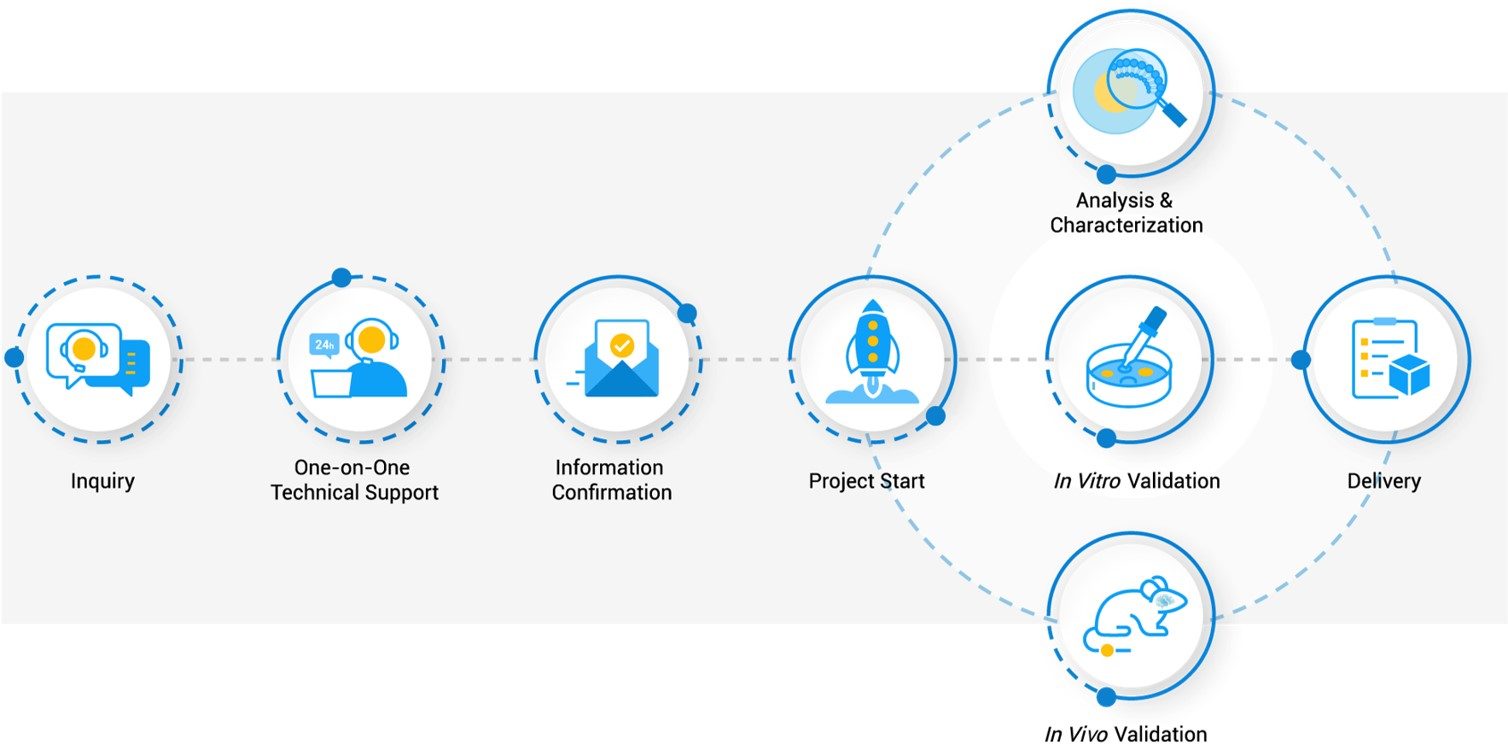
Workflow
FAQs
How can I ensure the bioactive ingredients in my functional food product will survive the harsh environment of the stomach?
The key is advanced encapsulation. By surrounding the sensitive compound with a protective, pH-sensitive matrix—often composed of food-grade polymers or lipids—we can engineer a system that remains intact in the highly acidic environment of the stomach. The coating only dissolves or breaks down when it reaches the higher pH conditions of the small intestine, ensuring the integrity of your ingredient is maintained until the optimal site for absorption.
My ingredient is oil-soluble and shows poor uptake. Can delivery technology truly improve its absorption into the bloodstream?
Absolutely. Low solubility is a major roadblock for many valuable, lipophilic compounds. We address this by formulating the ingredient into nanoemulsions or lipid-based nanocarriers (like liposomes). This significantly reduces the particle size to the nanoscale, vastly increasing the surface area and promoting rapid, efficient transport across the intestinal wall, fundamentally enhancing systemic bioavailability.
Is it possible to deliver a functional ingredient specifically to the colon to benefit the gut microbiota, bypassing the small intestine entirely?
Yes, site-specific delivery is a core capability. Using specific polymeric materials, such as certain types of resistant starch or polysaccharides, we create coatings that are only degraded by the enzymes produced by the colon's resident bacteria. This mechanism ensures the payload remains protected through the upper GIT and is released exclusively in the large intestine, enabling targeted prebiotic or probiotic action.
What are the primary regulatory considerations when using nano-scale delivery systems in functional foods?
The main focus is on the materials used. It is crucial that all components of the delivery system—the carrier materials, emulsifiers, and stabilizers—are composed entirely of substances that have established safety profiles and are approved as food additives (GRAS in the U.S. or comparable approval elsewhere). Compliance and documentation of the non-toxicity and efficacy of the final formulation are essential throughout development.
How does this advanced delivery approach compare to simply using a higher dosage of the raw ingredient?
Simply increasing the dosage often leads to increased ingredient cost, poor sensory profiles (taste/odor issues), and significant systemic waste due to low absorption. Targeting delivery systems offer a strategic advantage by increasing the relative efficiency of a lower dose, concentrating its action, mitigating off-target effects, and solving stability and sensory challenges simultaneously, resulting in a superior, more cost-effective final product.
Creative Biolabs is your dedicated partner in elevating functional food development. Our expertise in Targeting Delivery for Functional Foods transforms unstable, low-bioavailability ingredients into high-performance nutraceuticals with validated, site-specific action. We provide end-to-end support through custom formulation, rigorous testing, and seamless scale-up, ensuring your product delivers on its health promise.
Reference
- Wang, Bijie et al. "Critical Review of Food Colloidal Delivery System for Bioactive Compounds: Physical Characterization and Application." Foods (Basel, Switzerland) vol. 13,16 2596. 19 Aug. 2024, Distributed under Open Access license CC BY 4.0, without modification. https://doi.org/10.3390/foods13162596
Our services are For Research Use Only. We do not provide services to individuals.
Online Inquiry