Zein Nanoparticle Development Service for Targeted Drug Delivery
The clinical translation of complex therapeutic molecules hinges on overcoming systemic biological barriers. As a natural, amphiphilic corn-derived protein, Zein represents an exceptional biomaterial for encapsulating hydrophobic payloads and achieving site-specific accumulation. At Creative Biolabs, we leverage this versatile biopolymer to offer our flagship Zein-Based Nanoparticles Development Service for Targeted Drug Delivery. By integrating cutting-edge engineering with advanced surface chemistry, we transform raw plant proteins into high-performance nanomedicines.
Core Scientific Expertise & Translational Mechanics
Zein Biochemistry & Structural Self-Assembly Dynamics
Zein is a hydrophobic prolamine protein extracted from maize (Zea mays L.). It is composed of four distinct polypeptide fractions categorized by molecular weight and solubility parameters:α-Zein (80-85%, 21-25 kDa), β-Zein (1-5%, 17-18 kDa), γ-Zein (10-20%,18-27 kDa), and δ-Zein (1-5%, 10 kDa).
Due to an abundance of hydrophobic residues (such as leucine, alanine, and proline), Zein is insoluble in water under physiological conditions but readily dissolves in aqueous-alcohol mixtures or alkaline media (pH >11). Upon introduction to an aqueous antisolvent, Zein chains undergo rapid phase separation and self-assemble into spherical core-shell nanoparticles. The hydrophobic domains fold inward to form a dense core—shielding lipophilic active pharmaceutical ingredients (APIs)—while the hydrophilic residues align outward to interface with the surrounding solvent.
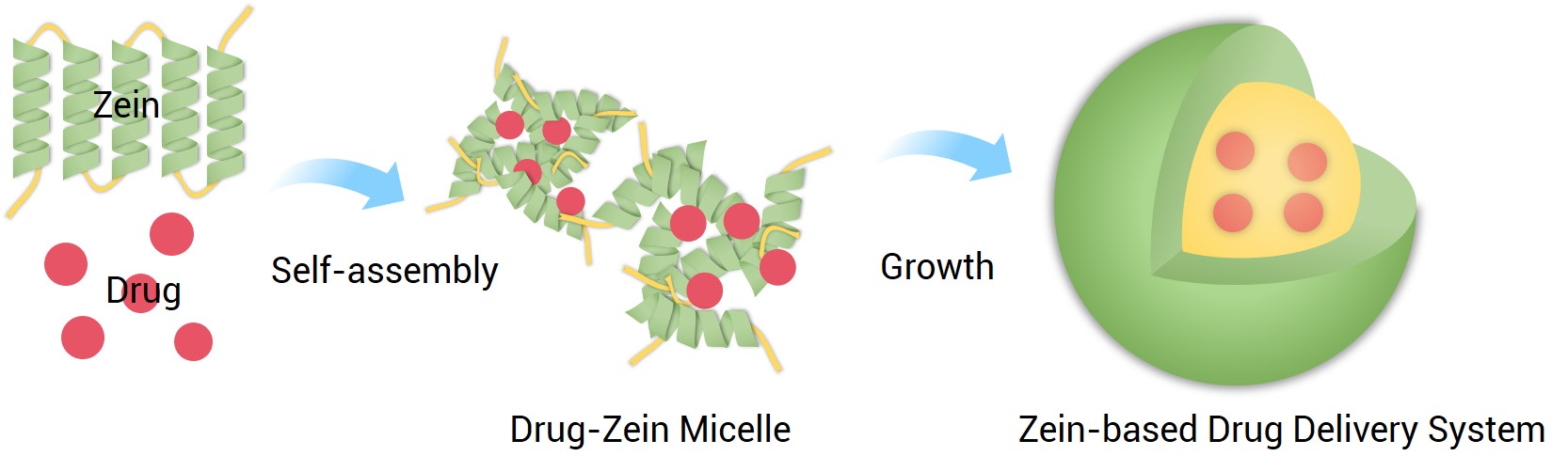 Fig. 1 The loading drug process of zein by physical cross-linking.
To systematically address diverse therapeutic modalities and clinical target profiles, Creative Biolabs has established five proprietary, high-performance structural platforms of Zein-based nanocarriers. Each architectural class represents a specialized vehicle engineered to optimize targeting precision, systemic stability, and loading efficiency for your specific pipeline.
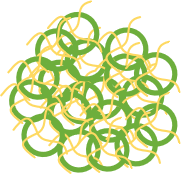
Pure Zein Nanoparticles
Unmodified hydrophobic cores engineered primarily for high-efficiency loading of highly lipophilic small molecule compounds.
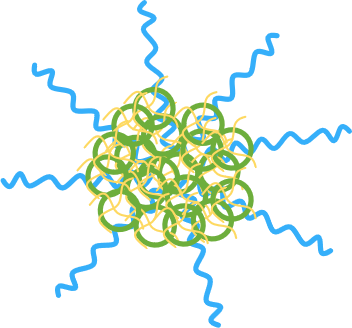
Hybrid Polymer-Zein Nanoparticles
Zein conjugated with synthetic polymers (e.g., PEG) to establish a protective "stealth" boundary layer, preventing opsonization.

Polysaccharide-Coated Zein Nanoparticles
Core-shell matrices wrapped in natural, hydrophilic polyelectrolytes (e.g., pectin, hyaluronic acid, chitosan) to improve stability under gastrointestinal pH and enhance mucosal adhesion.
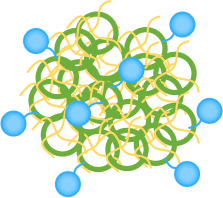
Ligand-Functionalized Zein Nanoparticles
Active-targeting nanocarriers chemically grafted with homing moieties (e.g., Folate, Angiopep-2, RVG29, Lactoferrin) to initiate receptor-mediated transcytosis.
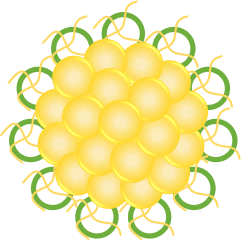
Metal-Encapsulated Zein Nanocomplexes
Hybrid theranostic systems co-loading active APIs along with superparamagnetic iron oxide nanoparticles (SPIONs) or gold nanoparticles for magnetic guidance, hyperthermia, or bioimaging.
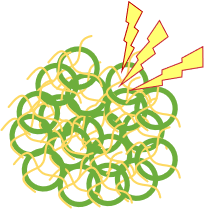
Stimuli-Responsive Zein Nanoparticles
Smart, microenvironment-sensitive systems engineered to trigger rapid payload release in response to biological triggers (e.g., lysosomal acidity, elevated GSH, or specific enzymes).
Structural & Physical Mastery: Tuning Zein's Physicochemical Fingerprint
Developing a reliable, biocompatible nanocarrier requires precise control over its underlying physical chemistry. Minor changes in the surrounding environment or manufacturing parameters can trigger particle aggregation, poor drug loading, or rapid clearing by the immune system. Therefore, understanding and controlling parameters like surface charge, thermal transitions, and molecular size is essential to ensure maximum colloid stability, consistent release kinetics, and long shelf-life.
| Property Group | Specific Parameter | Target Benchmark | Role in Targeted Formulation Design |
|---|---|---|---|
| Colloidal & Structural Attributes | Particle Size | 50-500 nm | Smaller particles (<200 nm) bypass renal clearance and access cell interiors easily. |
| Zeta Potential | -30 to +30 mV | High charges generate electrostatic repulsion, which prevents particle aggregation. | |
| Polydispersity Index (PDI) | 0.1-0.3 | Values below 0.3 confirm a highly uniform, reproducible batch size distribution. | |
| Morphology | Spherical / Near-spherical | Promotes uniform, predictable drug release rates and high structural stability. | |
| Surface Hydrophobicity | High (α-zein core) | Critical for binding and retaining highly lipophilic molecules inside the core. | |
| Thermal & Solution Behaviors | Glass Transition Temp (Tg) | 170-190 °C | Defines the transition from a glassy to flexible state; crucial for material processing. |
| Denaturation Temperature | >150 °C | Indicates high thermal tolerance; limits processing temperatures to prevent damage. | |
| Thermal Stability | Stable up to 90 °C | Retains its molecular structure and encapsulation performance at moderate temperatures. | |
| Solubility | Poor in water; soluble in ethanol | Enables preparation via simple solvent displacement without harsh chemicals. | |
| Isoelectric Point (pI) | 6.2-6.8 | Reaches neutral charge at this pH; used to control precipitation and aggregation. | |
| Loading & Release Kinetics | Encapsulation Efficiency | 50-95% | Highly efficient at trapping and holding hydrophobic therapeutic compounds. |
| Loading Capacity | 5-25% w/w | Dictates the mass percentage of active drug that can be loaded into the carrier. | |
| Release Kinetics | Controlled or sustained | Customizable by adjusting the particle size, surface coatings, or core density. | |
| Degradation Profile | Hours to days | Gradual breakdown via natural proteases yields sustained therapeutic release. | |
| Polymerization | Cross-linkable | Cross-linking (e.g., via genipin) boosts mechanical stability and slows degradation. | |
| Biological & Sensory Qualities | Toxicity Profile | Low; GRAS Status | Fully approved as a safe material for food and pharmaceutical use. |
| Biodegradability | Fully biodegradable | Breaks down cleanly into natural, endogenous amino acids in physiological systems. | |
| Odor & Taste | Mild, neutral / Bland | Neutral sensory profiles are ideal for oral or mucosal formulation designs. | |
| Color & Mouthfeel | Yellow to clear / Neutral | Extremely small particle sizes prevent grittiness, maintaining a smooth profile. |
Shattering Biological Barriers: Active Targeting Mechanisms & the Blood-Brain Barrier (BBB)
For central nervous system (CNS) therapies, bypassing the BBB is a critical milestone, as this selective filter blocks over 98% of small-molecule drugs. Biodegradable plant protein nanoparticles can cross these endothelial walls through three primary pathways:
- Receptor-Mediated Transcytosis (RMT): Ligand-functionalized Zein nanoparticles bind to specialized receptors (such as LRP-1, Transferrin, or Insulin receptors) overexpressed on BBB endothelial cells, triggering vesicular internalization and transport to the brain parenchyma.
- Adsorptive-Mediated Transcytosis (AMT): Modifying the surface charge to a positive Zeta potential (+15 to +30 mV) facilitates electrostatic interactions with the negatively charged endothelial glycocalyx, prompting non-specific endocytosis.
- Carrier-Mediated Transport (CMT): Engineering surface modifications that mimic endogenous nutrients (like large neutral amino acids or glucose) to utilize active transporters like LAT1 or GLUT1.
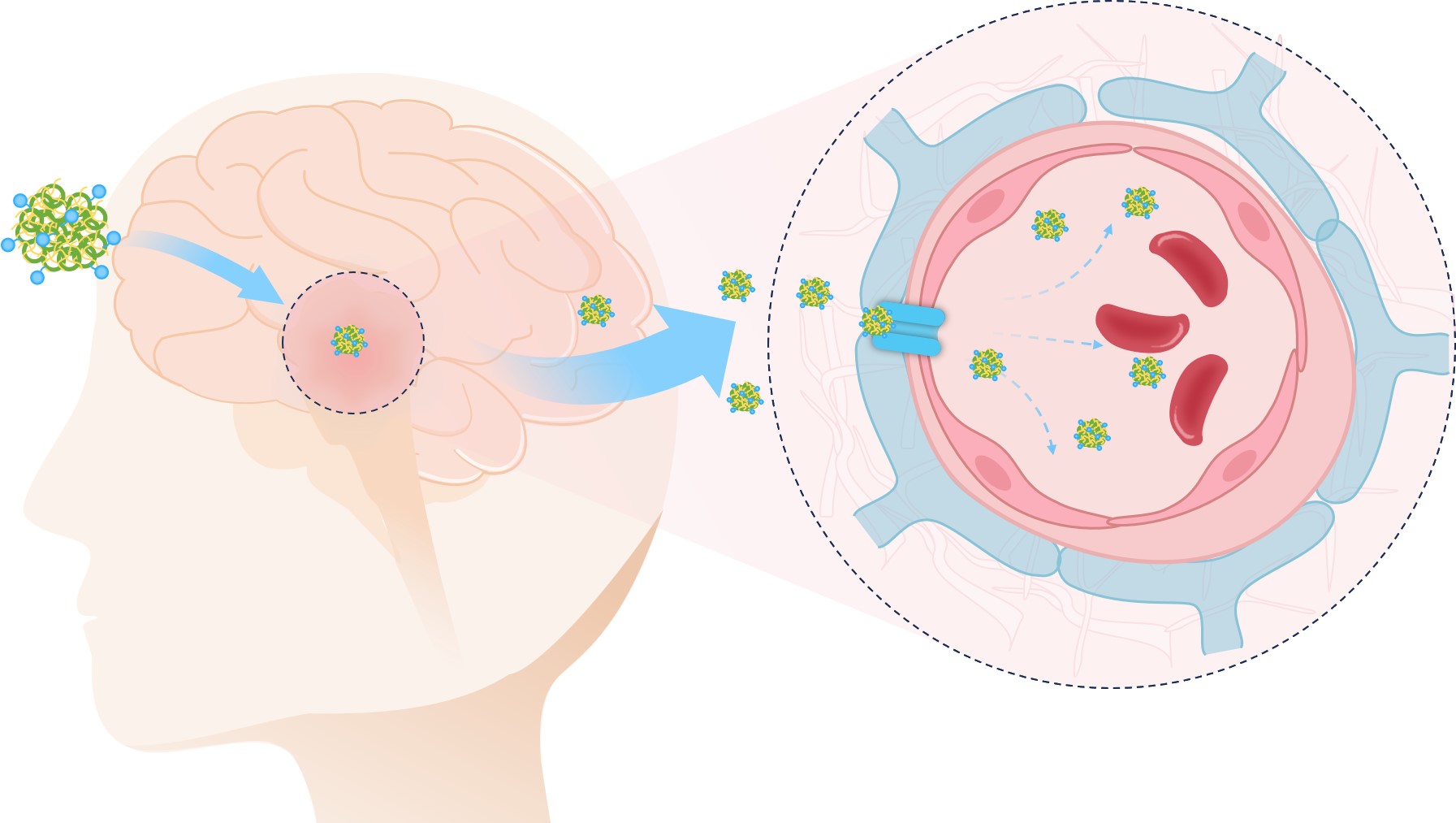 Fig. 2 Transport mechanism of zein nanoparticles across the blood-brain barrier via RMT.
The Chemistry of Optimization: Covalent Functionalization & Stealth Engineering
Unmodified Zein nanoparticles are susceptible to rapid clearance by macrophage uptake. To convert these spheres into long-circulating, tissue-homing vehicles, Creative Biolabs utilizes the abundant functional groups on the Zein polypeptide backbone (such as amine groups on glutamine and asparagine, or hydroxyl groups on tyrosine) for covalent coupling.
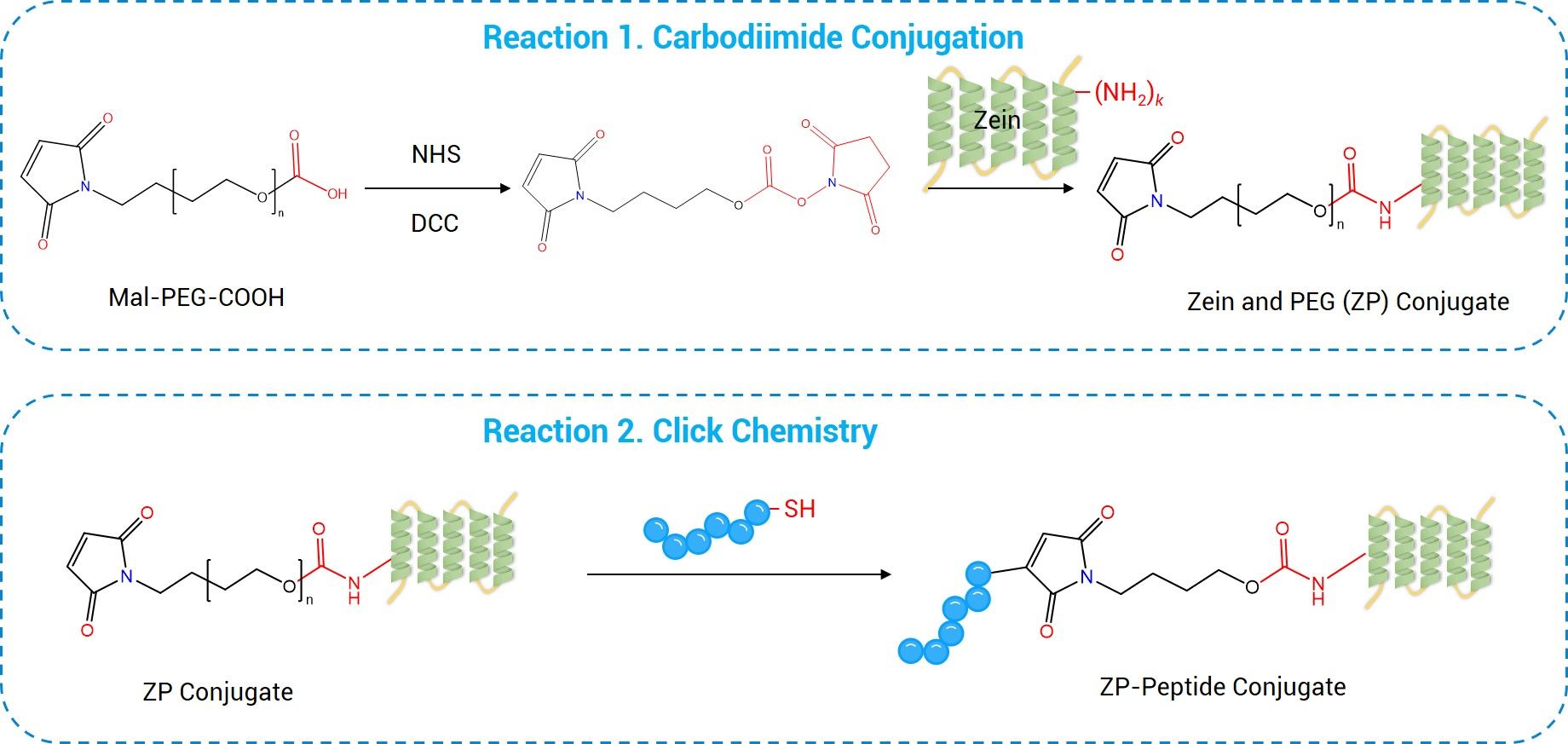 Fig. 3 Chemical engineering of zein with PEG and targeted peptide to manufacture a brain-targeted nanomedicine.
High-Performance Zein Nanoparticle Development
We offer a complete suite of research and development services for translating raw active molecules into clinically viable, targeted Zein nanocarriers.
We design and optimize the core-shell structure of Zein nanoparticles to match the physicochemical profile of your specific API.
Sustained Release Kinetics
We engineer the hydrophobic core density and utilize precise phase transition parameters to program drug-release profiles, preventing premature burst release.
Hydrophobic Drug Solubilization
Utilizing the hydrophobic domains of α-zein to achieve high encapsulation efficiencies (75-95%) for poorly water-soluble small molecules.
Biomolecule Stabilization
Securely encapsulating fragile nucleic acids (siRNA, shRNA, mRNA, miRNA, ASOs, CRISPR-Cas9 components) and delicate proteins, protecting them from enzymatic degradation in systemic circulation.
Workflow
Transforming Therapeutics Across Key Fields
- Brain-Targeted Drug Delivery Systems (CNS Oncology & Neurodegeneration): Our custom Zein nanoparticles for blood-brain barrier penetration are designed to deliver therapeutics directly to brain parenchyma. By conjugating Angiopep-2 or RVG29 peptides, we facilitate receptor-mediated transcytosis, maximizing drug bioavailability in glioblastoma, Alzheimer's, and Parkinson's disease models while reducing systemic off-target toxicities.
- Precision Cancer Therapeutics (Targeted Oncology): By leveraging the Enhanced Permeability and Retention (EPR) effect combined with active targeting (e.g., folic acid or hyaluronic acid conjugation), our Zein nanoparticles deliver chemotherapeutics, small molecule inhibitors, and gene therapies (like siRNA or CRISPR-Cas9) directly to tumor cells, preventing healthy organ exposure.
- High-Stability Oral Drug Delivery (Gastrointestinal Targeting): The amphiphilic, pH-stable structure of Zein protects sensitive payloads (including insulin and proteins) from harsh gastric acids. As the carriers' transition to the alkaline pH of the intestine, they undergo controlled degradation, facilitating sustained systemic absorption and significantly boosting oral bioavailability.
- Agricultural Nanotechnology & Nutrifood Systems: Expanding beyond medicine, Zein's non-toxic, GRAS (Generally Recognized as Safe) status makes it a premier carrier for biopesticides, plant nutrients, and nutraceuticals. It provides sustained release and environmental protection for fragile bioactives on crop leaves or inside dietary matrices.
Why Choose Creative Biolabs?
At Creative Biolabs, we are dedicated to resolving your most difficult targeted delivery challenges. By harnessing the biophysical benefits of natural, amphiphilic Zein proteins and matching them with high-end surface functionalization, stealth chemistry, and automated microfluidic scaling, we provide R&D teams with a highly reproducible, non-toxic, and effective path to preclinical success. Do not let biological barriers or low solubility stall your pipeline.
Unrivaled Encapsulation Performance
Our specialized solvent-displacement protocols yield high encapsulation efficiencies (75-95%) for lipophilic small molecules and fragile nucleic acids.
Industry-Leading Bioconjugation Library
We offer a broad collection of validated targeting ligands, PEG spacers, and charge-modifying polymers to match your therapeutic target.
Rigorous Analytical Quality Control
Every custom batch undergoes detailed structural verification via1H NMR, and DSC to ensure absolute reproducibility.
Complete Biocompatibility and Biodegradability
We utilize sustainable, plant-derived proteins that break down into natural, safe amino acids in the body, eliminating the long-term tissue accumulation risks associated with inorganic nanoparticles.
Related Services & Products
Related Services
Chemical Synthesis Services

Nucleic Acid Synthesis Services
FAQs
Why choose plant-derived protein nanoparticles for active drug targeting?
Unlike synthetic options (such as PLGA or carbon nanotubes) that can accumulate in the liver or trigger immunogenic reactions, Zein breaks down into safe, natural amino acids.
What are the advantages of Zein-based nanocarriers over synthetic polymers and liposomes?
Liposomes are prone to drug leakage, structural instability, and low encapsulation efficiencies for highly hydrophobic molecules. Zein features a naturally hydrophobic core that physically binds and locks lipophilic drugs in place, consistently achieving encapsulation efficiencies of 75-95% and enabling sustained, controlled release.
How do Zein nanoparticles cross the Blood-Brain Barrier?
Unmodified Zein cannot cross the BBB efficiently. Creative Biolabs solves this by conjugating RMT ligands (such as Angiopep-2 or transferrin) or cationic polymers to the nanoparticle surface. These modifications trigger receptor-mediated transcytosis or charge-mediated endocytosis, allowing the nanoparticles to cross the endothelial cell layer and deliver active cargo to the brain parenchyma.
Can Zein nanoparticles encapsulate hydrophilic APIs or nucleic acids?
Yes. While Zein is hydrophobic, Creative Biolabs has developed advanced composite and core-shell architectures. These hydrophilic outer layers wrap around the core, allowing for secure encapsulation of siRNA, mRNA, proteins, and hydrophilic small molecules.