Prostate cancer is one of the most malignant tumors in men and remains incurable due to its heterogeneous and progressive nature. Genetic and epigenetic changes play important roles in prostate cancer development.Read More…
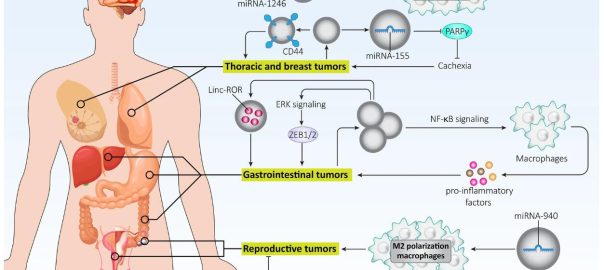
The Emerging Role of Exosomes in Cancer Progression and Tumor Microenvironment Remodeling
Cancer stands as one of the leading causes of death globally, necessitating a deeper understanding of its progression factors. Exosomes, with an average size of 100 nm, serve as carriers of proteins,Read More…
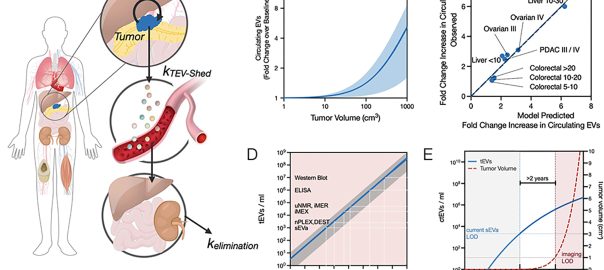
Analysis of Single Extracellular Vesicles for Early Cancer Detection
Extracellular vesicles (EVs), actively secreted from cancer cells and host cells into the circulation, are emerging as one of the front-runners in diagnostics for early cancer detection, disease monitoring, and treatment evaluation.Read More…
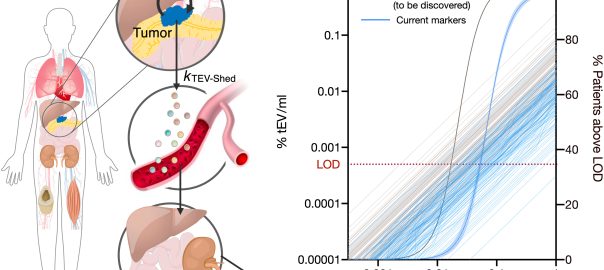
Mutated Protein Analysis of Single Extracellular Vesicles Detects Pancreatic Cancer
Tumor cell-derived extracellular vesicles (EVs) are being explored as circulating biomarkers for cancer detection. However, the effectiveness of bulk measurement in enabling early cancer detection remains uncertain. Professor Ralph Weissleder’s team fromRead More…
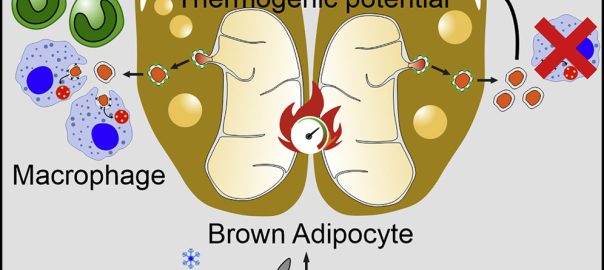
Brown Adipose Tissue Excretes Damaged Mitochondria via EVs and is Cleared by Macrophages
Recent findings has uncovered that mitochondria can be transferred between cells to control metabolic homeostasis. Although the mitochondria in brown adipocytes occupy a significant portion of the cell’s volume and undergo reorganizationRead More…
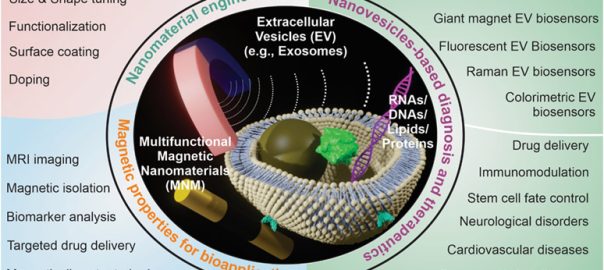
Multifunctional Magnetic Nanomaterials Facilitate Biomedical Applications of Extracellular Vesicles
Extracellular vesicles(EVs), which carry various biomolecules such as proteins, lipids, and nucleic acids have rapidly become a promising platform for many biomedical applications. Despite their great potential, the heterogeneity in their surfaceRead More…
Emerging Prospects of Extracellular Vesicles for Brain Disease Theranostics
Extracellular vesicles (EVs) are nanoscale, naturally derived vesicles that contain a variety of bioactive molecules reflecting their origin. These nanovesicles have a natural ability to cross the blood-brain barrier and exhibit excellentRead More…
Promoting or Inhibiting the Release of Extracellular Vesicles brings New Therapeutic Opportunities
Extracellular vesicles (EVs), released from various cell types under physiological and pathological conditions, are carriers of cell-to-cell communication. Recently, the Journal of Controlled Release published a review paper entitled ” Promotion orRead More…
The Link between Autophagy Inhibitors and Extracellular Vesicle Secretion and Its Challenges in Cancer Therapy
Autophagy mediates organelle and protein transport, cell quality control, and metabolism. However, this mechanism also controls the secretion of extracellular vesicles (EVs) through unconventional pathways, such as endosome-related secretory routes. Tumor cellsRead More…
Non-coding RNA and Extracellular Vesicles Help CAR-T Enhance the Efficacy of Solid Tumors
Poor tumor invasion, progression of exhaustion, and antigen insufficiency are common mechanisms that limit the efficacy of chimeric antigen receptor (CAR)-T cells. Delivery of pattern recognition receptor agonists is a strategy toRead More…