
As complement-targeted drug discovery continues to expand, researchers are placing greater emphasis on one critical question: how can complement biology be measured in a way that is truly relevant to disease mechanisms and therapeutic development? In many cases, simply quantifying an individual complement component is not enough. What matters more is whether the complement system is functionally active, how the pathway is regulated, and whether a candidate therapeutic can modulate complement activity in a biologically meaningful way.
This is exactly why complement function/activity testing has become increasingly important in complement therapeutics research. From target validation and mechanistic studies to candidate screening and preclinical evaluation, functional assays help transform complement biology into actionable development insights.
Beyond Expression Analysis: Why Function Matters
The complement system is a highly dynamic immune network composed of multiple activation routes, including the classical pathway, lectin pathway, alternative pathway, and terminal pathway. These pathways work together to support host defense, remove immune complexes, and regulate inflammatory responses. However, when complement activation becomes dysregulated, it can contribute to a wide range of pathological conditions, including autoimmune diseases, kidney disorders, hematologic diseases, infectious complications, and ophthalmic disorders.
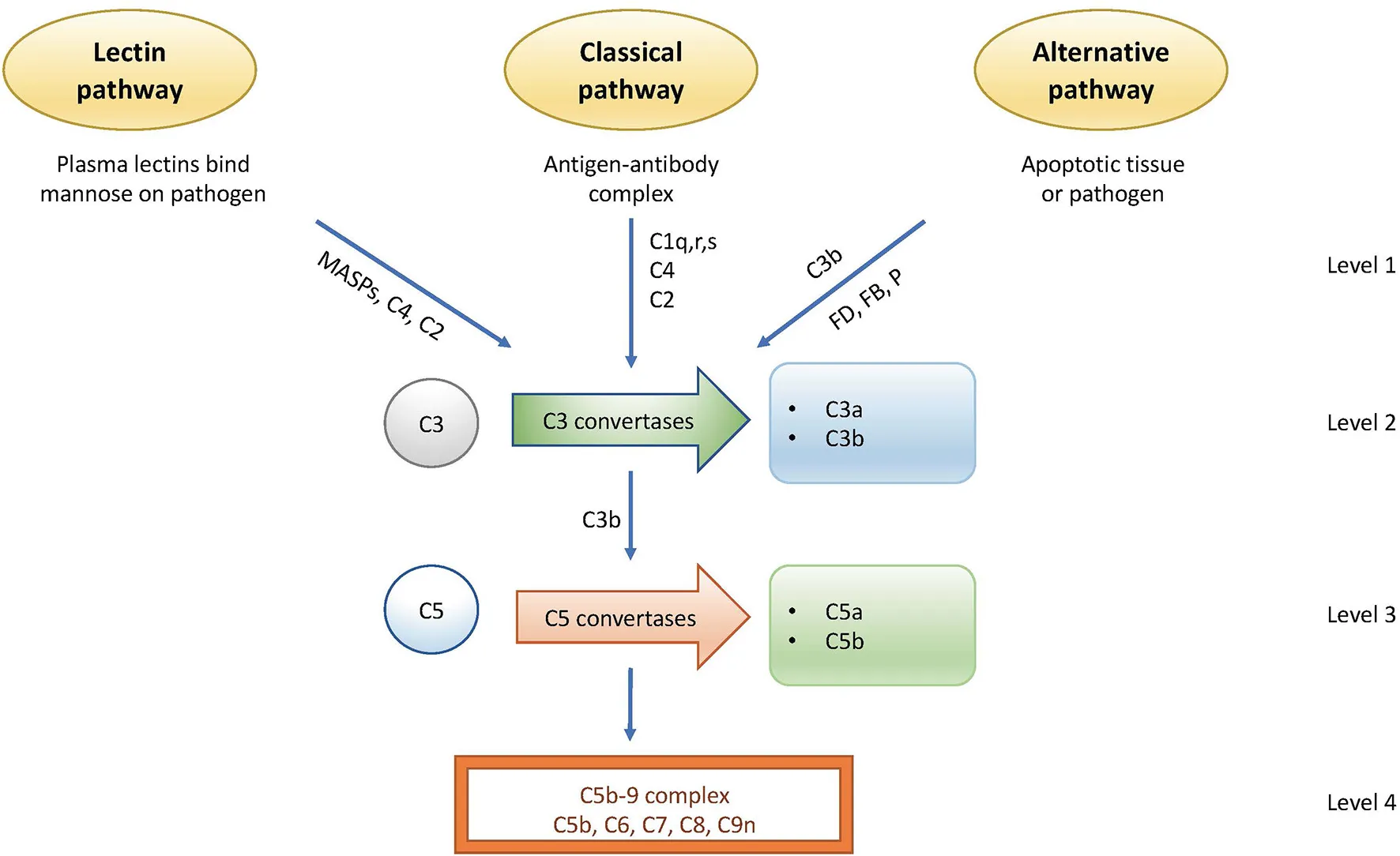
Fig. 1 Activation and regulation of the complement system.1,3
In this complex biological context, measuring the presence of a complement protein does not necessarily reflect pathway behavior. A complement component may be present in normal or even elevated amounts while remaining functionally impaired, overconsumed, or effectively blocked by an inhibitor. Likewise, meaningful biological changes may occur at the functional level before they are clearly reflected in static abundance measurements.
For this reason, functional assays provide a more informative view of complement biology than quantification alone. They help researchers determine whether a pathway is intact, overactivated, selectively inhibited, or biologically compromised.
The Role of Complement Function/Activity Testing in Drug Development
In complement therapeutics development, functional testing supports several essential goals.
- First, it helps researchers determine whether the relevant pathway is truly dysregulated. In many programs, it is not enough to know that complement is involved. Researchers need to understand which pathway is affected, how strongly the cascade is activated, and whether terminal complement activity contributes to disease progression. These answers are critical for refining target selection and building a stronger mechanistic rationale.
- Second, functional testing helps confirm whether a therapeutic candidate produces the intended biological effect. Target binding alone is not always sufficient evidence of therapeutic value. A molecule may bind C3, C5, factor B, factor D, or another complement-related target with high affinity, yet still fail to generate meaningful inhibition in a functional assay. Complement activity testing provides a more relevant way to evaluate whether a drug candidate truly modulates pathway activity.
- Third, these assays help reduce uncertainty during preclinical development. Complement biology is sensitive to assay context, sample handling, and pathway complexity. A well-designed functional testing strategy can help distinguish promising candidates from misleading early hits, generate more robust evidence for go/no-go decisions, and strengthen translational confidence.
From CH50 and AP50 to More Advanced Functional Assays
Among the most widely recognized complement activity assays are CH50 and AP50/AH50, which are commonly used to assess the integrity of the classical and alternative pathways, respectively. These assays remain valuable because they provide an efficient overview of pathway-level functionality and are especially useful for early screening or comparative analysis.
However, modern complement drug development often requires a broader and more detailed testing framework. In addition to pathway-wide activity assays, researchers may need to evaluate:
- Individual complement component function
- Complement activation products
- Inhibitory activity of therapeutic candidates
- Complement-mediated hemolysis
- Receptor-ligand interactions
- Cell-based complement responses
A more comprehensive testing platform allows researchers to move beyond simple pathway screening and build a stronger evidence chain from target biology to functional outcome.
Why an Integrated Testing Platform Creates More Value
Complement research programs rarely involve a single assay or a single decision point. More often, they require a sequence of studies that may include pathway characterization, inhibitor validation, candidate comparison, assay customization, and translational support. When these activities are fragmented across multiple vendors or inconsistent methodologies, timelines become longer, and data interpretation becomes more difficult.
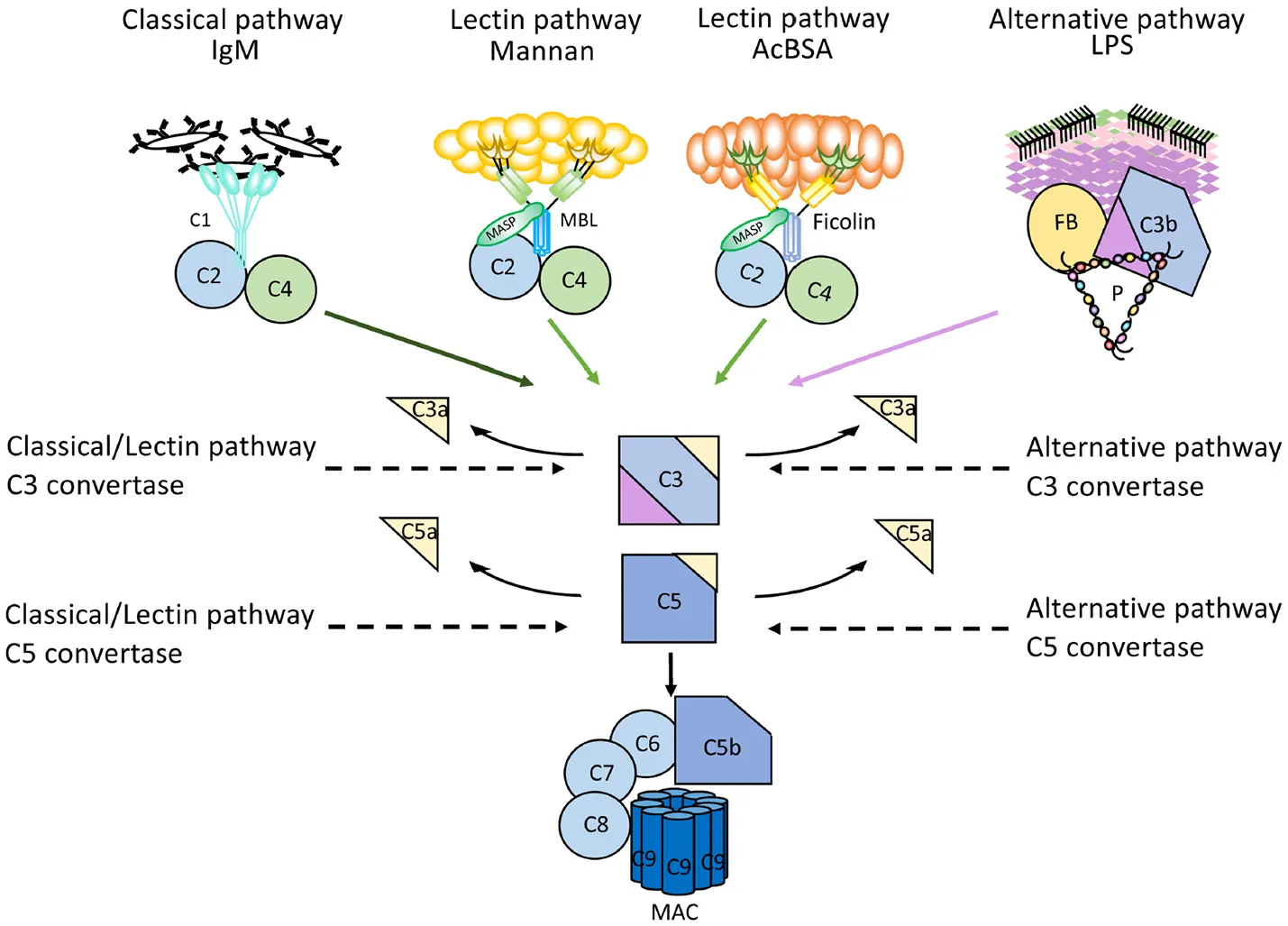
Fig. 2 Mechanism of action of microtitre plate-based complement activation assays.2,3
An integrated testing platform offers clear advantages. It supports greater consistency across assays, reduces communication complexity, and helps ensure that experimental outputs align more closely with the project’s scientific goals. This is particularly important in complement therapeutics, where pathway biology is complex, and assay interpretation often depends on mechanistic context.
Creative Biolabs provides a complement-focused service platform designed to address these needs. Its complement function/activity test solutions cover total complement activity testing, individual complement component activity analysis, complement activation product testing, complement inhibitor validation, hemolysis inhibition assays, receptor-ligand binding assays, and cell-based complement activity assays. This integrated structure allows clients to access not just isolated assays, but a more coherent strategy for complement-focused development.
Scientific Rigor and Customization Both Matter
One of the most important challenges in complement analysis is standardization. Complement assays can be highly sensitive to sample collection procedures, anticoagulant selection, storage conditions, processing timelines, and freeze-thaw history. Without rigorous control of these variables, data interpretation can become difficult, and experimental reproducibility may suffer.
At the same time, complement projects are rarely identical. Some researchers focus on pathway deficiency, others on pathological overactivation, and others on evaluating complement inhibitors in translational settings. As a result, the most valuable testing platforms are those that combine robust assay workflows with flexible project-specific customization.
This balance between rigor and adaptability is especially important for biopharmaceutical clients, who need both scientifically reliable data and solutions tailored to their candidate mechanism, target pathway, sample type, and development stage.
A Stronger Commercial Value Proposition for Complement Research Support
From a market perspective, today’s clients are not simply asking whether a provider can run a CH50 assay. They are asking whether that provider understands complement biology deeply enough to generate meaningful, decision-ready data.
Creative Biolabs is well-positioned in this space through its broader complement therapeutics platform, which includes not only testing services but also complement-related development support and associated products. For clients, this creates added value by enabling a more connected research workflow across multiple stages of a complement-focused project.
Conclusion
As complement therapeutics research continues to evolve, the need for reliable and biologically meaningful functional data is becoming more urgent. Protein quantification alone cannot fully capture pathway integrity, dysregulation, or therapeutic modulation. In contrast, complement function/activity testing provides a more actionable way to evaluate complement biology and support drug development decisions.
By helping researchers assess pathway activity, validate inhibitory effects, characterize complement-mediated responses, and generate stronger preclinical evidence, these assays have become a critical component of modern complement R&D.
For teams seeking robust support in target validation, candidate screening, mechanism studies, and preclinical evaluation, Creative Biolabs offers a comprehensive complement function/activity test platform designed to meet the scientific and operational demands of complement therapeutics development.
Learn more about our complement function/activity test services and discover how Creative Biolabs can support your complement research program.
References
- Mohebnasab, Maedeh, et al. “Current and future approaches for monitoring responses to anti-complement therapeutics.” Frontiers in immunology 10 (2019): 2539. https://doi.org/10.3389/fimmu.2019.02539
- Ekdahl, Kristina N., et al. “Interpretation of serological complement biomarkers in disease.” Frontiers in immunology 9 (2018): 2237. https://doi.org/10.3389/fimmu.2018.02237
- Distributed under Open Access license CC BY 4.0, without modification