Dendritic Cell Engineering Services
As professional antigen-presenting cells, dendritic cells (DC) are crucial for initiating and regulating immune responses. They are able to capture, process, and present antigens to T cells, which are crucial for stimulating an effective immune response. DC engineering is a cutting-edge field in immunotherapy research, focusing on the genetic manipulation of DCs to enhance their function in stimulating the immune system to fight against cancers, infections, and other diseases. At Creative Biolabs, we offer DC engineering services to facilitate the optimization of DCs for therapeutic purposes.
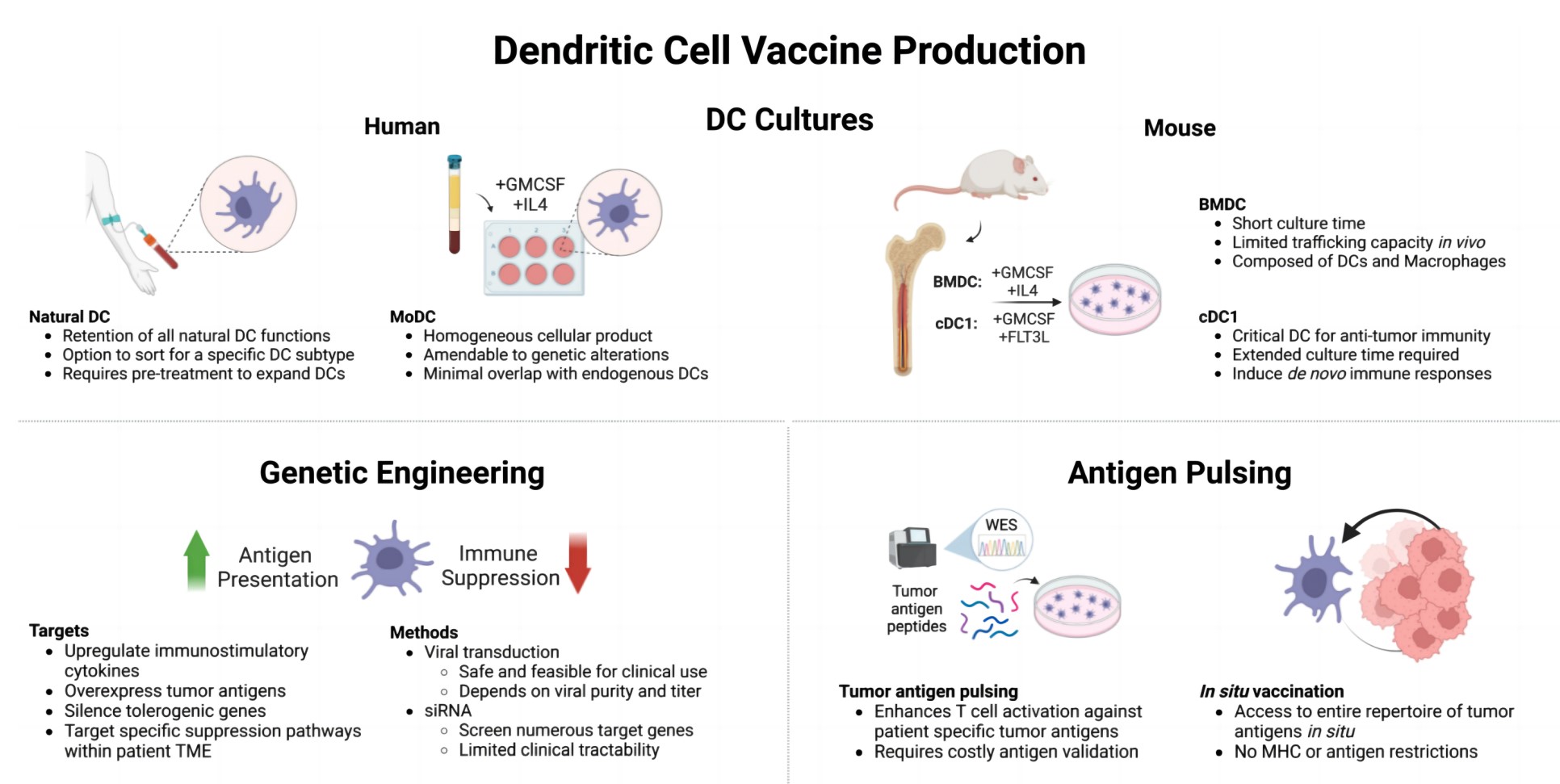 Fig.1 Schematic diagram of DC vaccine production.1
Next-Generation DC Engineering Services
Creative Biolabs is a reliable and experienced provider in DC engineering. Our scientists offer expertise and one-stop services for DC manipulation and engineering. These services include DC isolation, genetic modification, maturation, and functional testing for the development of personalized or off-the-shelf immunotherapy approaches.
- Loading Antigens
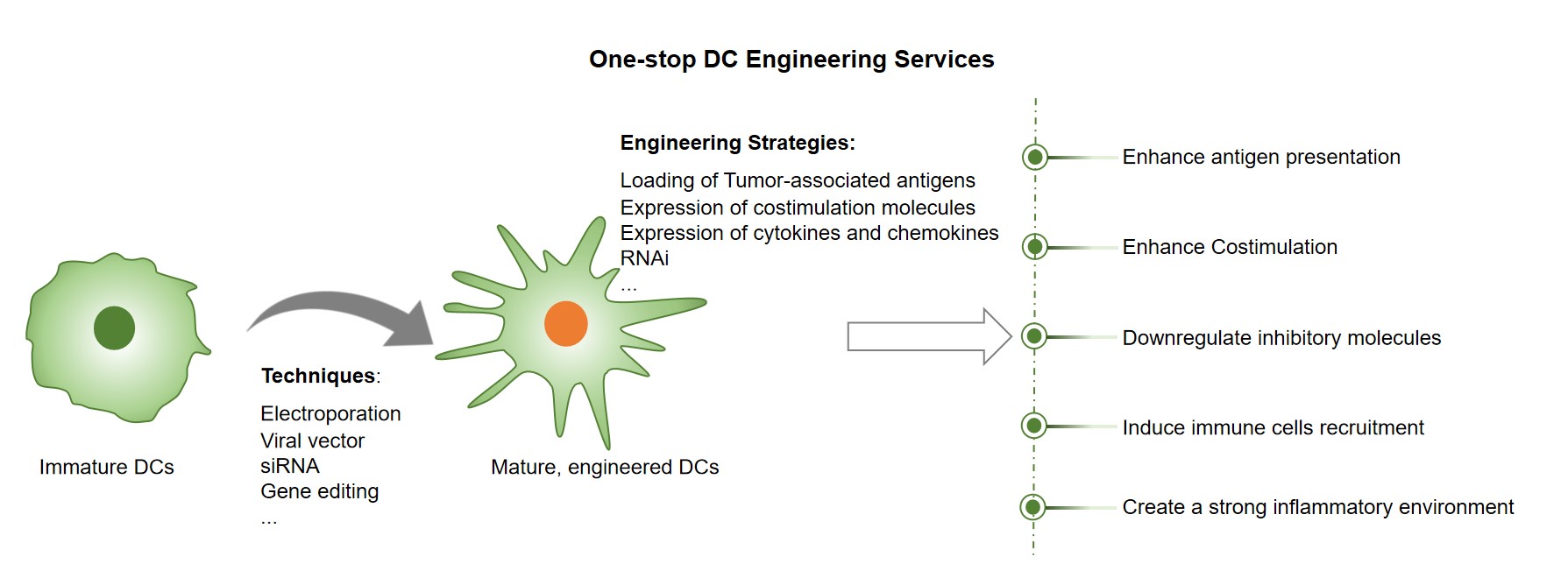
DCs can be engineered to express specific antigens or tumor-associated antigens to target cancer cells, allowing them to present these antigens to T-cells and trigger an anti-tumor immune response. This can be achieved by either loading DCs with antigenic proteins or encoding them to express antigenic epitopes through genetic engineering techniques.
-
Genetic Engineering
Genetic engineering of DCs provides a way to enhance their function and optimize their ability to induce an immune response against specific targets. This can be achieved by transfecting DCs with viral vectors or using gene editing technologies. At Creative Biolabs, we provide DC engineering services by introducing genes encoding specific antigens or immune stimulatory molecules, silencing tolerogenic genes, etc.
- Engineering DCs to express co-stimulatory molecules like CD80, CD86, and CD40 can enhance their ability to activate T cells, leading to a stronger and more prolonged immune response.
- DCs can be modified to secrete certain cytokines and chemokines, such as interleukin-12 (IL-12) or interferon-alpha (IFN-α), which can further boost the immune response and promote the differentiation of T cells into cytotoxic T lymphocytes.
- Genetic modification of DCs to interfere with co-inhibitory and immunosuppressive pathways, such as PD-1 or CTLA-4, potentially enhances their ability to stimulate and activate T cells, leading to more effective anti-tumor immune responses.
- Engineering DCs to express specific receptors, such as Toll-like receptors (TLRs) or other pattern recognition receptors can boost the activation and maturation of DCs and increase their ability to prime T cell responses.
-
Tumor RNA-mediated Dendritic Cell Engineering
Accelerate your cancer immunotherapy research with Creative Biolabs’ Dendritic Cell Engineering Service-designed to overcome challenges in antigen presentation and T-cell priming. Our service provides customized dendritic cells engineered via high-efficiency RNA transfection to express tumor-associated antigens, offering a powerful platform for translational studies. The process begins with personalized consultation and project design, followed by RNA preparation and optimization for enhanced transfection. Dendritic cells are isolated from human PBMCs or murine bone marrow and cultured under defined conditions to ensure consistency. Proprietary non-viral RNA transfection techniques are used to maintain cell viability and promote robust antigen expression. Rigorous quality control—flow cytometry, RT-PCR, and functional assays—ensures successful transfection and immune activation. Each project includes detailed documentation and ongoing technical support to facilitate downstream application and maximize research impact.
Our Capabilities
Our DC engineering service offers a range of customized solutions to meet your specific research needs, including:
- Isolation and expansion of DCs from various sources for research purposes
- Optimization of DC culture conditions for increased efficiency in antigen presentation
- Genetic modification of DCs to enhance their antigen-presenting abilities
- Generation of DC-based vaccines for immunotherapy applications
Reference
- Neal, Lillian R., et al. "The basics of artificial antigen-presenting cells in T cell-based cancer immunotherapies." Journal of immunology research and therapy 2.1 (2017): 68. Distributed under Open Access license CC BY 4.0, without modification.
 Download our brochure