

Why iPSC Gender Determination Matters
Sex differences influence gene expression, epigenetic regulation, differentiation trajectories, and disease phenotypes in iPSC-derived models. Multiple studies have demonstrated sex-biased transcriptional and functional outputs in iPSC and ESC lines, particularly during differentiation into neuronal and cardiac lineages.
If the genetic sex of your iPSC lines is unknown, mis-annotated, or altered during reprogramming or prolonged culture, you may face:
- Misinterpretation of experimental data when comparing "male" and "female" models that are not genetically assigned correctly.
- Increased variability in multi-donor or multi-site studies due to unrecognized sex effects.
- Regulatory and reproducibility concerns, as many journals and funding agencies now explicitly require sex as a biological variable.
- Hidden genetic anomalies, such as sex chromosome mosaicism (e.g., XXY, X0), that can profoundly alter phenotype but remain undetected without targeted analysis.
Our iPSC gender determination services provide a comprehensive, multi-tiered approach to rigorously verify the chromosomal and epigenetic sex status of your iPSC lines, ensuring the robustness, reproducibility, and clinical relevance of your research models.
What Our iPSC Gender Determination Service Includes
We combine orthogonal technologies to offer a flexible yet rigorous panel for iPSC gender determination. Depending on your project needs, we can provide:
| Services | Descriptions |
|---|---|
| PCR/qPCR-Based Sex Marker Analysis |
|
| Short Tandem Repeat (STR) Profiling with Sex Loci |
|
| Classical and High-Resolution Karyotyping |
|
| FISH-Based X/Y Chromosome Detection |
|
| NGS-Based Confirmation |
|
We offer a flexible, multi-tiered service model, utilizing gold-standard cytogenetic and cutting-edge molecular techniques to achieve unequivocal sex verification.
Sample Types & Typical Use Cases
We support multiple study designs, including:
- New iPSC line generation projects - Confirm donor sex match and ensure proper annotation at the earliest QC stage.
- Large iPSC panel characterization - Rapidly screen tens to hundreds of lines from different donors or biobanks to build sex-balanced disease or drug screening cohorts.
- Neuroscience, cardiovascular, and kidney models - Ensure proper XX/XY assignment in iPSC-derived cardiomyocytes, neurons, or kidney cells where sex-specific differences in development and disease are increasingly recognized.
- Complex sex chromosome conditions - Characterize XXY, X0, or mosaic lines used to model sex chromosome disorders or sex-biased diseases.
- Repository and biobank curation - Standardize sex annotation for internal or public iPSC collections, increasing their scientific and commercial value.
Data & Deliverables
Each iPSC gender determination project typically includes:
- Summary of tested samples (IDs, type, receipt condition).
- Genetic sex assignment for each line (XX, XY, or atypical patterns).
- Assay-specific result tables.
- XCI/XCR status summary for female lines, if requested.
- QC information, including assay controls and acceptance criteria.
- Technical appendix with methods and instrument details suitable for methods sections in manuscripts or technical reports.
Published Data
To identify other iPSC factors potentially associated with differentiation outcome, the researchers examined three characteristics of the 181 subjects (sex, ethnicity, and age) and passage of the iPSCs at day 0. Analyzing the 125 CM-fated and 59 EPDC-fated iPSC lines with a general linear model, they found no association between differentiation outcome and age or ethnicity, but observed a significant association with sex.
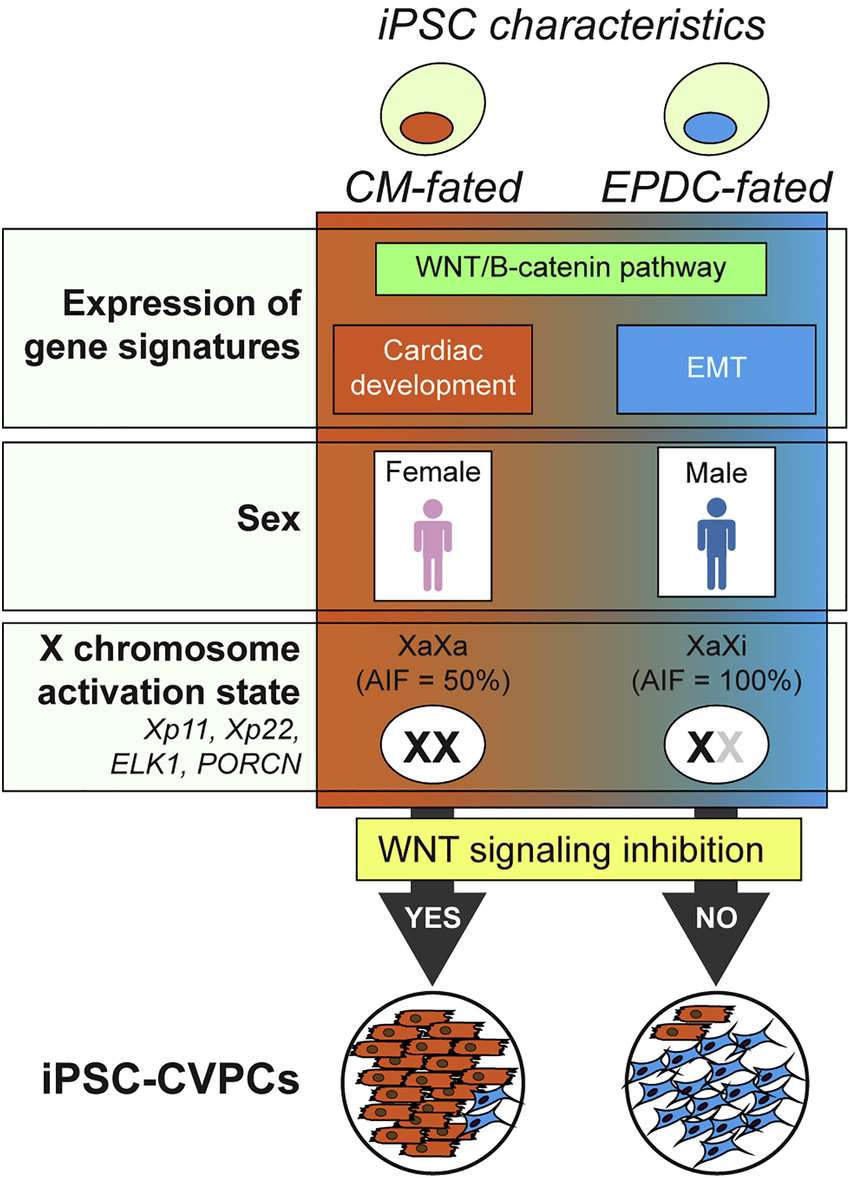 Fig. 1 iPSC characteristics that influence their cardiac-fate determination.1,2
What Our Clients Say
"We manage a multi-donor iPSC biobank with more than 120 lines collected over several years. The gender annotations from the original providers were inconsistent, and in some cases missing. Creative Biolabs helped us re-establish accurate XX/XY status across all samples using a combination of STR profiling and SRY PCR."
— Dr. A. Matthews, Director of Stem Cell Core
"Our reviewers requested confirmation of genetic sex after noticing transcriptional patterns inconsistent with female-derived iPSCs. Creative Biolabs ran rapid qPCR, followed by FISH confirmation, and provided a clean interpretative report within a week. Their documentation addressed every reviewer concern and allowed us to finalize the manuscript."
— Dr. N. Yoshioka, Assistant Professor
"We operate a high-throughput iPSC-derived cardiomyocyte platform for drug safety screening. Since sex-based differences can affect electrophysiological behavior, we cannot afford annotation errors. Creative Biolabs' gender determination combined with karyotyping gives us complete confidence in our batches."
— Senior Scientist, Safety Pharmacology Division
"We needed gender determination on 30 iPSC clones generated from CRISPR-edited donors. The Creative Biolabs team delivered results much faster than expected and provided detailed explanations for each assay. Their scientists were responsive, proactive, and clearly experienced in iPSC QC workflows."
— Project Manager, Genome Engineering Unit
FAQs
Q: What types of materials can I submit for iPSC gender determination?
A: We accept cryopreserved iPSC vials, live culture plates, iPSC pellets, and purified genomic DNA. For assays requiring chromosomal visualization, such as karyotyping or FISH, viable cells are preferred. DNA-based workflows (PCR, STR, NGS) require high-quality genomic DNA. Our team will confirm sample suitability during project initiation.
Q: Can you determine genetic sex from differentiated cells such as neurons or cardiomyocytes?
Q: Can this test identify non-standard sex chromosome conditions such as XXY or X0 syndromes?
Q: Will gender determination affect my differentiation or functional assay workflow?
Q: What happens if the sex result does not match donor information provided by my team?
Get Started with Confidence







1. Contact Us
via the Inquiry Form or Email
2. Define Your Needs
Cell Type, Function, Quantity, Modifications
3. Kickstart the Project
Our Expert Team Guiding Every Step
If you are establishing a new iPSC bank, harmonizing legacy lines, or planning sex-stratified studies, reliable genetic sex assignment is a non-negotiable quality parameter.
Contact Creative Biolabs today to discuss your iPSC Gender Determination project, or submit your online inquiry to receive a tailored proposal and timeline.
For Research Use Only. Not For Clinical Use.
References
- D'Antonio-Chronowska, Agnieszka, et al. "Association of human iPSC gene signatures and X chromosome dosage with two distinct cardiac differentiation trajectories." Stem cell reports 13.5 (2019): 924-938. https://doi.org/10.1016/j.stemcr.2019.09.011
- Distributed under Open Access license CC BY 4.0, without modification.
Created November 2025