Creative Biolabs delivers expert services for developing high-quality neutralizing single domain antibodies against virus and toxin infections. Antibody neutralization functions by obstructing the connection between the virus/toxin and host cells, which stops infection from occurring. The ability of VHHs to block virus/toxin interactions makes them ideal small drug candidates for preventing and treating diseases and poisonings.
Neutralizing VHH
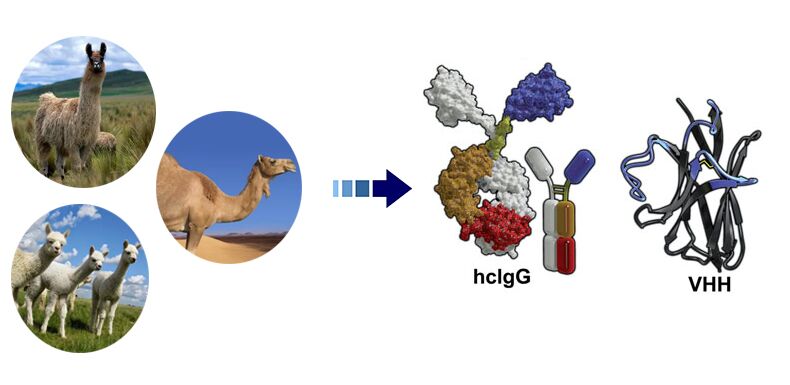
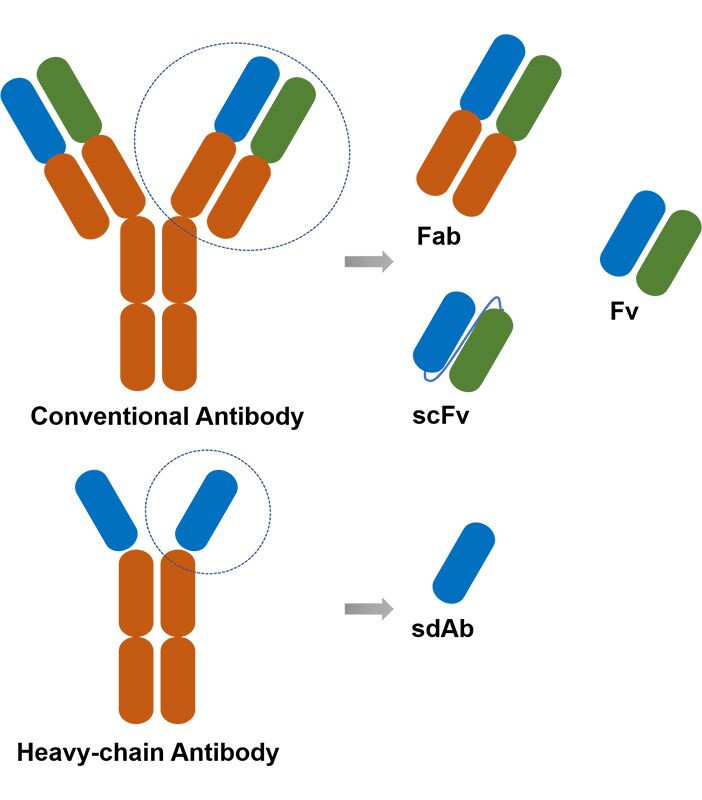
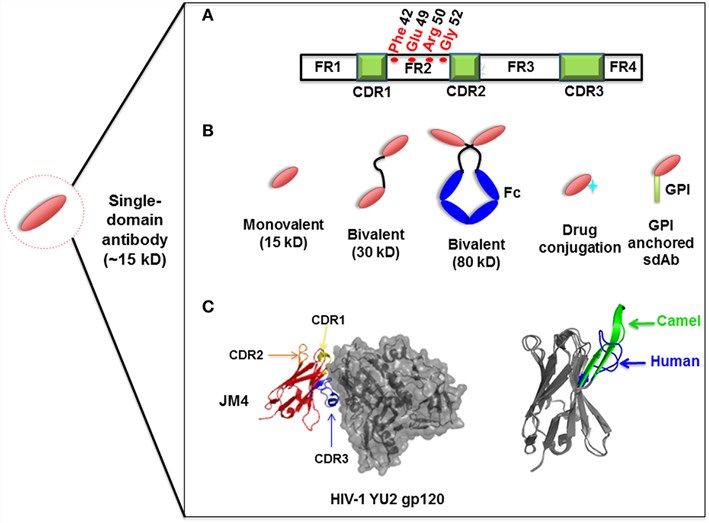
The limitations present in traditional antibody therapies have led to the creation of alternative formats like VHHs. The so-called "tiny but mighty antibodies" demonstrate substantial benefits. Due to their inherent stability together with rapid tissue distribution and high binding affinity VHHs stand out as strong candidates for toxin and virus neutralization even at inaccessible sites. VHHs stand out for their simple production process and ability to be modified into stronger versions. The compact size of VHHs enables them to be delivered directly to infection sites which results in quicker and more localized therapeutic outcomes. Their properties enable the development of enhanced diagnostic tools, vaccines and innovative treatment protocols for persistent infections.
Advanced technical platform in dealing with different targets (e.g., toxin, virus, and cytokine)
Comprehensive strategies to formulate the most suitable solution
Experienced professional team with a wealth of knowledge
Fully customizable design to meet specific demands
Fast turnaround time
Reliable lab report with timely update
Affordable price with the best quality
The potent neutralizing VHH has shown promise for future diagnostic, prophylactic, or therapeutic applications. With our well-established platform and rich experience, Creative Biolabs can offer the best one-stop service and high-quality
neutralizing VHHs to contribute to the success of your projects significantly. Please feel free to contact us for more information and a detailed quote.
Case Study
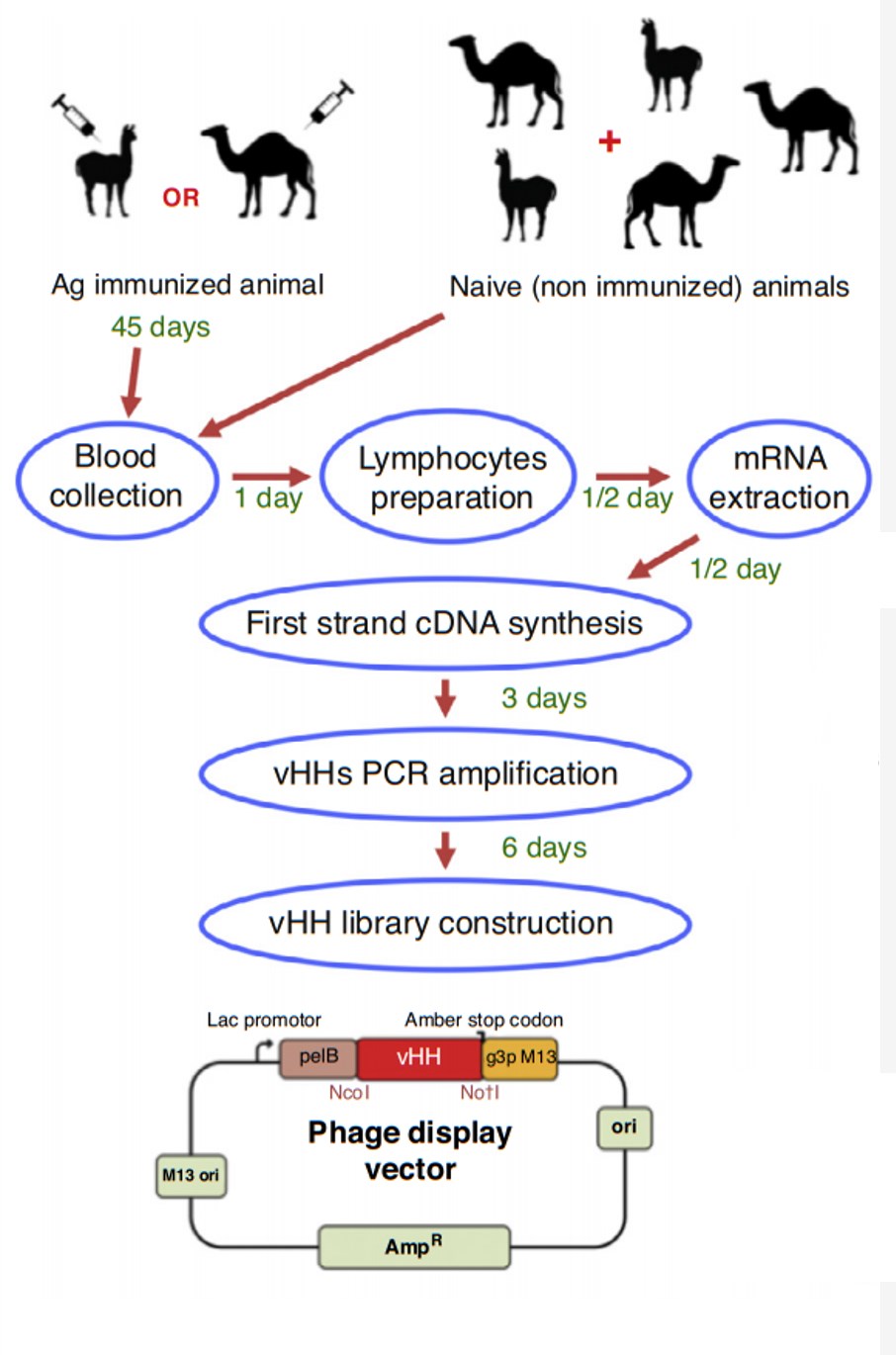
In this project, a soluble protein was used as an antigen and screening target, and 10 unique target-specific single domain antibodies (sdAbs) were screened using our LlaVHHL-1™ premade natural camelid single domain antibody library.
Figure 1. Flow diagram of phage display-based screening.
Based on the project details, we can customize a unique library screening strategy. For a typical screening process, pre-adsorption is performed before each round of screening to remove as much non-specific binders as possible.
Figure 2. Process monitoring of library screening stage.
This project used a solid phase screening strategy to immobilize the target directly on the well plate surface. After three rounds of screening, the target was well enriched, indicating that some specific binders have been obtained.
Figure 3. Summary of monoclonal phage ELISA of the randomly picked clones and DNA sequencing.
After the entire bio-panning process, multiple clones were selected for monoclonal phage ELISA and subsequent DNA sequencing, and finally 2 excellent clones were obtained showing significantly higher abundance.
Published Data
A VHH-Based Tetravalent Bispecific Antibody to Neutralize Multiple SARS-CoV-2 Variants
Fig. 1 TB493-011 exhibits adequate neutralization against rVSV-SARS-CoV-2 (Omicron BA.1.7418017)
and rVSV-SARS-CoV-2 (Omicron BA.4/5).1
In this study, a rapid, high-throughput process was developed for the discovery of monospecific VHH antibodies against the SARS-CoV-2 variant and the iterative development of VHH-Fc-VHH bispecific antibodies capable of neutralizing the emerging SARS-CoV-2
variant. Screening VHH single-domain phage libraries resulted in the discovery of high-affinity VHH antibodies with unique target epitopes. TB202-3 was a newfound VHH that binds tightly to all of the variants tested, and TB618-065 demonstrated high-affinity
binding profiles to SARS-CoV-2 Omicron variants and unique epitopes in recent studies. Combining the two VHHs into a conjugate named TB493-011 that can interact with various multiple epitopes on the viral S protein, the tetravalent bispecific construct
exerted enhanced neutralizing efficacy against a range of Omicron sublineage variants and exhibited increased resistance to antigen escape compared to the monospecific antibody. Due to the small size and high stability of the VHH single-domain antibody,
TB493-011 shows a rapid iterative capacity to promptly adjust the antibody portfolio in response to mutations in viral variants.
Associated Services
Reference
Yang, Marisa L., et al., "A VHH single-domain platform enabling discovery and development of monospecific antibodies and modular neutralizing bispecifics against SARS-CoV-2 variants." Antibody Therapeutics (2024): tbae009. Distributed under Open Access License CC BY 4.0, without modification.
FAQ
1. What makes VHH antibodies suitable for neutralizing pathogens?
VHH antibodies have several properties that make them particularly effective for neutralizing pathogens. Firstly, they often have smaller sizes compared to conventional antibodies. This allows them to penetrate tissues more effectively and bind to hidden
or cryptic epitopes that are not accessible to larger antibodies. Secondly, VHHs are engineered with high affinity and specificity against specific viral or bacterial antigens. Finally, they are highly stable at a broad range of temperatures and
pH levels, making them suitable for various environments and storage conditions.
2. What advantages do neutralizing VHHs offer over conventional neutralizing antibodies for therapeutic applications?
Neutralizing VHHs offers several advantages over conventional neutralizing antibodies. Their small size allows better tissue and cellular penetration, and their simplistic structure enables easy engineering to create bispecific or multispecific antibodies.
Due to their small size and the possibility of humanization, they can reduce the risk of immunogenic responses and enable efficient and cost-effective production.
3. What techniques are used to enhance the neutralizing potency of VHH antibodies?
Several techniques, like Fc fusion, PEGylation, and specific format engineering, can be used to enhance the neutralizing potency of VHHs. Improving the Fc fusion of VHH enables longer half-life and enhanced effector functions, and PEGylation optimizes
pharmacokinetics by increasing its size and stability. VHHs can be designed for bispecific or multispecific formats to target multiple epitopes on a pathogen or different pathogens simultaneously as well.
4. How do researchers identify the neutralizing epitopes targeted by VHHs?
Researchers identify neutralizing epitopes using methods such as epitope mapping, mutagenesis studies, and competition assays. By using techniques like X-ray crystallography and cryo-electron microscopy, it is easy to visualize VHH-antigen interactions.
Introducing mutations and assessing the impact on binding can be used to determine critical residues. Besides, competition assays can be utilized to see if VHHs block the binding of other neutralizing antibodies or the natural ligand.
5. Are there any notable examples of VHHs being used in neutralizing viral infections?
A noteworthy example is the use of VHHs to target the spike protein of SARS-CoV-2. These VHHs have demonstrated efficacy in neutralizing the virus by preventing its binding to the ACE2 receptor on host cells, thereby inhibiting viral entry. Additionally,
VHHs have been explored for the neutralization of other viruses, including HIV, RSV, and influenza.

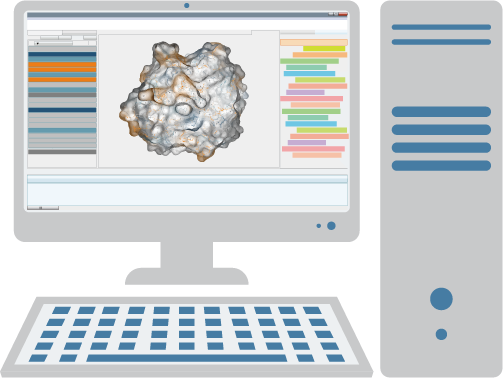
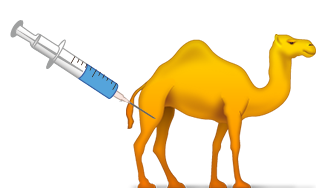

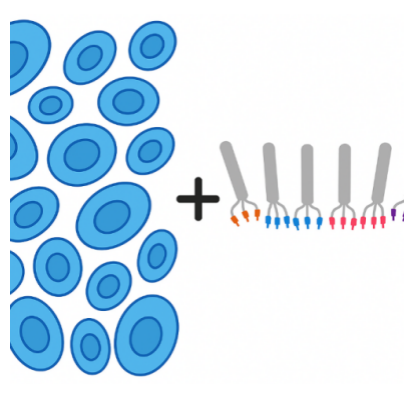
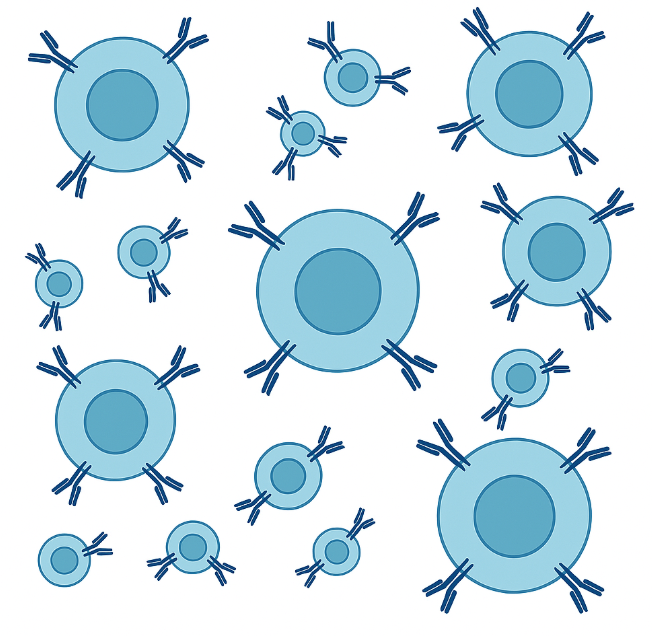
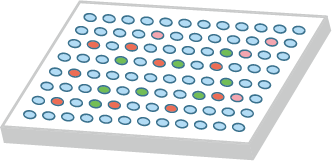
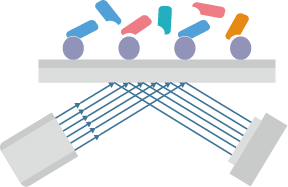
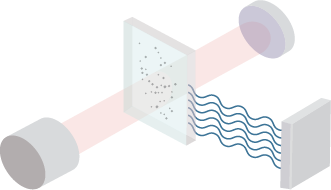



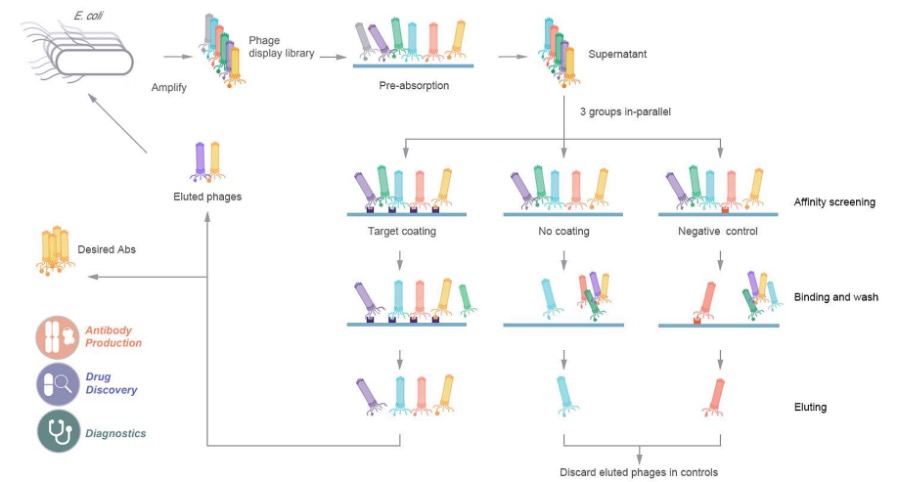 Figure 1. Flow diagram of phage display-based screening.
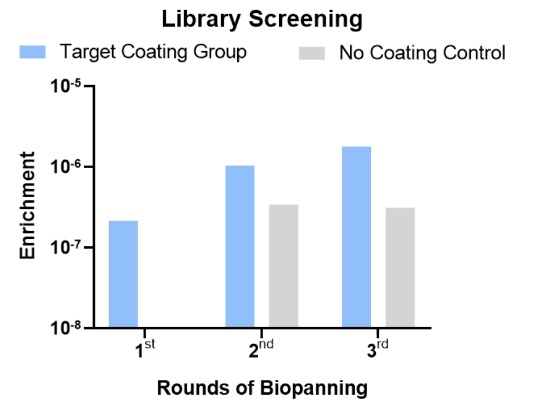 Figure 2. Process monitoring of library screening stage.
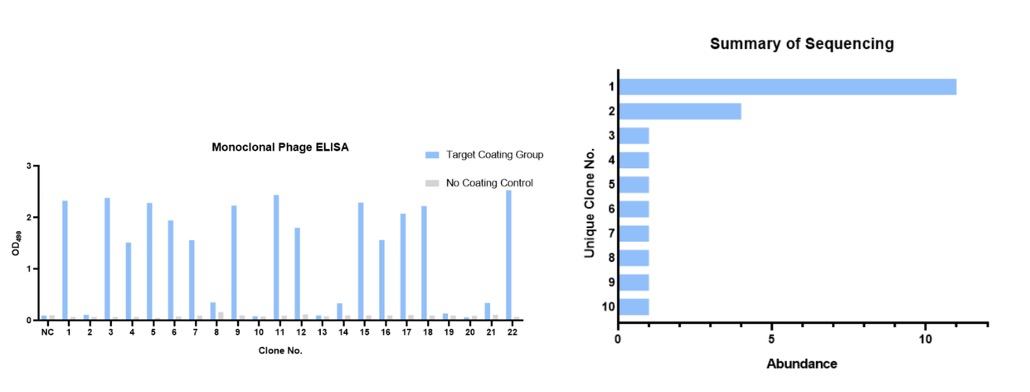
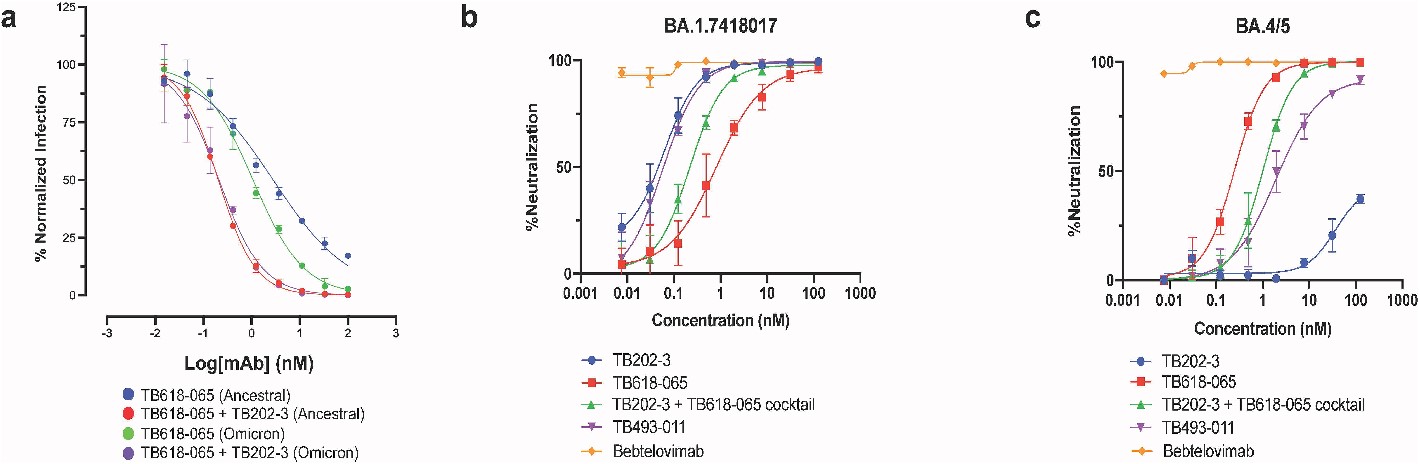 Fig. 1 TB493-011 exhibits adequate neutralization against rVSV-SARS-CoV-2 (Omicron BA.1.7418017)
and rVSV-SARS-CoV-2 (Omicron BA.4/5).1
Fig. 1 TB493-011 exhibits adequate neutralization against rVSV-SARS-CoV-2 (Omicron BA.1.7418017)
and rVSV-SARS-CoV-2 (Omicron BA.4/5).1
-Variant-Products.jpg)