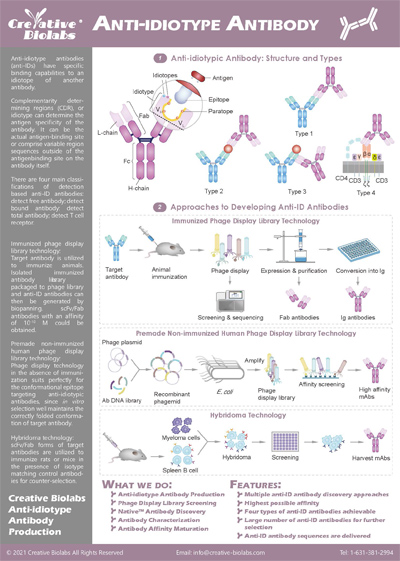
Creative Biolabs possesses significant expertise in creating and utilizing novel single domain antibodies (sdAbs). Global customers can receive complete solutions from us for high-quality production of highly specific anti-idiotypic VHH antibodies. Anti-idiotypic VHH antibodies represent single-domain antibodies known for their ability to target the antigen-binding paratope located on an antibody drug's variable region. There are four main types, including:
Type 1 anti-idiotypic VHH antibodies attach precisely to an antibody drug's paratope to block its interaction with the target.
Type 2 anti-idiotypic VHH antibodies attach to the variable region of an antibody drug in a manner that is not paratope specific, and this binding does not obstruct the drug's ability to bind its target.
Type 3 anti-idiotypic VHH antibodies can specifically recognize the complex formed by the interaction of the antibody drug and its targets.
Type 4 anti-idiotypic VHH antibodies possess the ability to identify T cell receptors.
Potential Applications of Anti-ID VHH Antibodies
The facile identification of anti-ID VHH antibodies, as well as their beneficial and unique properties (small size, high affinity, excellent stability, and low production cost), make it an ideal candidate for disease diagnosis and immunotherapy. Anti-ID
VHH antibodies can serve as anti-drug VHH antibodies for drug candidate development and evaluation, such as pharmacokinetic/pharmacodynamics (PK/PD) studies, immunogenicity
(immune response, IR) studies, and antibody drug enrichment and purification.
Anti-ID VHH antibody, which can mimic the structure of the original antigen-binding site, can be employed as an antigen mimic VHH antibody for vaccine generation to elicit
robust and specific immune responses and maintain stable immune memory in the case where the original antigen is unavailable.
Anti-ID VHH antibody is of high value not only as a probe for studying cell receptors but also as an alternative reagent for immunoassays, as well as a new pathway for the development of abzyme. Anti-ID VHH antibody presents the potential to bear a structural
copy of the enzyme active site due to their small size and thus mimics the function of the enzyme.
Features of Anti-ID VHH Antibodies
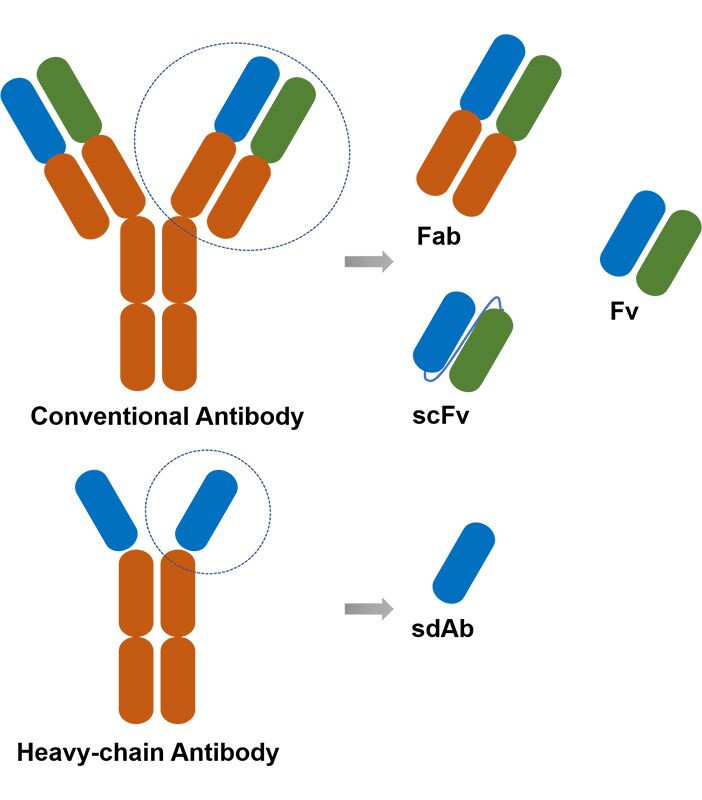
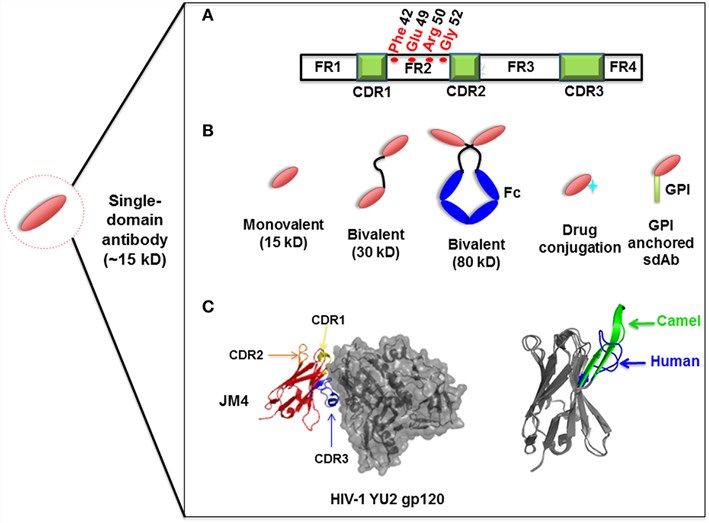
The lower complexity and small size (~ 15 kDa) allow mimicking small ligands and haptens
Specifically bind to the antigen-binding region of the primary antibody
Effectively mimic the 3D structure of the original antigen (hidden/cleft epitopes)
Competition with the original antigen for binding to the primary antibody
Induction stable immune responses similar to the original antigen
The excellent physical and thermal stability and resistance to stringent extreme conditions
Typical Pathway for Anti-Id VHH Antibody Development
Phase I Discovery
Target IdentificationMultiple target identification processes can be provided upon your request.
Features of One-Stop Anti-Id VHH Antibody Development
The professional team with extensive experience in dealing with different types of anti-idiotypic VHH antibody
Advanced technical platform to ensure the best achievement for every single step
Fully customizable design to formulate the most suitable solutions
Multiple pathways to enhance the success rate
Reliable lab report with timely update
Affordable price with the best quality
Creative Biolabs is a long-term expert focused on the discovery and development of novel VHH antibodies. We are confident in providing the best service and the most suitable solution to satisfy your specific demands. If you are interested
in developing high-specific anti-idiotypic VHH antibodies, please do not hesitate to contact us for more details.
Case Study
After the animal injection was completed, test blood was collected for titration to verify the immune response, and pre-immune serum will serve as a negative control. The results showed that the immune response was weak.
Figure 1. 3rd titration results.
This project used a solution sorting screening strategy using streptavidin-coated plates. After three rounds of bio-panning, good enrichment was achieved, showing that some specific binders were obtained.
Figure 2. Process monitoring of library screening stage. (Right)
We utilized a solution sorting screening strategy to apply a target coating to streptavidin during library screening. ELISA determined the biotinylation efficiency before the screening process began. The target showed good enrichment following three rounds of biopanning, while the control group displayed a clear distinction. Through screening procedures, specific binders have been identified for the target, but no screening has taken place for the negative target.
Figure 3. Summary of monoclonal phage ELISA of the randomly picked clones and DNA sequencing.
After bio-panning, 40 clones were randomly selected for monoclonal phage ELISA detection and DNA sequencing, and finally 24 unique clones were obtained.
Published Data
Anti-idiotypic VHHs with high affinity for 5T33 myeloma cells induce strong T cell activation
Fig. 1 Specific activation of CAR-T cells by the different VHH-CAR-transduced DO11.10 reporter
T cell lines. 1
This study investigated the anti-idiotypic VHH antibody's therapeutic potential in treating multiple myeloma. The researchers identified VHHs that had a significant affinity for murine 5T33 myeloma cells. These VHHs were then incorporated into VHH-CAR-T
cells to assess their effectiveness in T cell activation, which was assessed by measuring the production of the cytokine IL-2. The results showed that while certain VHHs have a high affinity, not all of them can equally activate T cells, as expected,
with VHH-8326 and VHH-8387 being able to induce strong T cell activation. It discovered considerable discrepancies in the efficacy of VHHs to trigger T cell activation, even when targeting comparable epitopes on the same antigen, which supports the
importance of VHH epitope selection in the therapeutic effects of CAR-T cell treatment. Ultimately, this study underscores the importance of selecting the appropriate VHH for a specific application when creating CAR-T cell therapy techniques, offering
a new perspective on individualized multiple myeloma treatment and laying the foundation for the development of future VHH-based CAR-T cell therapies.
Associated Services
Reference
Hanssens, Heleen, et al., "Anti-Idiotypic VHHs and VHH-CAR-T Cells to Tackle Multiple Myeloma: Different Applications Call for Different Antigen-Binding Moieties." International Journal of Molecular Sciences 25.11 (2024): 5634. Distributed under Open Access License CC BY 4.0, without modification.
FAQ
1. What are anti-idiotypic VHH antibodies?
Anti-idiotypic VHH antibodies are camelid-derived single-domain antibodies that recognize and bind to another antibody's idiotope. The idiotope is an antibody's unique antigen-binding location, and therefore anti-idiotypic VHH antibodies can mimic the
antigen or inhibit it. These antibodies are valuable for therapeutic medication monitoring, pharmacokinetic studies, and immunological research. Their small size, high specificity, and stability make them superior to traditional antibodies.
2. How are anti-idiotypic VHH antibodies produced?
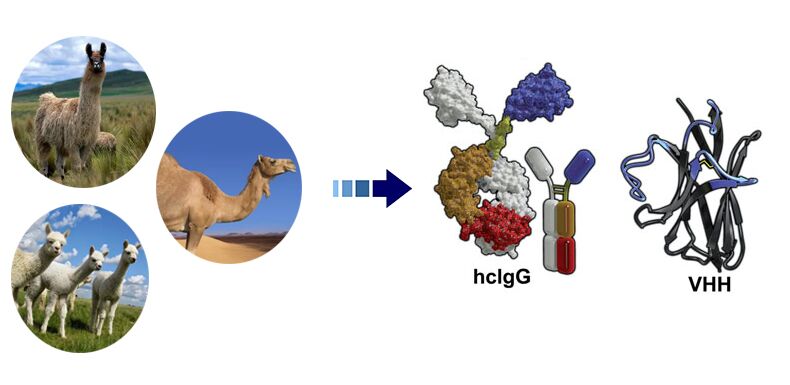
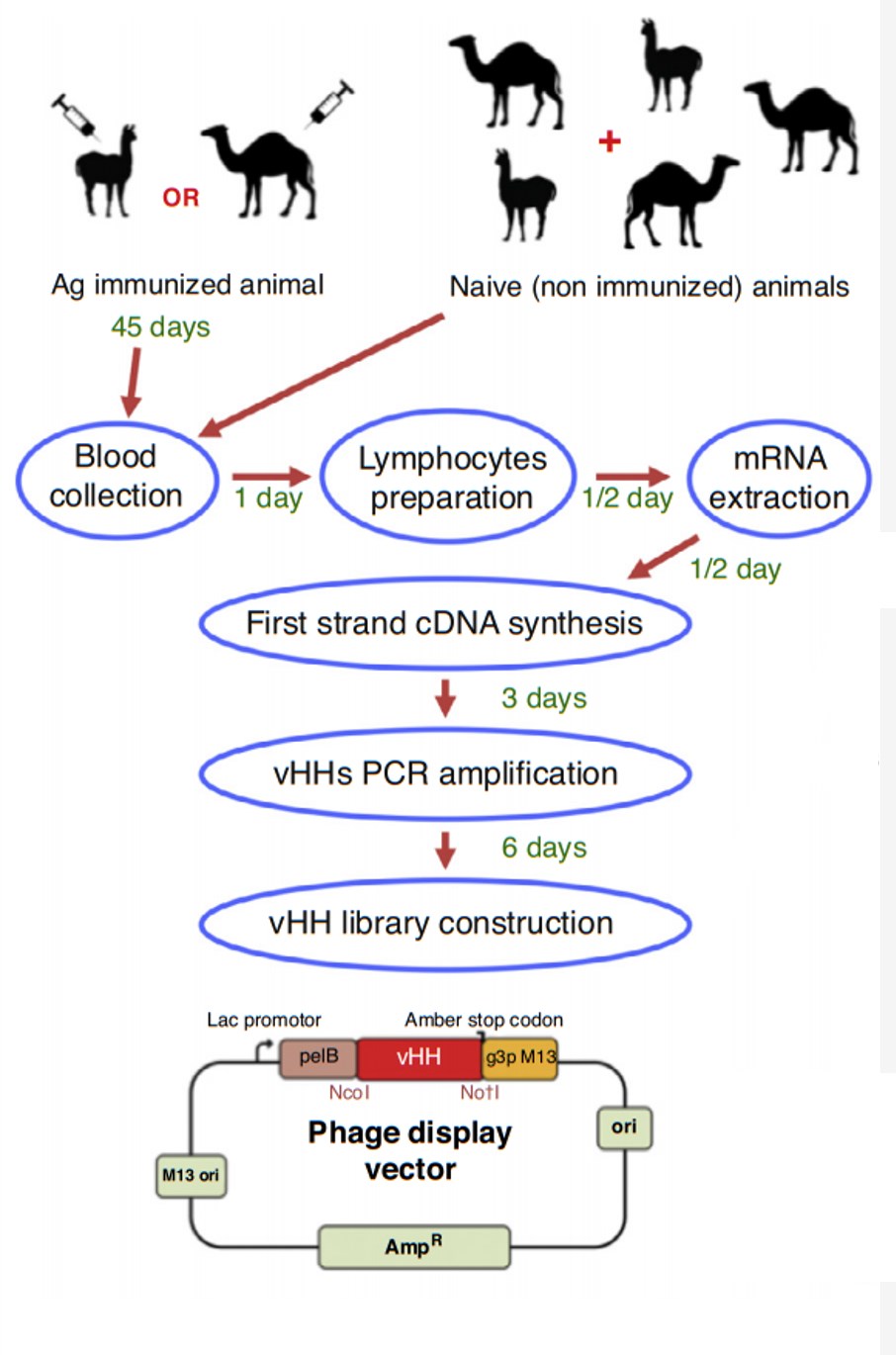
Anti-idiotypic VHH antibodies are typically produced by immunizing camelids (such as llamas) with a specific idiotype. After immunization, VHH genes are cloned to form phage display library. Subsequent panning
and screening enable the identification of VHHs that bind precisely to the target idiotope. These VHH sequences are then generated recombinantly for further analysis and validation.
3. What are the applications of anti-idiotypic VHH antibodies in biomedical research?
Anti-idiotypic VHH antibodies have a variety of applications in biological research. They can mimic the original antigen to stimulate an immune response in vaccine development, as well as identify and quantify therapeutic antibodies in clinical samples.
They work effectively in laboratory experiments to study B-cell growth and immunological responses.
4. What applications do anti-idiotypic VHH antibodies have in research and medicine?
Anti-idiotypic VHH antibodies have a variety of applications, including tracking the pharmacokinetics of therapeutic antibodies, neutralizing antibody detection, and acting as surrogate antigens in immunogenicity studies. They are also utilized to investigate
antibody mechanisms of action and as components of bispecific antibodies for therapeutic applications. Their tiny size and excellent specificity are helpful in these functions, particularly in conditions requiring extensive immune response studies.
5. How do anti-idiotypic VHH antibodies enhance the development of biosimilars?
Anti-idiotypic VHH antibodies are important tools for comparing biosimilars to the original biological medicine. They can bind exactly to the reference drug's idiotope, allowing for accurate measurements of binding affinity, stability, and functional
equivalency. This data is critical for establishing that the biosimilar has equivalent therapeutic characteristics, hence securing regulatory approval and patient safety.


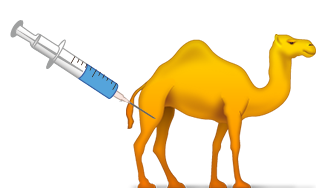


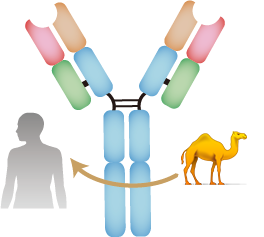


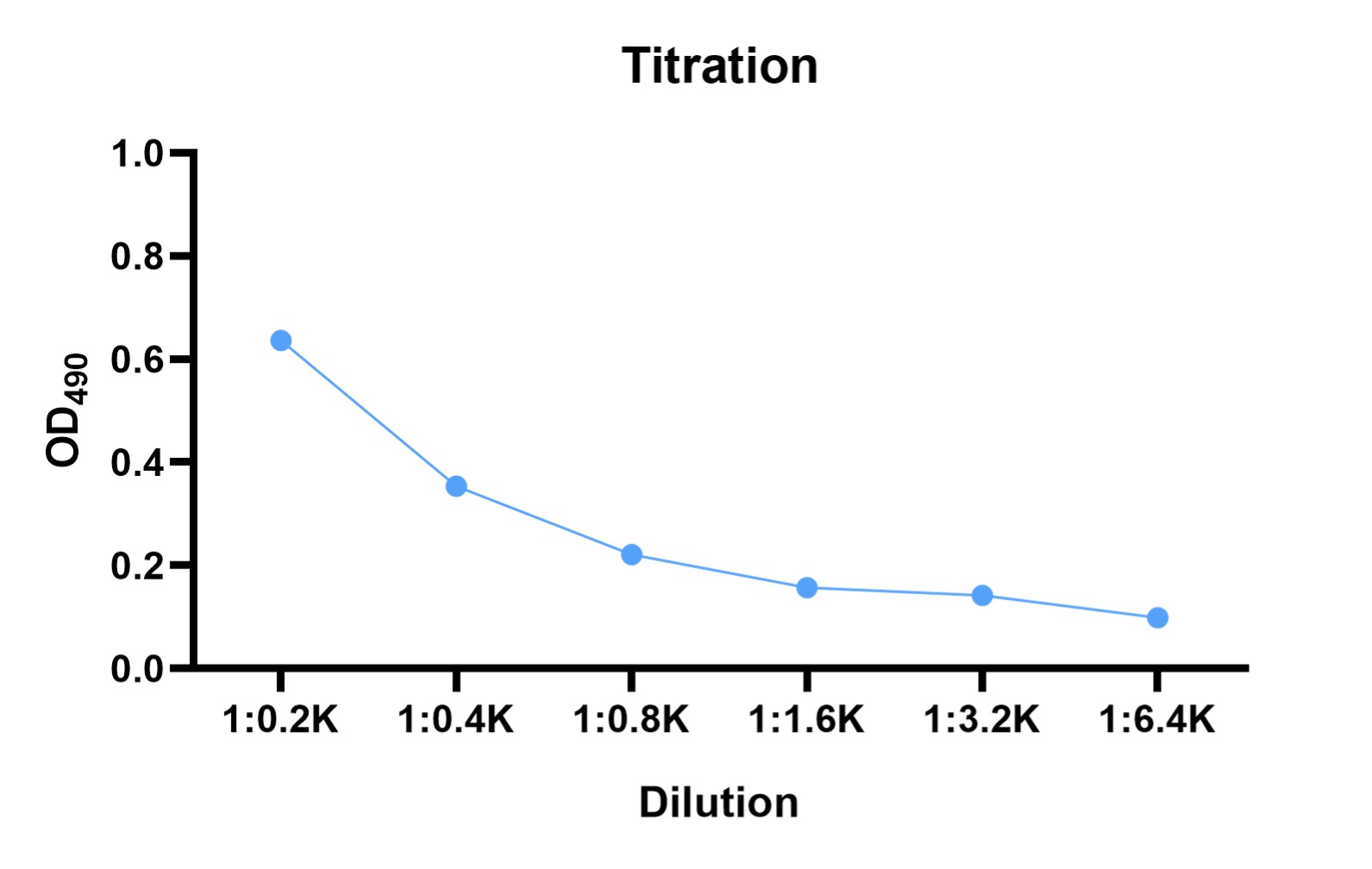 Figure 1. 3rd titration results.
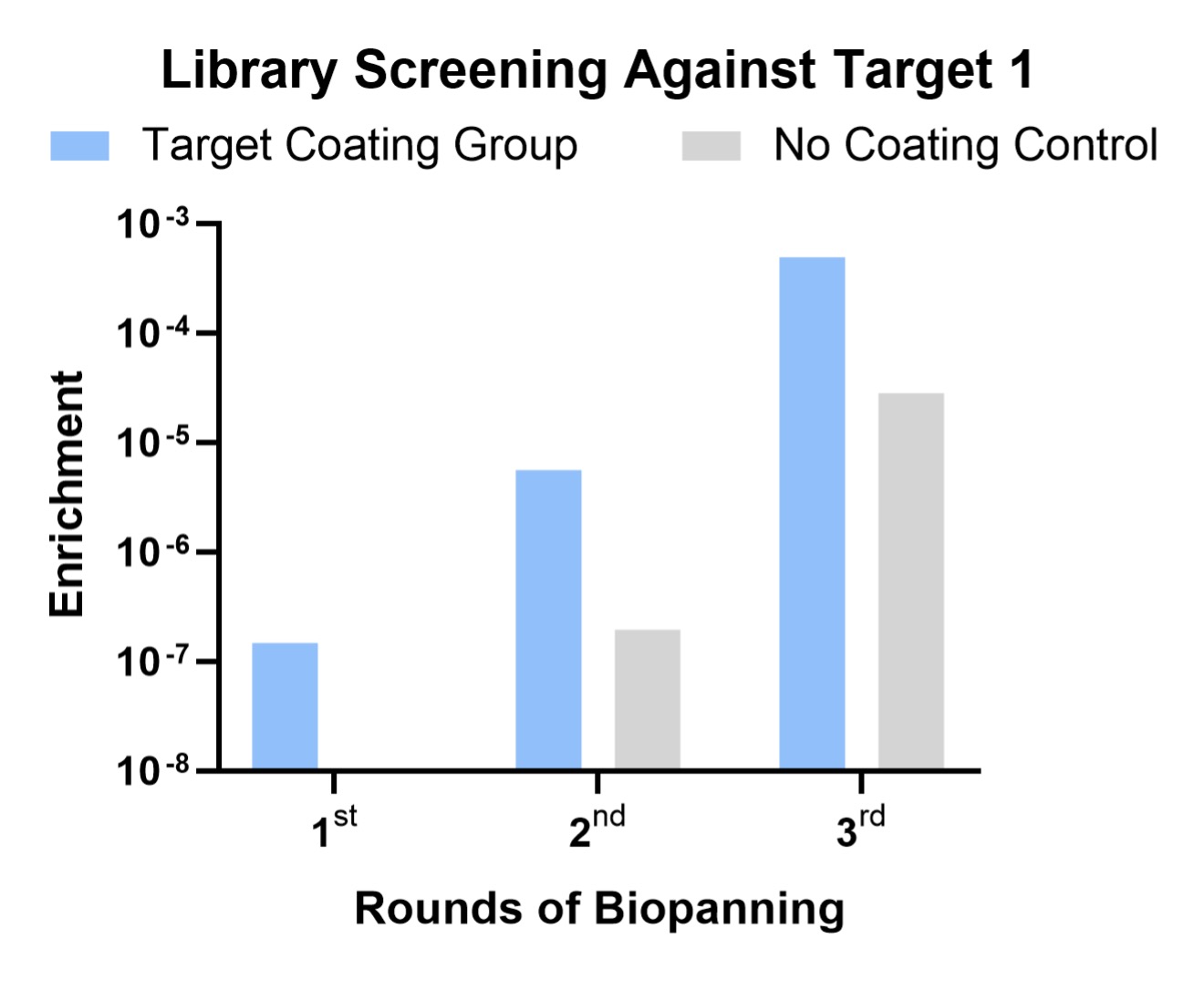 Figure 2. Process monitoring of library screening stage. (Right)
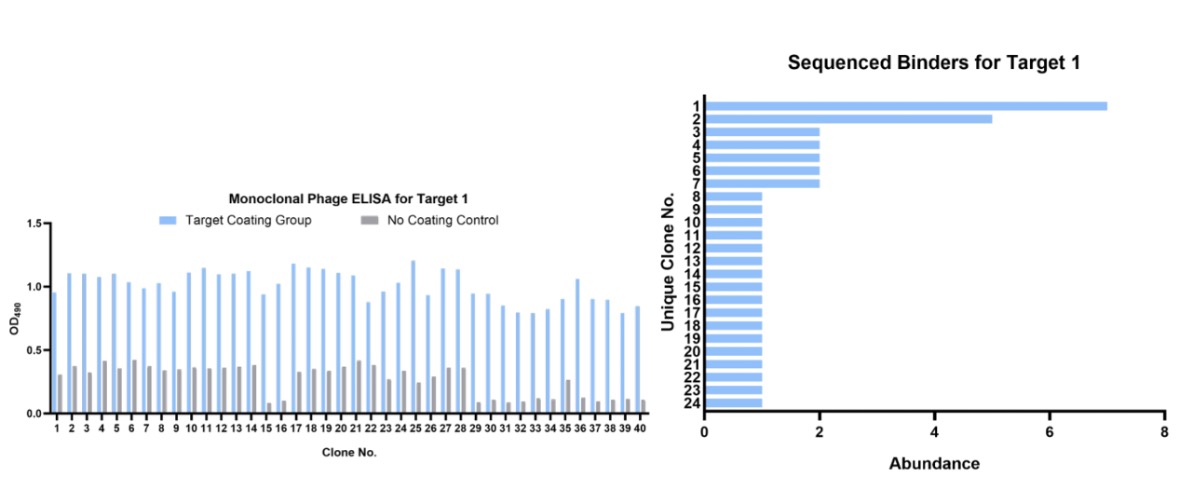 Figure 3. Summary of monoclonal phage ELISA of the randomly picked clones and DNA sequencing.
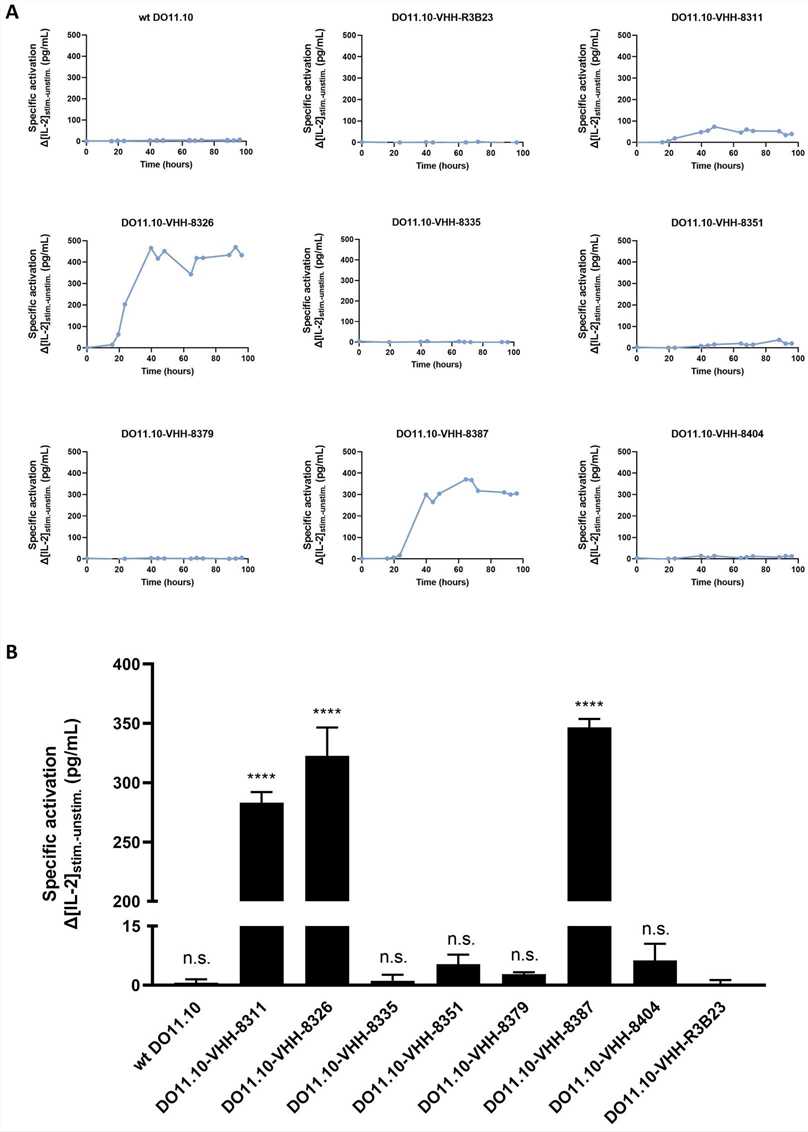 Fig. 1 Specific activation of CAR-T cells by the different VHH-CAR-transduced DO11.10 reporter
T cell lines. 1
Fig. 1 Specific activation of CAR-T cells by the different VHH-CAR-transduced DO11.10 reporter
T cell lines. 1