Post-Translational Modification (PTM) Specific Single Domain Antibody (SdAb) Development Solution
Discovery and DevelopmentDevelopment ProcessHighlightCase StudyPublished DataAssociated ServicesFAQResources
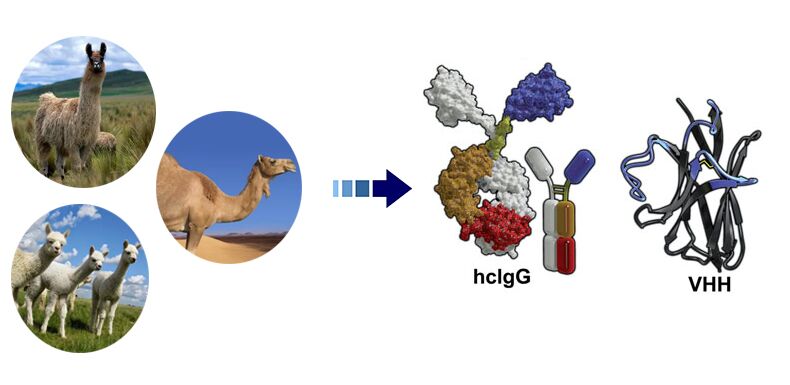
Creative Biolabs has been long-term devoted to the development and application of single domain antibody (sdAb). SdAb is an artificially designed antibody molecule, also known as VHH antibody or camelid antibody. To fill the gaps
in the field of PTM identification and detection, our scientists have built one-stop solutions for anti-PTM VHH antibody development for our clients all over the world.
Discovery and Development of Novel Anti-PTM VHH Antibodies
Post-translational modification (PTM) describes the modification process where proteins undergo covalent changes following their translation. Research has confirmed the existence of more than 30 distinct protein modification types. The processes that modify proteins after translation are critical to various cellular functions, including protein degradation and signal transduction as well as gene transcription regulation.
Currently, proteomics analysis is an important means to study PTMs, and anti-PTM antibodies have become an important tool. Therefore, the development of highly specific antibodies against PTMs is crucial and urgent. With unique small molecules (about 15 kDa) and stronger penetration, VHHs can recognize PTM sites more specifically and efficiently. Creative Biolabs can provide customized solutions to generate highly specific VHHs for different PTM sites.
Typical Pathway for PTM-specific VHH Antibody Development
Phase I Discovery
Target IdentificationMultiple target identification processes can be provided upon your request.
Features of One-Stop Anti-PTM VHH Antibody Development
Extensive experience in dealing with a variety of PTMs
Advanced technical platform
Fully customizable design to meet every specific demand
Fast turnaround time
Reliable lab report with timely update
Affordable price with the best quality
Creative Biolabs is a leading service provider that focuses on novel VHH discovery and development. We are pleased to share our extensive experience and advanced platform to satisfy each of your specific demands. If you are interested
in generating high-specific anti-PTM VHHs, please do not hesitate to contact us for more details.
Case Study
In this case, a soluble protein was used as an antigen to immunize a camel and develop specific single domain antibodies. After five injections, a good immune response was obtained, and then an immune library with a capacity of more than 108 was constructed. After three rounds of bio-panning, 35 specific clones were obtained and verified by soluble ELISA.
Figure 1. 3rd titration results.
After the whole injections, blood was collected and titered to assess the immune response. As shown in the figure, the third titer was over 1:25,600, which means a good immune response.
Figure 2. Process monitoring of library screening stage.
We then performed the solid-phase screening strategy in which the target was immobilized on the plate surface. After three rounds of biopanning, good enrichment was observed.
Figure 3. Summary of DNA sequencing and QC soluble ELISA.
For this target, we finally obtained 35 unique clones DNA sequencing. The validation of QC soluble ELISA was also performed.
Published Data
Identification and Development of a Selective VHH against NitroTyr-Modified Proteins
Fig. 1 Development and Analysis of Immunized Camelid's Serum for VHH Identification.1
This study examines the potential of a selective VHH to target 3-nitrotyrosine (nitroTyr) modified proteins, which is a crucial step in developing therapeutics for oxidative stress-related diseases. The researchers synthesized several nitroTyr-modified
14-3-3 signaling proteins using genetic code expansion (GCE) and immunized an alpaca with these nitrated immunogens to generate VHHs that specifically target nitroTyr-proteins. Following the library generation and phage display selections, they successfully
identified a specific VHH, Nb-G5. Nb-G5 displays selective recognition of nitroTyr-modified 14-3-3 proteins even in highly proteinaceous solutions. In this proof-of-concept study, researchers create a VHH that is highly selective for a 3-nitrotyrosine
(nitroTyr) modified version of the 14-3-3 signaling protein, with decreased recognition of nitroTyr in other protein settings. This advancement paves the way for the GCE-facilitated development of more anti-PTM VHHs.
Associated Services
Reference
Van Fossen, Elise M., et al., "Creating a Selective Single Domain Antibodies Against 3-Nitrotyrosine Containing Proteins." Frontiers in Chemistry 10 (2022): 835229. Distributed under Open Access License CC BY 4.0, without modification.
FAQ
1. What are anti-PTM VHH antibodies?
Anti-PTM VHH antibodies are sdAbs that identify and bind to proteins with post-translational modifications. PTMs include phosphorylation, methylation, acetylation, ubiquitination, and glycosylation, among others, which occur after proteins
are synthesized. These alterations can have an impact on protein function, stability, localization, and interactions with other molecules. VHHs, sometimes called single domain antibodies, are the smallest functional antibody fragments
generated from camelid antibodies.
2. Why are VHH antibodies particularly suitable for targeting PTMs?
VHH antibodies are ideal for targeting PTMs because of their small size (~ 15 kDa), excellent stability, and durability in many circumstances. This enables them to access and recognize epitopes in proteins that are typically inaccessible to the bigger
conventional antibodies. VHH antibodies are highly specific and effective at differentiating between modified and unmodified proteins.
3. How can anti-PTM VHH antibodies contribute to personalized medicine?
In tailored therapy, anti-PTM VHH antibodies provide different methods for identifying and measuring PTMs, which differ from person to person and from disease to disease. It can help diagnose diseases more accurately, track disease progression more precisely,
and tailor treatments to people's molecular profiles. Anti-PTM VHH antibodies could also be used to develop tailored treatments that target aberrant PTMs that are associated with specific illnesses.
4. What is the impact of anti-PTM VHH antibodies on the study of proteomics?
Anti-PTM VHH antibodies have a significant impact on proteomics since they are extensively used for studying PTMs within the proteome comprehensively. They also enable precise mapping and quantification of PTMs on proteins, improving our understanding
of their functional role in cellular processes. This can help investigate and uncover new biomarkers and therapy targets while also clarifying disease mechanisms.
5. What future developments can be expected in the field of anti-PTM VHHs?
In the future, anti-PTM VHHs are expected to be discovered with more accuracy in a shorter period, including advances in computational modeling and artificial intelligence to predict high-affinity binding domains. Additionally, their applications can
be broadened by both improving humanization methods to minimize immunogenicity for therapeutic use and expanding the range of detectable PTMs. Integration with advanced imaging technologies and novel delivery systems for in vivo applications could revolutionize both research and clinical diagnostics.










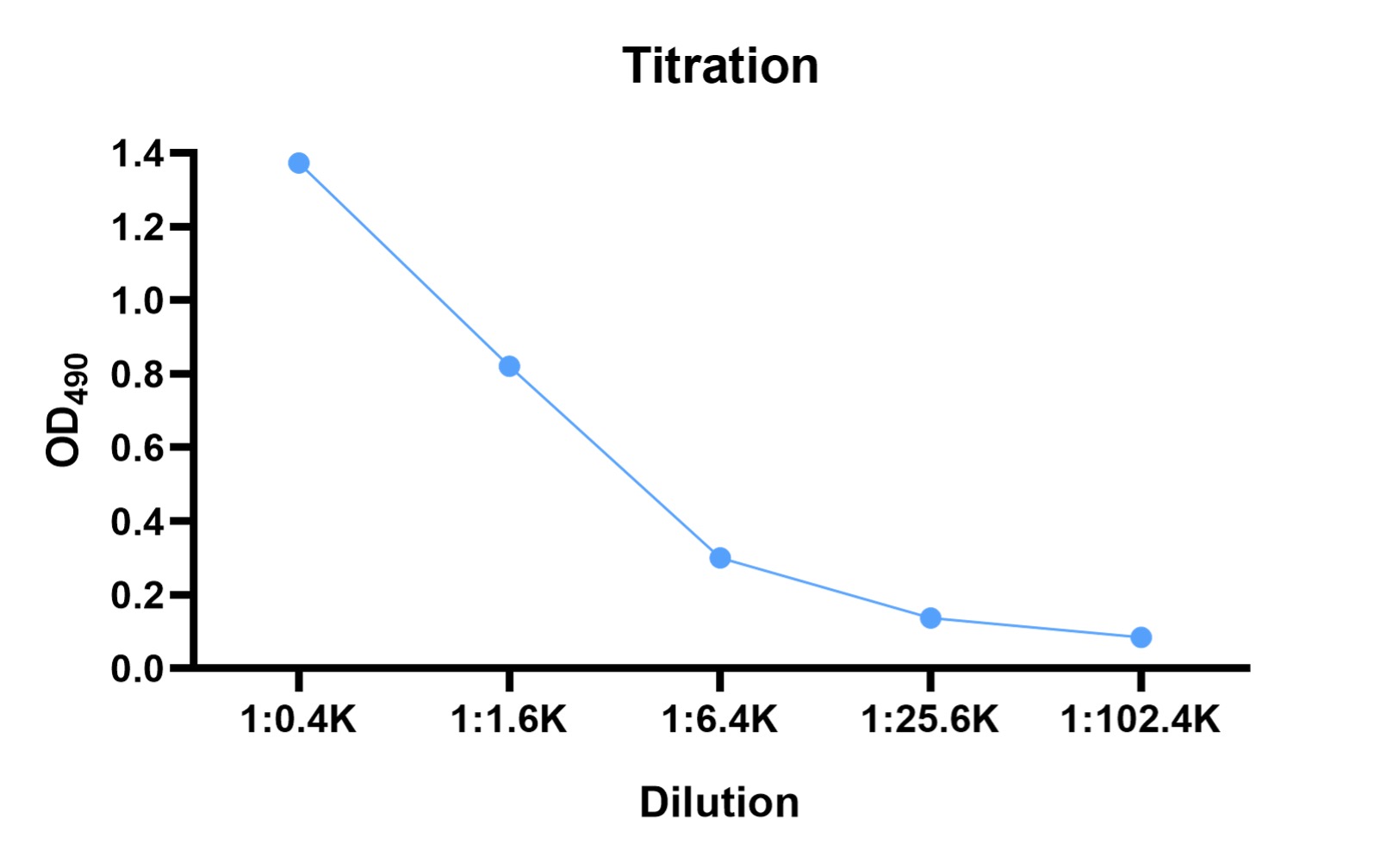 Figure 1. 3rd titration results.
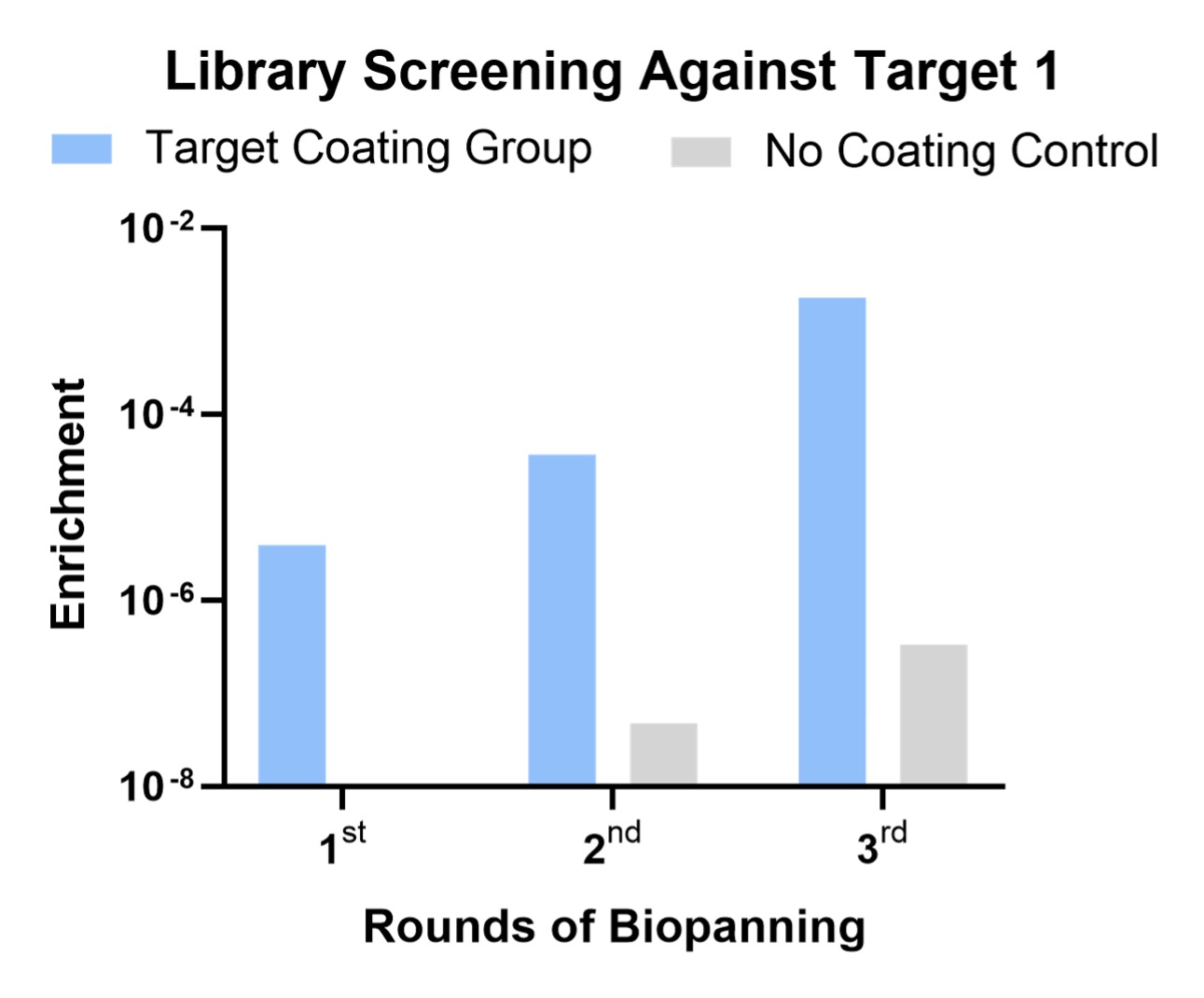 Figure 2. Process monitoring of library screening stage.
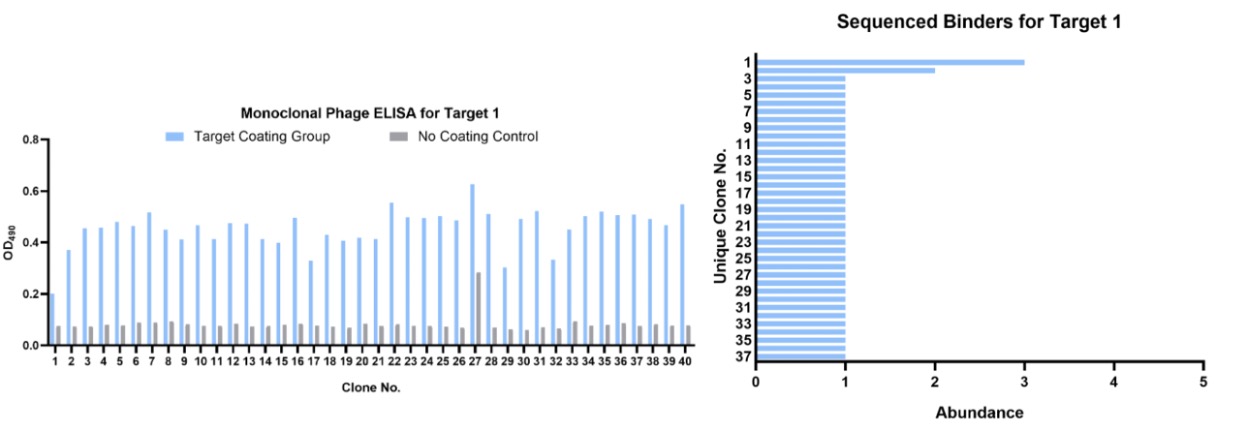 Figure 3. Summary of DNA sequencing and QC soluble ELISA.
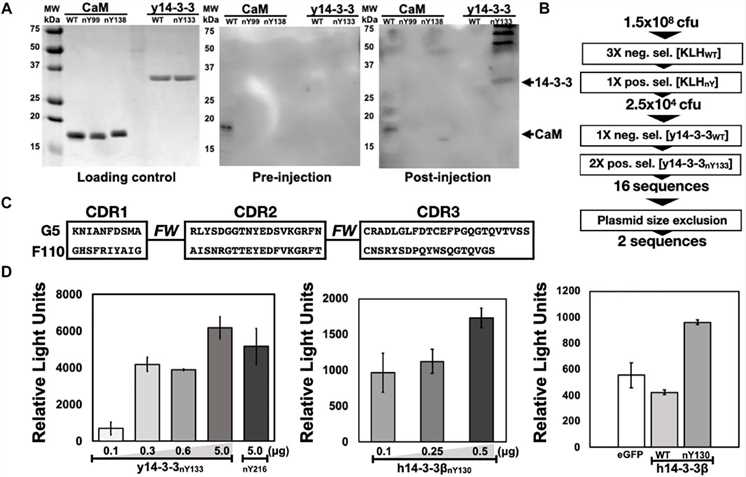 Fig. 1 Development and Analysis of Immunized Camelid's Serum for VHH Identification.1