Human Leukemia Cell HL-60-based Proliferation Assay Service
Introduction
Leukemia, a malignant neoplasm of the blood-forming tissues, has been a focal point of cancer research due to its high mortality and prevalence. Among various models, the human leukemia HL-60 cell line, derived from a patient with acute promyelocytic leukemia, has emerged as a quintessential tool for studying leukemia biology and drug discovery. Creative Biolabs, with over 20 years of industry experience, has developed robust and efficient HL-60-based proliferation assays to enhance the accuracy and efficiency of leukemia research.
HL-60-based Proliferation Assay at Creative Biolabs
At Creative Biolabs, we specialize in offering robust and precise HL-60-based proliferation assays that comply with high industry standards, enhancing research accuracy and reliability. Our methodologies are primarily designed to provide reliable, reproducible, and high-throughput screening solutions, which are essential for evaluating potential therapeutic agents against leukemia. We offer a variety of assay types, including but not limited to the following:
ATP-monitoring assays are integral to our proliferation assay repertoire. These assays leverage the quantification of ATP levels to precisely measure cell viability and proliferation rates, offering significant sensitivity and a wide dynamic range.
Kinase activity is a fundamental aspect of cell proliferation and signal transduction. Our kinase assays effectively gauge the influence of various compounds on kinase activity, thereby elucidating their potential to modulate cell growth.
Our reporter gene assays employ luciferase, enabling the study of transcriptional activity related to proliferation. This is critical in understanding gene regulation and the efficacy of gene-modulating therapeutic agents.
Featured Luminescence-based HL-60 Proliferation Assays
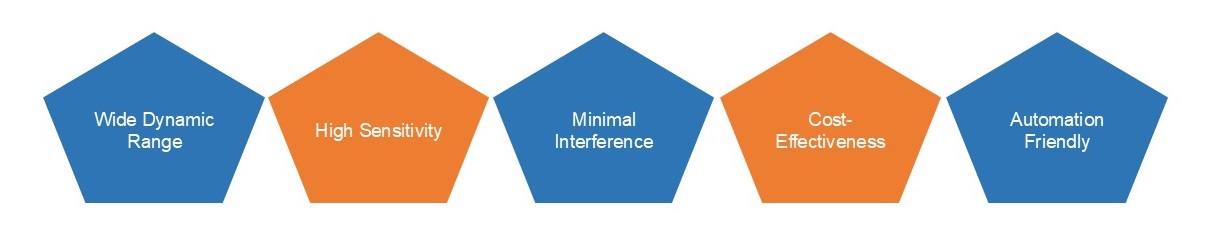
Among these techniques, our luminescence-based proliferation assays stand out due to their enhanced sensitivity, minimal interference, and broad dynamic range. Using microplate formats, these assays are designed for high-throughput applications, making them perfect for large-scale drug screening and pharmacological studies.
This assay involves the use of luminescent markers that indicate the molarity of ATP, a reliable marker of cellular proliferation, or luciferase-based reporter systems, which offer high sensitivity. Our well-developed methodologies allow for the determination of key pharmacological metrics such as GI50, TGI, and LC50, crucial in evaluating the potency of therapeutic compounds.
Sample Compatibility
Creative Biolabs ensures compatibility with a wide range of test samples and generally recommends that customers provide the following requirements for thorough screening:
-
Screening Requires: 25 μl of 10 mM stock or 1 mg (pre-weighed)
-
Dose Response: 60 μl of 10 mM stock or 1 mg (pre-weighed)
Highlights of Our Service
Scientific Backing
There are several scientific researches have extensively validated the use of HL-60 cells for studying leukemias.
|
Summary
|
A study showed that crocin, a carotenoid from saffron extract, exhibits considerable anti-tumor activity against HL-60 cells both in vitro and in vivo. Studies have demonstrated crocin's ability to inhibit cell proliferation and induce apoptosis via modulating the expression of apoptotic markers like Bcl-2 and Bax. These exciting findings substantiate the potency of HL-60-based assays in uncovering therapeutic potential and mechanistic pathways of anti-cancer compounds.
|
|
Result
|
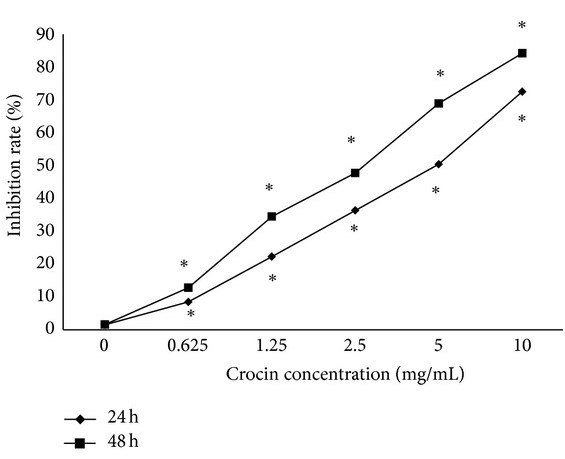
Fig.1 Proliferation inhibition of Crocin in HL-60 cells in a dose-and time-dependent manner.1
|
Frequently Asked Questions
Q1: How do luminescence assays compare to traditional methods?
A1: Luminescence assays outperform traditional fluorescence methods by offering greater sensitivity, reduced interference, and simpler automation, making them ideal for high-throughput screenings.
Q2: Are luminescence assays suitable for all types of compounds?
A2: Yes, our assays are adaptable and can screen a wide array of compounds, allowing for comprehensive analysis in different stages of drug development.
Creative Biolabs leverages its deep industry experience and sophisticated assay technologies to provide unparalleled HL-60 cell-based proliferation assays. These assays are instrumental in advancing leukemia research and accelerating the development of novel therapeutics.
Reference
-
Sun, Yan, et al. "Crocin exhibits antitumor effects on human leukemia HL‐60 cells in vitro and in vivo." Evidence‐Based Complementary and Alternative Medicine 2013.1 (2013): 690164. Distributed under Open Access License CC BY 4.0, without modification.
For Research Use Only | Not For Clinical Use


 Download our brochure