Insulin Release Assay Service
Understanding Insulin and Metabolic Diseases
Insulin plays a crucial role in regulating glucose levels in the blood, making it an essential hormone for maintaining metabolic homeostasis. Dysregulation of insulin production or its signal transduction pathway can lead to metabolic diseases such as diabetes mellitus. Type 1 and 2 diabetes represent major global health challenges, affecting millions of people worldwide. Consequently, understanding the precise mechanisms governing insulin release is paramount in developing effective treatments for diabetes and other metabolic disorders. Insulin release assay is crucial for researchers and pharmaceutical companies to thoroughly investigate how different compounds influence insulin secretion. At Creative Biolabs, we proudly offer a specialized insulin release assay service designed to accurately evaluate the impact of potential agonists and antagonists on insulin production.
Insulin Release Assay Services at Creative Biolabs
At Creative Biolabs, we are dedicated to advancing scientific research with our specialized insulin release assay service, designed to evaluate the efficacy of agonists or antagonists in modulating insulin secretion. Our cutting-edge approach employs Time-Resolved Fluorescence Resonance Energy Transfer (TR-FRET) to detect and quantify insulin levels with high sensitivity and precision. This sophisticated assay technology provides crucial insights into the pharmacodynamics of potential therapeutic compounds, thereby supporting drug development processes and enhancing our understanding of diabetes and metabolic disorders. Partner with Creative Biolabs to leverage our expertise and innovative methodologies for your research and development needs.
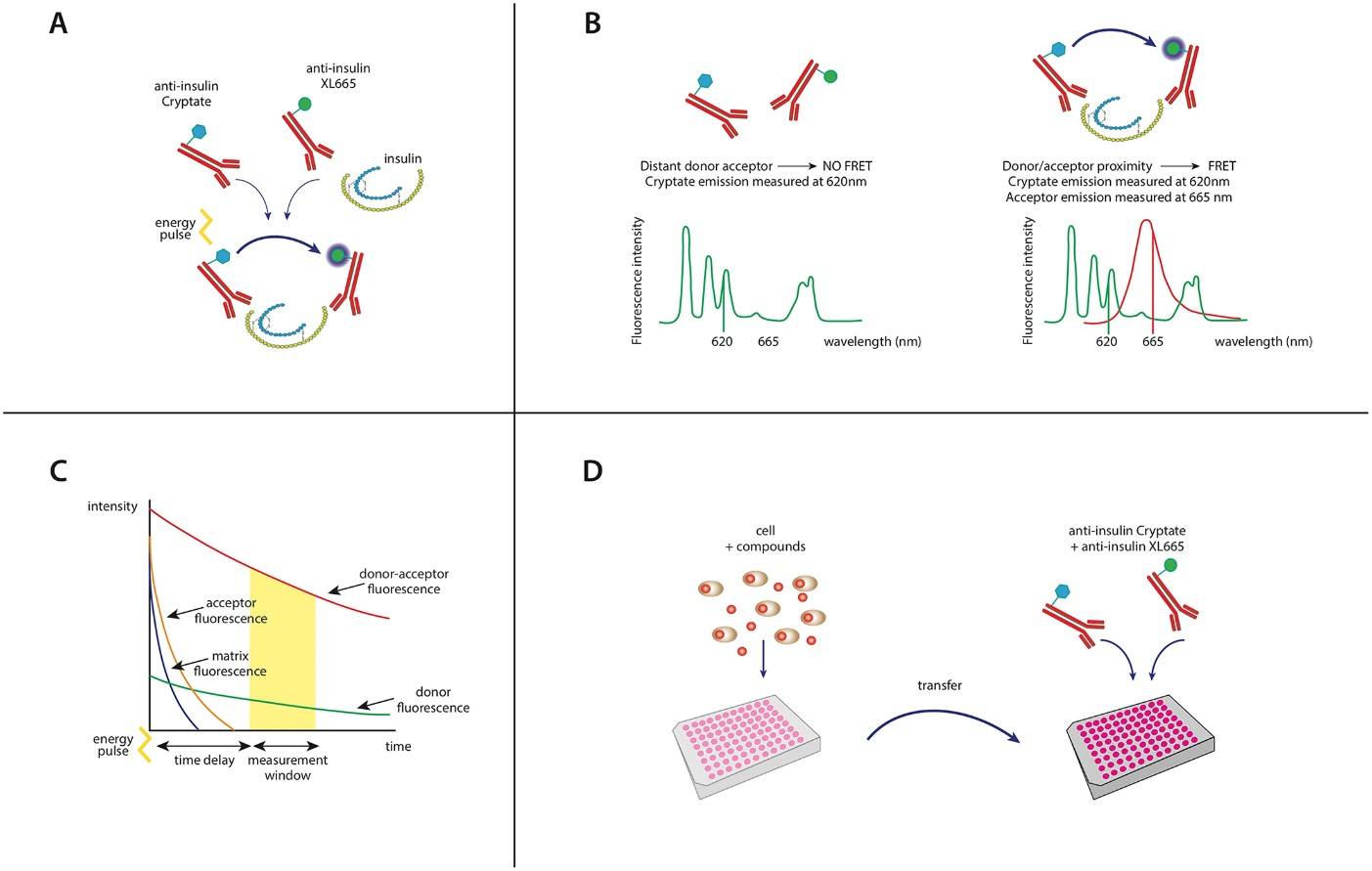 Fig.1 A fluorescence-based insulin assay.1
Protocol
|
Assay Type:
|
Cell-based insulin release
|
|
Detection:
|
Insulin
|
|
Cell Type:
|
HIT-T15
|
|
Functional Mode:
|
Agonist / Antagonist
|
|
Detection Method:
|
TR-FRET
|
|
Measured Response:
|
Fluorescence
|
|
Control Inhibitor:
|
Somatostatin-14
|
|
Control Activator:
|
D-Glucose
|
Detailed Workflow
-
Cell Preparation: We use hamster HIT-T15 cells for our assay, which are well-documented for their relevance in studying insulin secretion. These cells are cultured and maintained under optimal conditions to ensure experimental consistency and accuracy.
-
Incubation Conditions: The cells (1 x 10⁶ cells/ml), mixed with either the test compound or vehicle, are incubated at 37°C for 90 minutes. This incubation condition is critical for allowing the cells to respond to the compound in an environment that closely mimics physiological conditions.
-
Assessment of Insulin Release: Post-incubation, the levels of insulin released by the cells are measured using the TR-FRET method, which provides high sensitivity and specificity in measuring insulin concentrations.
-
Data Interpretation
Agonist Activity: A test compound-induced increase in insulin secretion by 50 percent or more (≥50%) relative to the response induced by 100 mM glucose suggests potential agonist activity.
Antagonist Activity: Conversely, a test compound-induced inhibition of insulin secretion stimulated by 10 mM glucose by 50 percent or more (≥50%) indicates antagonist activity. This suggests the compound could hinder insulin release.
Reference
-
Farino, Zachary J., et al. "Development of a rapid insulin assay by homogenous time-resolved fluorescence." PLoS One 11.2 (2016): e0148684. Distributed under Open Access license CC BY 4.0, without modification.
For Research Use Only | Not For Clinical Use


 Download our brochure