Bispecific antibody (BsAb), produced via molecular approaches, is now a therapeutic protein. Creative Biolabs' proprietary BsAb technology offers flexible platforms and valuable options, overcoming drug development challenges and providing attractive tumor therapeutics.
Learn More →Phage Display based Antibody Discovery Service
Background Workflow Publication Why Choose Us FAQs Customer Review Related Services Contact Us
Phage Display: Accelerate Your Biotherapeutic Discovery!
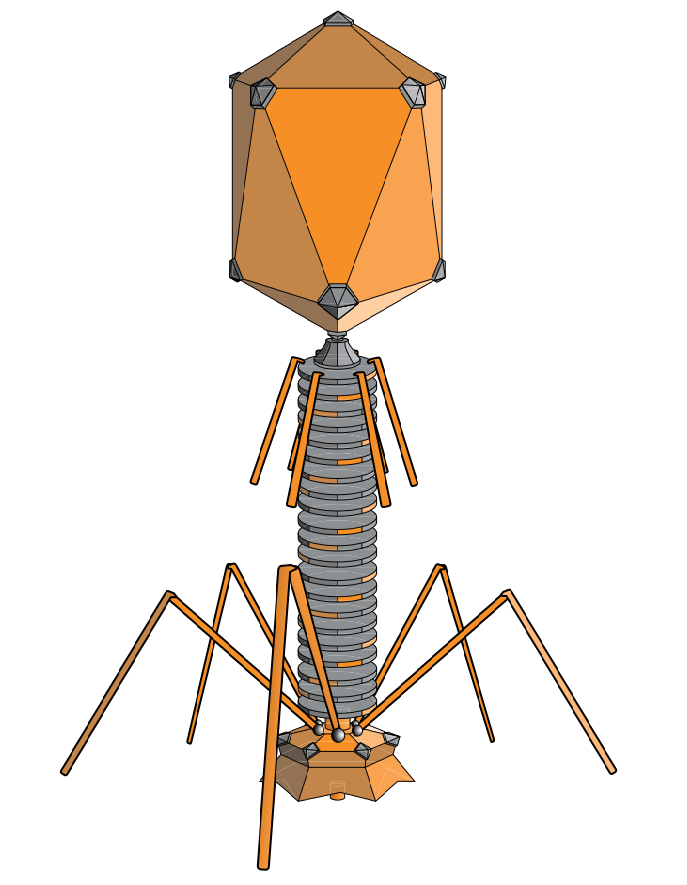 Distributed under CC BY-SA 3.0, from Wiki, without modification.
The phage display technology is a valuable approach in the biomedical field that offers a rapid, efficient, and inexpensive tool for detecting protein-protein interactions, investigating receptor binding sites, identifying epitopes, mimotopes, as well as functional sites of antigens. Due to its high flexibility, this technique has become an attractive target for scientists, and methods based on phage display allow for to exploration of the mechanisms of diseases, improve diagnostic capability, and design potential agents for therapeutics.
Phage display is a completely random process. In Creative Biolabs, we are able to construct large repertoires of antibodies (109-1012), which are displayed on the surface of filamentous phages, and from which peptides or proteins with desired properties can be screened for the development of drugs, vaccines, and reagents. Finally, they are decoded by the sequencing of phage DNA.
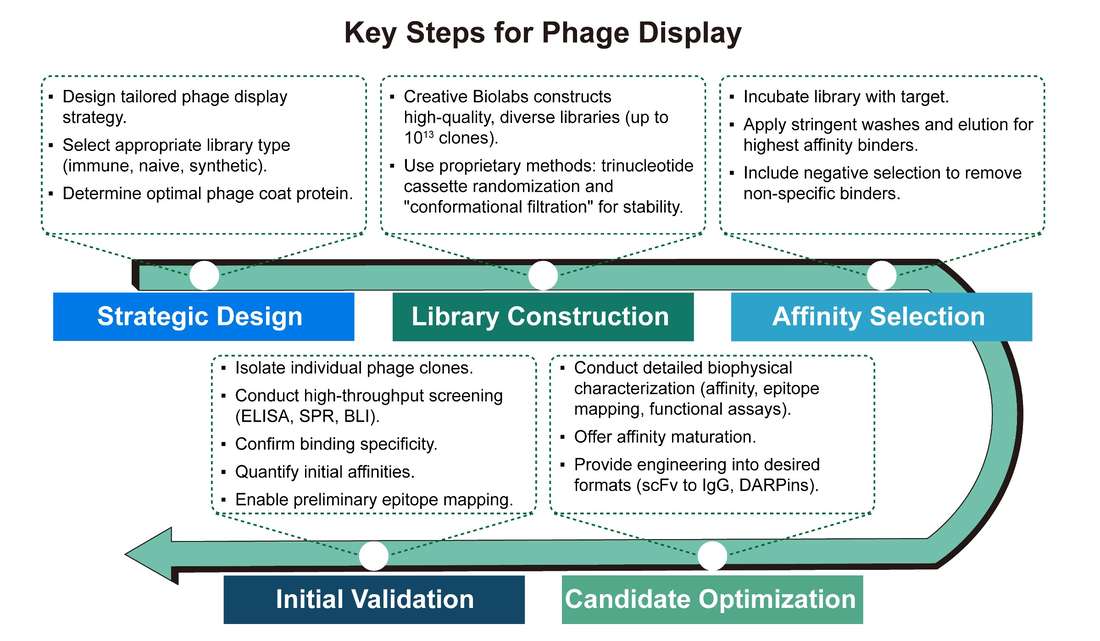
Workflow for Phage Display
Our phage display workflow is meticulously designed for clarity, efficiency, and optimal results, making it suitable for visualization as a flowchart.
Required Starting Materials:
- Target molecule: Purified protein, cell lines, complex biological samples, or non-organic substances (metals, toxins).
- Project goals: Clearly defined objectives like desired binding affinity, specificity, cross-reactivity, epitope mapping, and intended downstream applications.
- Background information: Any existing data on the target, known binding partners, or previous screening attempts.
Final Deliverables:
- Sequenced binder clones: Genetic sequences for production.
- Binding affinity data: Quantitative data (e.g., KD values) and specificity profiles for lead selection.
- Purified protein/antibody fragments: Gram-scale quantities of purified lead candidates in the desired format.
- Comprehensive project report: Detailed summary of experimental procedures, results, and analysis.
Publication
This publication details the design of an artificial phage-display library utilizing a novel scaffold, the thermostable CheY protein, to enhance the average stability of randomized proteins. The authors developed an original approach that addresses the challenge of balancing library diversity with protein stability. Their method involves a "conformational filtration" strategy, which selects a subset of correctly folded proteins from an initial library, followed by a gene shuffling procedure to recombine these filtered sequences. This innovative approach enriches the final library (Lib-Cheytins 2.1) with folded and stable variants while preserving diversity. The study demonstrates the successful application of this improved library in identifying specific binders, including an inhibitor for the Oplophorus luciferase Kaz domain, showing its potential for generating functional protein reagents.
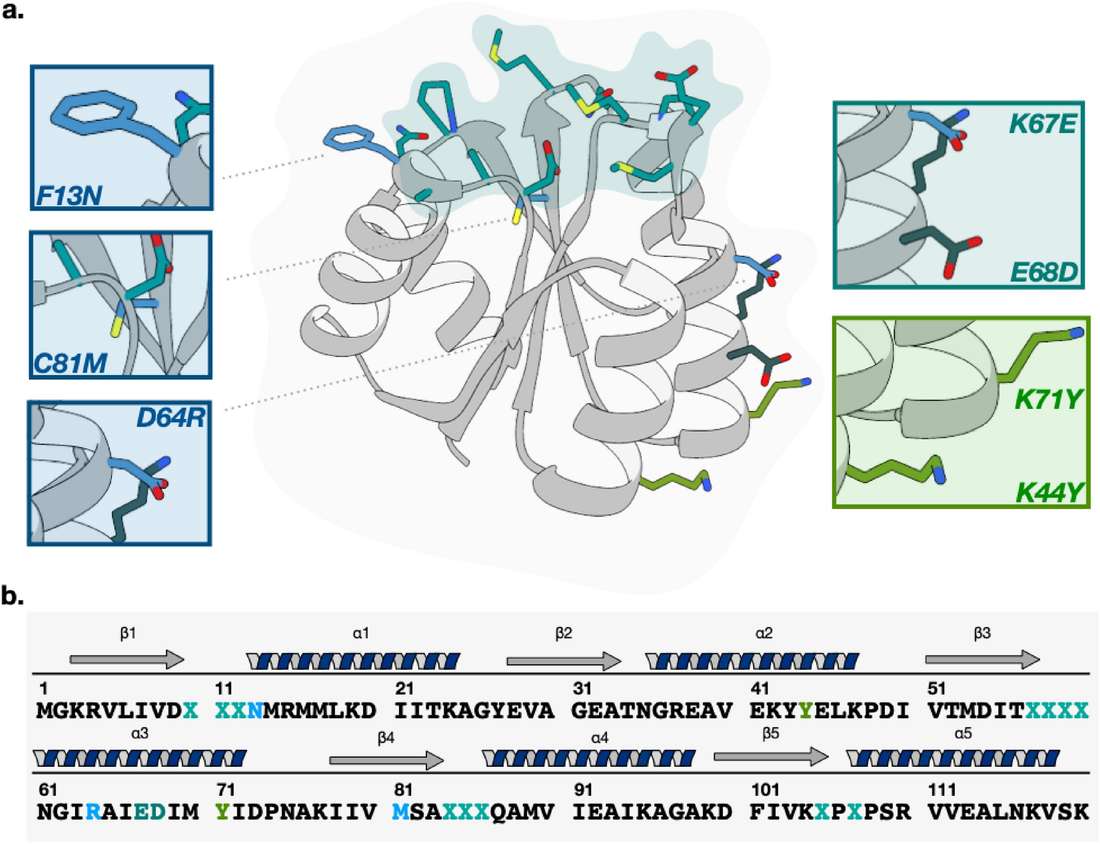 Fig.1 Architecture and design of the Cheytins library.1
Why Choose Us?
Choosing Creative Biolabs means leveraging over 10 years of specialized expertise and state-of-the-art facilities, driven by a commitment to innovation, quality, and client success. Their deep scientific knowledge, honed over the years, enables them to tackle the most challenging targets, including complex cell surface receptors and poorly immunogenic antigens.
Creative Biolabs integrates cutting-edge technologies like next-generation sequencing for deep library characterization and automation for increased throughput, ensuring superior results. Their innovative "conformational filtration" approach generates libraries enriched in stable, folded variants, critical for biotherapeutic developability. Creative Biolabs' one-stop service, covering initial library design to binder engineering, streamlines research and accelerates discovery.
Contact Our Team for More Information and to Discuss Your Project.
FAQs
Q1: What kind of targets are most suitable for phage display, especially challenging ones?
A1: Phage display is exceptionally well-suited for a wide array of targets, including those that are difficult for traditional methods. This includes poorly immunogenic antigens, toxic targets, cell surface receptors, and even complex structures like whole cells or viruses. Our in vitro selection process bypasses the limitations of in vivo immunization.
Q2: Can Creative Biolabs assist with affinity maturation of identified binders?
A2: Yes. After initial binder identification, we offer comprehensive affinity maturation services. Through targeted mutagenesis and iterative selection rounds, we can significantly enhance the binding affinity of your lead candidates, optimizing them for their intended application.
Q3: Is it possible to develop multi-specific binders using phage display?
A3: Yes, phage display is an excellent platform for developing multi-specific binders, including bispecific antibodies or multi-valent protein scaffolds. We can engineer binders that recognize multiple epitopes or targets simultaneously, opening new avenues for complex therapeutic strategies.
Customer Review
-
Precise Epitope Mapping
Creative Biolabs' phage display was instrumental in precisely mapping the binding epitopes for our novel vaccine candidate. The detailed analysis provided insights into critical interaction sites, guiding our antigen design and improving vaccine efficacy. The clarity of their data and the scientific rigor were truly impressive, allowing us to confidently move forward with our preclinical studies. - Je L*g
-
Functional Enzyme Evolution
Our goal was to evolve an enzyme for enhanced catalytic activity under specific conditions. Creative Biolabs' phage display services, particularly their enzyme display capabilities, allowed us to screen millions of mutants and identify variants with significantly improved turnover rates. This directed evolution approach saved us immense time and resources compared to traditional mutagenesis and screening methods. The results were consistent and highly reproducible. - ML P*r
Related Services
To further support your research and development goals, Creative Biolabs offers a suite of complementary services that can seamlessly integrate with our mouse/rat hybridoma platform, providing a comprehensive solution for your antibody needs:
Bispecific Antibody
Cell Line Development Service
Stable cell lines are key for immunotherapy, drug screening, and gene studies. Creative Biolabs, with years of experience, offers customized stable cell line development services, including cell line generation, process generation, cell banking, and analysis.
Learn More →Contact Us
If you are interested in our phage display services or other multifunctional platforms, please contact us for more details.
Reference
- Gomes, M., et al. "Design of an artificial phage-display library based on a new scaffold improved for average stability of the randomized proteins." Scientific Reports 13.1 (2023): 1339. Distributed under Open Access license CC BY 4.0, without modification. DOI: https://doi.org/10.1038/s41598-023-27710-4
 Download our brochure
Loading case studies...
Online Inquiry