Hapten-carrier conjugate immunization is an important tool for generating hapten-specific antibodies for analysis and discovery of basic vaccine immune mechanisms. Creative Biolabs offers a broad range of hapten-carrier conjugates for use in immunological applications.
Introduction of Hapten-Carrier Conjugates
Haptens are small chemical groups that cannot stimulate antibody responses in a freely soluble form because they cannot cross-connect to B cell receptors or recruit T cells to help. However, when combined with the carrier protein, they will be immunogenic.
Since the protein carries multiple hapten groups, these hapten groups can cross-link with B cell receptors and activate T cells through peptides of the carrier protein, thus providing the necessary help for B cells to produce antibodies. When immunized with hapten-carrier conjugate, the B cell receptor binds hapten and internalizes the hapten-carrier complex. The degradation of protein components mainly produces carrier-related peptides that bind to MHC class II molecules, and then present on the surface of B cells. T cells specific for MHC presented carrier-derived peptides will activate B cells to produce hapten- (and carrier-) specific antibodies.
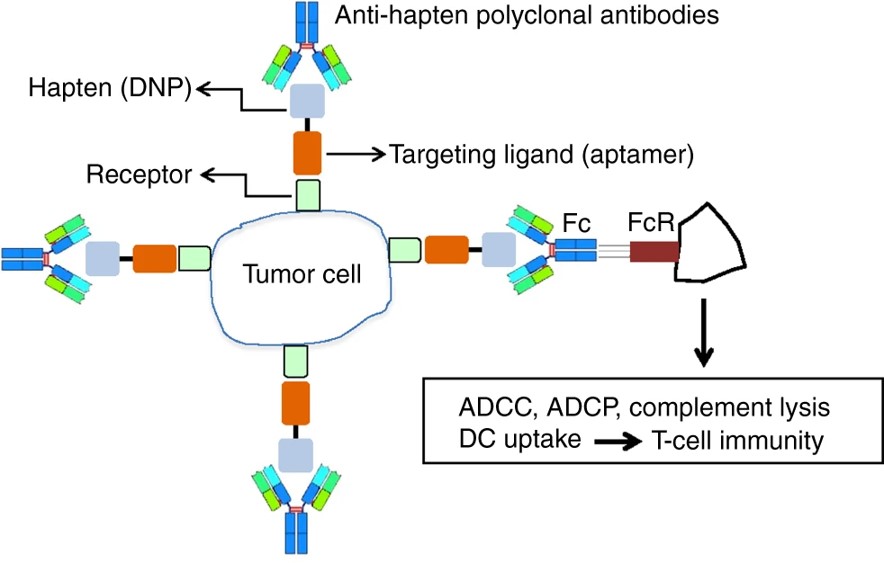 Fig.1 The antitumor immunity based on the hapten theory of antibody production.1
Design of Hapten-Carrier Conjugation
There are several approaches to conjugate the hapten to a carrier protein. The choice of which chemical coupling to use depends on the functional groups available on the hapten, the desired orientation and distance of the hapten from the carrier, and the possible impact of the conjugation on the biological and antigenic properties. For example, proteins and peptides have primary amines (N-terminal and side chains of lysine residues), carboxyl groups (C-terminal or side chains of aspartic acid and glutamic acid), and sulfhydryl groups (side chains of cysteine residues) can be used as the target of conjugation. Generally, many primary amines in carrier proteins are used to couple haptens via cross-linking agents.
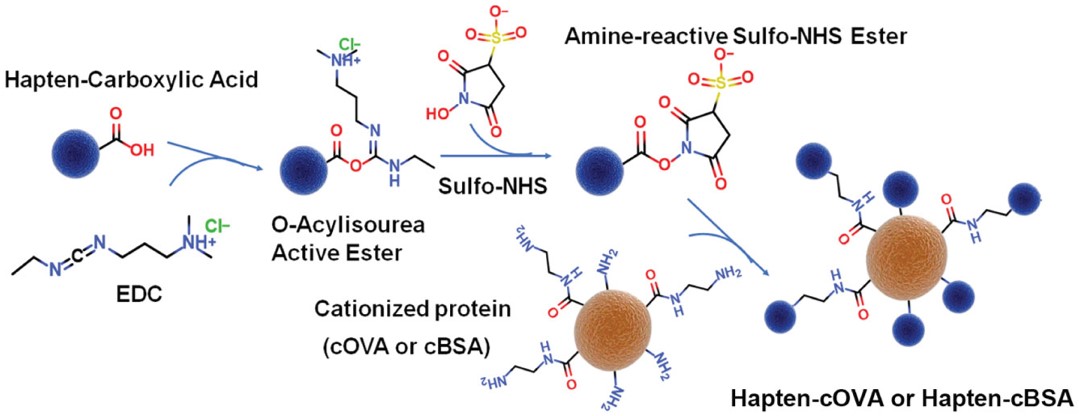 Fig.2 The process of preparation of hapten-carrier (hapten-cOVA or hapten-cBSA).2
Hapten-Carrier Conjugation Service
In the design of hapten-carrier conjugate, hapten, carrier, coupling strategy and hapten density must be considered, since the number of hapten attached to the carrier affects the intensity of immune response to the newly generated epitopes. Therefore, the haptenic density of conjugates is also very important in the development of immunoassay. The optimal epitope density of conjugates to induce a strong immune response or provide the best immunoassay depends on the structure and properties of epitopes in the immunoassay.
Based on our extensive experience in antibody production, Creative Biolabs' Native™ antibody discovery platform provides reasonable hapten conjugate design services and correct binding methods to provide efficient immunization. If you are interested in our services, please feel free to contact us for more details.
References
-
Schrand, Brett, et al. "Hapten-mediated recruitment of polyclonal antibodies to tumors engenders antitumor immunity." Nature communications 9.1 (2018): 3348. Distributed under Open Access license CC BY 4.0, without modification.
-
Han, Xiangning, et al. "Amide-containing neoepitopes: the key factor in the preparation of hapten-specific antibodies and a strategy to overcome." Frontiers in Immunology 14 (2023): 1144020. Distributed under Open Access license CC BY 4.0. The image was modified by extracting and using only part of the original image.
For Research Use Only. Not For Clinical Use.
Related Sections:
ONLINE INQUIRY


