
Service Details
Creative Biolabs provides a full spectrum of karyotyping approaches for iPSCs, from classical cytogenetics to next-generation sequencing. Each method has unique strengths, and we help clients select the best combination according to research goals, and budget.
In addition, we are dedicated to providing several viable and cost-effective characterization methods for iPSC pluripotency.
- Morphology of iPSC
- Teratoma formation assays for iPSC
- EB (embryoid body) formation and characterization for iPSC
- Gender determination of iPSC
- Electrophysiological characterization via multi-electrode array (MEA) for iPSC
- qPCR analysis for pluripotency markers for iPSC
- Pluripotency marker assays for iPSC
| Service | Details |
|---|---|
| Classical G-banding Karyotyping |
|
| FISH |
|
| SNP Array & CGH Array |
|
| NGS-Based Karyotyping |
|
| Deliverables and Reporting |
|
Service Highlights
We combine classic cytogenetic methods with cutting-edge molecular technologies to deliver a multi-layered view of chromosomal integrity.
- Traditional G-banding for large-scale chromosomal rearrangements.
- FISH for targeted resolution.
- SNP microarray & CGH for submicroscopic copy number variation detection.
- NGS-based karyotyping for high-resolution genome-wide mapping.
This tiered approach ensures no aberration is overlooked—from gross chromosomal translocations to subtle microdeletions.
Customization Options

Method Selection
Available options: G-banding / FISH / SNP/CGH Array / NGS / Combined packages
Best for labs seeking either basic QC or deep, regulator-ready analysis

Sample Flexibility
Available options: Low-input iPSCs, early-passage cells, patient-derived iPSCs, large-scale batch submissions
Best for academic labs, biobanks, pharma pipelines

Scalable Packages
Available options: Single-line validation, medium-scale (10–50 lines), large-scale (100+ lines)
Best for individual researchers, biobanks, pharma programs
Global Support & Communication
Our iPSC karyotyping service is designed to support clients across the globe, academic institutions, biobanks, biotech startups, and large pharmaceutical companies, ensuring seamless communication, transparent project management, and secure data delivery.
- Worldwide client coverage: We proudly serve clients in North America, Europe, Asia-Pacific, and beyond, offering the same level of consistency and quality across different regions.
- Dedicated project managers: The project manager will guide you through the sample submission and documentation. Arrange scientific consultations when deeper discussion is needed.
- Real-time communication channels: We provide multiple touchpoints to keep clients informed and connected. 24/7 support availability for urgent inquiries across different time zones.
Sample Submission Guidelines
We aim to make the submission process as simple and stress-free as possible. Creative Biolabs provides clear, step-by-step guidance to help you prepare, package, and ship your samples safely.
| Accepted Sample Types |
|
| Cell Quantity & Quality Requirements |
|
| Packaging & Shipping Instructions |
|
Applications of iPSC Karyotyping Services
Our iPSC karyotyping services are applied across diverse research and development pipelines, ensuring that every project is built on a foundation of genomic stability.
- Basic research: Ensure experimental reproducibility by confirming genomic stability.
- Disease modeling: Verify that chromosomal abnormalities do not interfere with phenotype interpretation.
- Drug screening: Prevent misinterpretation of drug responses caused by genomic drift.
- Cell therapy development: Fulfill regulatory requirements by documenting chromosomal integrity.
- Biobanking & repository QC: Certify that deposited iPSC lines meet international quality benchmarks.
Published Data
In a study, researchers differentiated iPSCs derived from individuals with DS (D-iPSCs) into neurons (D-iNs) and measured their Aβ production. To precisely evaluate the phenotype of iNs, they used D-iPSCs and an isogenic euploid control clone established from the D-iPSCs (E-iPSCs).
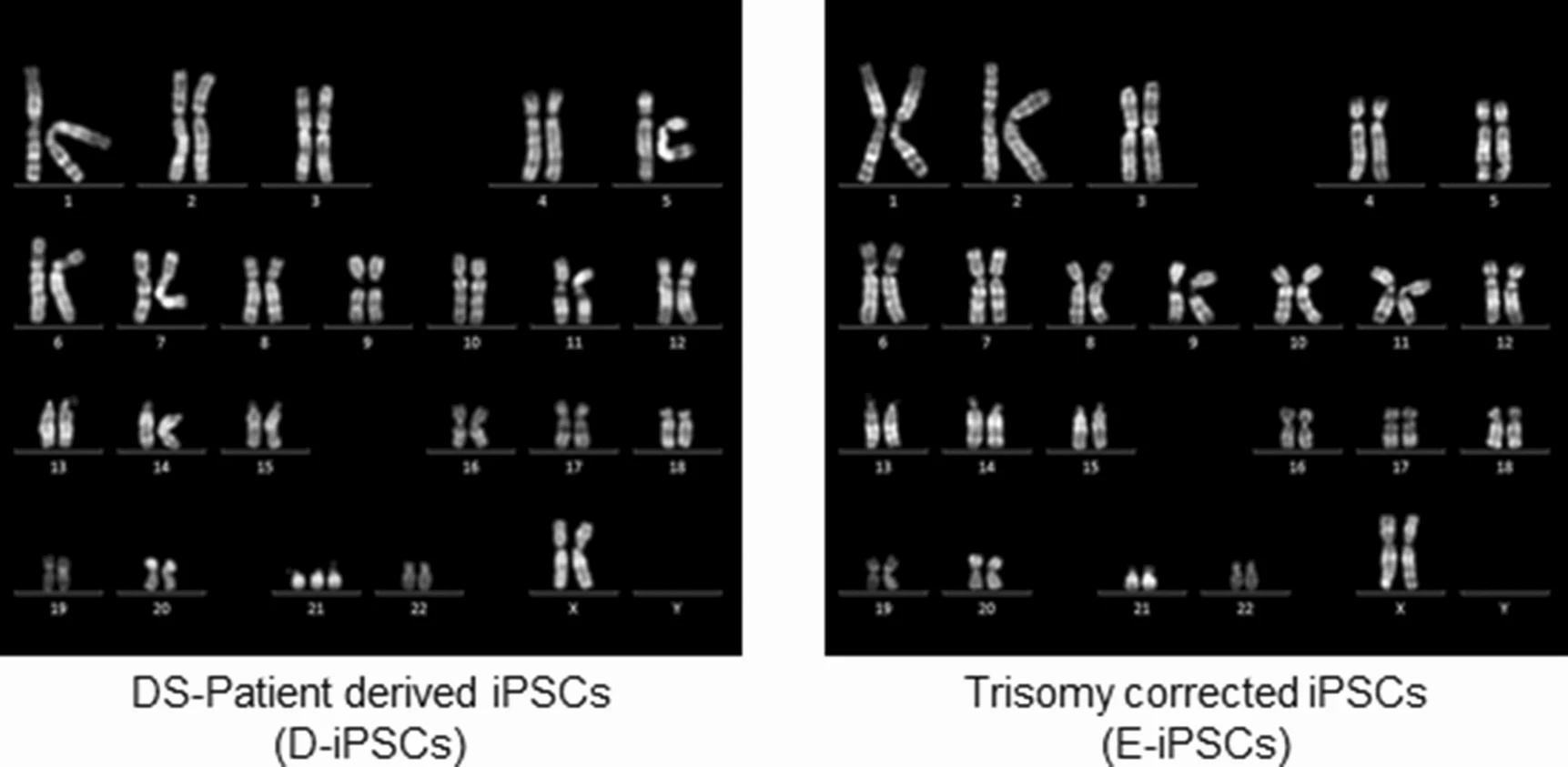 Fig. 1 Karyotype analysis of the iPSC clones.1,3
Researchers have developed a stem cell-specific aCGH microarray containing 135,000 probes, covering the entire genome at an average resolution of 15 kb. They monitored the genomic stability of a late-passage iPSC cell line using G-banding karyotyping and a custom microarray. Karyotyping revealed no abnormalities in the iPSC cell line. High-resolution aCGH analysis revealed nine subkaryotypic variants in the iPSC cell line, ranging in size from 1.5 kb to 595 kb.
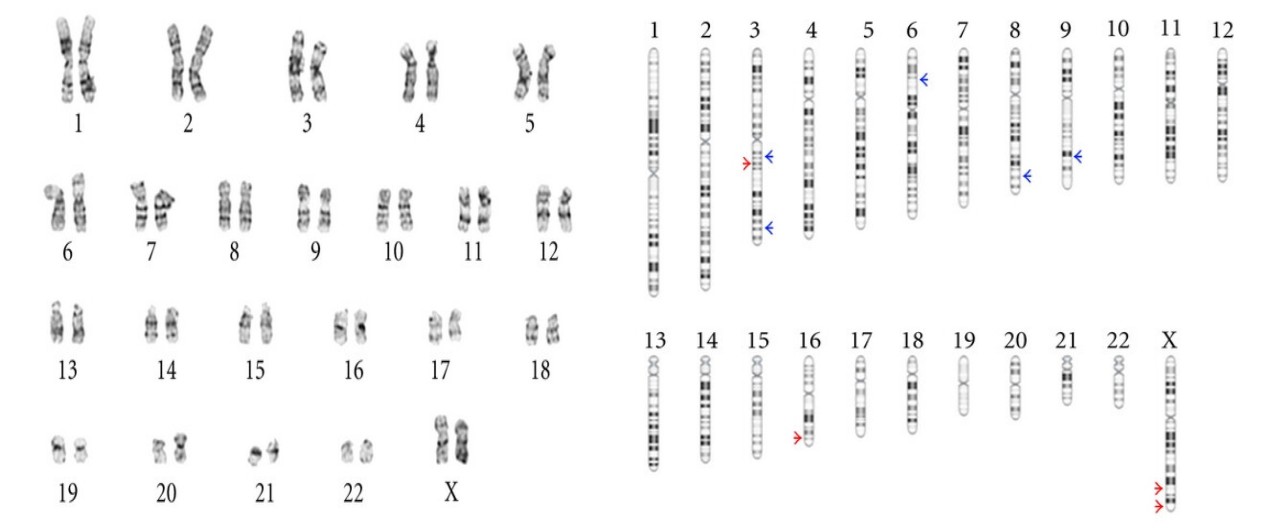 Fig. 2 Genomic stability profiling of a human iPSC line by karyotype analysis and the StemArray.2,4
FAQs
What types of samples can I submit for iPSC karyotyping?
We accept live iPSC cultures, frozen vials, or even early differentiated derivatives. Both feeder-dependent and feeder-free cultures are compatible. Our team will advise the best format based on your project stage and shipping convenience.
What abnormalities are commonly detected in iPSCs?
How long does the service usually take?
What happens if my iPSC line shows abnormalities?
How long does the service usually take?
How is pricing structured?
What Our Clients Say
"Creative Biolabs saved us months of work. Their karyotyping report flagged chromosomal abnormalities in two of our iPSC clones early on. Instead of wasting time on unstable lines, we were able to focus on the right ones."
— Principal Investigator
"We had very limited amounts of patient-derived iPSCs from a rare disease cohort. Creative Biolabs customized their workflow to accommodate our low-input samples without compromising quality."
— Translational Research Scientist
"Communication was seamless. We had weekly updates, quick responses to our queries, and secure access to interim data."
— Drug Discovery Team
"Creative Biolabs provided karyotyping for over 150 donor-derived iPSC lines, and their detailed reports helped us certify lines before sharing them with collaborators."
— Stem Cell Biobank Director
Get Started with Confidence







1. Contact Us
via the Inquiry Form or Email
2. Define Your Needs
Cell Type, Function, Quantity, Modifications
3. Kickstart the Project
Our Expert Team Guiding Every Step
With Creative Biolabs' iPSC karyotyping services, you gain not only high-quality cytogenetic data but also a trusted partner to support your stem cell research journey. From fundamental research to iPSC development, our expertise ensures that every cell line you rely on is built on a foundation of genomic stability.
Get in touch for a free consultation or project quote today.
References
- Elliott, Aaron M., Kristi A. Hohenstein Elliott, and Anja Kammesheidt. "High‐Resolution Genomic Profiling of Chromosomal Abnormalities in Human Stem Cells Using the 135 K StemArray." Stem Cells International 2012.1 (2012): 431534. https://doi.org/10.1155/2012/431534
- Toshikawa, Hiromitsu, et al. "N-Acetylcysteine prevents amyloid-β secretion in neurons derived from human pluripotent stem cells with trisomy 21." Scientific Reports 11.1 (2021): 17377. https://doi.org/10.1038/s41598-021-96697-7
- Distributed under Open Access license CC BY 4.0, without modification.
- Distributed under Open Access license CC BY 3.0, without modification.
Created August 2025