
Veterinary (Pet) Therapeutic Antibody Evaluation Services

Creative Biolabs provides species-aware in vitro and in vivo evaluation services for canine and feline therapeutic antibody candidates, helping animal health teams characterize binding, specificity, biological activity, safety-related endpoints, PK/PD behavior, and decision-ready preclinical evidence.

Service Overview

Species-Relevant Evaluation for Pet Therapeutic Antibody Candidates

Creative Biolabs supports the evaluation of antibody candidates intended for canine and feline applications through tailored study designs that connect target biology, species-specific reagents, functional assays, model selection, and data interpretation. Programs can begin with purified antibody, hybridoma material, sequence information, or a partially characterized lead and are configured around mechanism of action, indication, target species, dosing intent, and available assays.

Our service scope includes binding and specificity testing, cross-reactivity assessment, functional potency assays, Fc-mediated effector function studies, PK/PD-oriented analysis, safety-related observations, immunogenicity considerations, and integrated reporting. The goal is to generate practical evidence that helps project teams prioritize candidates, refine study strategy, and plan the next stage of veterinary biologics development.

  • Evaluation plans customized for dog and cat therapeutic antibody programs.
  • Integrated in vitro, ex vivo, and fit-for-purpose in vivo study options.
  • Reports designed for internal candidate selection and preclinical development planning.
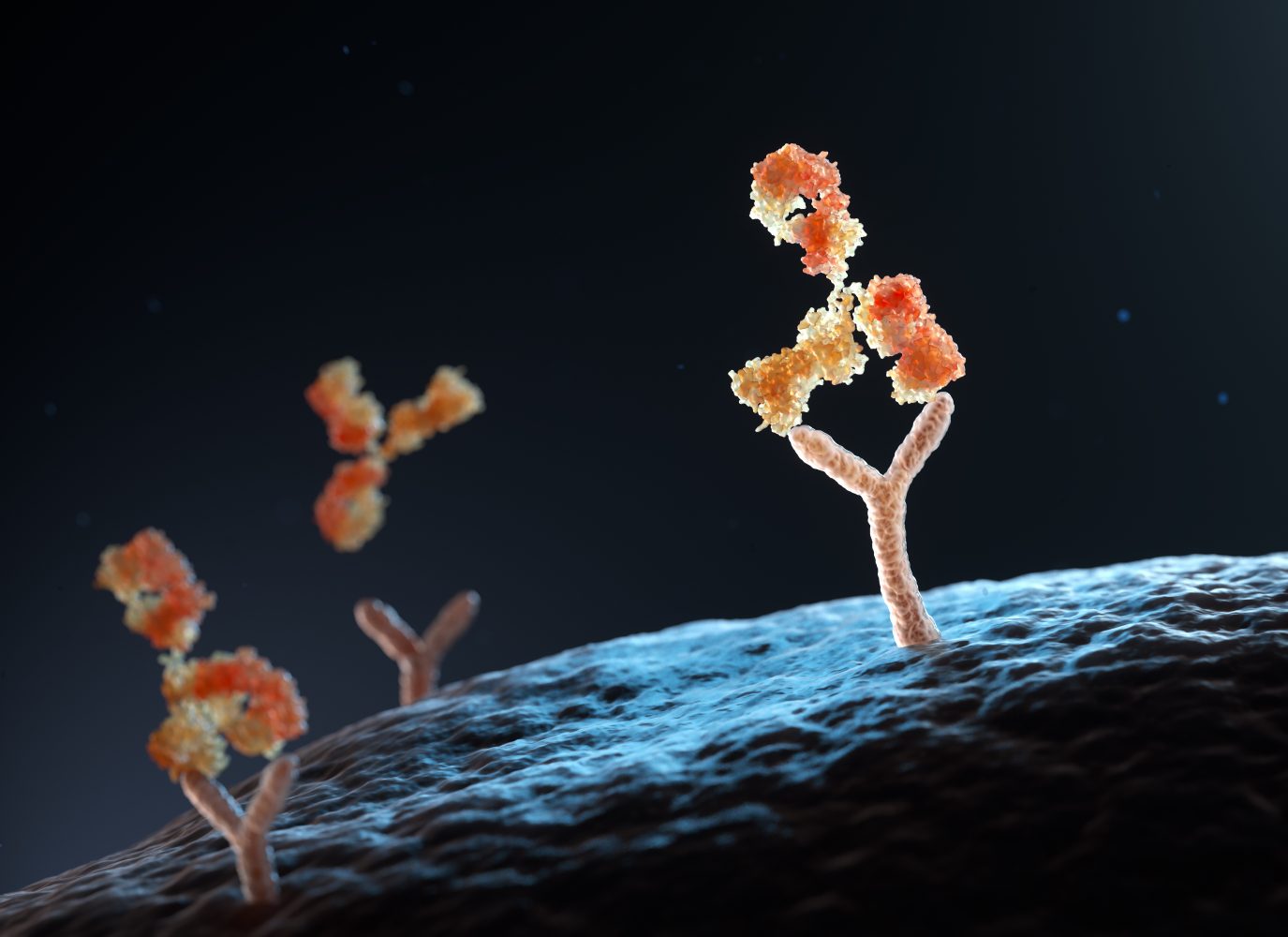
Veterinary therapeutic antibody evaluation overview for canine and feline research programs
Service Scope

In Vitro and In Vivo Therapeutic Antibody Evaluation Services

Evaluation programs are tailored to the biological question, stage of development, and species context. Creative Biolabs can support early screening, lead comparison, mechanism confirmation, and model-based evaluation for canine and feline therapeutic antibody candidates.

Service modules for canine and feline therapeutic antibody evaluation
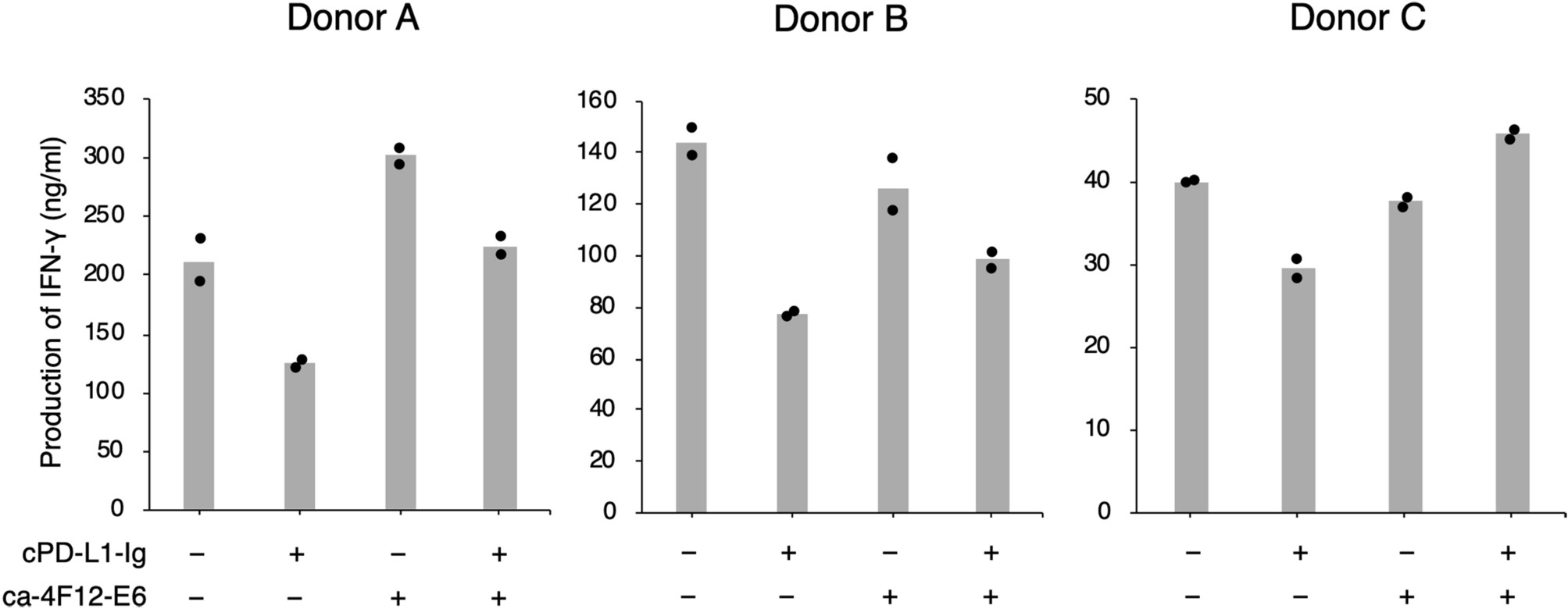
Fig. 1 PBMCs in vitro assay of caninized anti-PD-1 antibody showing the suppression of IFN-γ.1,2

Species-Specific In Vitro Evaluation

We develop, adapt, and execute assays using canine or feline targets, cells, reagents, and readouts to characterize the functional profile of antibody candidates before model-based studies.

  • Binding assays by ELISA, SPR, flow cytometry, or cell-based formats.
  • Specificity, cross-reactivity, receptor-blocking, neutralization, and pathway assays.
  • Cell proliferation, apoptosis, cytokine, signaling, and functional potency readouts.
  • Fc-mediated effector function assays such as ADCC, CDC, or ADCP when relevant.
  • Species-relevant reagents, including recombinant pet antigens, cell lines, primary cells, or organoids.
In Vivo Model Preparation and Evaluation

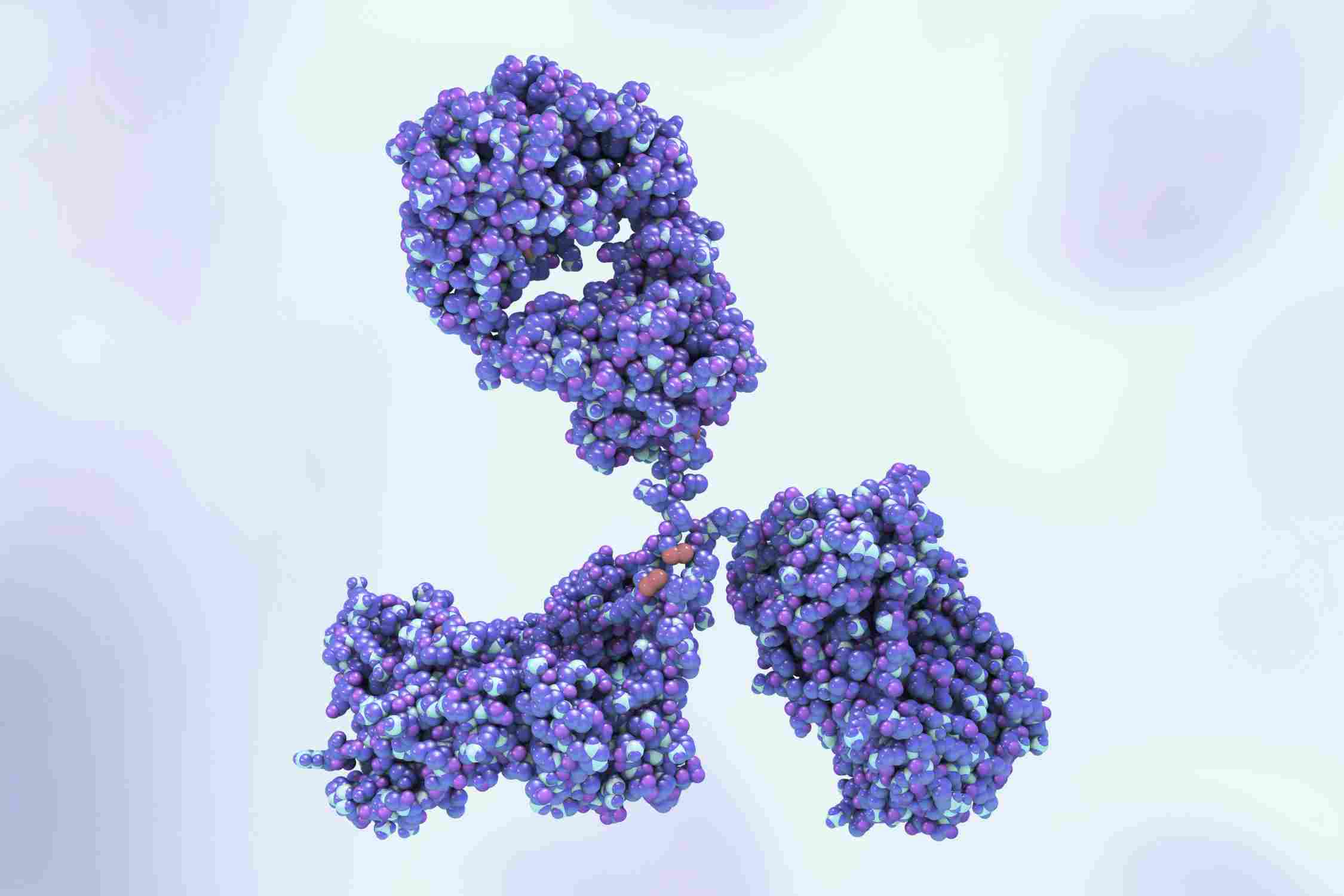
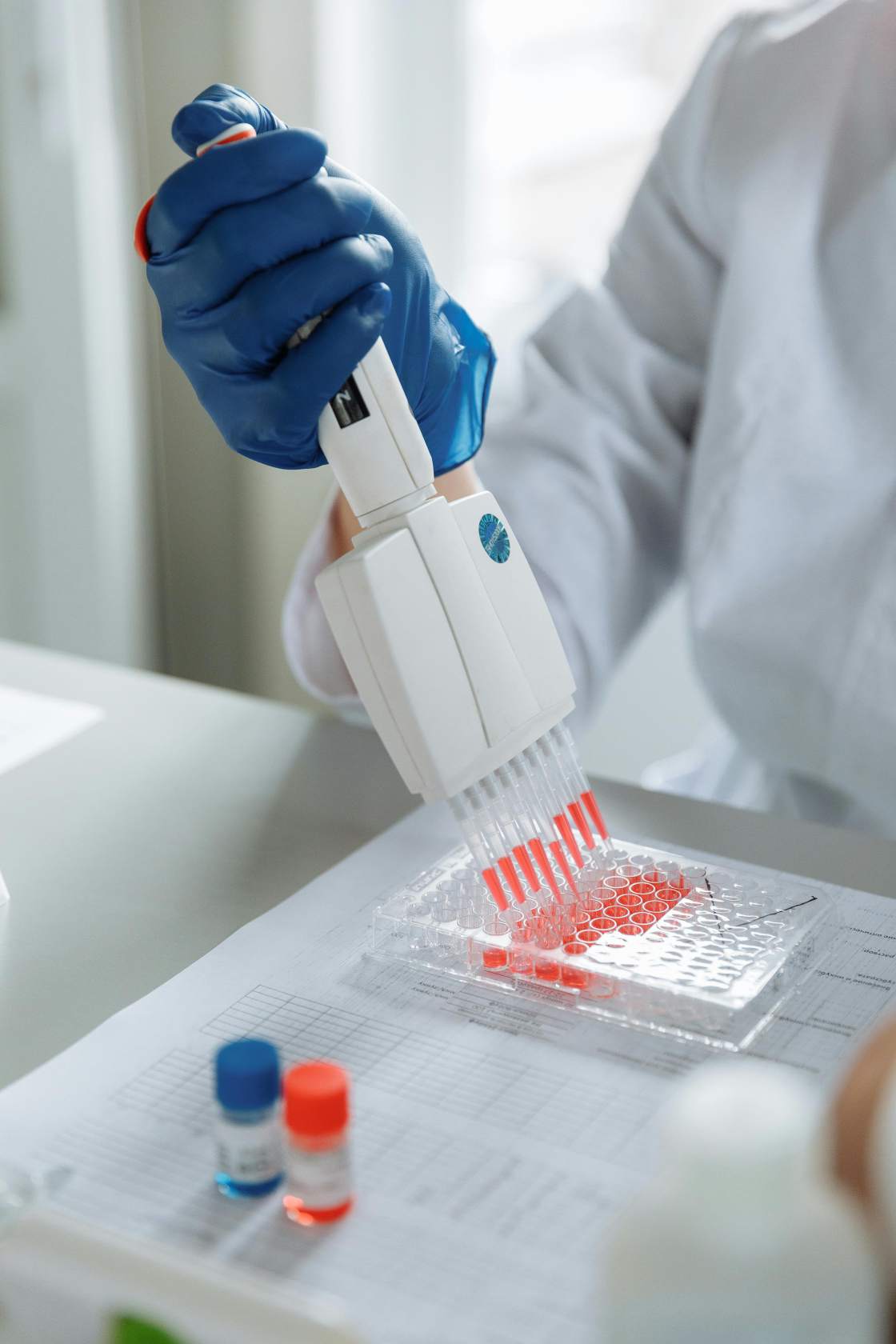
When a program requires model-based evidence, we help select and prepare appropriate canine or feline models, align dosing strategy with study objectives, and collect safety- and efficacy-oriented endpoints.

  • Model selection based on target biology, indication, species, and readout feasibility.
  • Animal acclimation, health screening, ethical review coordination, and test article preparation.
  • Route, dose, schedule, sampling, observation, and endpoint planning.
  • Safety profile observations, immunogenicity considerations, and PK/PD-supportive sampling.
  • Data interpretation that links model results with candidate selection decisions.
Evaluation Area Key Questions Representative Methods Decision-Oriented Outputs
Binding & Specificity Does the antibody bind the intended canine or feline target selectively? ELISA, SPR/BLI, flow cytometry, competition studies, ortholog panels. Affinity, specificity, cross-reactivity, epitope or competition profile.
Functional Activity Does target engagement produce the intended biological effect? Neutralization, receptor blocking, cytokine release, signaling, proliferation, apoptosis, reporter assays. Potency values, activity ranking, mechanism-of-action evidence.
Effector Function Is Fc activity desirable, neutral, or a potential liability? ADCC, CDC, ADCP, Fc receptor binding, pet-derived effector-cell systems. Effector-function profile and format/Fc engineering guidance.
Model-Based Evaluation How does the candidate behave in a relevant biological context? Spontaneous or induced models, dosing, monitoring, sampling, endpoint analysis. Safety-related observations, exposure-response context, efficacy-oriented findings.
Integrated Reporting Which data support candidate advancement or redesign? Statistical analysis, graphical reporting, interpretation, risk mapping. Consolidated report with conclusions and next-step recommendations.

Start with your antibody candidate, target, and project objective

Our scientists can translate your current data package into a practical evaluation plan covering assays, models, timelines, sample needs, and decision gates.

Evaluation Workflow

Antibody Evaluation Workflow for Pet Therapeutics Discovery

Our workflow is organized around four connected stages, moving from scientific consultation to species-specific assay execution, model-based evaluation, and transparent data reporting. Each step can be used independently or integrated into a complete preclinical evaluation package.

01
Project Consultation and Customized Study Design Define target species, indication, mechanism, candidate format, available materials, assays, models, and success criteria.
02
Species-Specific In Vitro Assay Develop or adapt canine and feline binding, specificity, potency, receptor-blocking, signaling, and effector-function assays.
03
In Vivo Model Preparation and Evaluation Select suitable disease models, formulate test articles, conduct dosing, monitor animals, and assess safety-related endpoints.
04
Data Analysis and Reporting Analyze datasets, prepare figures and statistics, interpret findings, and deliver a final decision-oriented study report.

Recommended Starting Materials

  • Purified antibody, hybridoma cells, or sequence information
  • Target antigen sequence and species origin
  • Canine or feline tissue expression information
  • Intended therapeutic indication and mechanism
  • Preferred assay format or known disease model
  • Current data gaps and advancement criteria

Typical Final Deliverables

  • Customized study protocol and timeline
  • Binding, specificity, and functional datasets
  • PK/PD or safety-related observations when included
  • Model preparation and dosing documentation
  • Statistical analysis and graphical summaries
  • Final report with conclusions and next-step recommendations
Case Study

Validating Antibody Candidate XII's Anti-Inflammatory Effects in Canine Cells In Vitro

A biotechnology company developing a novel antibody for canine inflammatory conditions partnered with Creative Biolabs to establish a focused functional assessment strategy. Our team designed and executed in vitro studies using canine peripheral blood mononuclear cells and relevant canine cell lines to evaluate target engagement and downstream inflammatory responses.

The study demonstrated high-affinity binding to the inflammatory target and inhibition of pro-inflammatory cytokine release, including TNF-α and IL-6, after stimulation. These data provided proof-of-concept for the antibody's mechanism and supported advancement into additional preclinical development activities.

Model System Canine PBMCs and relevant canine cell lines.
Readout Focus Target binding and cytokine-release inhibition.
Outcome Mechanism-focused data for candidate advancement.
Case study illustration for canine inflammatory antibody evaluation
Advantages of Creative Biolabs pet therapeutic antibody evaluation services
Service Advantages

Why Choose Creative Biolabs for Pet Therapeutic Antibody Evaluation

Creative Biolabs combines veterinary immunology experience, flexible assay development, species-relevant model planning, and integrated project reporting to support robust candidate evaluation for companion animal programs.

Veterinary Expertise

Canine and feline biology guides assay, model, and endpoint selection.

Species-Specific Platforms

Cells, antigens, reagents, and assays are matched to pet species.

Integrated Portfolio

Single-study modules or complete in vitro-to-in vivo packages.

Quality and Ethics

Study execution emphasizes data integrity and responsible animal welfare practices.

Frequently Asked Questions

Veterinary Therapeutic Antibody Evaluation FAQs

Creative Biolabs can discuss spontaneous, induced, or customized disease model strategies relevant to dogs and cats, including oncology, inflammatory disease, infectious disease, and other indication areas. Model selection depends on target biology, endpoint feasibility, ethical considerations, available historical data, and the stage of the antibody program.

References

  1. Igase, Masaya, et al. "A pilot clinical study of the therapeutic antibody against canine PD-1 for advanced spontaneous cancers in dogs." Scientific Reports 10.1 (2020): 18311. https://doi.org/10.1038/s41598-020-75533-4
  2. Distributed under Open Access license CC BY 4.0, without modification.

This site is protected by reCAPTCHA and the Google Privacy Policy and Terms of Service apply.