
Veterinary Antigen Generation Services

Creative Biolabs provides veterinary antigen design, DNA/RNA synthesis, recombinant protein expression, peptide synthesis, purification, and quality-control services to help animal-health teams build reliable immunogens and assay reagents for antibody discovery, diagnostic development, and vaccine-oriented research.

Service Overview

Custom Veterinary Antigen Generation for Discovery, Assay, and Vaccine Research

The efficacy of an antibody discovery campaign, diagnostic assay, or vaccine-oriented research program depends strongly on the design and quality of the antigen used at the beginning. Sequence selection, epitope exposure, host expression system, purification strategy, folding status, modification profile, and analytical release criteria can all determine whether downstream immunization, screening, or assay development generates meaningful results.

Creative Biolabs provides end-to-end veterinary antigen generation services built around the biology of the target species and the intended downstream application. Our scientists can design and produce recombinant proteins, custom peptides, plasmid DNA, and IVT mRNA antigens for companion-animal and broader veterinary R&D programs, with quality packages that support antibody discovery, ELISA development, functional screening, and preclinical research planning.

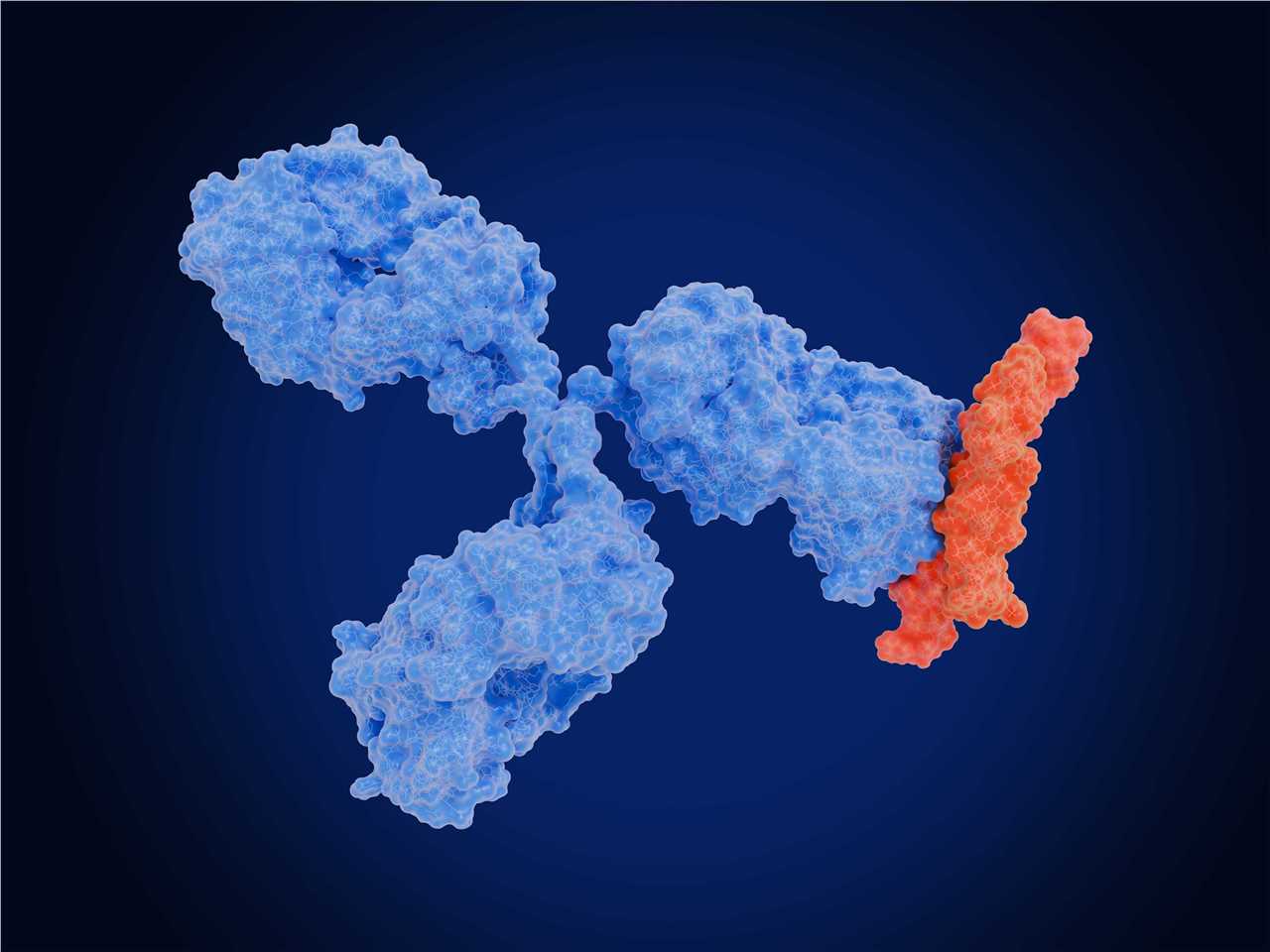
Veterinary antigen generation workflow and antigen development platforms from Creative Biolabs
Service Platforms

Veterinary Antigen Generation Services

We offer a comprehensive suite of antigen generation services tailored for veterinary applications. Each platform is selected according to antigen structure, species relevance, immunogenicity needs, purity requirements, and the downstream use of the reagent.

01

DNA/RNA Synthesis

High-quality DNA and mRNA synthesis services tailored for veterinary immunogen design. Coding sequences can be optimized for relevant expression systems and delivered as plasmids or IVT mRNA for DNA immunization, mRNA vaccine research, or in vivo antibody discovery workflows.

Explore DNA/RNA synthesis >
02

Recombinant Veterinary Antigen Expression

Recombinant protein production in bacterial, mammalian, or insect cell systems for immunization, screening, and assay development. Each antigen is designed, expressed, purified, and quality-checked to support proper folding, purity, and functional relevance.

Explore recombinant expression >
03

Peptide Synthesis

Custom veterinary peptide synthesis with options for modification, labeling, and carrier conjugation. Peptides are suitable for targeting defined linear epitopes, raising epitope-specific antibodies, and rapidly supporting focused assay or screening programs.

Explore peptide synthesis >
Workflow

Animal Antigen Generation Service Workflow

Our animal antigen generation service process is designed for clarity, collaboration, and efficient project movement. The workflow can be adapted for recombinant protein, peptide, DNA, or RNA antigen projects.

01
Project Review Target sequence, species, application, format, assay needs, and delivery requirements.
02
Antigen Design Epitope mapping, construct design, codon optimization, tags, carriers, or RNA format planning.
03
Production Expression, synthesis, fermentation, IVT reaction, peptide assembly, or platform-specific generation.
04
Purification and QC Purity, identity, molecular weight, concentration, endotoxin, sterility, or project-specific checks.
05
Delivery and Support Final antigen, Certificate of Analysis, technical summary, and downstream use recommendations.

Recommended Starting Information

  • Target name, sequence, or accession number
  • Host species and intended application
  • Preferred antigen type or unknown format
  • Required tags, labels, carriers, or modifications
  • Available sample, template, or construct
  • Downstream immunization or assay plan

Typical Deliverables

  • Antigen design rationale and production plan
  • Purified protein, peptide, DNA, or RNA material
  • Identity, purity, and concentration data
  • Project-specific QC and release summary
  • Certificate of Analysis when applicable
  • Recommendations for downstream use
Application Matching

Choose the Antigen Strategy That Fits the Research Question

There is no universal antigen format. A full-length protein may be appropriate for conformational epitopes, while a peptide, DNA construct, or mRNA format may better serve a focused epitope, rapid screening, or genetic immunization strategy.

Antigen Format Best-Fit Use Design Focus Decision-Oriented Output
Recombinant protein Antibody discovery, ELISA antigen, immunogen generation, functional screening Domain boundaries, host system, solubility, folding, tags, purification method Purified antigen with purity, identity, concentration, and application notes
Synthetic peptide Linear epitope targeting, blocking studies, peptide ELISA, rapid immunogen development Epitope accessibility, hydrophilicity, carrier conjugation, terminal modification High-purity peptide with optional conjugate, MS data, and handling guidance
Plasmid DNA Genetic immunization, construct screening, antigen expression studies Codon usage, signal peptide, promoter compatibility, insert verification Sequence-confirmed construct suitable for planned immunization or expression work
IVT mRNA mRNA antigen research, rapid expression, vaccine-oriented exploratory studies Template design, UTR strategy, capping, poly(A), integrity, and storage mRNA material with analytical release information for research use

Start with your target sequence and intended downstream application

Our scientists can recommend an antigen format, production platform, and QC package after reviewing your species, target biology, assay needs, and timeline.

Peer-Reviewed Antigen Evidence

Published Data on Recombinant Veterinary Antigen Expression and Characterization

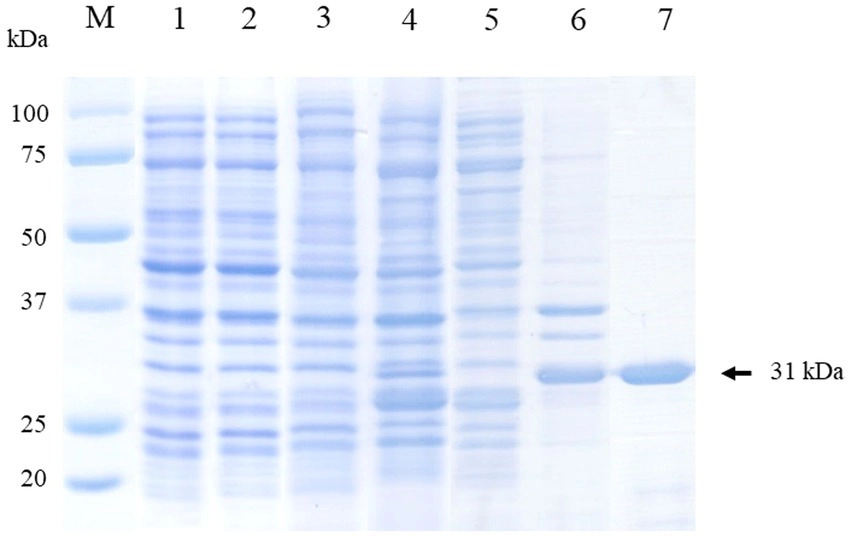
A study in Frontiers in Veterinary Science described recombinant expression and characterization of the canine circovirus capsid protein as an antigen for diagnostic assay development. The figure presents SDS-PAGE results from induced and non-induced bacterial cultures, soluble and insoluble fractions, and purified recombinant capsid protein, showing how expression behavior and purification quality were assessed before downstream use.

This evidence is relevant to veterinary antigen projects because it connects antigen sequence selection, host expression, solubility evaluation, purification, and identity-oriented QC with later ELISA and antibody-based assay work. Similar considerations guide Creative Biolabs' recombinant veterinary antigen expression, DNA/RNA synthesis, peptide synthesis, purification, and customized QC services for animal-health discovery and assay-development programs.

SDS-PAGE analysis showing expression fractions and purified canine circovirus recombinant capsid antigen. (OA Literature)
Fig.1 SDS-PAGE visualization of expression and purification of recombinant CanineCV capsid protein.1,2
Service Advantages

Service Advantages for Veterinary Antigen Generation

Creative Biolabs supports antigen projects with platform flexibility, species-aware design, and QC packages shaped around downstream R&D decisions.

Veterinary-Specific Design

Antigens are planned around target species, biology, and downstream use.

Multi-Platform Flexibility

Protein, peptide, DNA, and RNA routes are available.

Advanced Antigen Design

Bioinformatics and epitope strategy guide construct selection.

Traceable Quality Packages

Identity, purity, and project-specific QC support decisions.

Frequently Asked Questions

Veterinary Antigen Generation FAQs

The best format depends on your goal. Recombinant proteins are useful for conformational or multi-epitope targets, peptides are well suited for defined linear epitopes, and DNA or RNA antigens can support genetic immunization or rapid expression strategies. Creative Biolabs can review the target, species, and downstream application before recommending a format.

References

  1. Dankaona, Wichan, et al. "Recombinant expression and characterization of Canine circovirus capsid protein for diagnosis." Frontiers in Veterinary Science 11 (2024): 1363524. 10.3389/fvets.2024.1363524
  2. Distributed under Open Access license CC BY 4.0, without modification.

This site is protected by reCAPTCHA and the Google Privacy Policy and Terms of Service apply.