
Define the Quality Profile Behind Every Pet Antibody Candidate
Antibody characterization turns a promising binder into a decision-ready candidate. For veterinary therapeutic programs, the data package must connect sequence identity, binding behavior, molecular quality, species suitability, and functional activity before a lead is moved into engineering, formulation, manufacturing development, or animal evaluation.
Creative Biolabs provides modular and integrated characterization services for canine, feline, and other pet antibody projects. Our team can support early discovery triage, lead comparison, engineering verification, batch-to-batch comparability, and developability assessment through coordinated analytical workflows designed around your antibody format, target biology, sample status, and downstream objective.
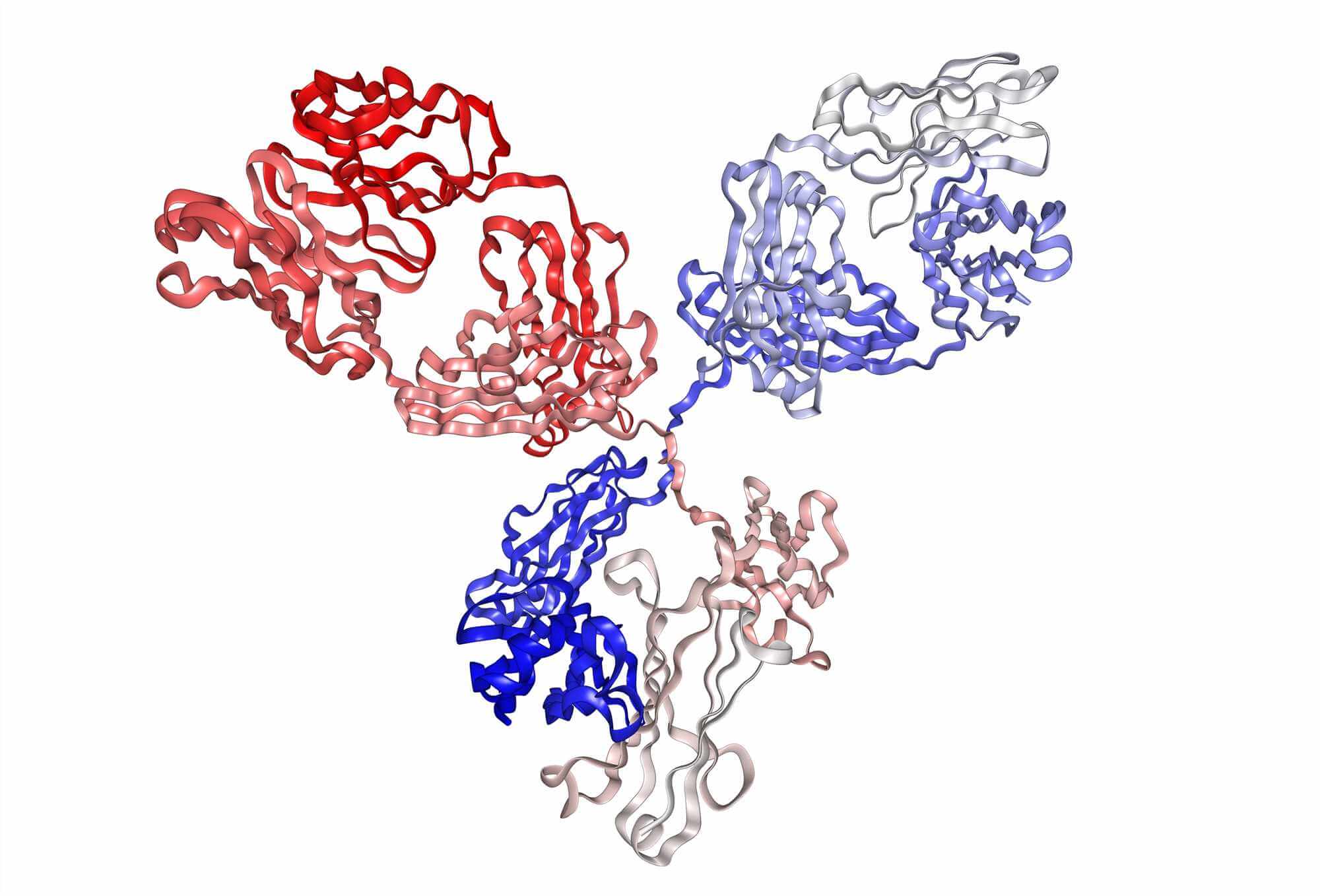
Characterization Modules for Discovery, Engineering, and Development
A useful characterization package should answer more than whether an antibody binds. It should explain what the molecule is, how consistently it behaves, and whether its properties support the next veterinary development step.
Antibody Sequencing
Sequence confirmation establishes the molecular identity of a candidate and supports traceability across discovery, engineering, and production. Services may include DNA/cDNA sequencing when nucleic-acid or cellular material is available, amino acid sequence annotation, variable-region analysis, CDR definition, framework review, clonotype comparison, and sequence-liability screening. Paired heavy- and light-chain assignment is supported when the sample source and sequencing strategy allow it; projects starting from purified antibody protein may require protein- or MS-based sequencing approaches.
02Antibody Physicochemical Characterization
Physicochemical characterization evaluates purity, size distribution, aggregation, fragmentation, charge heterogeneity, thermal behavior, glycosylation-related attributes, concentration, and higher-order structural indicators. We can align methods such as SEC, CE-SDS, SDS-PAGE, HPLC, LC-MS, DLS, DSC, and spectroscopic assays with sample amount and project phase. These data reveal quality risks that may affect formulation, storage, manufacturability, function, or comparability.
03Affinity Measurement
Binding analysis helps rank antibodies according to the measurement format and biological question. Real-time kinetic methods such as SPR and BLI can be used to determine association and dissociation rates and derive KD, while ELISA, flow cytometry, competition, receptor-blocking, and cell-based binding assays more commonly provide binding activity, EC50, apparent affinity or avidity, specificity, and comparative ranking. Results can be integrated with epitope, functional, and developability data to nominate balanced veterinary antibody leads.
From Sample Review to an Integrated Candidate Profile
A staged workflow connects sample readiness, molecular identity, physicochemical quality, binding performance, and interpretation so each dataset supports a clear development decision.
| Assessment Area | Representative Methods | Key Outputs | Decision Supported |
|---|---|---|---|
| Identity and Sequence | DNA/cDNA sequencing when suitable source material is available, amino acid annotation, CDR mapping, clonotype grouping, liability review, construct verification, and protein/MS-based sequencing when appropriate. | Sequence identity and annotation, paired-chain confirmation when supported by the sample source, variant comparison, and sequence-risk summary. | Is the intended antibody being tested? |
| Purity and Size | SEC-HPLC, CE-SDS, SDS-PAGE, HPLC, DLS, fragment and aggregate analysis. | Monomer level, aggregation, fragmentation, and heterogeneity profile. | Is the material suitable for ranking or downstream assays? |
| Charge and Modification | cIEF, ion-exchange methods, peptide mapping, LC-MS, glycan-related analysis when needed. | Charge variant, mass, glycosylation, and modification information. | Could heterogeneity affect function or comparability? |
| Binding and Kinetics | SPR, BLI, ELISA, flow cytometry, competition, blocking, and cell-binding assays. | KD, kon, and koff where real-time kinetic methods are used; assay-dependent apparent affinity or avidity, binding activity, EC50, specificity, and comparative ranking for other formats. | Which candidate has the best target-engagement profile for the intended assay context? |
| Optional Specificity, Function, and Developability | Cross-reactivity assays, cell-based assays, receptor signaling, neutralization, Fc-related assays, and thermal or stress studies as needed. | Specificity profile, functional potency, stability indicators, and developability-oriented interpretation. | Which additional evidence is needed before engineering, evaluation, or downstream development? |
Recommended Starting Information
- Antibody sequence, format, species origin, and intended pet species
- Sample concentration, volume, buffer, purity, and storage history
- Target antigen, receptor, cells, and available reference reagents
- Known assay format, expected mechanism, and ranking criteria
- Discovery, engineering, comparability, or developability objective
- Preferred final report format and required turnaround discussion
Typical Final Deliverables
- Sequence annotation and candidate identity summary
- Physicochemical data tables and representative chromatograms
- Affinity, specificity, competition, or functional assay results
- Comparative ranking across parental and engineered variants
- Developability observations and potential mitigation suggestions
- Integrated report for lead selection and next-step planning
Build a characterization package around the decision you need to make
Share your antibody format, sample status, target, pet species, and planned next step. We can recommend a focused analytical path instead of overloading an early program with unnecessary assays.
Published Data on Monoclonal Antibody Characterization
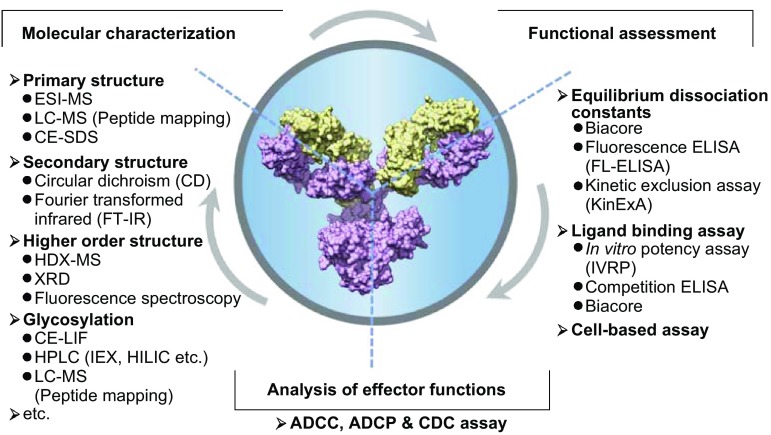
Wang, An, Luo, Xia, and Zhao reviewed molecular and functional analysis strategies that support monoclonal antibody biologics development. Their overview organizes structural analysis, physicochemical characterization, ligand binding, cell-based function, and effector-function assessment as connected quality attributes rather than isolated tests, which reflects how antibody candidates are evaluated during development.
For veterinary antibody programs, the same logic helps turn canine or feline candidate selection into an evidence-based decision. Creative Biolabs applies sequence confirmation, purity and heterogeneity testing, affinity measurement, specificity review, functional assays, and developability interpretation as an integrated profile, so teams can distinguish a merely positive binder from a candidate with practical development potential.
Why Choose Creative Biolabs for Pet Antibody Characterization?
Our characterization services combine veterinary antibody insight, analytical flexibility, and practical interpretation for discovery and development teams.
Veterinary-Specific Expertise
Programs are planned around canine, feline, and pet antibody development needs.
State-of-the-Art Platform
Orthogonal analytical methods support identity, quality, affinity, and functional review.
Developability-Oriented Interpretation
Characterization data are interpreted for candidate ranking, risk detection, and next-step planning.
Flexible Project Entry
Start from discovery hits, engineered variants, purified samples, or comparability questions.
Pet Antibody Characterization FAQs
Partner with Creative Biolabs
Connect antibody sequence, quality, binding, function, and developability data into a practical decision package for your pet therapeutic antibody program.
References
- Wang, Xin, Zhiqiang An, Wenxin Luo, Ningshao Xia, and Qinjian Zhao. "Molecular and functional analysis of monoclonal antibodies in support of biologics development." Protein & Cell 9.1 (2018): 74-85. https://doi.org/10.1007/s13238-017-0447-x
- Distributed under the Creative Commons Attribution 4.0 International License, without modification.