
Pet Canine CD3/TCR Therapeutic Antibody Development
Creative Biolabs drives innovation in veterinary immunotherapy through advanced monoclonal antibody discovery and engineering, tailored for companion animals. Our Canine CD3 / TCR Therapeutic Antibody Development program focuses on modulating T-cell activation and immune signaling for therapeutic applications in cancer, autoimmune disorders, and immune modulation research. With deep expertise in canine immunobiology and a fully integrated antibody R&D infrastructure, Creative Biolabs supports partners in developing highly specific antibodies targeting CD3 or the T-cell receptor (TCR) complex, pivotal elements of adaptive immunity in dogs. For research teams exploring T-cell–based therapies or immune-modulating biologics, Creative Biolabs offers end-to-end solutions from target validation to preclinical development—contact us to explore collaboration opportunities.
Platforms in Therapeutic Antibody Discovery
We provide comprehensive R&D platforms specifically optimized for canine therapeutic antibody discovery and development, enabling the generation of biologics compatible with the dog immune system for superior safety and efficacy.
- Phage Display: Utilizing canine-specific or cross-reactive phage display libraries, we identify antibodies with high affinity and species compatibility, ideal for immune-modulating applications such as anti-CD3 or anti-TCR therapeutics.
- Single-B Cell Sorting: This high-precision platform isolates individual antigen-specific B cells from immunized animals, providing naturally optimized antibodies for subsequent engineering.
- Hybridoma Technology: Classical hybridoma development, enhanced with modern sequencing and engineering methods, ensures stable antibody clones with well-characterized binding and effector functions.
Comprehensive Antibody Development Services
Our integrated service pipeline ensures that every stage of the antibody lifecycle, from discovery, optimization, to validation, is scientifically rigorous and aligned with therapeutic R&D goals.
Antibody Characterization
Biochemical, biophysical, and functional characterization, including binding kinetics, specificity, and T-cell activation assays.
Antibody Engineering
Affinity maturation, canine isotype optimization, Fc engineering, and recombinant antibody caninization to enhance efficacy and reduce immunogenicity.
Preclinical Evaluation
Evaluation in canine-derived immune cell assays and disease-relevant animal models to assess efficacy, safety, and immunomodulatory potential.
Antibody Development
End-to-end antibody development, from lead selection through stable cell line generation, process optimization, and preclinical material production.

Why Focus on Canine CD3 / TCR?

The CD3/TCR complex plays a central role in initiating and regulating T-cell-mediated immune responses. CD3 is an integral part of the TCR signaling complex, essential for antigen recognition and subsequent immune activation. In canine medicine, this pathway is of particular interest for developing targeted immunotherapies against cancers such as lymphoma, as well as for immune modulation in autoimmune diseases and transplant rejection management. Anti-CD3 antibodies can transiently activate or suppress T-cell function depending on the therapeutic strategy, while TCR-targeting antibodies offer potential for modulating antigen-specific responses. Understanding the nuances of CD3/TCR signaling in dogs allows researchers to develop biologics that fine-tune immune responses, improving treatment outcomes and reducing systemic side effects.
Mechanism of Action
Antibodies targeting the CD3 or TCR complex act by binding to specific epitopes on the T-cell surface, thereby influencing T-cell activation and signaling cascades. Agonistic anti-CD3 antibodies can activate T cells, leading to controlled immune stimulation for immuno-oncology applications, such as enhancing anti-tumor responses. In contrast, non-mitogenic or antagonist antibodies can downregulate T-cell activation, inducing immunosuppression useful for autoimmune or inflammatory diseases. These antibodies modulate T-cell receptor engagement and intracellular signaling through the CD3ζ chain, affecting cytokine production, proliferation, and cytotoxicity. When used therapeutically in dogs, precise tuning of these effects through antibody engineering enables targeted immune intervention with reduced risk of systemic toxicity or overstimulation.
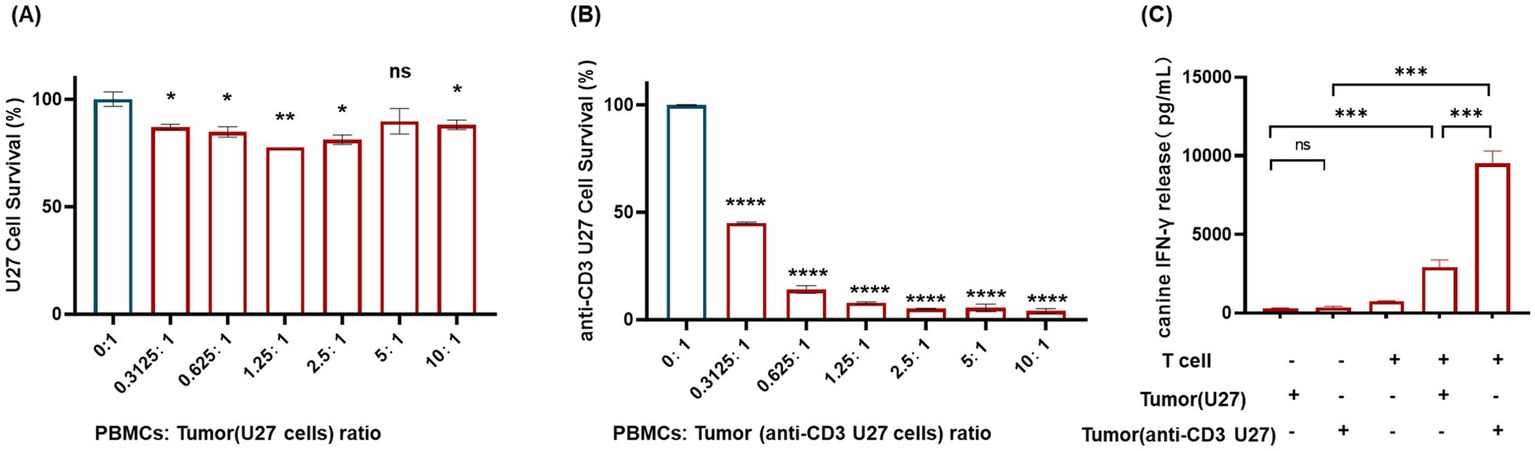 Fig 1. Anti-CD3 conjugation on canine CMT-U27 cells induces T cell activation and cytotoxicity.1
Our Advantages
Partner with Creative Biolabs
The development of canine CD3 and TCR therapeutic antibodies represents a transformative opportunity to reshape immune-based treatment strategies in veterinary medicine. Creative Biolabs combines immunological insight, molecular engineering expertise, and advanced preclinical evaluation to accelerate these innovations from concept to proof of efficacy.
Connect with Creative Biolabs today to initiate your Canine CD3 / TCR Therapeutic Antibody Development program and discover how our integrated antibody R&D capabilities can drive breakthroughs in veterinary immunotherapy.
Reference
- Li, Huixin, et al. "Preparation and functional validation of rabbit anti-canine CD3ε monoclonal antibody." Frontiers in Veterinary Science 12 (2025): 1612069. Distributed under Open Access license CC BY 4.0, without modification. https://doi.org/10.3389/fvets.2025.1612069