
Pet CCR4 Therapeutic Antibody Development
Creative Biolabs is dedicated to advancing veterinary biotherapeutics through precise, species-specific antibody discovery and engineering. Our Pet CCR4 Therapeutic Antibody Development program focuses on generating high-affinity monoclonal antibodies that target C-C chemokine receptor type 4 (CCR4), a key regulator of immune cell trafficking and inflammatory responses. By integrating cutting-edge discovery platforms with deep veterinary immunology expertise, Creative Biolabs empowers partners to develop novel immunotherapies addressing chronic inflammatory and oncologic conditions in dogs and cats.
Platforms in Therapeutic Antibody Discovery
Creative Biolabs offers a robust suite of discovery platforms specifically designed for canine and feline therapeutic antibody research, enabling seamless translation from early discovery to optimization.

- Phage Display: Our species-adapted phage display libraries allow for efficient identification of high-affinity antibodies compatible with the pet immune system, ensuring reduced immunogenicity and superior therapeutic performance.
- Single-B Cell Sorting: This platform isolates antigen-specific B cells, generating naturally high-affinity antibodies that can be engineered into canine or feline-compatible forms for therapeutic use.
- Hybridoma Technology: Traditional hybridoma-based discovery remains a cornerstone for robust antibody generation, which we enhance through modern molecular engineering to optimize binding, expression, and stability.
Comprehensive Antibody Development Services
If your team is working on inflammatory or immune-oncology antibody candidates, Creative Biolabs provides the expertise and infrastructure to move your CCR4-targeted project from concept to preclinical readiness efficiently.
Antibody Characterization
Comprehensive in vitro testing, including affinity, specificity, stability, and isotype profiling.
Antibody Engineering
Fc engineering, chimerization, affinity maturation, and species adaptation to improve therapeutic compatibility and functionality.
Preclinical Evaluation
Functional validation through receptor blockade assays, cytokine release tests, and disease-relevant animal models to confirm efficacy and safety.
Antibody Development
End-to-end production support, from lead selection to preclinical-grade material generation and process optimization.

Why Focus on CCR4?

CCR4 is a chemokine receptor expressed predominantly on subsets of T helper type 2 (Th2) cells and regulatory T cells (Tregs), playing a vital role in immune homeostasis and inflammation. In companion animals, aberrant CCR4 expression has been implicated in various disorders, including canine atopic dermatitis and certain lymphomas, particularly T-cell lymphoma. In dogs, CCR4-positive tumor cells exhibit aggressive proliferation and immunosuppressive activity, making CCR4 an attractive therapeutic target. Additionally, in both dogs and cats, blocking CCR4-mediated immune cell recruitment may help manage chronic inflammatory diseases involving allergic or autoimmune mechanisms. Developing anti-CCR4 antibodies allows precise modulation of immune cell trafficking, reducing inflammation and improving disease control in affected pets.
Mechanism of Action
Anti-CCR4 therapeutic antibodies bind selectively to the extracellular domain of the CCR4 receptor, effectively blocking the interaction between CCR4 and its ligands, CCL17 and CCL22. This inhibition disrupts the recruitment and migration of Th2 and Treg cells to inflammatory sites or tumor microenvironments. As a result, anti-CCR4 antibodies can restore balanced immune function by reducing local immunosuppression and limiting pathogenic inflammation. In oncology applications, they may also induce targeted cell depletion through antibody-dependent cellular cytotoxicity (ADCC), helping control malignant cell expansion. Together, these actions contribute to improved immune regulation and therapeutic efficacy in companion animals with CCR4-driven conditions.
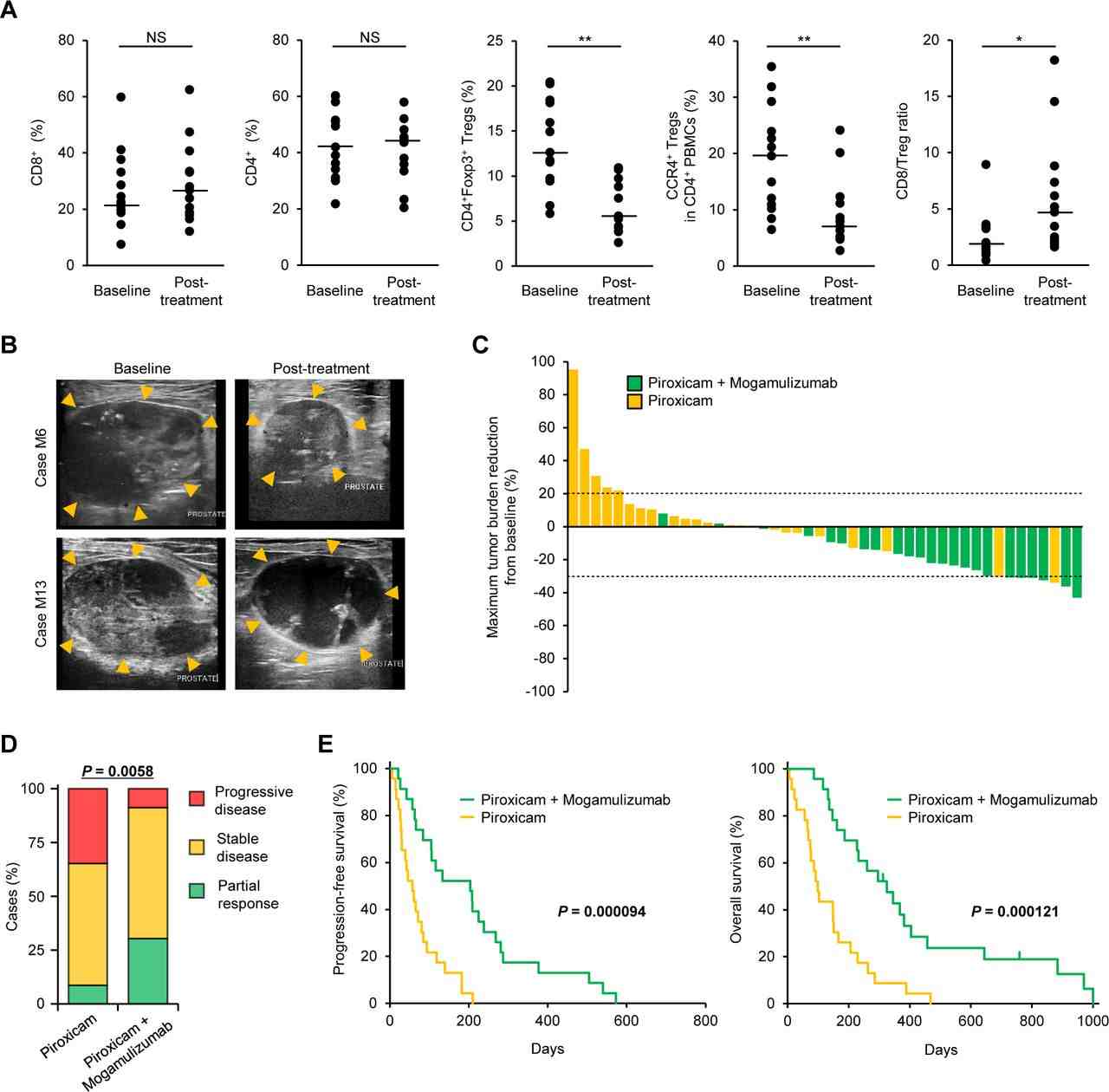 Fig 1. Anti-CCR4 therapy induces clinical responses and improves survival in dogs with prostate cancer.1
Our Advantages
Partner with Creative Biolabs
CCR4-targeted antibodies hold immense potential for managing immune-related diseases and lymphomas in pets, marking a critical step forward in veterinary immunotherapy. Creative Biolabs delivers the scientific insight, technical capability, and animal model expertise needed to accelerate this next generation of biologics.
Contact Creative Biolabs today to initiate your Pet CCR4 Therapeutic Antibody Development project and transform veterinary treatment possibilities through precision antibody innovation.
Reference
- Maeda, Shingo et al. "Anti-CCR4 treatment depletes regulatory T cells and leads to clinical activity in a canine model of advanced prostate cancer." Journal for immunotherapy of cancer vol. 10,2 (2022): e003731. Distributed under Open Access license CC BY 4.0, without modification. https://doi.org/10.1136/jitc-2021-003731