
Pet CD25 Therapeutic Antibody Development
Creative Biolabs specializes in advancing veterinary immunotherapy by translating immunological breakthroughs into species-specific therapeutic solutions. Our Pet CD25 Therapeutic Antibody Development program focuses on engineering monoclonal antibodies targeting CD25, a high-affinity subunit of the interleukin-2 receptor (IL-2Rα) that plays a pivotal role in immune regulation. CD25 is expressed on activated T cells and regulatory T cells (Tregs), influencing immune activation, tolerance, and tumor immune escape. By leveraging our advanced discovery and engineering platforms, Creative Biolabs enables researchers and developers to create novel antibodies that precisely modulate the IL-2 signaling pathway in dogs and cats, opening new opportunities for treating autoimmune diseases, cancers, and chronic inflammatory disorders.
Platforms in Therapeutic Antibody Discovery
Our comprehensive antibody discovery platforms are optimized for veterinary species, ensuring translational accuracy and therapeutic relevance. Each platform supports flexible customization, from discovery through optimization.

- Phage Display: Creative Biolabs utilizes proprietary canine and feline antibody libraries to rapidly screen and identify CD25-specific antibodies with high affinity and selectivity. This platform supports precise lead generation while maintaining species compatibility.
- Single-B Cell Sorting: By isolating antigen-specific B cells at the single-cell level, we capture naturally occurring antibodies with native pairing, which can then undergo engineering to improve stability and binding to the target CD25 protein.
- Hybridoma Technology: Classical hybridoma methods remain vital for generating high-quality monoclonal antibodies. Our hybridoma workflow is integrated with advanced molecular analysis and engineering to refine antibody structure and function for therapeutic suitability.
Comprehensive Antibody Development Services
Creative Biolabs delivers complete R&D solutions that guide each antibody candidate from discovery through preclinical validation.
Antibody Characterization
Detailed biophysical and biochemical evaluations determine affinity, specificity, and stability. We also assess immune cell binding and cytokine modulation to confirm therapeutic potential.
Antibody Engineering
Our engineering services optimize sequence, structure, and Fc functionality for improved pharmacokinetics and reduced immunogenicity. We specialize in caninization and felinization to ensure optimal species tolerance.
Preclinical Evaluation
Preclinical validation includes immune activation assays, regulatory T-cell modulation studies, pharmacokinetic profiling, and disease model evaluation in companion animals.
Antibody Development
From recombinant expression and purification to formulation and analytical testing, we provide scalable production for both exploratory and advanced-stage studies.

Why Focus on CD25?

CD25, the α-chain of the interleukin-2 receptor complex, is integral to immune signaling and T-cell proliferation. It is constitutively expressed on regulatory T cells and transiently induced on activated T cells, linking it to immune suppression and tolerance mechanisms. In dogs, dysregulation of CD25 expression has been implicated in autoimmune diseases such as immune-mediated hemolytic anemia (IMHA) and systemic lupus-like syndromes. Elevated CD25 levels have also been observed in tumor microenvironments, particularly in canine lymphomas and mast cell tumors, where Tregs expressing CD25 suppress anti-tumor immunity. In cats, immune-mediated dermatological and inflammatory disorders may involve CD25-related signaling imbalances. Targeting CD25 through therapeutic antibodies can therefore restore immune equilibrium by modulating Treg activity or limiting excessive IL-2 signaling. Creative Biolabs is positioned to help veterinary drug developers exploit this pathway to design next-generation immune therapeutics for companion animals.
Mechanism of Action
Therapeutic antibodies targeting CD25 primarily function by modulating the IL-2/IL-2R signaling axis. CD25, as part of the high-affinity IL-2 receptor complex with IL-2Rβ (CD122) and γc (CD132), facilitates IL-2–mediated T-cell proliferation and survival. In autoimmune or inflammatory diseases, blocking antibodies against CD25 can inhibit excessive T-cell activation, reducing pathological immune responses. In oncology, CD25 antibodies can selectively deplete Tregs that suppress anti-tumor immunity, thereby enhancing cytotoxic T-cell responses and tumor clearance. The balance between immune suppression and activation depends on antibody design, neutralizing versus depleting formats. Creative Biolabs provides mechanistic assay design, cytokine profiling, and in vitro functional testing to define and validate the desired mode of action for each CD25-targeted therapeutic candidate. To design antibodies with defined immune modulation outcomes, consult our immunology specialists for tailored experimental strategies.
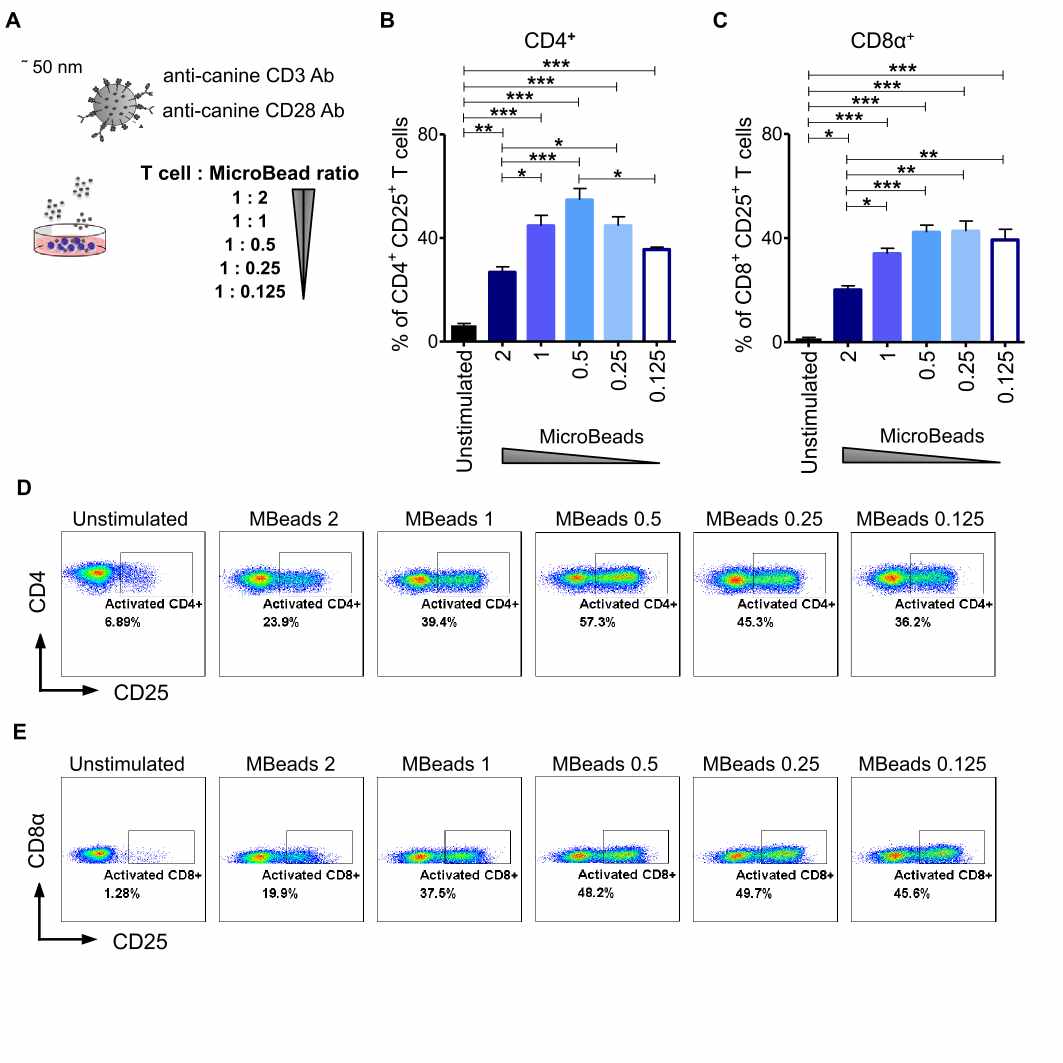 Fig 1. Activation signal strength influence on the expression of CD25 in canine T lymphocyte.1
Our Advantages
Partner with Creative Biolabs
Creative Biolabs invites collaborations with veterinary biopharmaceutical developers, academic researchers, and translational immunology teams interested in advancing CD25-targeted therapeutics. Whether your focus is autoimmune control, cancer immunotherapy, or immune modulation research, our CD25 antibody development program delivers precise scientific execution and scalable production. Partner with Creative Biolabs to build the next generation of immunotherapeutic solutions for companion animals. Contact us today to discuss how we can tailor a CD25 antibody development strategy for your veterinary research needs.
Reference
- Szopa, Iwona Monika, et al. "Effective activation and expansion of canine lymphocytes using a novel nano-sized magnetic beads approach." Frontiers in immunology 12 (2021): 604066. Distributed under Open Access license CC BY 4.0, without modification. https://doi.org/10.3389/fimmu.2021.604066